
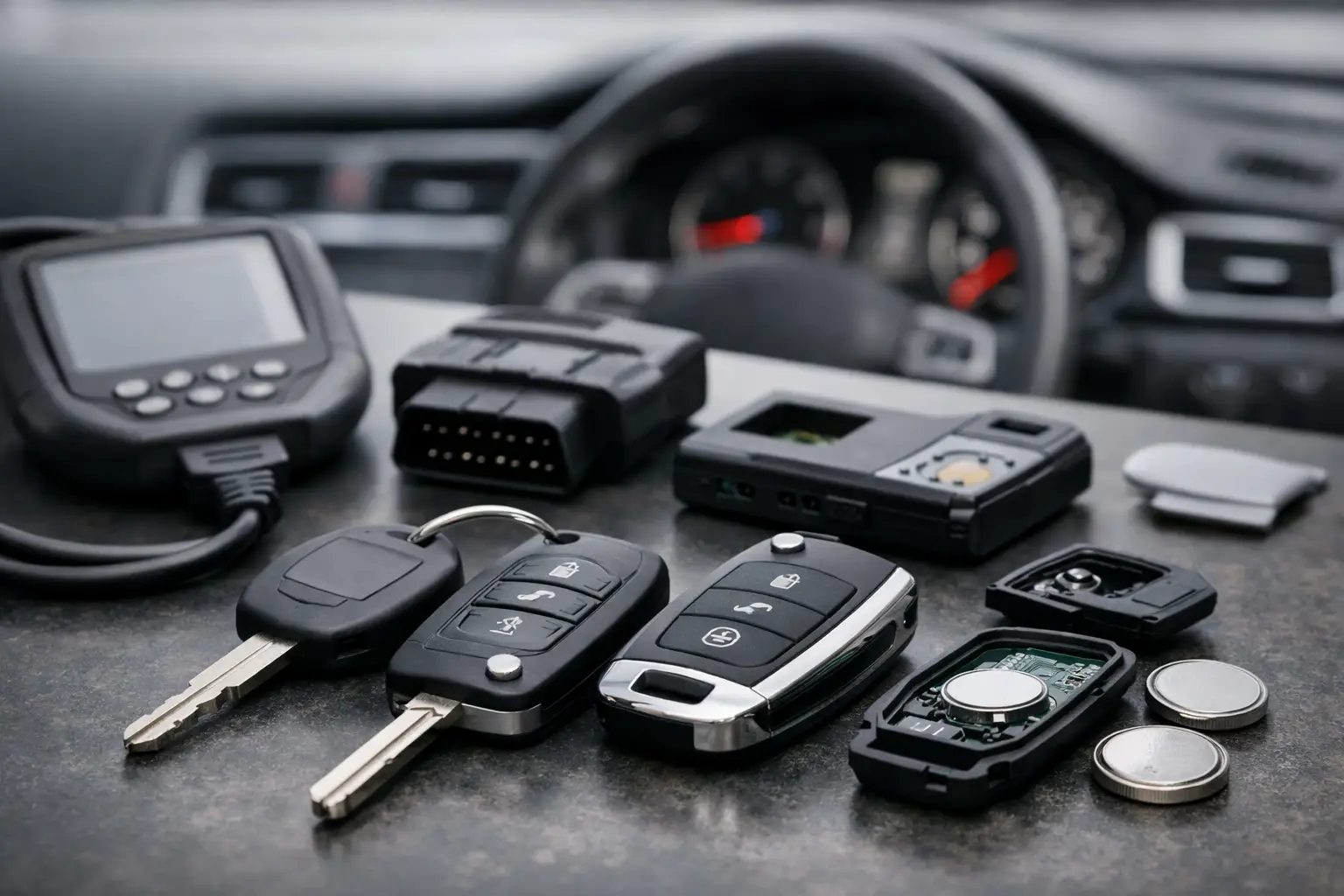
Vehicle Key Diagnostics for Common Key Faults
A key that suddenly stops working can look like a simple battery problem – until the doors still will not unlock, the car will not start, or a spare key works perfectly. Proper vehicle key diagnostics prevent wasted orders, unnecessary programming costs and the frustration of replacing a part that was never faulty.
For vehicle owners, the aim is to establish whether the issue sits with the key, the vehicle or a recent change such as a flat battery. For locksmiths, garages and automotive technicians, an organised test process protects job time and helps ensure the correct remote, blade, transponder or smart key is selected first time.
What vehicle key diagnostics should establish
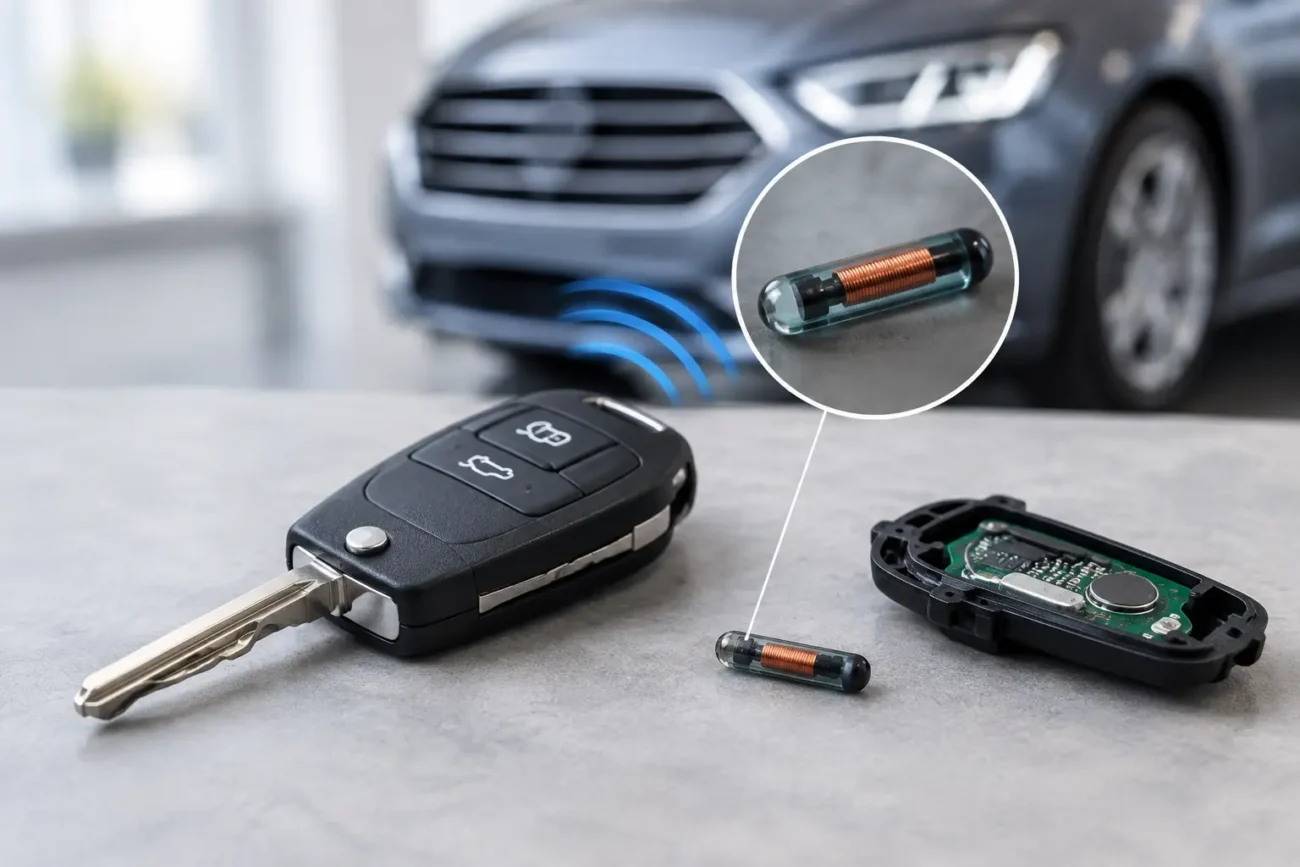
A modern vehicle key can combine several separate systems in one housing. The remote-control circuit operates central locking, while the immobiliser transponder or proximity function authorises the vehicle to start. On a smart key, passive-entry functions add another layer. One part can fail while the others continue working.
That distinction matters. If the buttons do not operate the locks but the engine starts, the immobiliser function may be sound and the fault may be limited to the remote circuit, battery, button contacts or vehicle receiver. If the locks work but the engine will not start, attention shifts towards key recognition, the transponder, programming status or a vehicle-side fault.
The key is not always the cause. A weak vehicle battery, blown fuse, door-lock actuator issue, receiver fault or control-module error can produce symptoms that resemble a defective remote. Checking the pattern before ordering avoids using a replacement key as a costly guess.
Start with the symptom, not the replacement part
The quickest route to an accurate diagnosis is to record exactly what has changed. Was the key dropped, wet, opened for a battery change or left unused for months? Did the fault begin after vehicle-battery work? Does it affect one key or every key? These details narrow the likely cause considerably.
Remote buttons do not work, but the car starts
This is commonly a remote-side issue. First inspect the battery condition and orientation, then check for damaged contacts, loose battery retainers, worn microswitches and signs of moisture inside the case. A cracked shell can allow the circuit board to move or expose it to water, although a new shell alone will not repair an electronic fault.
Where appropriate, a frequency tester can confirm whether the remote is transmitting. This is particularly useful for trade users because a button can feel normal while the circuit sends no usable signal. A transmission result does not prove that the vehicle will accept the command, but it separates a non-transmitting fob from a possible receiver or vehicle-side issue.
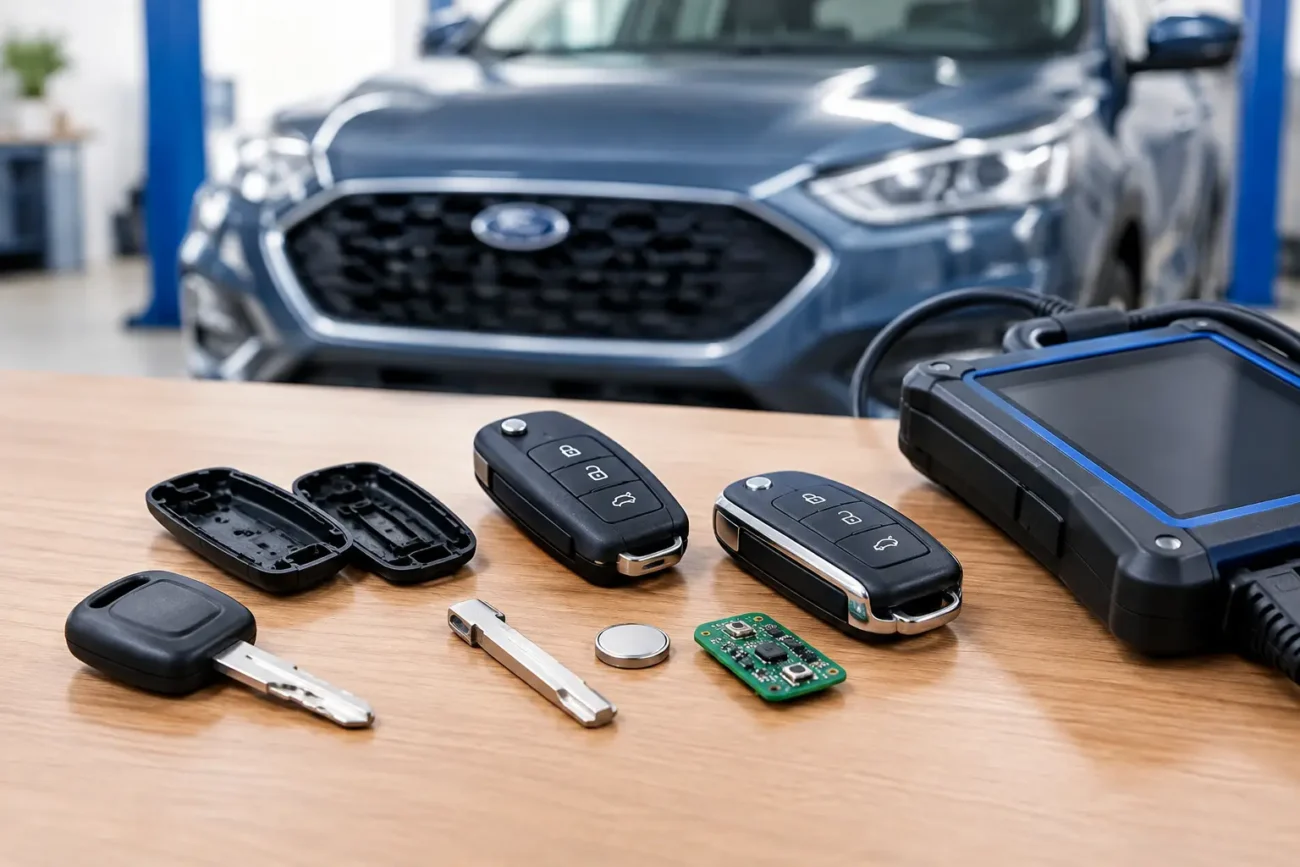
If the original board is functioning, a replacement shell, button repair or new battery may be the most economical solution. Match the button layout, blade style and internal mounting points rather than relying on the outer appearance alone.
The car unlocks, but it will not start
When remote locking functions work yet the engine will not start, do not assume that a replacement battery will resolve it. The relevant question is whether the vehicle recognises the key’s immobiliser element. On traditional keys this may be a separate transponder chip; on many later remotes and smart keys, the transponder function is integrated into the electronics.
A comparison with a known working spare key is valuable. If the spare starts the vehicle, the fault is more likely to be specific to the affected key. If neither key starts the car, assess the vehicle battery and investigate vehicle fault codes before condemning both keys.
For professional work, compatible diagnostic equipment can read relevant fault information and help establish whether the immobiliser system is seeing an authorised key. The appropriate repair may be key programming, a correctly prepared replacement key, transponder work or vehicle electrical diagnosis. It depends on the make, model, year and system fitted.
Passive entry is intermittent or a smart key is not detected
Intermittent smart-key faults deserve extra care. A low coin-cell battery is a common cause, but distance, interference, poor battery contact and damage from moisture or impact can also affect performance. Some vehicles provide a specific emergency recognition position or procedure in the handbook, which can help confirm whether the vehicle is responding to the key at close range.
Test the spare key where available and note whether the problem occurs at every door, only in certain locations or only after the car has been standing. If both smart keys behave inconsistently, a vehicle-side receiver, antenna or battery condition may need attention. Replacing one fob without these checks can leave the original problem untouched.
The blade will not turn or no longer operates the lock
Mechanical symptoms require their own diagnosis. Check that the blade profile is correct, that it is fully seated in the remote housing and that it has not bent or worn excessively. A key can operate the ignition or start system electronically yet still fail in the door lock due to a worn blade or a lock that has not been used for some time.
A replacement blade must match the correct keyway and be cut accurately. Part numbers, blade codes and clear comparison with the existing key are more reliable than choosing by vehicle badge alone.
A practical diagnostic workflow for garages and locksmiths
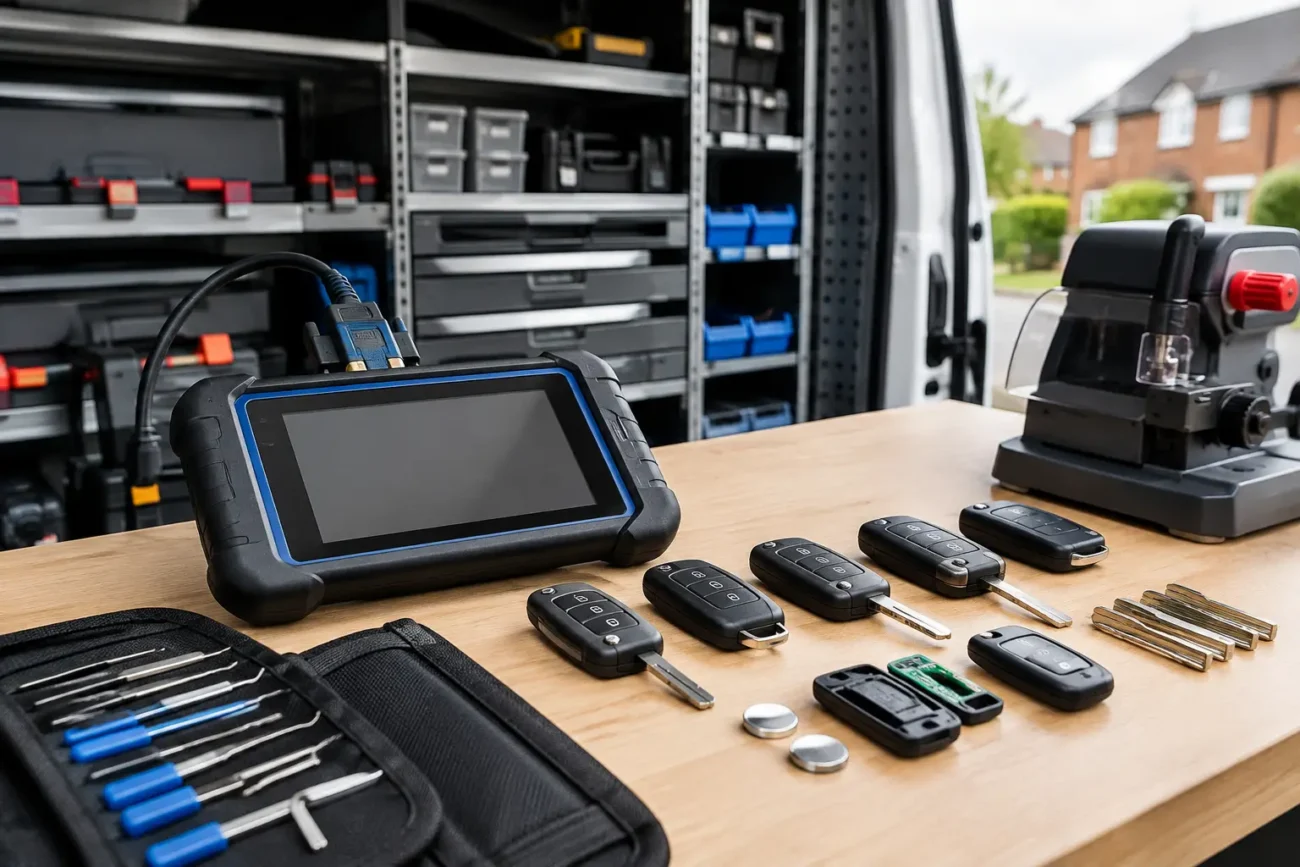
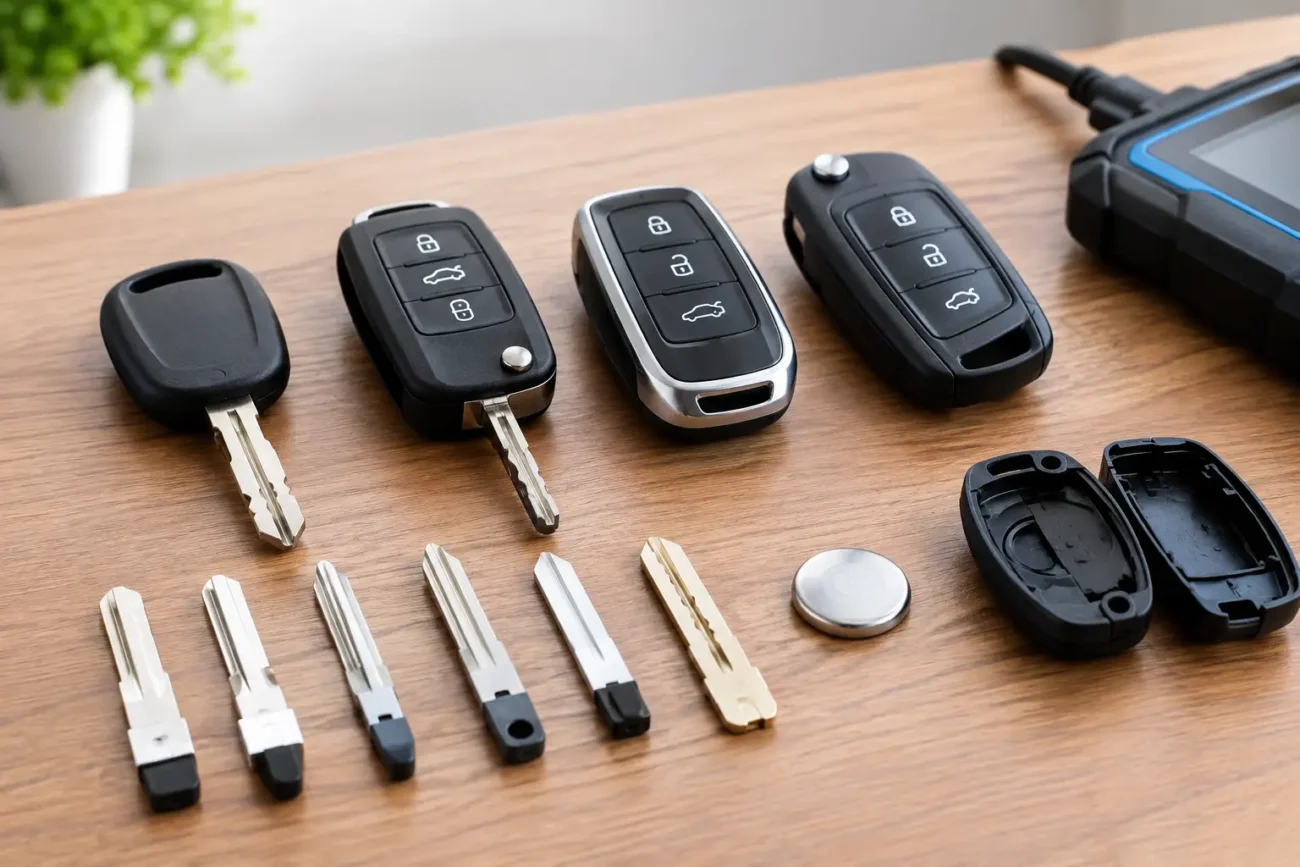
An efficient workshop process begins with verification rather than programming. Confirm the vehicle details, registration year and key type, then inspect the key physically. Record the button count, frequency markings, printed identifiers, blade profile and any visible chip or board references. These details are essential when selecting compatible stock.
Next, establish which functions are affected. Test remote operation, key recognition and starting behaviour separately. Use a known working key when the customer has one, and check the vehicle battery state before deeper investigation. A weak supply can create misleading central-locking and immobiliser symptoms.
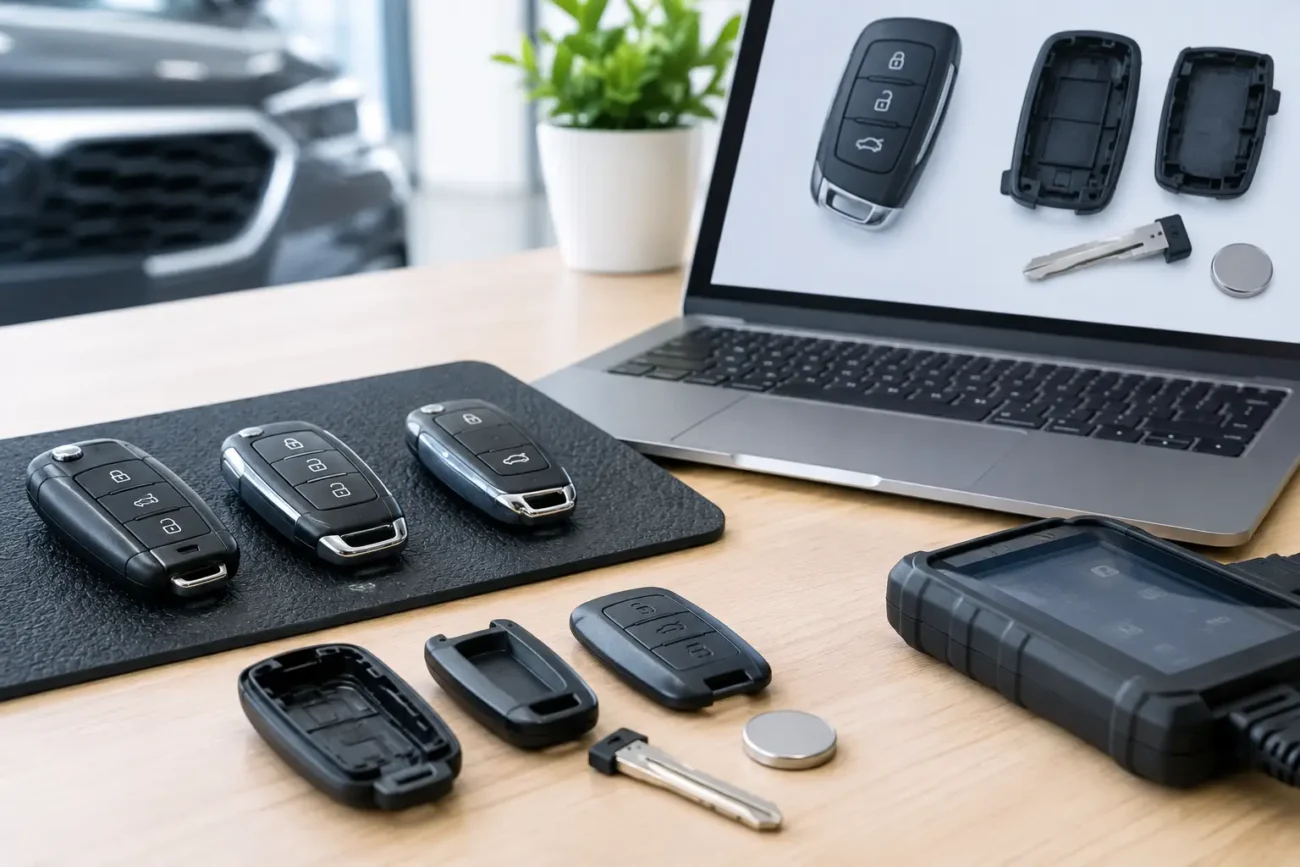
Where the job calls for it, test remote transmission and use suitable diagnostic tools to identify relevant vehicle faults or key-learning status. Keep the test result tied to the symptom. A fault code is evidence to assess alongside vehicle behaviour, not an automatic instruction to replace a particular module or key.
Only then select the repair route. That may be a battery and shell repair, a new compatible remote, an OEM-board-style solution where suitable, a transponder key, a smart key or further vehicle electrical work. This order reduces repeat visits and prevents a good customer key from being discarded unnecessarily.
Choosing a replacement after diagnosis
Replacement keys are not interchangeable simply because they look alike. Matching should include the vehicle application, frequency, button configuration, blade type, chip type and, where listed, the original part number. For smart keys and proximity remotes, verify the exact platform and regional specification as well.
A pre-programmed or aftermarket option can offer a cost-effective repair, but it still needs to be compatible with the vehicle and prepared using the correct process. A replacement shell is suitable only when the original electronics and transponder remain serviceable. Conversely, a new remote does not resolve a worn lock or a vehicle receiver fault.
For retail buyers, photographs of both sides of the existing key and any markings on the case or circuit board can make fitment checks much more accurate. For trade buyers, capturing those details at intake saves time when ordering stock for an active job. Global Keys Direct Ltd carries a wide range of vehicle-specific replacement key products and programming tools, but buyers should always check the listed compatibility details before purchase.
Common mistakes that create repeat faults
The most expensive errors are usually assumptions. Replacing the coin-cell battery without inspecting the contacts, ordering by vehicle make alone, or treating a non-start as a remote synchronisation problem can all lead to a second repair.
Avoid judging a key solely by whether its LED lights up. An LED may indicate that power reaches part of the board, but it does not confirm correct transmission, transponder operation or vehicle recognition. Likewise, a newly fitted case may improve the appearance and button feel while leaving an underlying board fault unchanged.
When there is uncertainty, retain the original key and document the observed symptoms before moving parts or programming replacements. It gives the technician a baseline and gives the vehicle owner a clearer explanation of what they are paying to fix.
A reliable repair starts with the right diagnosis, then the right compatible component. Taking a few minutes to separate remote, immobiliser, smart-entry and mechanical faults can turn a frustrating key problem into a precise, cost-effective fix.
Add a review
Your email address will not be published. Required fields are marked *