
Best Replacement Key Shells for a Lasting Fit
A worn car key does not always mean you need a complete replacement remote. If the electronics still operate the central locking and the immobiliser chip remains intact, one of the best replacement key shells can restore the key’s feel, appearance and everyday reliability for a fraction of the cost of a new programmed key. The important part is choosing a shell that matches the original in more than just shape.
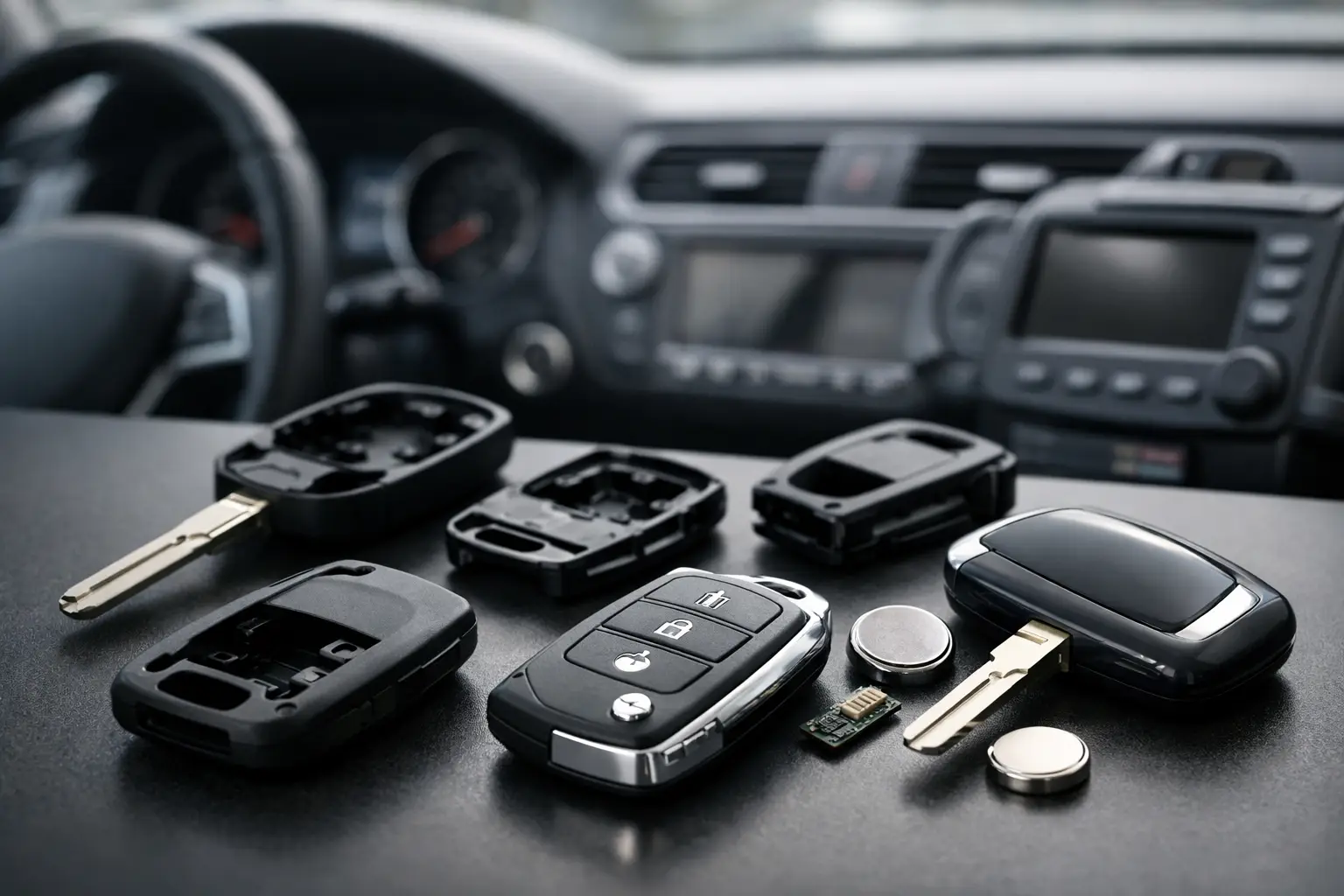
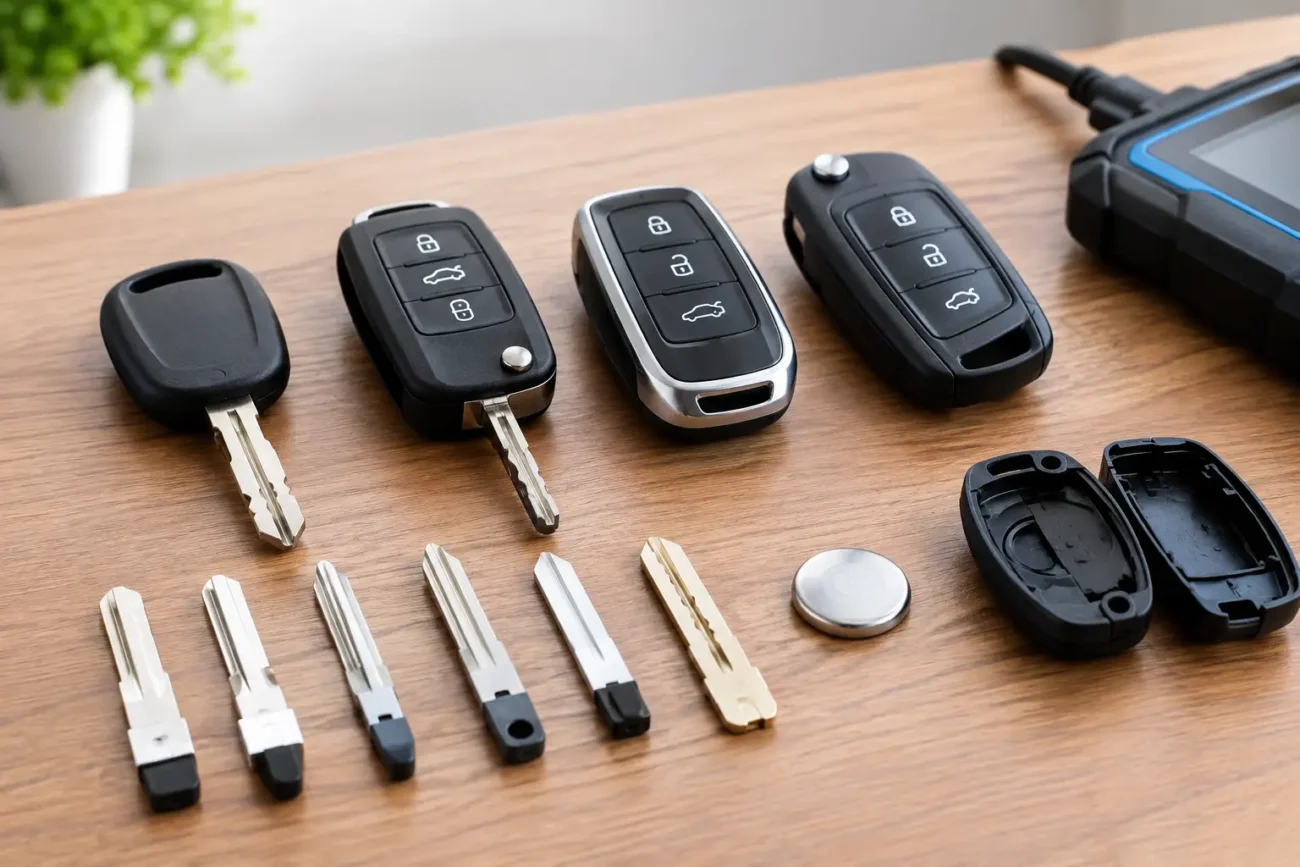
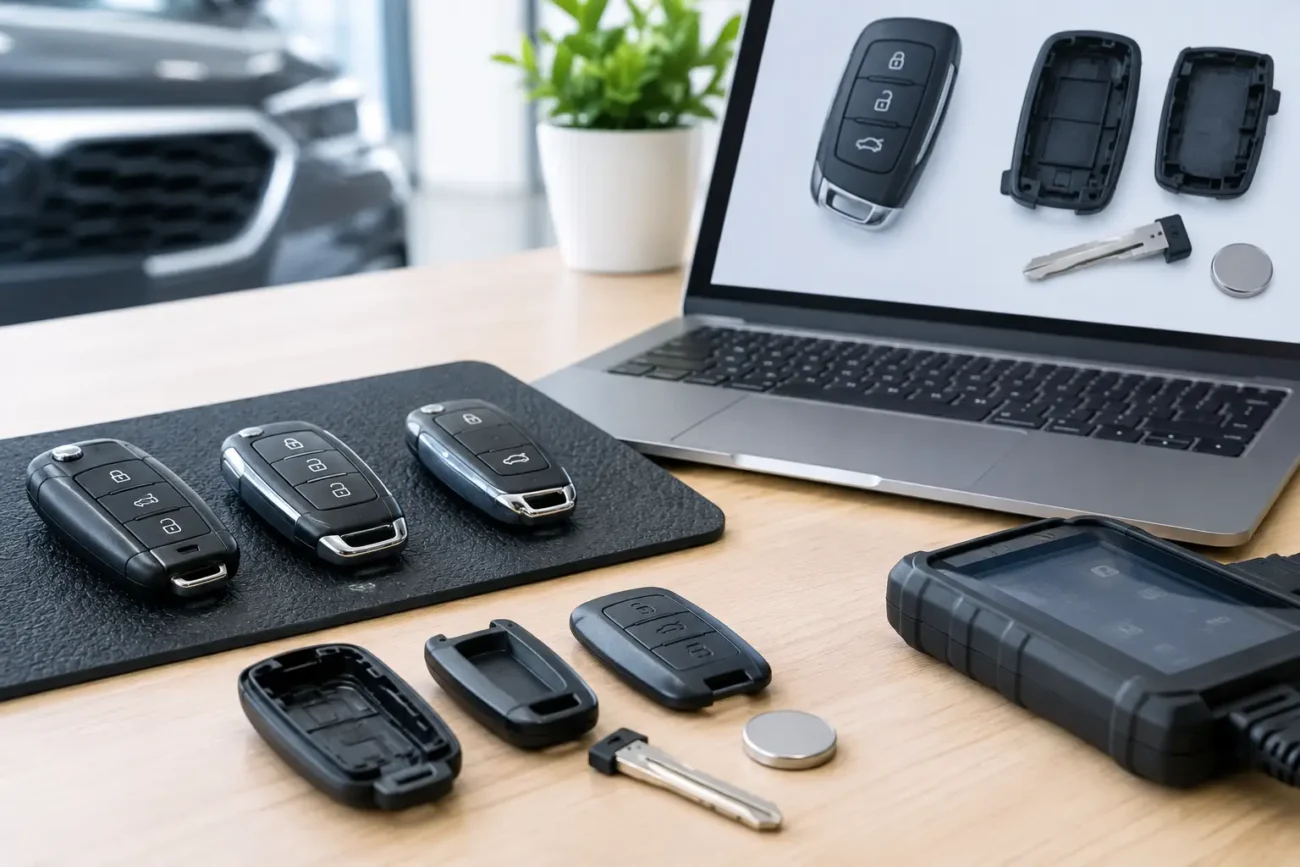
A key shell is the outer housing, not a ready-to-use electronic key. It normally includes the case, button pad and, depending on the design, a new blade or blade mounting point. Your existing remote circuit board, transponder chip and sometimes the original blade are transferred into it. That makes a shell replacement a practical option for cracked cases, loose blades, worn button rubbers and damaged key rings, provided the working components inside are undamaged.
What makes the best replacement key shells?
The best option is not simply the lowest-cost shell with a similar logo shape. It is the one that accepts your original components securely and closes correctly without forcing the circuit board, transponder or battery into place. A poor fit can leave buttons unresponsive, create intermittent battery contact or prevent the key from folding and locking properly.
Start with the exact physical design of your current key. Button count matters, but it is only one part of the check. Two three-button remotes for the same manufacturer can use different circuit-board shapes, blade profiles or internal retaining clips. Check the position of each button, the case outline, the location of the battery holder, and whether the key is a fixed-blade, flip-key or smart-key style.
For a folding remote, the blade mechanism deserves particular attention. The replacement shell must use the correct blade type and pivot arrangement. A blade that looks close but does not sit at the right angle, lock into the open position or match the original profile is not a suitable replacement. Where a new uncut blade is supplied, it will need cutting to match your existing key by an appropriate key-cutting provider.
The circuit board fit is the deciding factor
The remote board should sit naturally in the new shell, with no bowing of the casing or pressure on the microswitches. Look closely at the internal moulding of the old case before ordering. The position of locating posts, screw holes, battery contacts and transponder recesses all affect whether a shell is usable.
This is especially relevant on keys that appear externally identical across several model years. Manufacturers may revise board layouts, frequencies or internal fixings without changing the overall button arrangement. For trade buyers handling repeat jobs, comparing the original board against product fitment photographs is often faster than working from vehicle model alone.
Do not overlook the transponder chip
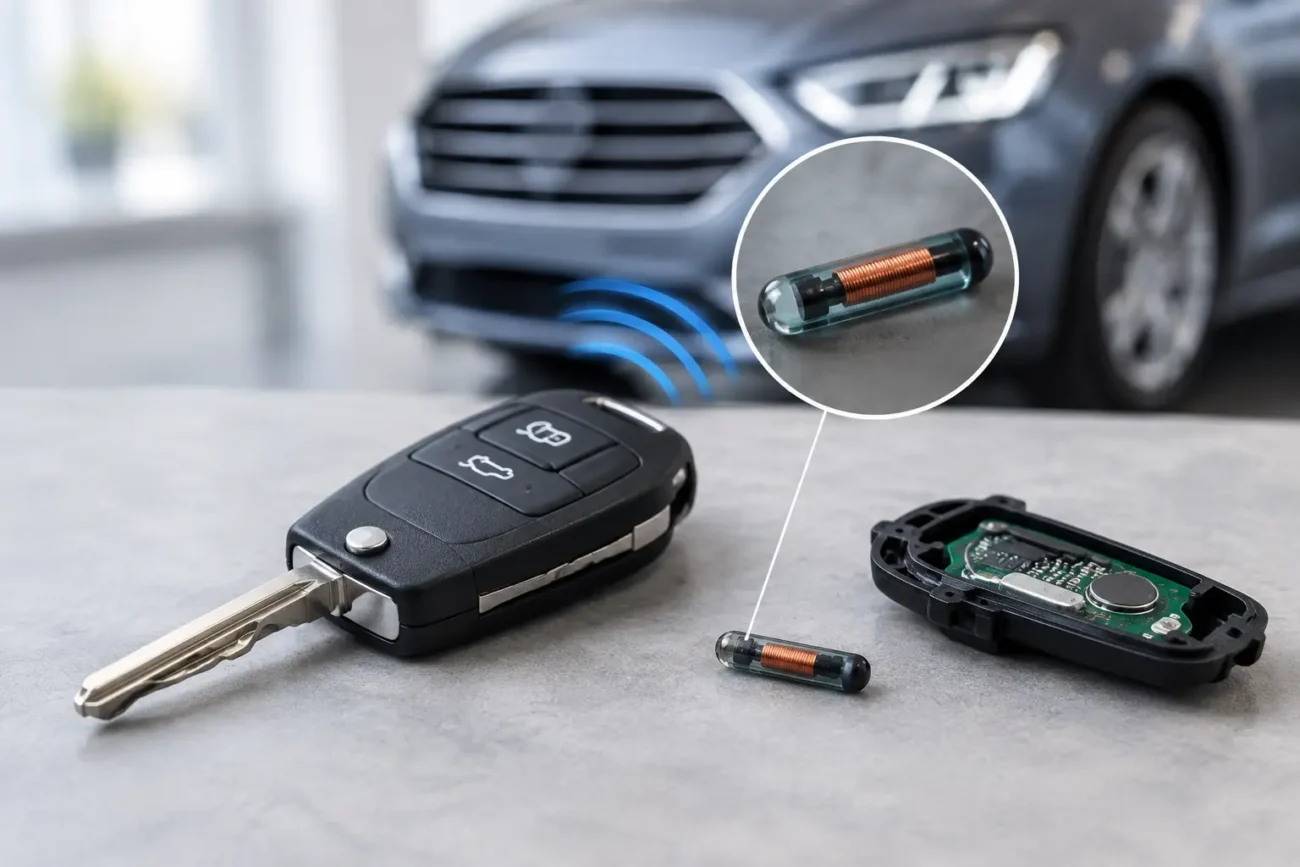
Many traditional remote keys contain a separate immobiliser transponder chip. It may be a small glass capsule, carbon chip or moulded component located in a dedicated pocket inside the shell. It does not always sit on the remote circuit board.
If this chip is not transferred, the remote may still lock and unlock the vehicle, but the engine may not start. The chip is fragile, so move it carefully and retain it in the same orientation where the shell design requires this. If the original key has been water-damaged, has a broken board, or the chip is missing, a shell alone will not solve the problem. A replacement key, compatible chip and programming may be required instead.
Choosing a shell by vehicle, key type and details
Vehicle make and model are useful starting points, but they should never be the only compatibility check. Ford, Vauxhall, Peugeot, Toyota, BMW, Audi, Mercedes and Land Rover keys can vary substantially between generations and trim levels. The most reliable order process combines vehicle details with a direct comparison to the existing key.
Before selecting a replacement shell, confirm these details:
- the number and layout of buttons, including boot-release, panic or sliding-door functions;
- whether the blade is fixed, folding, removable or absent on a proximity smart key;
- the blade profile and the way it attaches to the case;
- the shape of the remote circuit board and battery position;
- any part number visible on the old case, board or key blade;
- the vehicle year and, where available, the original remote frequency and chip type.
For smart keys, the check is even more specific. These units may use a removable emergency blade, internal battery tray, particular contact arrangement and precisely shaped board housing. A smart-key shell can make an excellent cosmetic repair, but it will not correct faults in the proximity system, damaged charging contacts or a failed electronic board.
When a replacement shell is the sensible repair
A shell replacement is ideal when the key works but the housing is letting it down. Common signs include a split seam around the blade hinge, button covers that have worn through, a broken key-ring loop, a loose battery cover or a case that no longer clips together securely. It is also useful when a flip blade has become unstable because the plastic mounting has cracked, while the remote functions remain normal.
It is not always the right answer. If the buttons only work occasionally after fitting a fresh battery, the circuit board may have damaged switches or corrosion. If the vehicle displays an immobiliser warning, fails to recognise a key, or the remote has stopped working after being soaked, diagnose the electronics before buying a shell. Rehousing a faulty board can improve the appearance of the key without restoring its function.
The same applies to a snapped metal blade. If the blade is broken near the hinge, a shell with a new compatible blade can be a practical route, but only after checking that the remaining original key can be copied accurately. If the blade is heavily worn, a cleanly cut replacement may offer a more dependable mechanical fit than transferring an old one.
Fitting a key shell without creating new faults
A shell change is often straightforward, yet small mistakes can turn a working key into a non-starter. Work over a clean, well-lit surface so that screws, springs and transponder chips cannot disappear. Photograph the original key as you open it. This gives you a reference for battery orientation, board position and the location of any loose components.
Open the old case gently rather than prising against the circuit board. Transfer the board without touching or bending button switches, then move the transponder chip if it is separate. Check that the battery contacts line up correctly and that the buttons in the new rubber pad meet the switches on the board. Before fully securing the shell, test that the case closes evenly and that every button has a positive, consistent press.
For flip keys, take care with the spring-loaded blade assembly. The spring needs the correct tension and seating for the blade to deploy and retract properly. If the mechanism does not sit naturally, stop and compare the internal parts rather than forcing the case closed. A damaged hinge or distorted board can cost more time than ordering the correct version first.
Programming is generally not required when you transfer the same working board and transponder into a like-for-like shell. However, no two key designs should be treated as identical without checking. A new electronic remote, replacement transponder or additional spare key is a different job and may need vehicle-specific cutting and programming.
Buy for fitment, not just appearance
A tidy replacement case can make an ageing key look new again, but durability comes from the internal fit. Choose a shell with a clear vehicle and key-style application, then compare it against the original before ordering. Product images, blade type, button layout and internal housing details all matter.
For locksmiths and garages, keeping common shell styles on hand can turn a minor key repair into a quick, cost-effective service. For vehicle owners, taking a few minutes to identify the board and blade correctly avoids the frustration of receiving a case that is almost right. Global Keys Direct stocks model-specific car key shells and related replacement key parts for both everyday repairs and professional key work, with UK-focused fulfilment when time matters.
A damaged housing should not automatically send a perfectly functional key to the drawer. Match the shell carefully, preserve every original electronic component, and you can give the key a proper second life.
Pingback: Hyundai Keyless Entry Remote Replacement Guide - GLOBAL KEYS DIRECT LTD
Pingback: Flip Key Versus Proximity Key: Which Is Best? - GLOBAL KEYS DIRECT LTD
Pingback: How to Identify Car Key Frequency Correctly - GLOBAL KEYS DIRECT LTD
Pingback: How to Replace Car Key Battery Without Damage - GLOBAL KEYS DIRECT LTD