
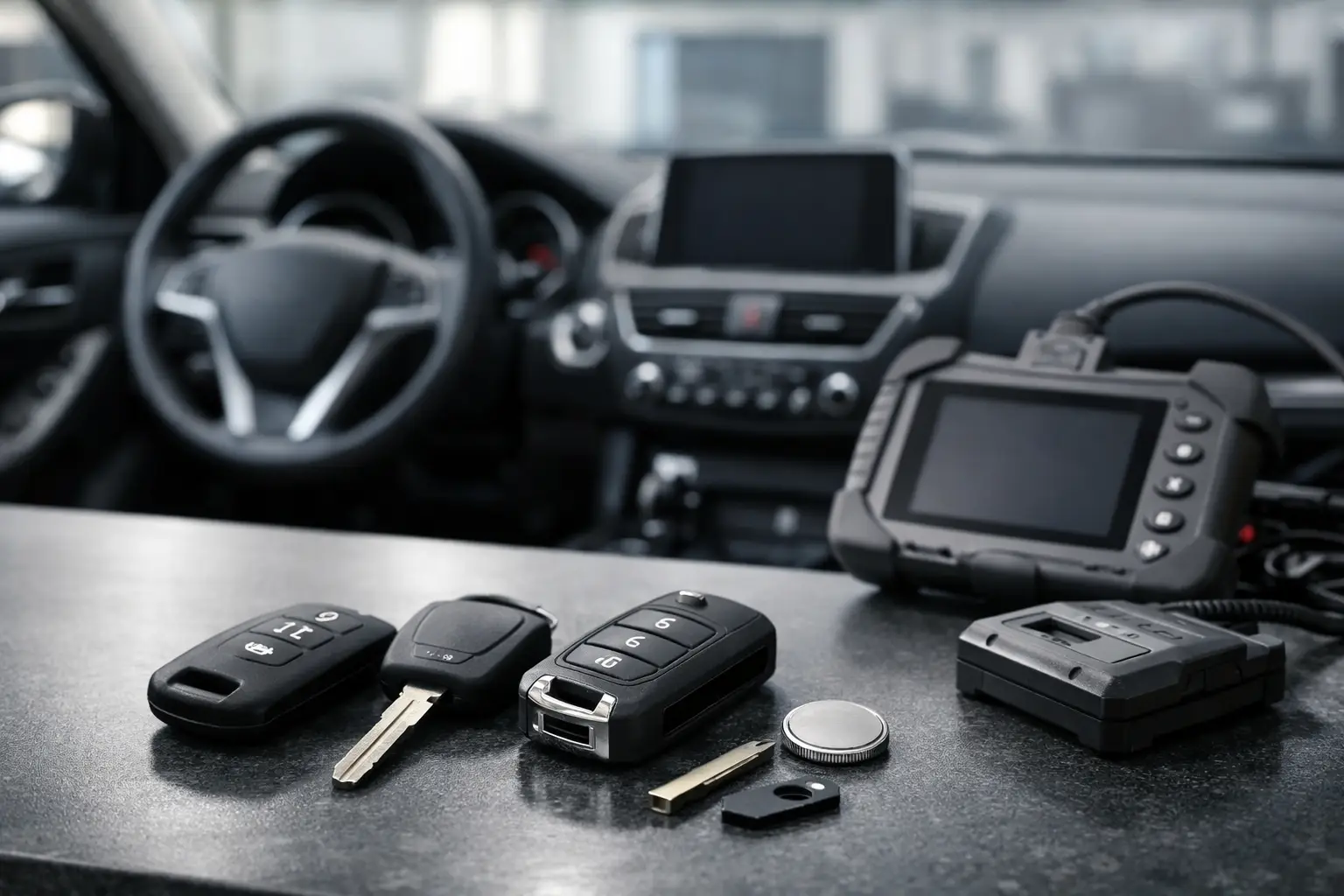
When Should You Buy a Spare Key?
Losing your only car key usually happens at the worst possible moment – before work, in the rain, or when the school run cannot wait. That is exactly why people ask when should you buy a spare key, and the honest answer is sooner than most drivers think. A spare is rarely urgent until the day it suddenly is, and by then your options are usually slower, more limited and more expensive.
For most vehicle owners, the best time to sort a spare key is while the original still works properly. For trade buyers, the same logic applies on customer jobs – replacing a damaged or worn key before total failure is usually the cleaner, more cost-effective route. If the vehicle still starts, the remote still responds and the existing key details can still be checked, the process is generally simpler.
When should you buy a spare key for your car?
The short version is this: buy a spare key before you need one. That usually means as soon as you realise you only have one working key left, or when your second key is damaged, unreliable or missing.
A lot of drivers assume one key is enough until something changes. The remote starts working intermittently. The casing cracks near the blade pivot. Buttons wear through. The emergency blade feels loose. Water damage, battery leakage or a failed transponder can turn a usable key into a problem very quickly. If any of that sounds familiar, you are already in the right window to get ahead of the issue.
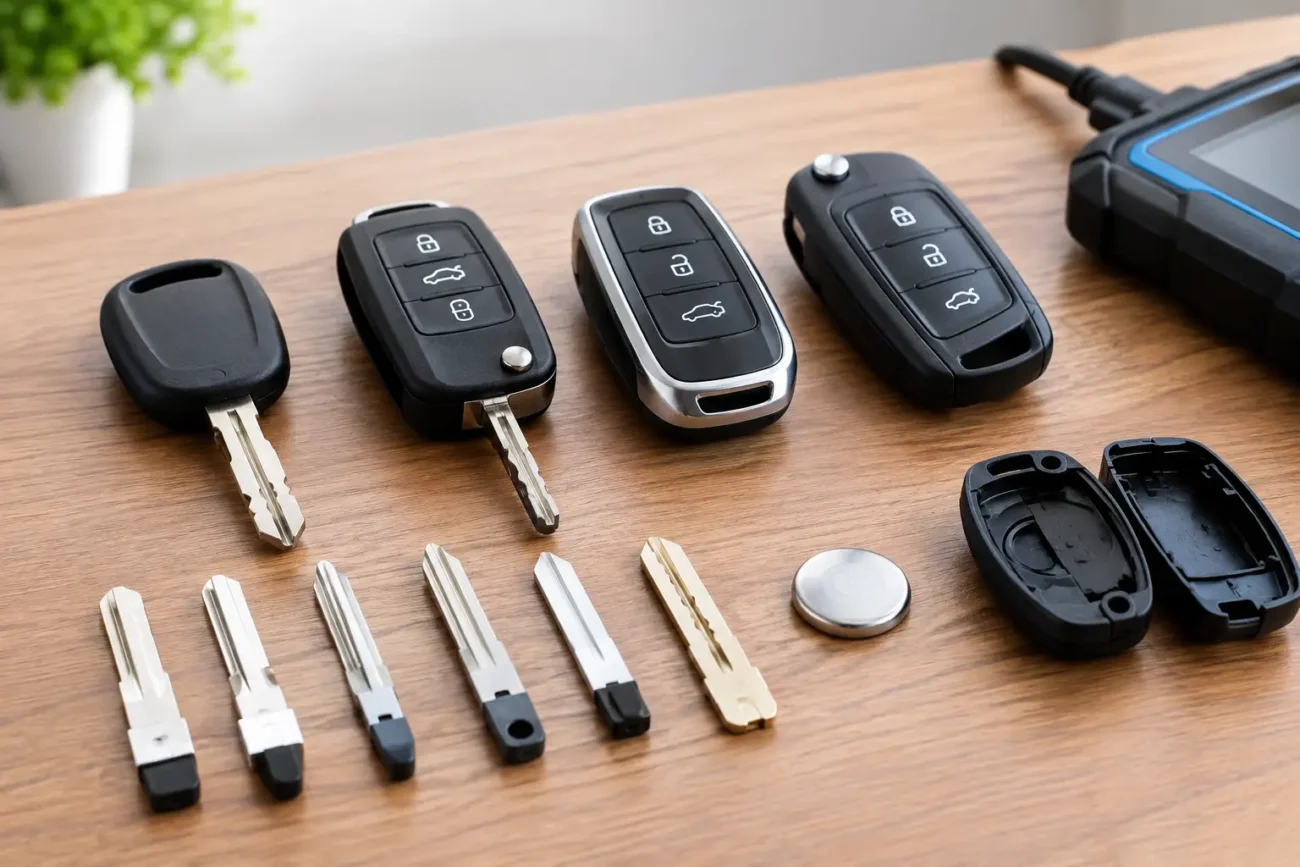
There is also a practical advantage in ordering early. With the original key still available, it is easier to compare button layout, blade type, frequency, transponder chip format and part number references. That reduces guesswork. It also helps both retail buyers and auto trade professionals choose a more suitable replacement shell, remote fob or smart key before the job becomes urgent.
The clearest signs it is time to buy a spare
If you only have one key, that alone is a strong reason. It means there is no backup if the key is lost, snapped, water-damaged or locked inside the vehicle. Even a basic spare can save major disruption.
If your current key shows physical wear, do not wait for complete failure. A cracked shell might seem cosmetic, but worn buttons, damaged blade housings and loose battery compartments often get worse through normal daily use. In many cases, replacing the shell or remote earlier prevents a bigger problem later.
Intermittent remote function is another common warning sign. Sometimes the issue is only the battery, but not always. If you have already changed the battery and the range is still poor, or certain buttons only work when pressed hard, the fob may be wearing out. It is worth dealing with that while the vehicle is still fully accessible.
Families with shared vehicles should also think about convenience as well as risk. One key between two drivers is manageable right up until schedules clash. A proper spare avoids unnecessary handovers, delays and the usual “who has the key” routine.
For garages, locksmiths and key technicians, the buying decision is even more straightforward. If a customer presents with a heavily worn shell, unstable remote or only one working key, recommending a spare is practical rather than upselling. It reduces the chance of a future emergency job and gives the customer a more reliable daily-use solution.
Why waiting usually costs more
Most people do not buy a spare key because the existing key still works “well enough”. That is understandable, but it often leads to the more expensive scenario.
When the only key is lost or fails completely, the job becomes less about convenience and more about recovery. There is more pressure, fewer options and less time to compare the correct replacement. Depending on the vehicle, that can also make programming and parts selection more involved than it would have been with a working original present.
There is a security angle too. If a key has been lost somewhere outside your control, you may not know who has access to it. In that situation, delaying replacement is not just inconvenient – it may leave you uncertain about vehicle security.
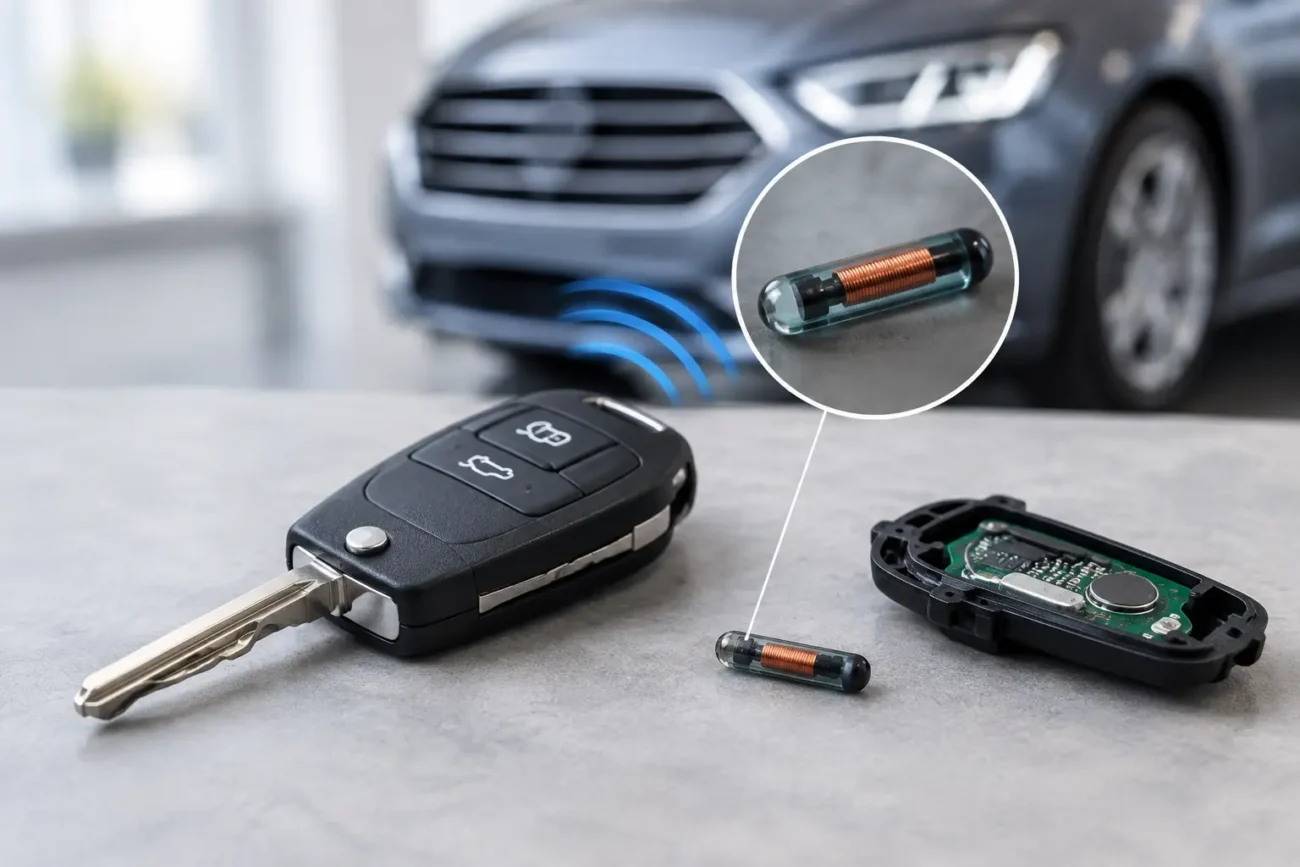
Buying a spare while everything is still functioning gives you time to check the fitment details properly. That matters because car keys are not universal, even within the same manufacturer. Two similar-looking remotes may differ by frequency, chip type, blade profile or board layout. Rushing after a key loss makes mistakes more likely.
It depends on the type of key you have
Not every spare key decision looks the same. A manual blade key, flip key remote and proximity smart key each come with different considerations.
A traditional remote key with a separate blade often gives you more visible signs of wear. The blade may loosen, the shell may split and the rubber buttons may degrade over time. In those cases, sorting a spare or replacement shell early is usually straightforward.
Smart keys can be different. They may look fine externally while developing inconsistent button response, battery contact issues or proximity detection faults. Because the technology is more integrated, owners sometimes ignore minor faults for longer than they should. If the vehicle intermittently fails to detect the key, that is a good point to act, not wait.
Commercial users and higher-mileage drivers should also move earlier. The more often a key is handled, dropped, pocketed, exposed to moisture or used across multiple drivers, the more wear it takes. What counts as “too soon” for a lightly used second car may already be “too late” for a busy fleet or work vehicle.
What to check before ordering a spare key
The right time to buy a spare key also happens to be the right time to verify the details carefully. That is where many avoidable errors happen.
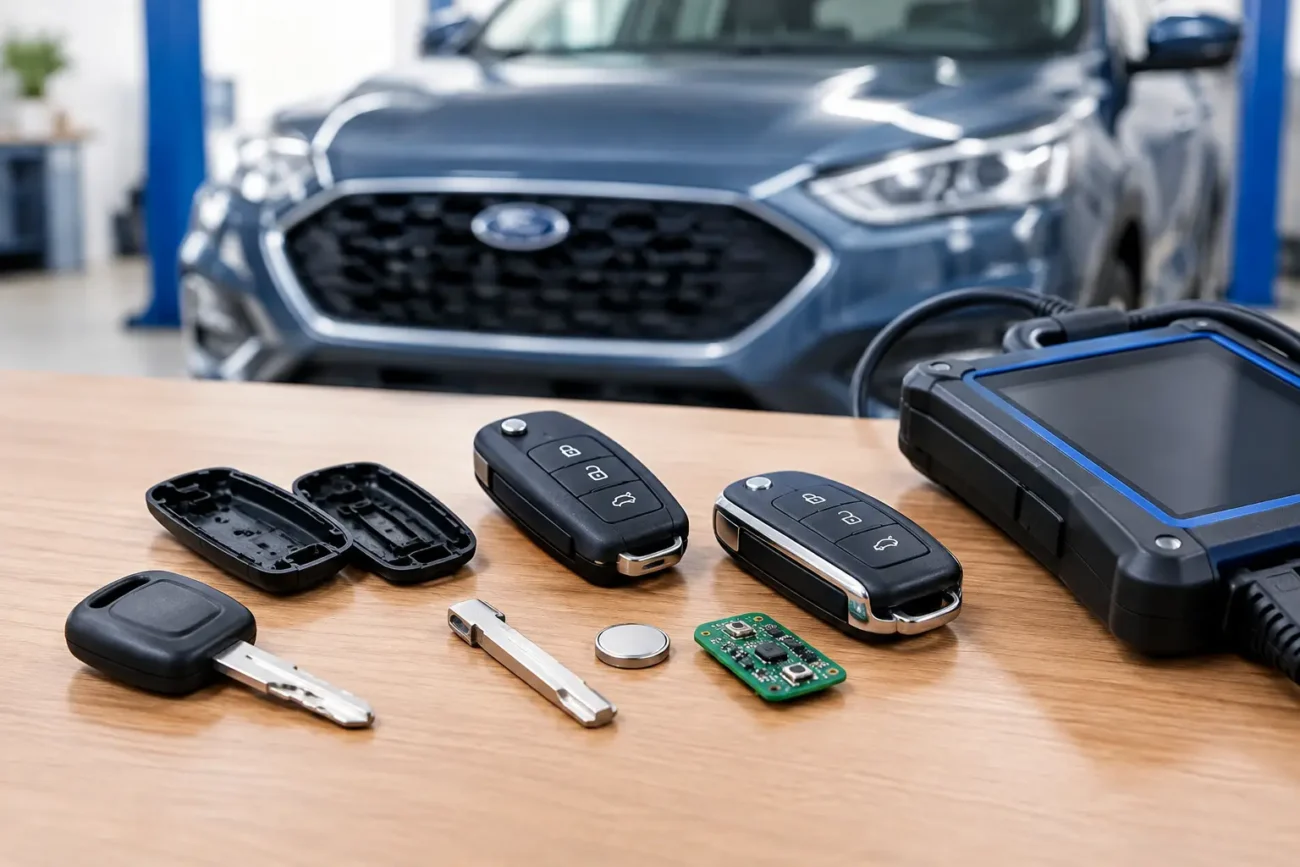
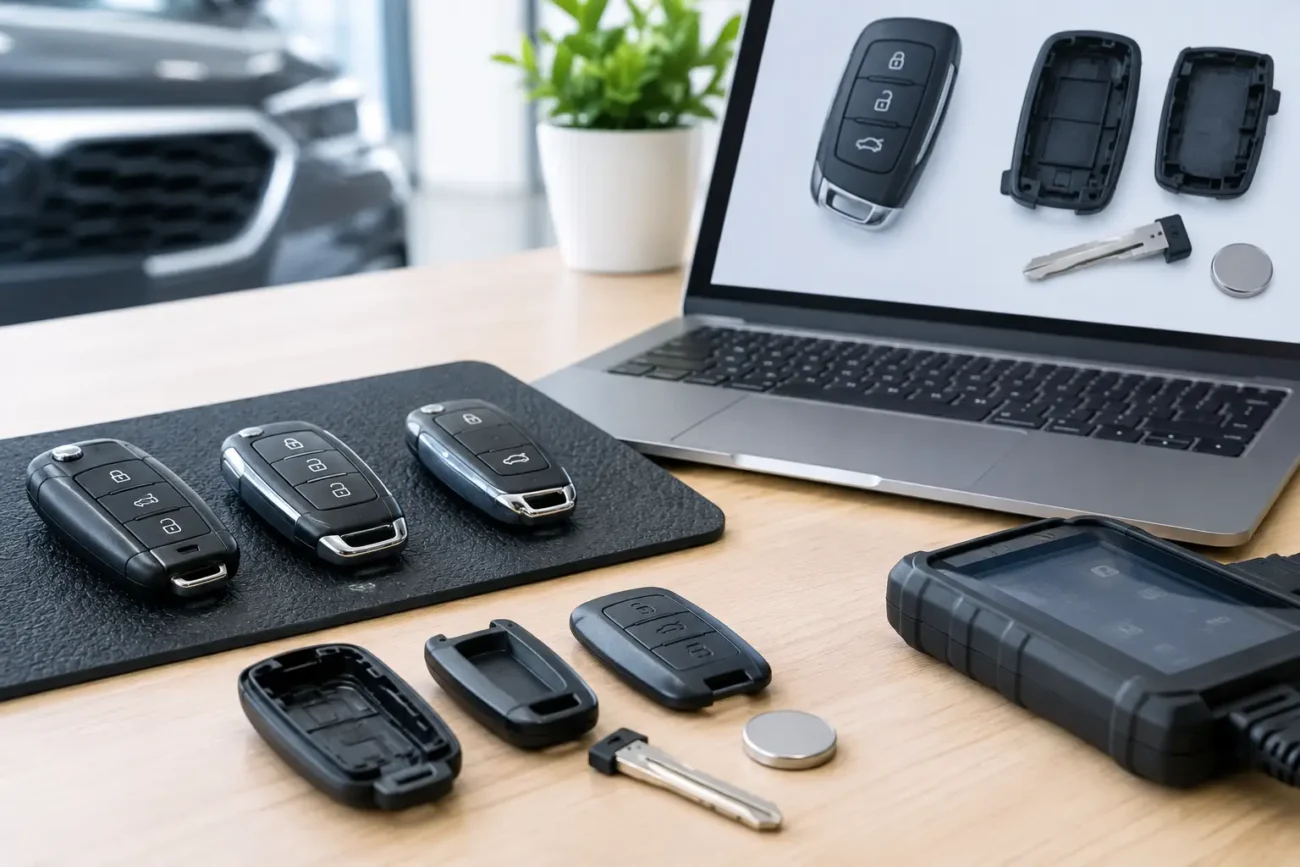
Always compare the existing key against the replacement specification. Check the number of buttons, shell shape, blade style, frequency, transponder chip type and any visible part numbers where available. If you are buying a shell, make sure the internal board layout matches. If you are buying a complete remote or smart key, the compatibility details matter even more.
For trade customers, this is standard process. For retail buyers, it is worth slowing down and checking rather than ordering based on appearance alone. A key that looks almost identical may still be wrong for your vehicle variant.
If your current key is badly damaged and the details are unclear, use the vehicle information you do have and compare it against product fitment notes carefully. Where possible, check part references from the original key before it fails completely. That is another reason not to leave the purchase too late.
When should you buy a spare key after buying a used car?
Ideally, within the first few weeks of ownership if the car came with only one key. Used vehicles often change hands with a single remote, and buyers tend to postpone replacing the missing one while they focus on tax, servicing or tyres. That delay is common, but it is still a risk.
A used car with one key is not unusual, but it should be treated as incomplete rather than good enough. You do not want your first key-related decision to happen after the only one has gone missing.
There is another benefit to acting early after purchase. You are already in the mindset of checking the vehicle properly, so it is a sensible time to confirm what key type it uses and source the correct spare. For many buyers, that is easier than trying to identify the right key months later when the issue becomes urgent.
Spare key timing for trade buyers
For professionals, timing often comes down to workflow and customer service. If a customer vehicle is already in for key shell replacement, remote repair or battery issues, that is often the right time to discuss a second key. The labour context is already there, the original key is present for comparison and the customer is already thinking about reliability.
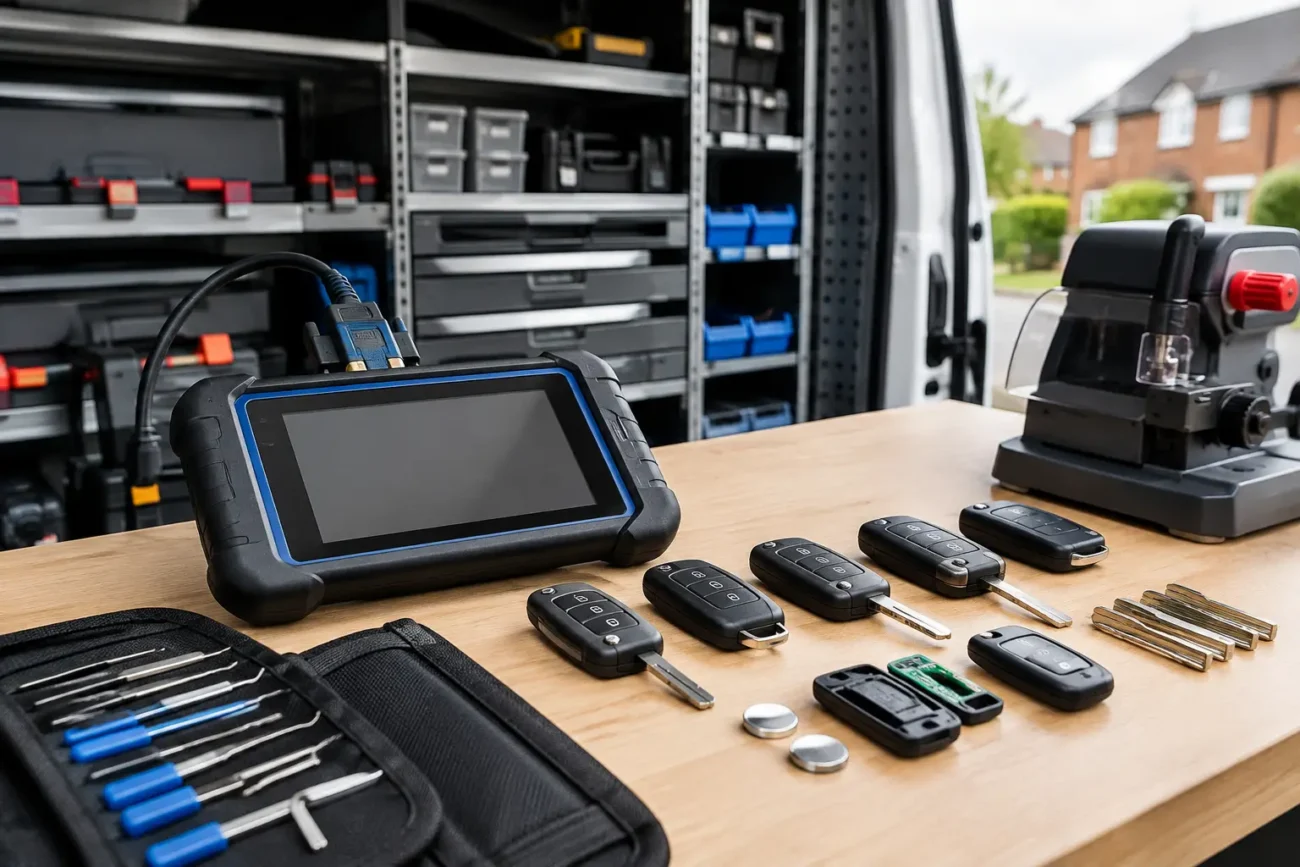
Stock planning matters too. Regular demand vehicles across Ford, Vauxhall, Peugeot, BMW, Audi, Toyota, Hyundai, Kia and other major marques can justify keeping common shells, remotes and blades available, provided fitment checks are still followed carefully. Fast access to the right part helps turn a reactive job into a planned one.
That practical, compatibility-first approach is exactly why specialist suppliers such as Global Keys Direct are useful to both retail and trade buyers – not because every key is the same, but because matching the correct product details quickly matters.
If you are still asking when should you buy a spare key, take it as the prompt. If you only have one working key, if the current one is showing wear, or if the remote is becoming unreliable, now is usually the right time to sort it properly.
Add a review
Your email address will not be published. Required fields are marked *