
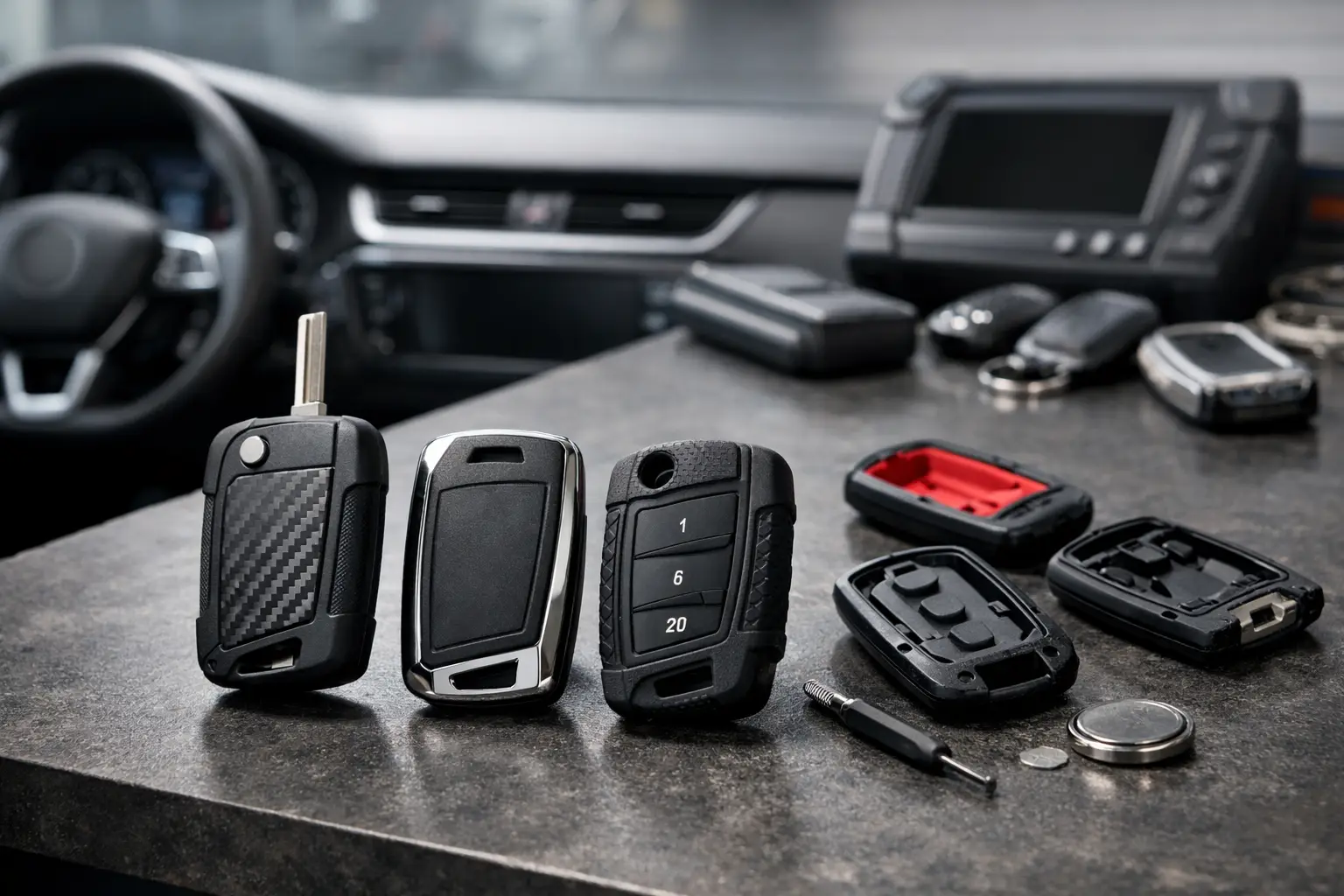
Best Remote Fob Cases for Durability
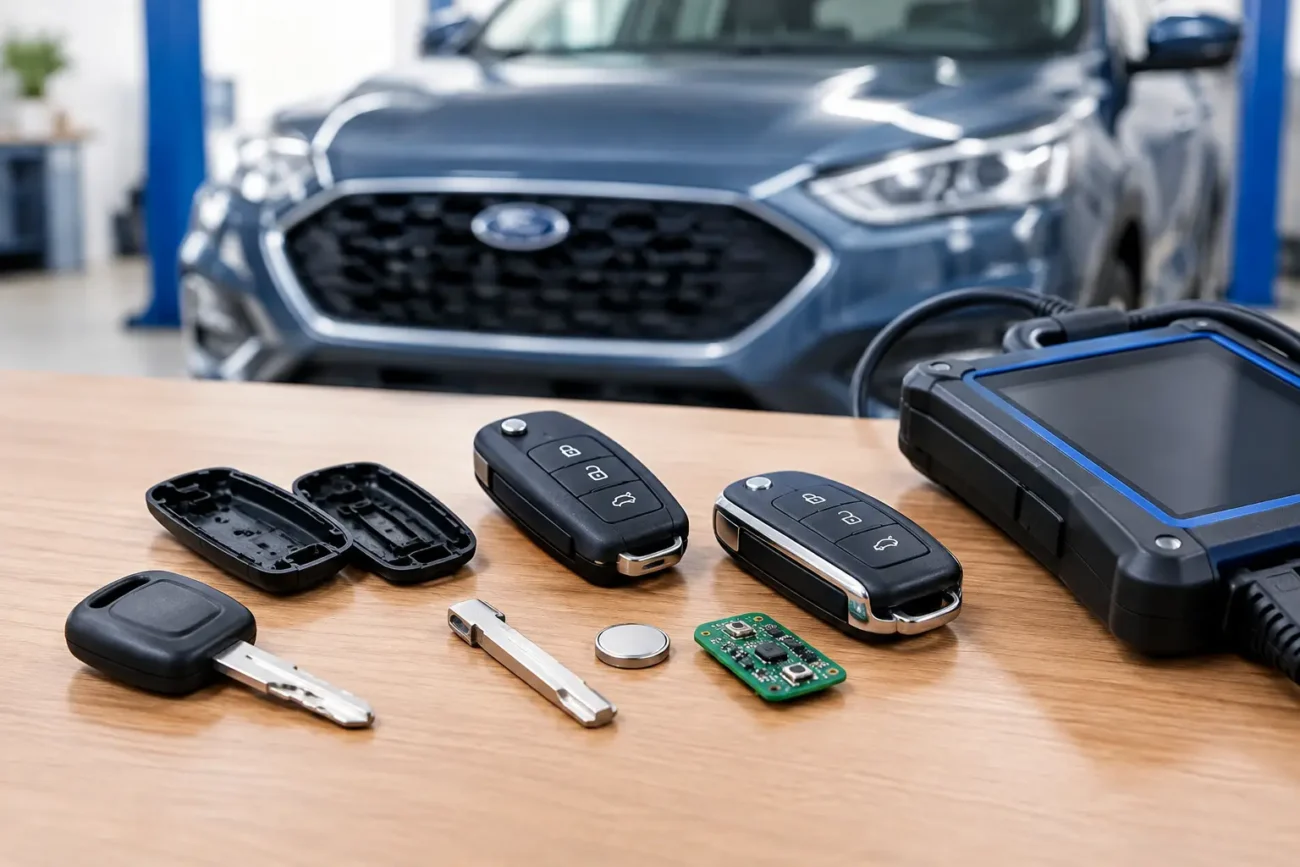
A remote fob usually fails at the casing before the electronics give up. Buttons wear smooth, key rings tear through the corner, and cracked shells start letting in pocket lint, rain and workshop dust. That is why buyers looking for the best remote fob cases for durability are usually trying to solve a very specific problem – keep a working key in service without paying dealer-level money for a complete replacement.
For some drivers, that means replacing a tired shell on the family car before it splits completely. For trade buyers, it often means choosing stock that can stand up to repeat use, van keys, bunches of workshop tags and daily handling. In both cases, durability is not just about thick plastic. It comes down to material quality, hinge design, button membrane strength, blade retention and, just as importantly, correct fitment.
What actually makes a remote fob case durable?
The strongest-looking shell is not always the one that lasts longest. In car key products, durability is usually a combination of five details working together.
The first is the plastic itself. A case made from poor-grade plastic can look acceptable out of the packet but become brittle quickly, especially with temperature changes and constant pressure in pockets, handbags or centre consoles. Better shells feel denser, with less flex around the seam and key ring area.
The second is the button section. Many worn remotes fail because the rubber buttons perish, tear or lose their shape. When that happens, the microswitches on the board can still be fine, but the user has to press harder and harder until the shell becomes frustrating to use. A durable case needs a well-formed button pad that lines up cleanly and keeps its shape over time.
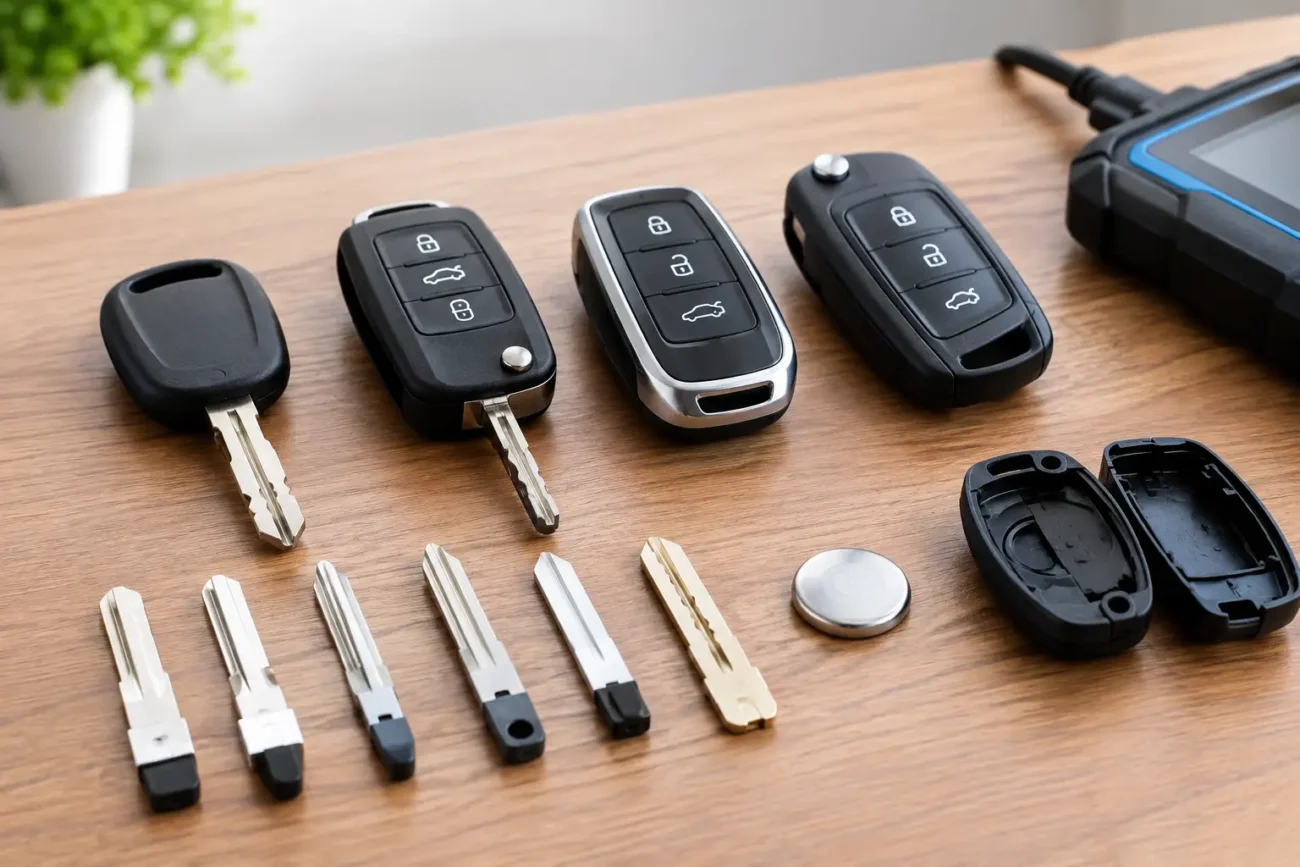
The third is the blade housing. Flip keys in particular put a lot of stress on the hinge and spring area. If the blade sits loosely, the case can develop play very quickly. On a fixed-blade remote, the stress point is often where the blade enters the shell. A weak moulding here will not age well.
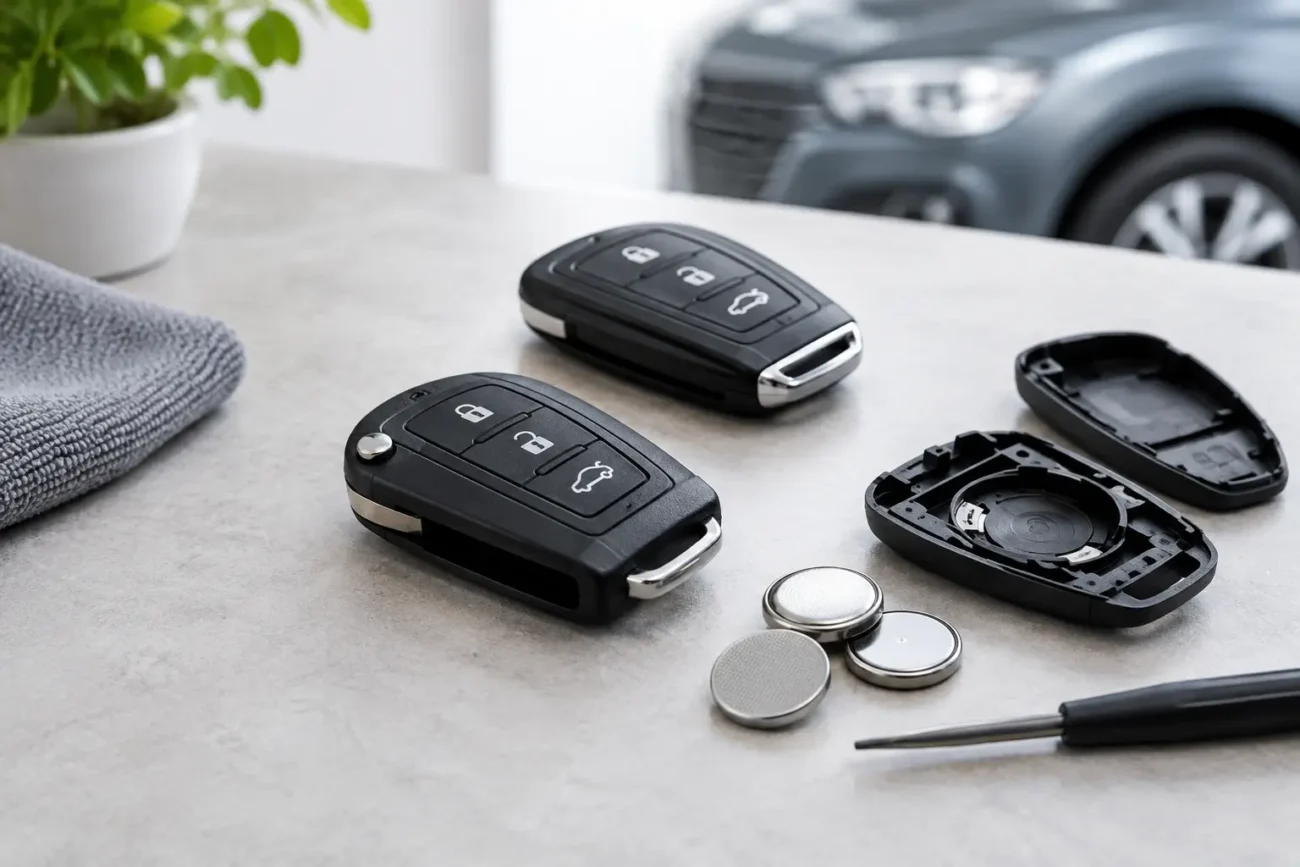
The fourth is the seam and clip design. Remote fob cases are opened for battery changes, board transfers and routine servicing. If the clips are too thin or the seam is uneven, the shell may never close properly again after the first opening.
The fifth is accurate model compatibility. Even a well-made case will wear badly if the board, battery or blade does not sit as intended. Pressure points inside the shell can distort the case, affect button movement and shorten its life.
Best remote fob cases for durability – materials and designs that hold up
If you are comparing options, ABS plastic shells are a common and sensible choice. A decent ABS case usually offers the right balance of rigidity and impact resistance for daily vehicle use. It is light, affordable and suitable for most replacement shell applications, provided the mould quality is good.
For heavier use, the better option is not necessarily a harder shell. Very rigid plastic can crack if dropped onto concrete or used on a packed key ring. In real-world conditions, a small amount of flex is useful. That is why well-manufactured aftermarket shells often outperform very cheap alternatives that feel hard but brittle.
Flip key cases deserve extra scrutiny. The release mechanism and pivot point take repeated force, so durability depends on a stable hinge and consistent blade movement. If the flip action already feels rough or loose when new, it is unlikely to improve with use. For trade jobs, that usually means avoiding shell quality that saves pennies but creates callbacks.
Smart key housings have a different wear pattern. Because there is no exposed flip mechanism on many models, the weak points are usually the button pad, battery cover and outer shell finish. A smart key case that looks smart but marks easily may still function, but cosmetic wear matters to retail buyers who want a replacement that feels close to the original key in the hand.
Silicone covers are worth mentioning, but they are not a replacement shell. They can add surface protection against scuffs and improve grip, yet they do not solve cracked housings, failed button pads or damaged blade mounts. For a remote that is already structurally worn, a proper shell replacement is the better answer.
Where cheap cases usually fail first
The key ring loop is one of the biggest failure points. This corner absorbs constant pulling, twisting and impact, especially on vehicles used for work. If the loop is thin or poorly reinforced, it can split long before the rest of the casing shows major wear.
Button membranes are another giveaway. Low-quality rubber can feel spongy or overly stiff from the start. Over time it either softens too much and tears, or hardens and stops giving clean feedback. Neither is good for daily use.
Then there is the finish. A shiny shell is not automatically poor quality, but overly thin surface coating can scuff quickly and make a replacement key look tired within weeks. This matters more than some buyers expect, especially when the job is customer-facing and presentation counts.
Finally, poor internal tolerances can make a case seem fine at first but problematic after assembly. If the board moves inside the housing or the battery sits with too much pressure, the shell can distort, clips can strain and button response can become inconsistent.
How to choose the right case for long-term use
Start with the exact configuration of the original key. Button count, blade type, battery position, shell shape and internal board layout all matter. On many vehicles, two remotes that look almost identical from the outside will have different internal architecture. This is where checking part numbers and fitment details saves time.
For professional buyers, it is worth matching shell choice to vehicle use. A lightly used spare key for a private car can be served well by a standard replacement shell. A daily-use key for a courier vehicle, site van or shared family car needs something more hard-wearing, especially around the blade mount and key ring area.
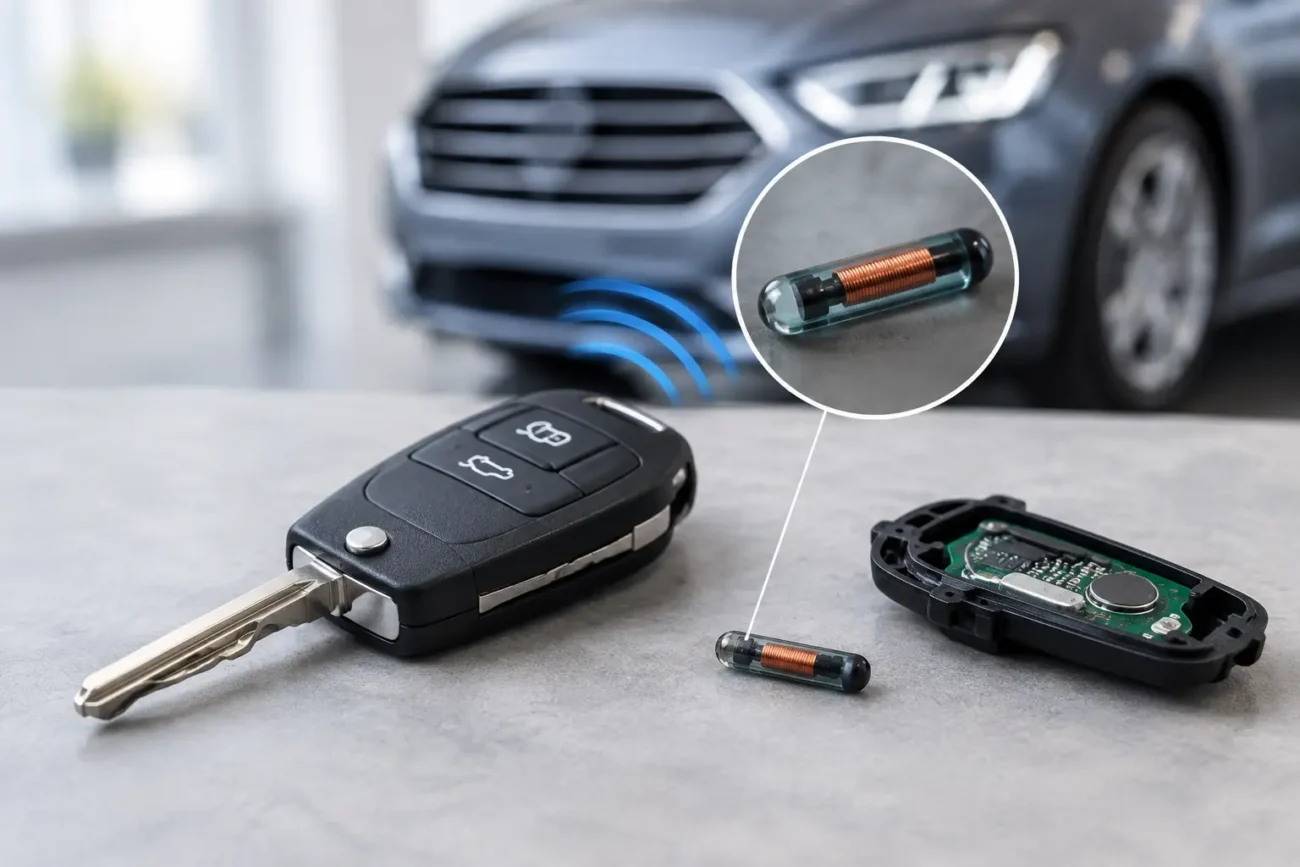
For retail buyers, the temptation is often to focus on the outside shape only. That can lead to ordering a shell that looks correct online but does not support the original board or blade properly. It is always better to compare all available product details, including button layout, blade profile, transponder position where relevant and internal shell design.
If the existing electronics are working, replacing only the shell is usually the most cost-effective route. If the remote is intermittent, has water damage or shows board corrosion, a shell alone may not be enough. Durability in that case depends on the whole key assembly, not just the outer casing.
Best remote fob cases for durability for trade and retail buyers
Trade customers and vehicle owners often want the same thing – a case that lasts – but the buying decision is slightly different.
For retail use, comfort and appearance matter alongside strength. The best shell is one that restores reliable button operation, holds the blade securely and does not feel flimsy after a month in a pocket. Buyers generally want a straightforward replacement that avoids dealer pricing and gets the original remote back into usable condition quickly.
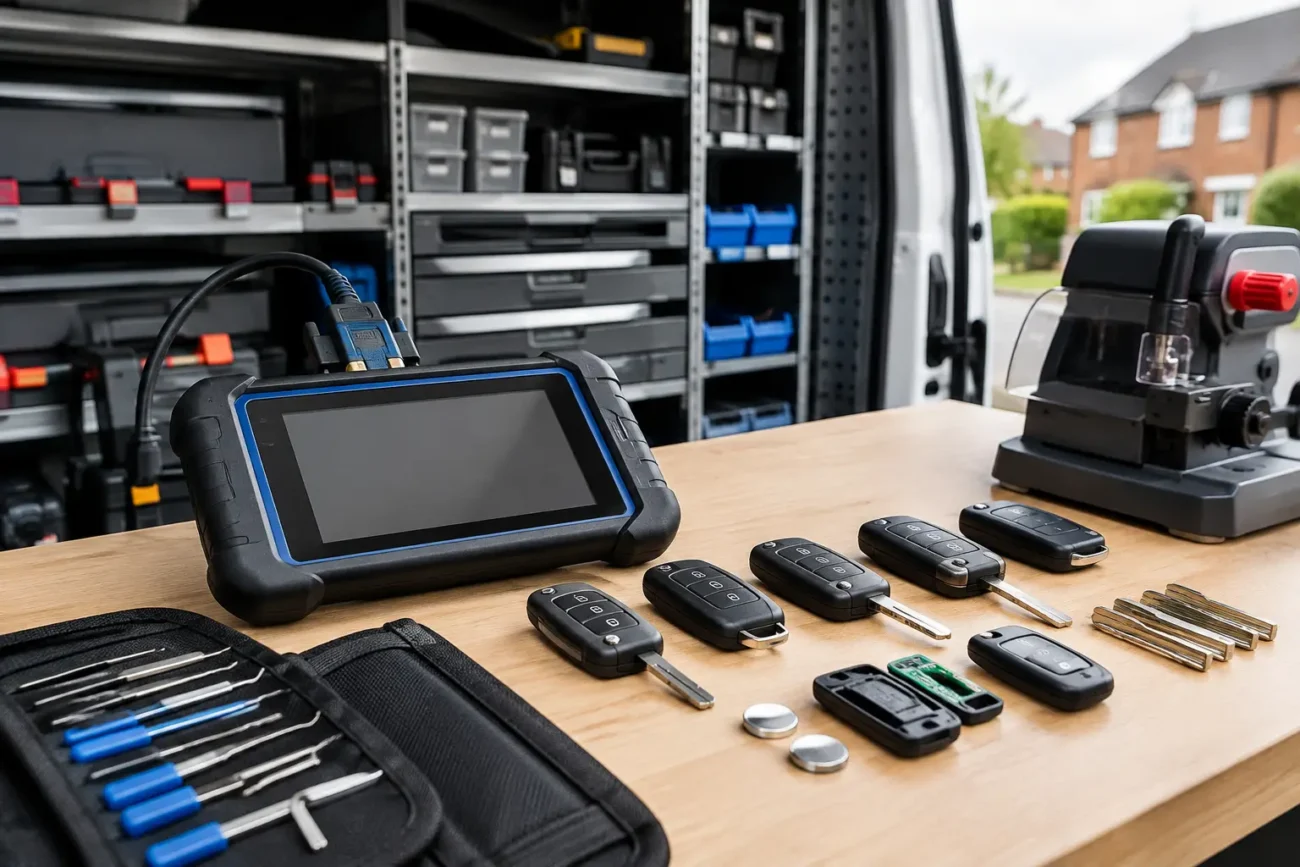
For locksmiths, garages and key specialists, repeatability matters just as much as durability. A shell should assemble cleanly, accept the original components without forcing, and leave the customer with a finished key that feels correct in hand. If a case needs excessive adjustment or never closes neatly, it is not efficient stock, even if the headline price looks attractive.
This is where a specialist supplier with broad brand coverage is useful. Global Keys Direct, for example, serves both everyday replacement buyers and trade customers by focusing on compatibility detail across major makes rather than offering one-size-fits-all key products. That matters when durability depends so heavily on model-specific fit.
A realistic view on longevity
No remote fob case is indestructible. A shell on a heavily used work vehicle will wear faster than one on a weekend car, and flip keys generally face more mechanical stress than simple fixed-blade designs. Keys that live in overfilled pockets, get dropped on concrete or hang from bulky key rings will always have a harder life.
That said, a well-made replacement case should give years of service if the fit is correct and the internal components are transferred carefully. The difference between a short-lived shell and a dependable one is usually not marketing language. It is the quality of the moulding, the button design and whether the product was chosen to match the original key properly.
If you are weighing up the best remote fob cases for durability, the practical answer is to look past appearance and focus on the parts that actually fail in use. Check the shell design, verify the fitment details and choose a case built for the way the key is used, not just the way it looks on a screen. That approach usually saves money, avoids repeat replacements and leaves you with a key that feels right every time you pick it up.
Add a review
Your email address will not be published. Required fields are marked *