
How Much Is a Replacement Car Key?
Losing a car key rarely happens at a convenient moment. You are usually outside the house, late for work, or stranded with one damaged remote and no spare. If you are asking how much is a replacement car key, the honest answer is that it depends on the key type, the vehicle, and whether you need cutting, programming, or both.
For most UK drivers, the price can range from under £20 for a simple replacement shell to £250 or more for a fully programmed smart key. That is a wide range, but there is a reason for it. A basic manual key, a flip remote and a proximity smart key are completely different products, even though they all do the same basic job of getting you into the car and letting you drive away.
How much is a replacement car key in the UK?
The quickest way to think about cost is by key category. A plain non-remote key for an older vehicle is often the cheapest option. If you only need a shell because the buttons have worn through or the case has snapped, that can be cheaper again. Once remote locking, transponder chips and proximity start functions enter the picture, the price rises.
Typical UK price ranges look like this:
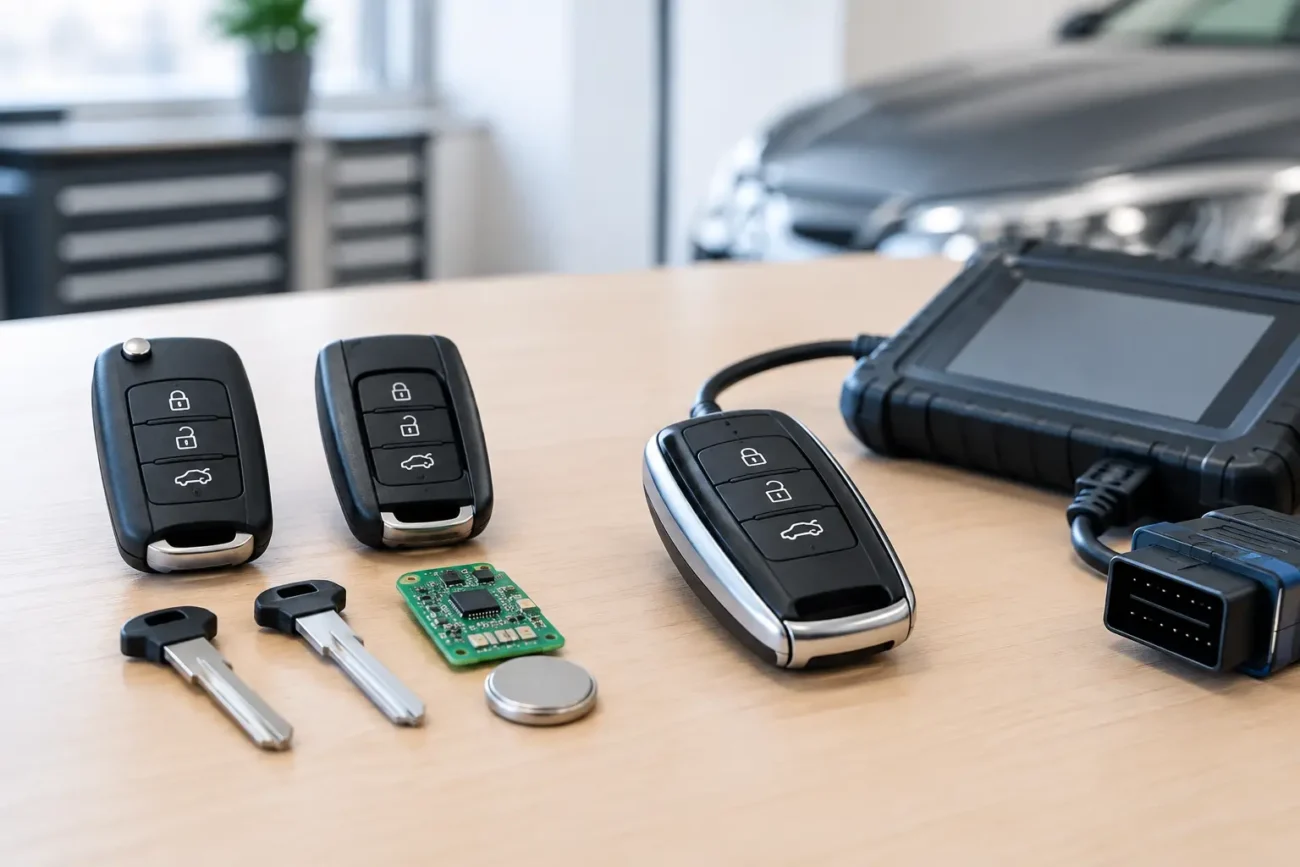
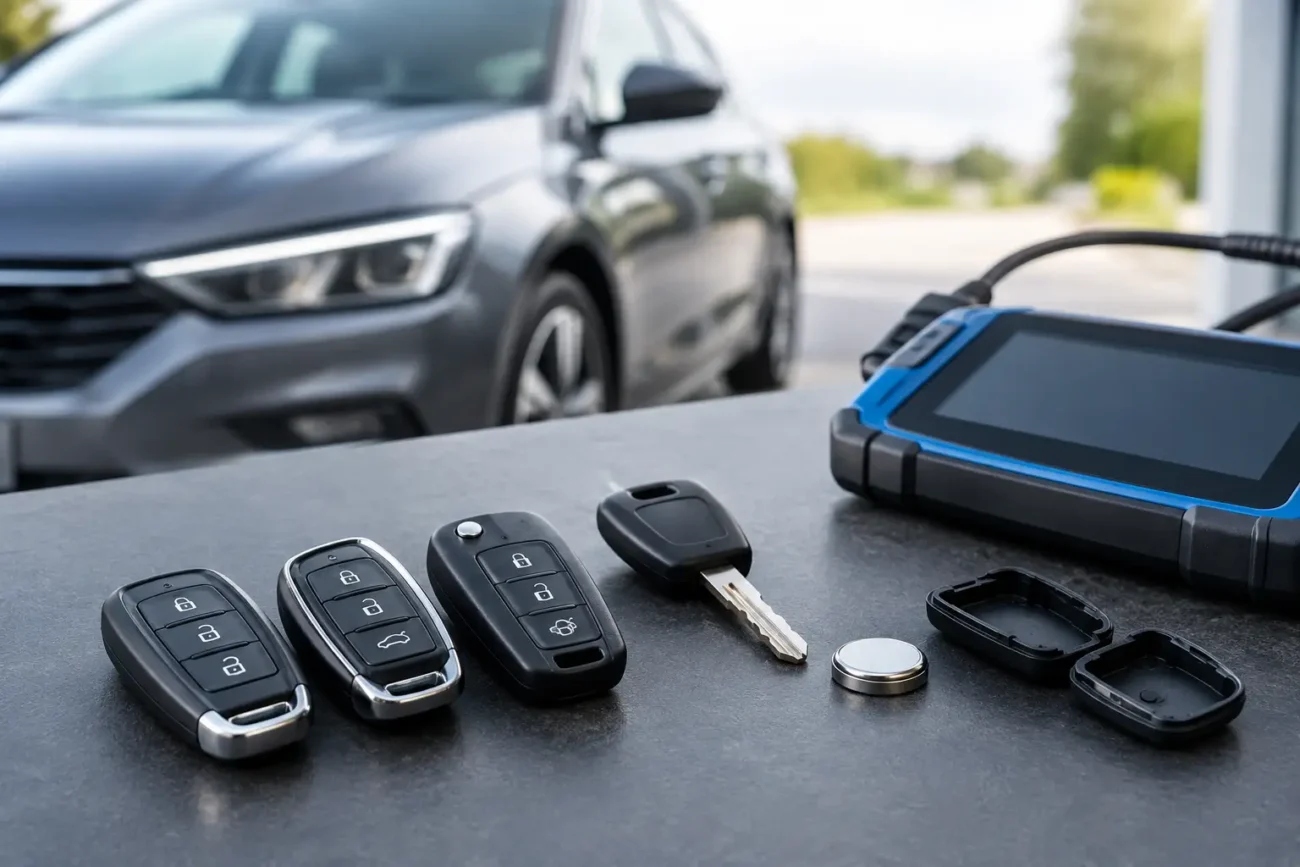
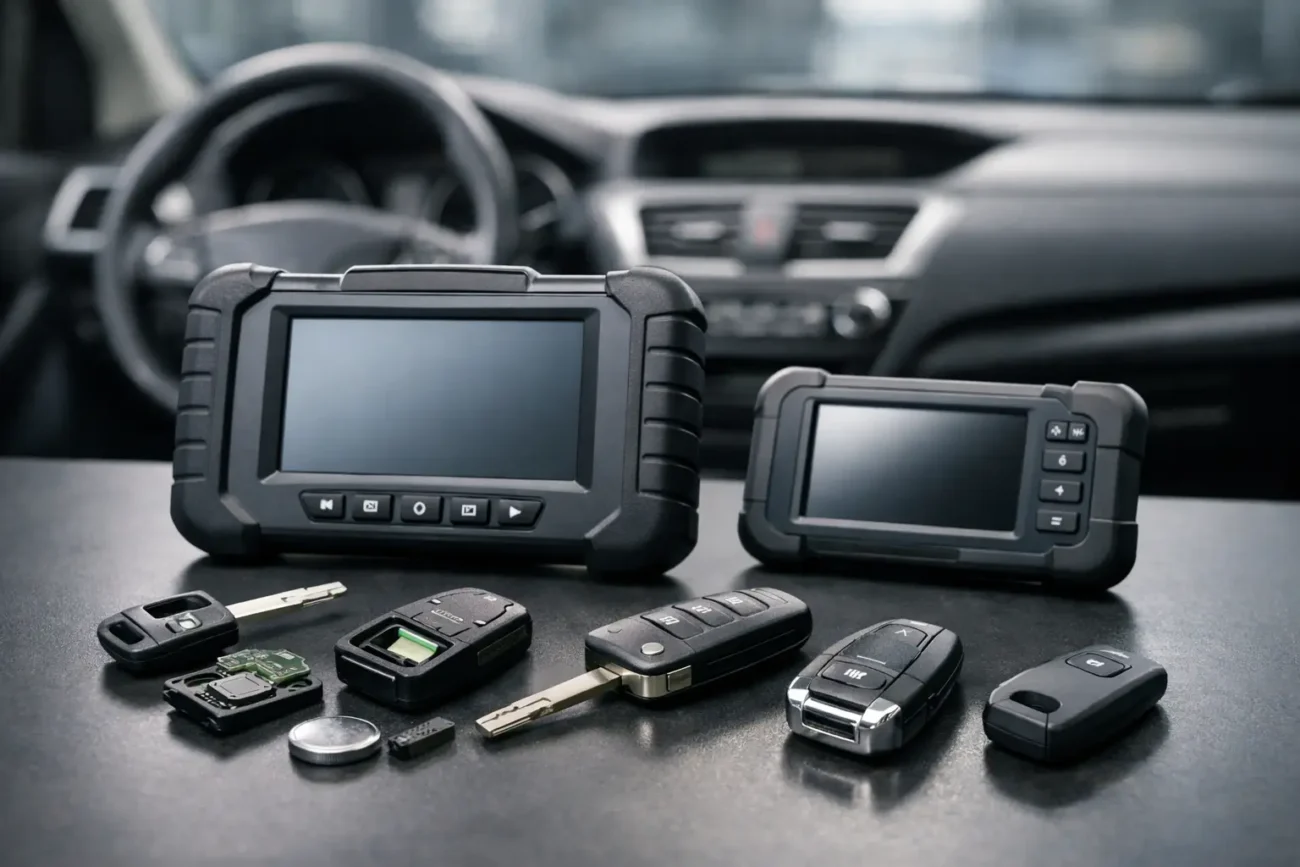
A replacement key shell might cost around £5 to £25, depending on design and button layout. A basic transponder key is often around £20 to £60 before cutting and programming. A remote fob key commonly sits between £30 and £120 for the part, while a flip key can fall between £40 and £150. Smart keys for keyless entry and push-button start vehicles are often £80 to £250 or more, especially on premium marques.
Those figures are useful as a guide, but they do not tell the whole story. The final bill usually depends on whether the key comes complete with electronics, whether the blade is included, what chip type it uses, and whether the vehicle accepts straightforward programming or needs specialist equipment.
What actually affects replacement car key cost?
The biggest factor is key technology. Older cars often use a simple blade and a fixed transponder chip. Newer models may use encrypted systems, proximity functions, or brand-specific smart key platforms. The more security built into the key, the more specialised the replacement process becomes.
Vehicle make and model also matter. A replacement key for a common Ford, Vauxhall or Peugeot may be easier to source than one for a higher-spec BMW, Mercedes or Land Rover. Some manufacturers use widely available aftermarket-compatible solutions, while others require more model-specific stock and more advanced programming procedures.
Another cost point is whether you need the complete key or just one component. In many cases, the electronics still work and only the shell is damaged. If the buttons have split, the hinge has failed on a flip key, or the blade is worn, replacing the shell or blade can be a practical low-cost fix. If the circuit board has failed or the immobiliser chip is missing, you are into full replacement territory.
Then there is programming. Some keys can be synchronised relatively easily. Others need dedicated diagnostic or key programming tools, PIN code access, EEPROM work, or on-board procedures that vary by manufacturer. For trade buyers, this is routine job costing. For retail customers, it is often the difference between a budget repair and a more expensive replacement.
Cheapest option vs full replacement
If your car key still starts the vehicle but looks tired, the cheapest route is often not a new key at all. Replacing a worn shell, rubber button pad or key blade can restore everyday use without replacing the chip and remote board.
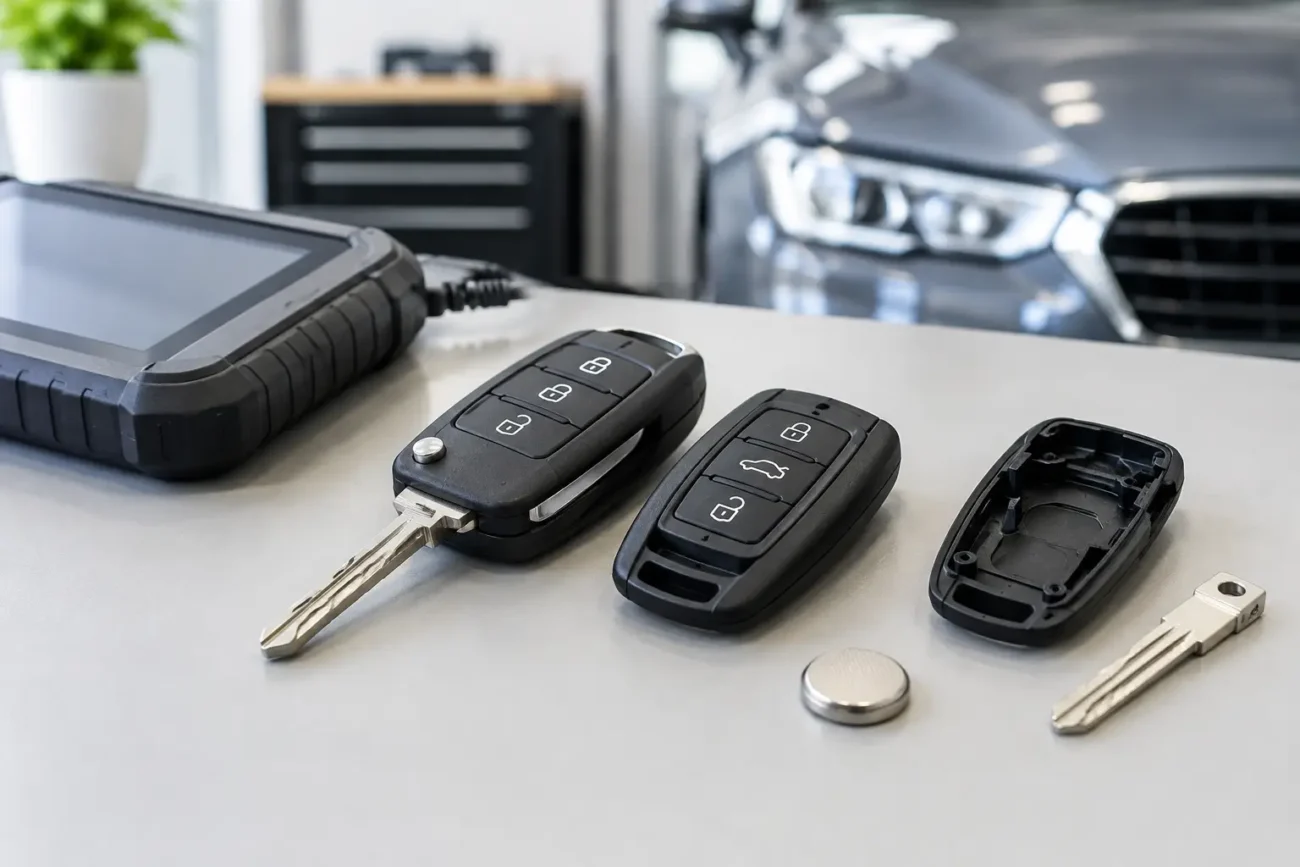
This is especially common with flip keys. The folding mechanism can break while the internals remain perfectly serviceable. In that case, moving the existing board and transponder into a new shell keeps costs down. The same applies to many remote fobs where the outer case is the only failed part.
By contrast, if all keys are lost, the job becomes more involved. A lost-all-keys situation may require a brand new key, blade cutting, full programming and in some cases immobiliser system work. That is why people are often surprised by the jump in cost from replacing a damaged spare to replacing the only working key.
Dealer prices compared with aftermarket options
Main dealer replacement is usually the most expensive route. You are often paying not just for the key itself, but for dealer labour rates, ordering systems and manufacturer pricing structures. On some vehicles, that may still be the right option, particularly where software access is tightly controlled.
However, many drivers and trade customers look at quality aftermarket options because they can be significantly more cost-effective. A well-matched aftermarket remote, shell or smart key can reduce parts cost without sacrificing day-to-day functionality, provided compatibility is checked properly.
That is the key point – compatibility matters more than headline price. Frequency, chip type, button configuration, blade profile and vehicle coverage all need to match. A cheaper key that is not compatible is not a saving. It is wasted time and another job to fix.
How much is a replacement car key for common key types?
For older manual or transponder keys, replacement is usually straightforward. If there is no remote locking involved, parts prices tend to stay low. Cutting and coding may still be required, but the overall cost is generally manageable.
Remote fob keys sit in the middle. They are common across many UK vehicles and can be a sensible replacement option when the original fob has failed, gone missing or taken too much wear. Pricing depends heavily on whether the remote board is included and whether the transponder is integrated.
Flip keys are another common category, especially on Ford, Volkswagen Group models, Vauxhall and others. Costs vary because some jobs only need a shell, while others require the full remote key with chip and blade. If the hinge has snapped but the electronics are intact, the repair is usually much cheaper than a complete replacement.
Smart keys are the highest-cost category in most cases. These are the slim proximity units used with keyless entry and push-button start. They often involve higher part costs and more advanced programming. Premium vehicle brands push the figure higher again.
Why the same car can still have different key prices
Even within one model range, replacement costs can vary. A base trim may use a standard remote key, while a higher trim uses a smart key. A mid-cycle facelift can introduce a different frequency or board layout. Some models also changed systems between production years.
That is why vehicle registration alone is not always enough. Buyers often need to check part numbers, button count, key shape, frequency and chip details before ordering. For trade customers, this is standard practice. For retail buyers, it is worth taking an extra minute to confirm specifications before purchasing.
Spare key now or emergency key later?
If you still have one working key, getting a spare made now is usually the cheaper decision. Once you are down to a single key, any damage, battery leak or accidental loss turns the job into an urgent and potentially more expensive problem.
A spare also gives you more flexibility. You can shop by compatibility, compare options, and arrange cutting or programming at a convenient time rather than paying a premium when you are stuck. For many motorists, the best value move is not waiting until there are no keys left.
What trade buyers should factor into pricing
For locksmiths, garages and key programmers, the answer to how much is a replacement car key goes beyond the ticket price of the part. Job profitability depends on stock accuracy, programming time, return rates and whether the chosen key platform is consistent across multiple jobs.
A lower-cost remote that saves a few pounds on purchase price can become expensive if compatibility is inconsistent or programming success rates are poor. Reliable supply, model-specific fitment and clear technical identifiers matter just as much as wholesale pricing. That is one reason professional buyers tend to source from specialist suppliers rather than generalist marketplaces.
So what should you expect to pay?
If you need a basic answer, most UK replacement car key jobs land somewhere between £20 and £250 depending on the vehicle and the type of key. Shell-only repairs sit at the low end. Fully programmed smart keys for newer or premium vehicles sit at the top end.
The best starting point is to identify exactly what has failed. If it is just the casing, your cost may be modest. If you need a complete remote or smart key, check the frequency, chip and model compatibility first. That keeps the process faster, avoids ordering errors, and usually saves money compared with replacing the wrong part twice.
If you are buying for yourself or for customer jobs, accurate fitment is what keeps replacement car keys affordable. Get that right, and the cost is usually far more manageable than most people expect.

Add a review
Your email address will not be published. Required fields are marked *