
Hyundai Replacement Key Shells: Buy the Right Fit
A cracked Hyundai remote case can make an otherwise working key feel unreliable every time you use it. Hyundai replacement key shells offer a cost-effective answer when the electronics, immobiliser chip and remote functions still work, but the outer casing, buttons or blade holder have worn out.
For many drivers, replacing the shell is preferable to buying a complete remote key. It retains the working internal components you already have and can restore a tidy, secure feel to the key. For locksmiths and garages, shells are also a practical stock item for routine refurbishment jobs. The important part is buying by specification, not simply by vehicle badge.
When a Hyundai key shell is the right repair
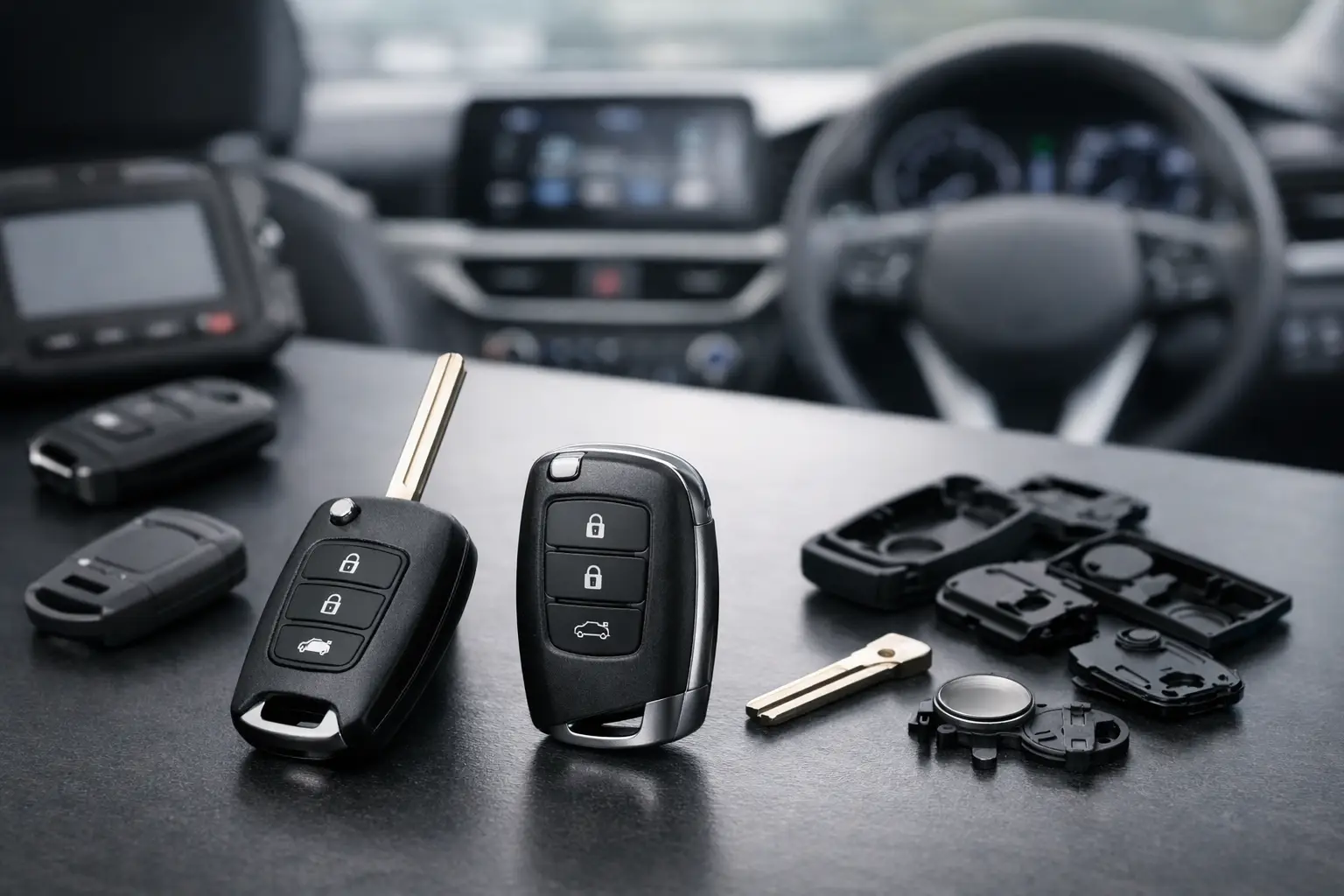
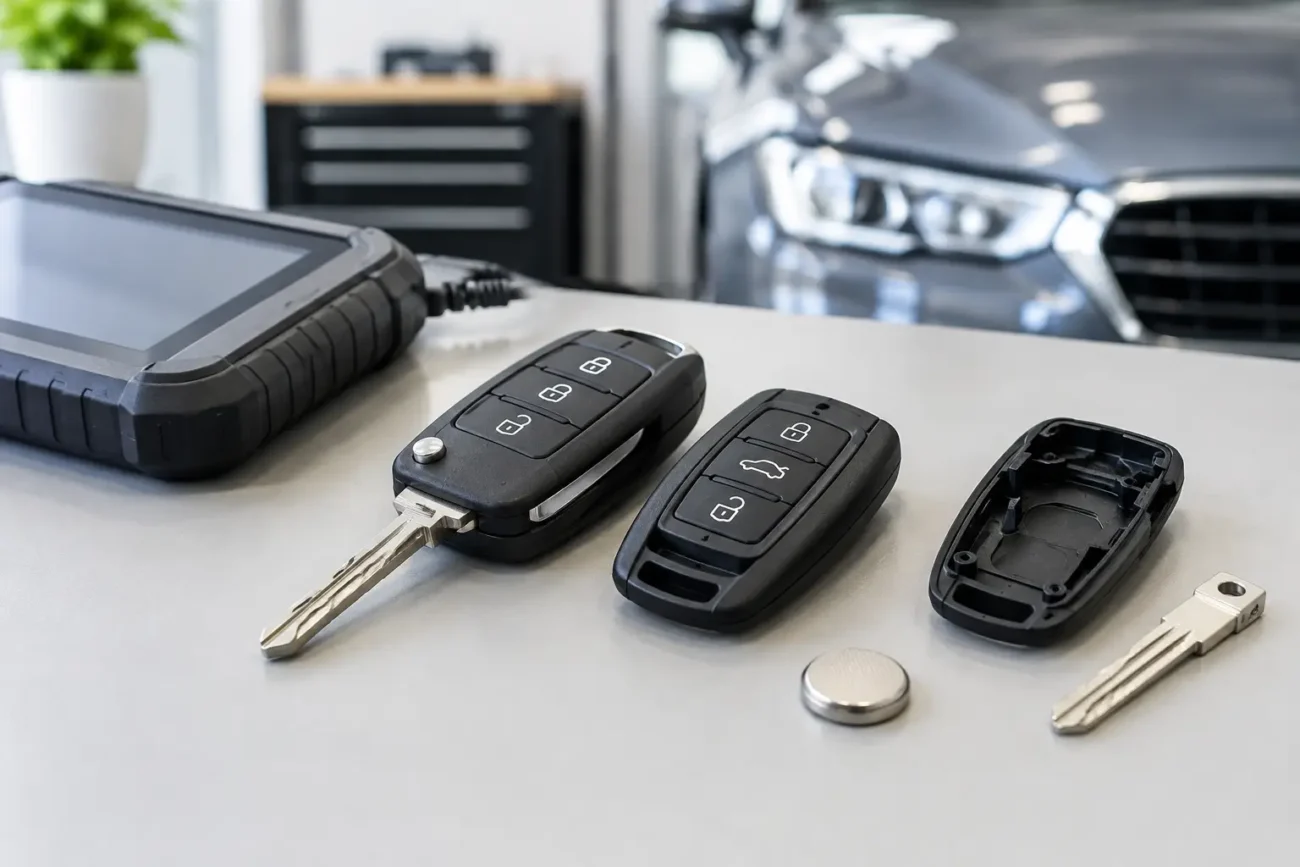
A replacement shell is designed to replace the plastic housing and, depending on the style, may include a new key blade, battery cover, button pad, transponder holder and pivot mechanism. It does not normally include a programmed circuit board, battery or working transponder chip.
That makes a shell a sensible option if your Hyundai key still locks and unlocks the vehicle, starts the engine and has no signs of electronic damage. Common reasons to replace the casing include split seams, broken key rings, missing buttons, a loose flip blade, worn button symbols or a battery cover that will no longer stay closed.
It is not always the right answer. If the remote has stopped transmitting, has been through a wash, has corrosion on the circuit board or will not start the car after a battery change, the fault may be in the electronics rather than the housing. A replacement remote, smart key or professional diagnostic assessment may be needed instead.
Choosing Hyundai replacement key shells by specification
Hyundai has used a wide range of key designs across its model range and model years. An i10 key can look broadly similar to an i20 or Tucson key while using a different blade profile, internal board layout or button arrangement. The fact that a shell resembles your existing key is useful, but it is not enough to confirm fitment.
Start with the number of buttons. Match the layout exactly, including whether the boot release is present and the position of each button. A two-button shell will not properly house a three-button circuit board, even where the outside dimensions appear close.
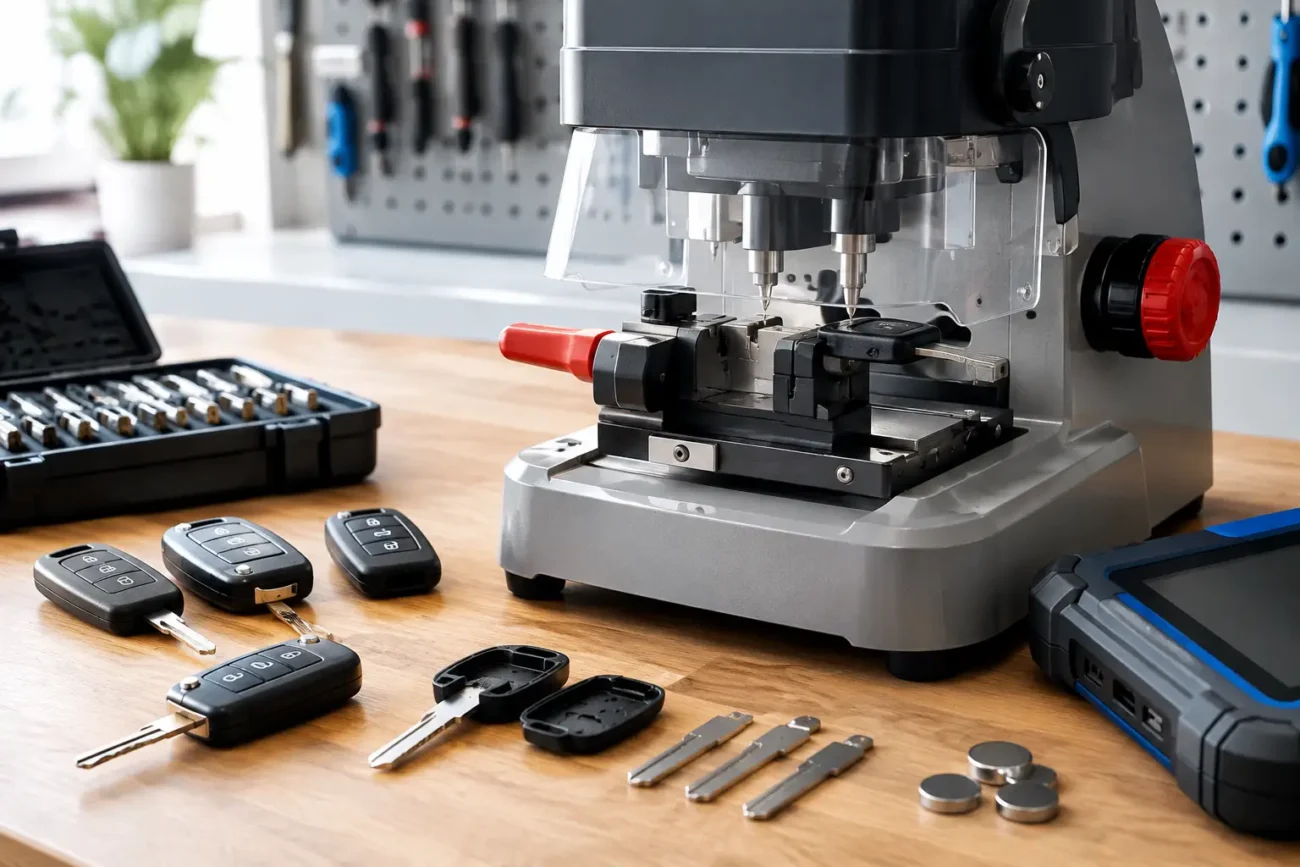
Next, inspect the blade. Hyundai replacement key shells may be supplied with a fixed blade, a flip blade or no blade at all. Where a new uncut blade is included, it will need cutting to match your vehicle’s existing mechanical key. The blade profile and mounting arrangement both matter. Compare the original blade to product photographs and fitment details, rather than relying on the vehicle model alone.
The internal construction deserves the same attention. Check the location of the battery contacts, circuit board clips, transponder recess and blade pivot. Some Hyundai remotes hold the immobiliser transponder in a separate small capsule inside the shell. Others integrate it into the electronic board. If a separate chip is present, it must be transferred carefully into the corresponding holder in the new case.
Part numbers provide another useful reference point. A number printed on the original casing, circuit board or key label can help narrow down the correct style. For trade buyers handling several variants, photographs of both sides of the original board and the opened shell are often the quickest way to avoid ordering the wrong case.
Flip keys, fixed-blade keys and smart keys
A flip key has a spring-loaded blade that folds into the remote body. Its shell needs the correct pivot, spring arrangement and blade mounting point. If the blade does not sit flush when folded or feels loose at the pivot, it may be the wrong design even if the buttons line up.
A fixed-blade remote has the blade permanently extending from the case. These tend to be simpler to re-shell, but the board shape and transponder position still need checking. Do not assume all fixed-blade Hyundai keys use the same internal moulding.
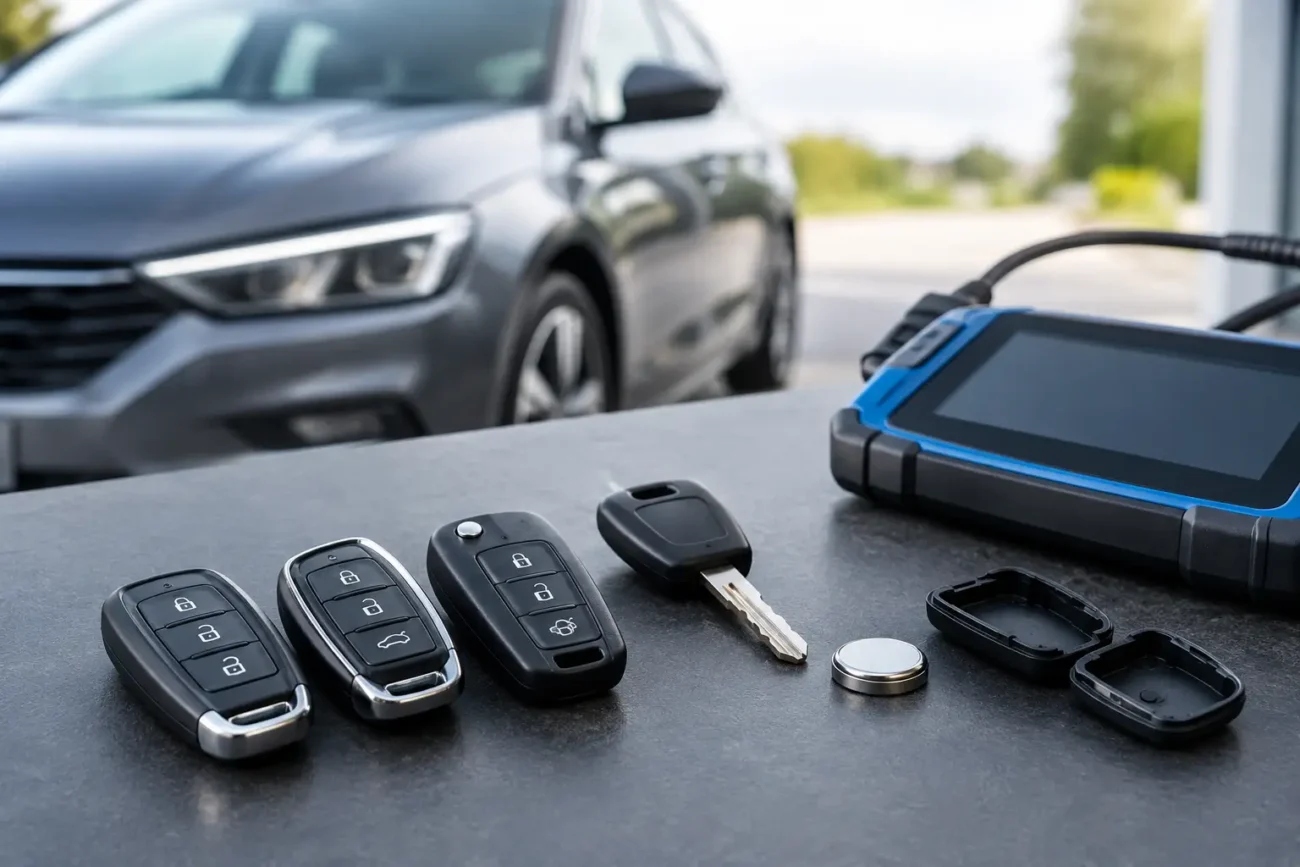
Proximity smart keys are different again. They are usually larger, blade-less fobs used with keyless entry and push-button start systems, often with an emergency insert blade. Smart key shells must match the exact fob shape, button layout, emergency blade format and internal board fixing points. A cosmetic match is particularly risky here because smart key boards vary significantly between platforms.
What a shell replacement can and cannot solve
A well-matched shell can improve the day-to-day usability of a Hyundai key immediately. Fresh button pads can make button presses more positive, a secure casing protects the circuit board, and a replacement key ring loop stops the key being held together with tape or an improvised split ring.
It can also prevent a small physical fault becoming a more expensive one. When a case opens unexpectedly, moisture, dirt and impact can reach the board or battery. Rehousing the key before that happens is usually the sensible route.
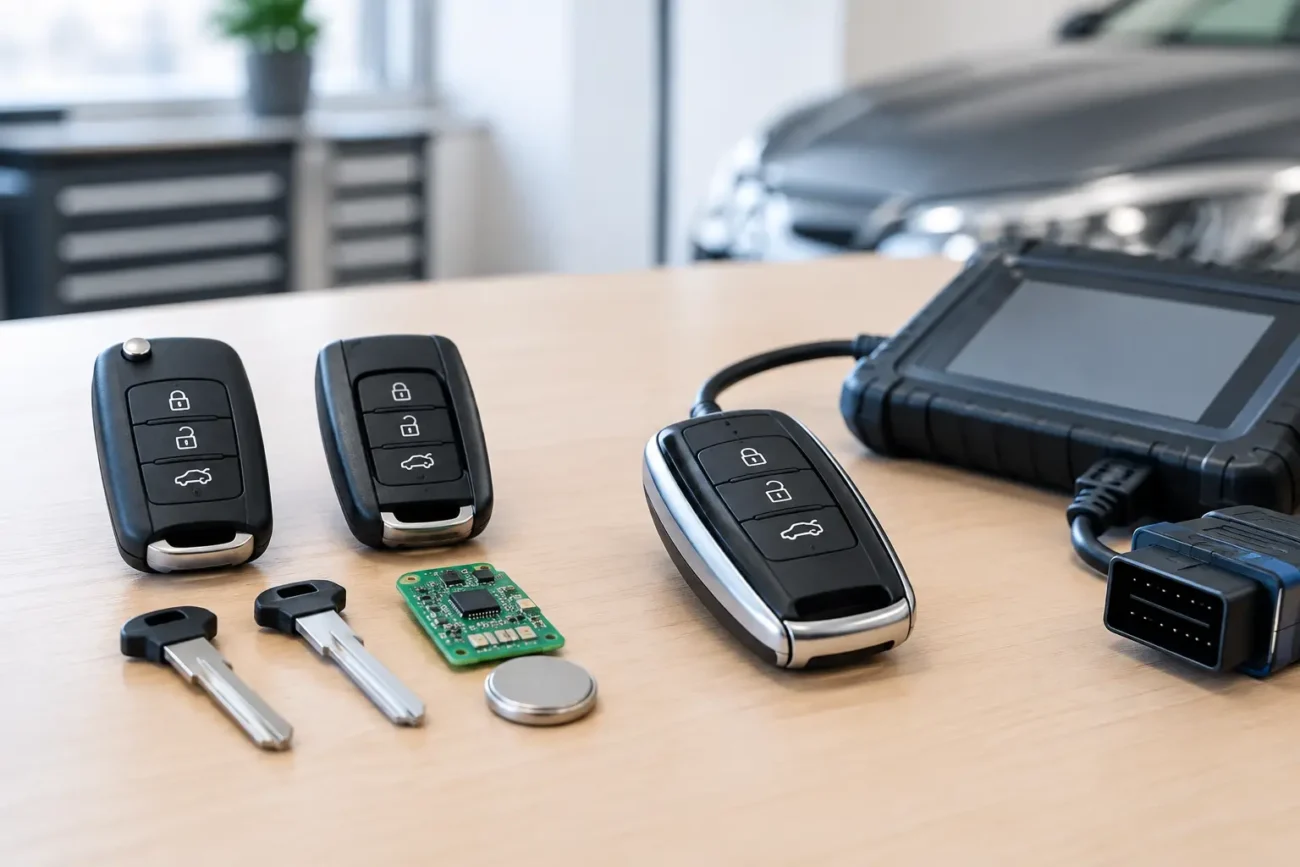
However, a shell will not programme a key, repair a faulty remote board or create a spare key. If you transfer the original working board and immobiliser chip into a compatible shell, the vehicle should continue to recognise those original components. No programming is generally required for that transfer alone. If you are fitting a new remote board, transponder or smart key, programming requirements depend on the Hyundai system and the specific key supplied.
A careful approach to transferring the internals
Before opening the old key, work on a clean, well-lit surface and have the new shell ready for comparison. Take a clear photo of the original internal layout. This is especially helpful when a separate chip, small spring or blade-retaining pin is involved.
Open the old casing gently at its intended seam. Excessive force can crack the circuit board, damage the battery contacts or lose a small transponder chip. Move the board into the new shell without touching or bending any components unnecessarily, then transfer the battery in the same orientation. If the key uses a separate immobiliser chip, make sure it sits fully in its dedicated recess rather than loose inside the housing.
For flip key designs, take extra care with the blade spring. The spring needs the correct tension and position for the blade to fold and release properly. If the mechanism does not reassemble naturally, stop and compare the old and new shell rather than forcing it. Forcing a pivot can damage the new case or leave the blade unsafe to use.
Once assembled, test the remote buttons and check that the casing clips together evenly. Confirm that the blade folds, releases and turns smoothly where applicable. Test the key at the vehicle only after checking the battery cover and all shell sections are secure.
Avoiding the most common ordering mistakes
The most frequent error is ordering from a broad vehicle description such as “Hyundai i30 key” without checking the original key. Hyundai models can span several generations, facelifts and key systems. A shell listed for one production period may not fit another.
Buyers also sometimes overlook a missing transponder holder. A shell can have the right number of buttons and still be unsuitable if there is nowhere to secure the original chip. Equally, a replacement blade may look correct in product images but use a different groove pattern or fixing point.
For the best chance of a straightforward repair, compare these details before ordering:
- Button count, icons and their exact layout
- Fixed, flip or proximity smart key format
- Original blade profile and blade attachment method
- Circuit board shape, clip positions and battery location
- Separate transponder chip recess, where fitted
- Part numbers and stated vehicle fitment details
Global Keys Direct stocks vehicle-compatible key products for both retail and trade customers, with specification-led listings intended to make these comparisons clearer. Checking the product description against the original key remains essential, particularly where a model has several key variants.
A practical repair that keeps a working key in service
A Hyundai key shell replacement is a small job, but it rewards accuracy. The cheapest-looking case is not good value if the board does not sit correctly, the blade mechanism is wrong or the transponder cannot be secured. Match the key in your hand to the product details, transfer the original components with care and you can give a functional remote a clean, dependable second life without paying for parts you do not need.
Add a review
Your email address will not be published. Required fields are marked *