
CR2032 versus CR2025 Key Batteries Explained
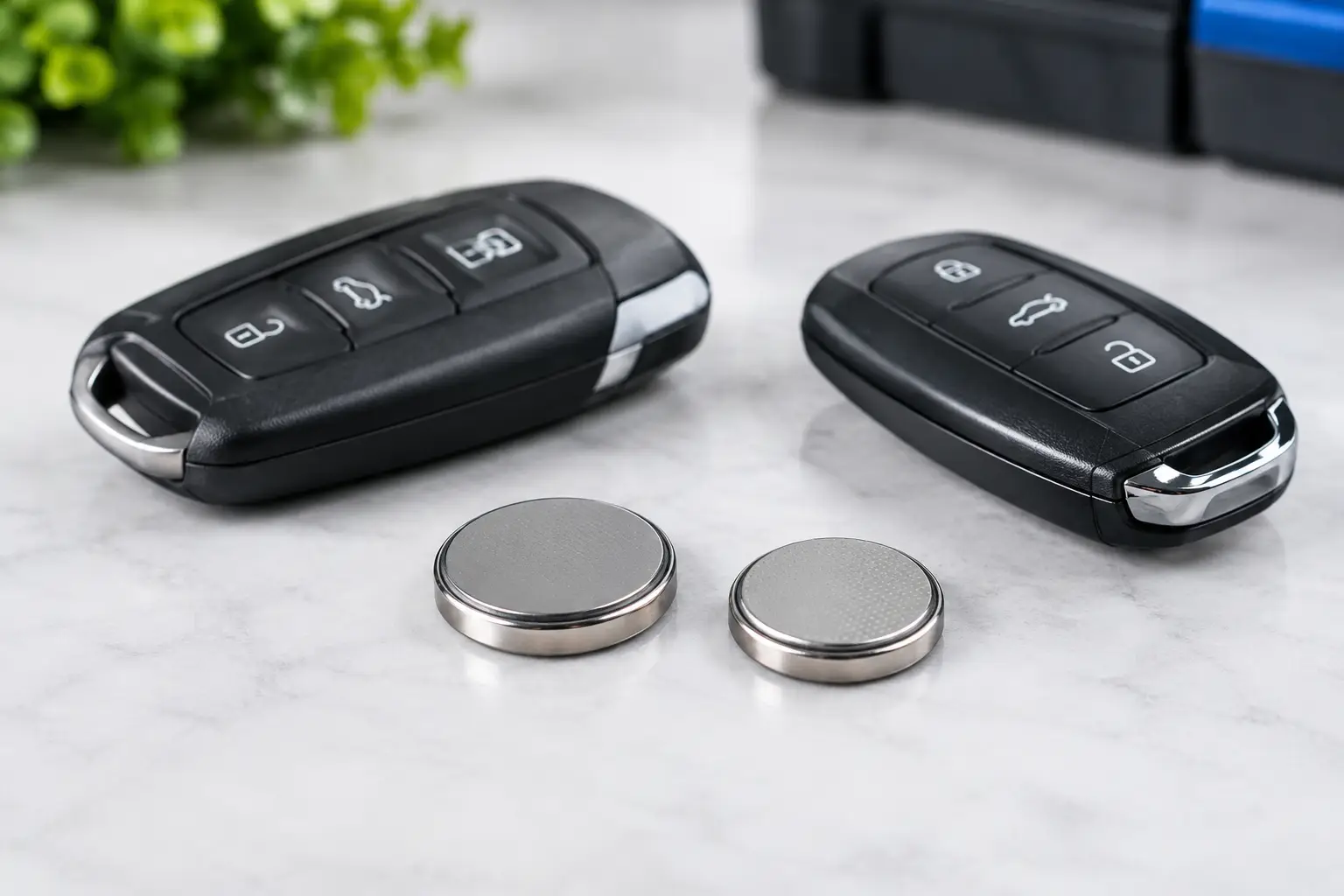
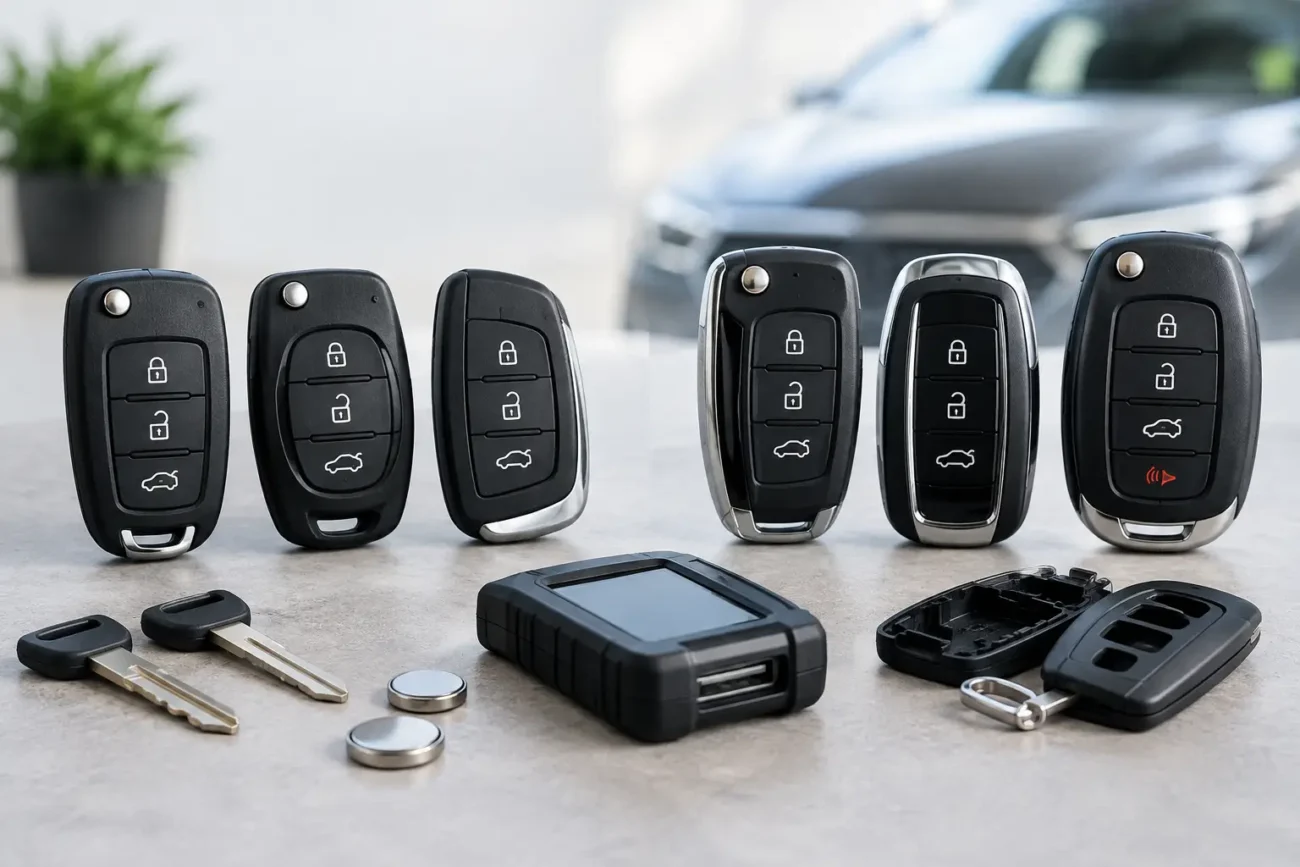
A key fob that works only when held close to the car is often asking for one simple thing: a fresh battery. Yet choosing between CR2032 versus CR2025 key batteries is not just a matter of picking the one that looks familiar. Both are common 3V coin cells, both have the same diameter, and both appear in vehicle remotes – but their thickness can make the difference between a reliable repair and an intermittent fob.
For drivers replacing one battery and trade buyers stocking common remote consumables, the best approach is straightforward: match the battery specified by the fob, then check that the cell is seated securely before closing the case.
CR2032 versus CR2025 key batteries: the core difference
The CR2032 and CR2025 are lithium coin-cell batteries with a nominal voltage of 3 volts and a 20mm diameter. The difference is in the final two digits of each battery code.
A CR2032 is 3.2mm thick, while a CR2025 is 2.5mm thick. That 0.7mm difference may sound minor, but car key fob battery compartments are usually designed around the exact thickness of the original battery. Their metal contacts, plastic retaining clips and covers rely on the cell sitting at the correct height.
The thicker CR2032 also generally has a greater capacity than a CR2025. Capacity varies by manufacturer and operating conditions, but a CR2032 commonly offers around 210-240mAh, compared with roughly 150-170mAh for a CR2025. In a compatible remote, that can mean a longer service life before the next replacement is needed.
Neither battery is automatically better. The correct choice is the battery your key was designed to use.
Why the same diameter does not make them interchangeable
Because both cells are 20mm across, it is tempting to treat them as substitutes. In some fobs, a different-thickness cell may appear to work initially. That does not make it a dependable fitment.
Using a CR2025 where the holder is designed for a CR2032 can leave a small gap. The cell may move when the fob is handled, or the positive and negative contacts may not maintain consistent pressure. Typical signs include reduced remote range, buttons working intermittently, or a fob that works only after the case has been squeezed or tapped.
Fitting a CR2032 into a CR2025 holder creates the opposite problem. The thicker battery may not sit flat, the cover may not close correctly, or pressure on the circuit board and case clips may cause damage. Forcing a key shell shut is never a sensible fix.
There are occasional exceptions. A particular fob may have enough contact travel to accept either size, especially where a spring contact is used. But this should not be assumed from the battery diameter alone. The marking inside the battery compartment, the owner’s handbook and the existing cell are the useful references.
A quick way to read coin-cell numbers
Battery codes provide useful fitment information:
- CR identifies a lithium manganese dioxide coin cell.
- 20 means the battery is 20mm in diameter.
- 32 or 25 refers to thickness in tenths of a millimetre.
This means CR2032 and CR2025 cells share their chemistry, voltage and diameter, but not their physical depth or usual capacity.
Which battery does your car key need?
Do not choose based only on vehicle make, model or registration year. A manufacturer may use different remote designs across trim levels, production years and markets. Even two keys supplied with the same vehicle may differ if one has been replaced previously.
Start by opening the key carefully and reading the marking on the old battery. Most cells have the type printed clearly on the positive side. The inside of the fob case may also be marked with CR2032, CR2025 or another battery reference such as CR2016 or CR2450.
If you are ordering a replacement remote, shell or complete key, check the listing details against the original item. Button count, frequency, blade profile, transponder arrangement, circuit-board shape and battery type can all matter. Battery fitment is only one part of identifying the correct key product.
For professional jobs, it is worth checking the old cell before dismantling the customer’s remote. This avoids fitting a physically similar battery that creates a callback for intermittent operation.
Symptoms of a weak key battery
A flat battery rarely fails without warning. Common signs include shorter operating distance, having to press a button more than once, inconsistent locking or unlocking, and a dashboard message advising that the key battery is low. Keyless-entry remotes may require the key to be held nearer the start button or emergency recognition point.
These symptoms do not always prove the battery is at fault. Damaged button switches, moisture ingress, cracked solder joints, a worn fob case or vehicle-side receiver issues can produce similar behaviour. Still, replacing a low-voltage coin cell with the exact correct type is the sensible first check.
If a fresh, correctly fitted battery does not restore operation, inspect the battery contacts for corrosion, dirt or loss of tension. Do not scrape aggressively at the contacts or bend them unnecessarily, as they can break away from the board. A damaged remote board may need specialist assessment or replacement rather than another battery change.
Replacing a CR2032 or CR2025 safely
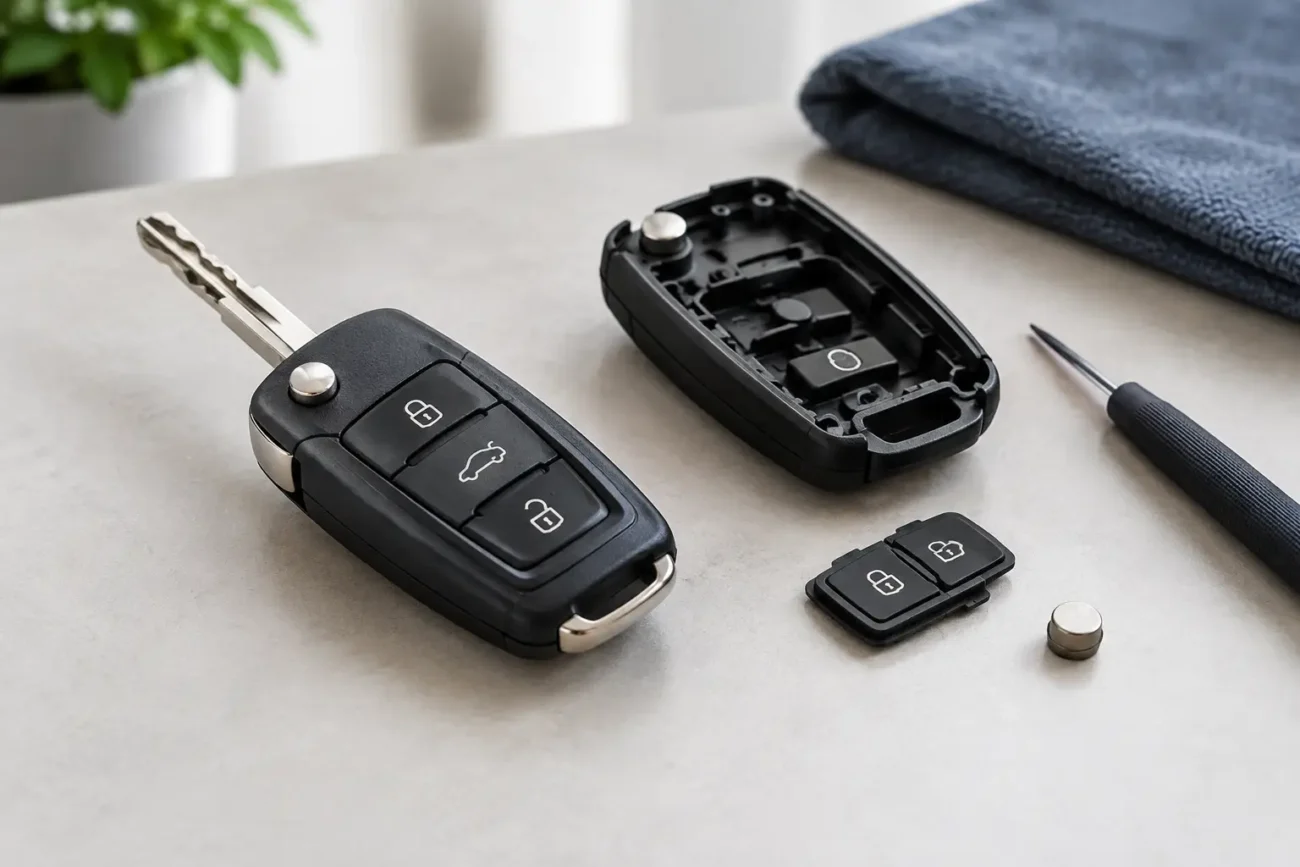
Many car remotes are designed for owner battery replacement, but the opening method differs. Some have a release catch and removable emergency blade, while others split at a dedicated seam. Use the correct method for the key style and avoid levering directly against the circuit board.
Before removing the old cell, note its orientation. The positive side is normally marked with a plus symbol, and it must be installed in the same direction as the original. Fitting the battery upside down will prevent the remote from operating.
Use a clean, dry workspace and keep the new cell away from loose metal objects. Avoid touching the battery contacts more than necessary. Once fitted, make sure the cell is level, retained under its clip where applicable and making firm contact at both terminals. The case should then close without force.
A basic battery replacement does not normally require key programming. The remote should work as before once the correct cell is fitted. However, some vehicles may require a simple re-synchronisation procedure after battery removal, so check the vehicle handbook if the fob does not respond immediately.
Never leave coin cells where children can reach them. They are hazardous if swallowed and should be stored and disposed of responsibly.
Battery quality matters as much as the code
A cell marked CR2032 or CR2025 may be the right size but still disappoint if it has been stored poorly, is close to its expiry date or comes from an unreliable source. For a key remote, a quality battery from a recognised battery manufacturer is a modest investment in dependable daily use.
Trade buyers should also avoid mixing loose batteries in a way that makes type identification difficult. Keeping CR2032 and CR2025 stock clearly separated reduces fitting errors at the bench. Checking packaging dates and storing batteries in a cool, dry place helps preserve their shelf life.
It is also good practice to replace like for like rather than fitting a random spare found in a drawer. The few minutes saved by using the wrong thickness can be lost quickly when the remote returns with a poor connection.
When a new battery is not the answer
If the old battery tests healthy, or the fob still fails after a correctly fitted replacement, look beyond the coin cell. Water damage, failed microswitches, worn rubber button pads and broken key cases are common causes of remote problems. A cracked shell can also allow the battery to shift or expose the electronics to moisture.
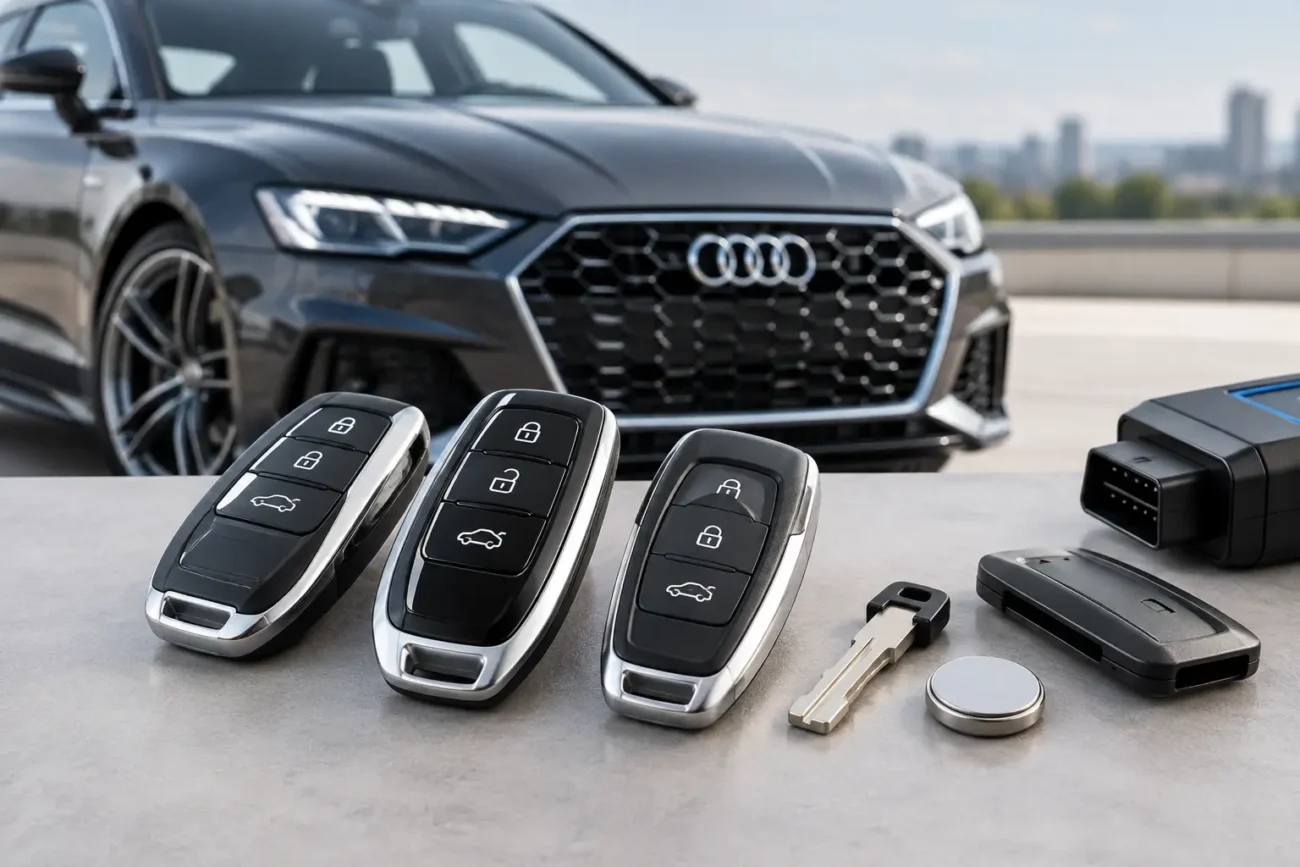
For replacement components, identify the remote accurately before ordering. Check the original part number where available, button layout, blade type, frequency and internal board arrangement. For transponder or smart-key products, chip and programming requirements must also be confirmed. This protects both vehicle owners and trade professionals from avoidable compatibility issues.
A correctly matched battery is a small part with a big job: it keeps the remote ready when you need access to the vehicle. Read the marking, respect the thickness difference and keep a suitable spare to hand. Global Keys Direct stocks key-related parts for drivers and trade customers who need practical, model-aware replacement solutions without dealership delays.
Add a review
Your email address will not be published. Required fields are marked *