
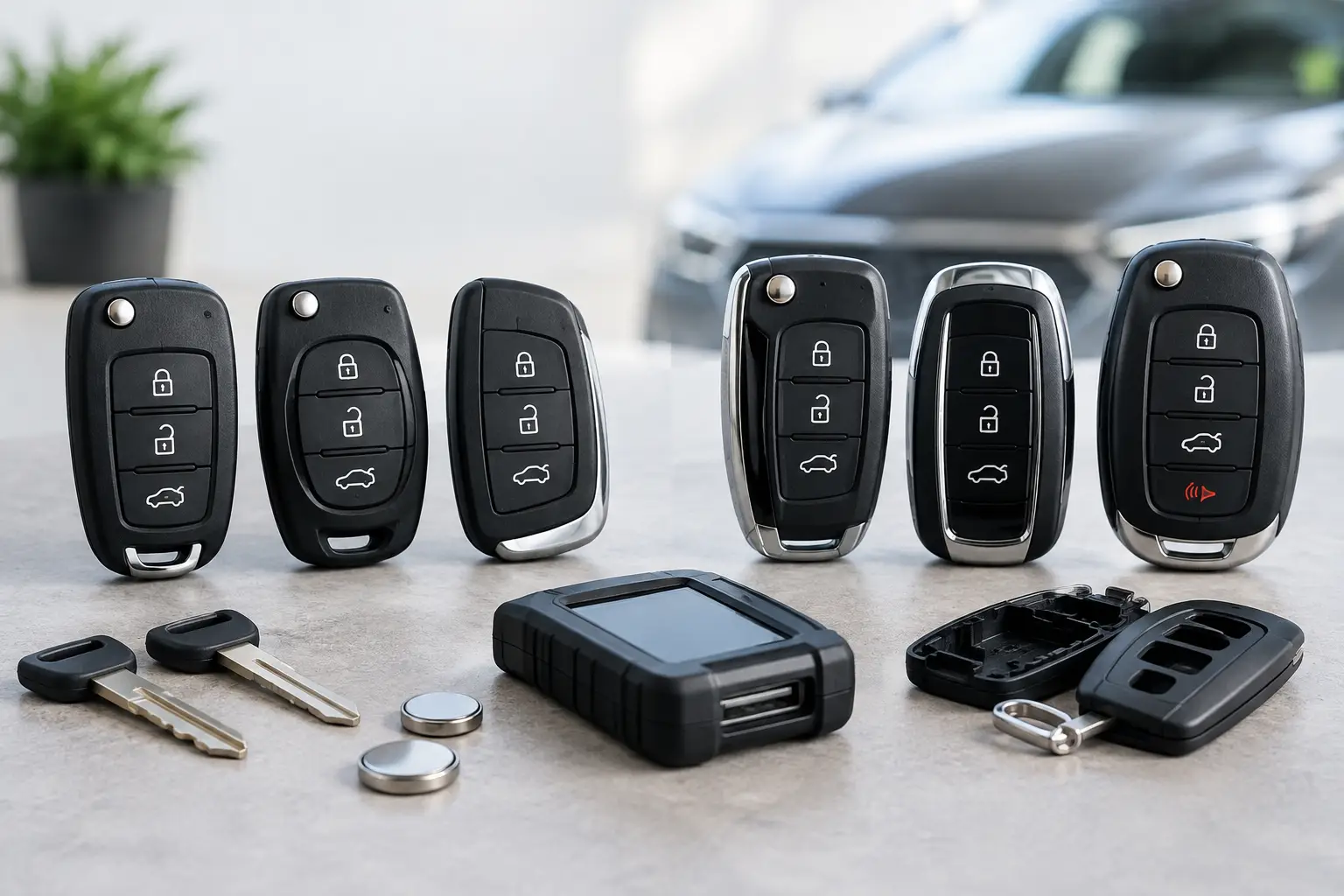
Universal Versus Vehicle Specific Remotes
A remote that looks right can still be wrong for the car. That is the practical difference behind universal versus vehicle specific remotes: one may offer broad application and flexibility, while the other is made to match the electronics, functions and physical format expected by a particular vehicle.
For a driver replacing a lost, damaged or worn key fob, the cheaper-looking option is not always the lower-cost choice. For locksmiths and garages, choosing the wrong remote can add programming time, create unnecessary returns and delay a customer handover. The right route depends on the vehicle, the type of key system fitted and whether the remote is intended to control central locking only or also start the engine.
What is a universal remote?
A universal remote is designed to work across more than one application. In automotive use, that can mean a programmable remote capable of being configured for a range of makes and models, or an aftermarket remote central-locking transmitter supplied as part of a conversion or replacement system.
Universal products can be useful where broad coverage matters. A trade professional may keep compatible programmable remotes available for common jobs rather than holding separate stock for every vehicle. They can also suit older vehicles fitted with aftermarket central locking, where there is no original manufacturer remote specification to replicate.
However, “universal” does not mean it will work with every car. The remote still has to be supported by the programming equipment and by the vehicle’s system. Its radio frequency, protocol, button functions and transponder options must all be appropriate. A 433 MHz marking alone is not enough to confirm suitability, as different vehicles can use the same frequency but communicate in entirely different ways.
Universal remotes are therefore best treated as a compatibility-led product, not a one-size-fits-all solution. They can offer excellent value and flexibility when the application has been checked properly.
What makes a remote vehicle specific?
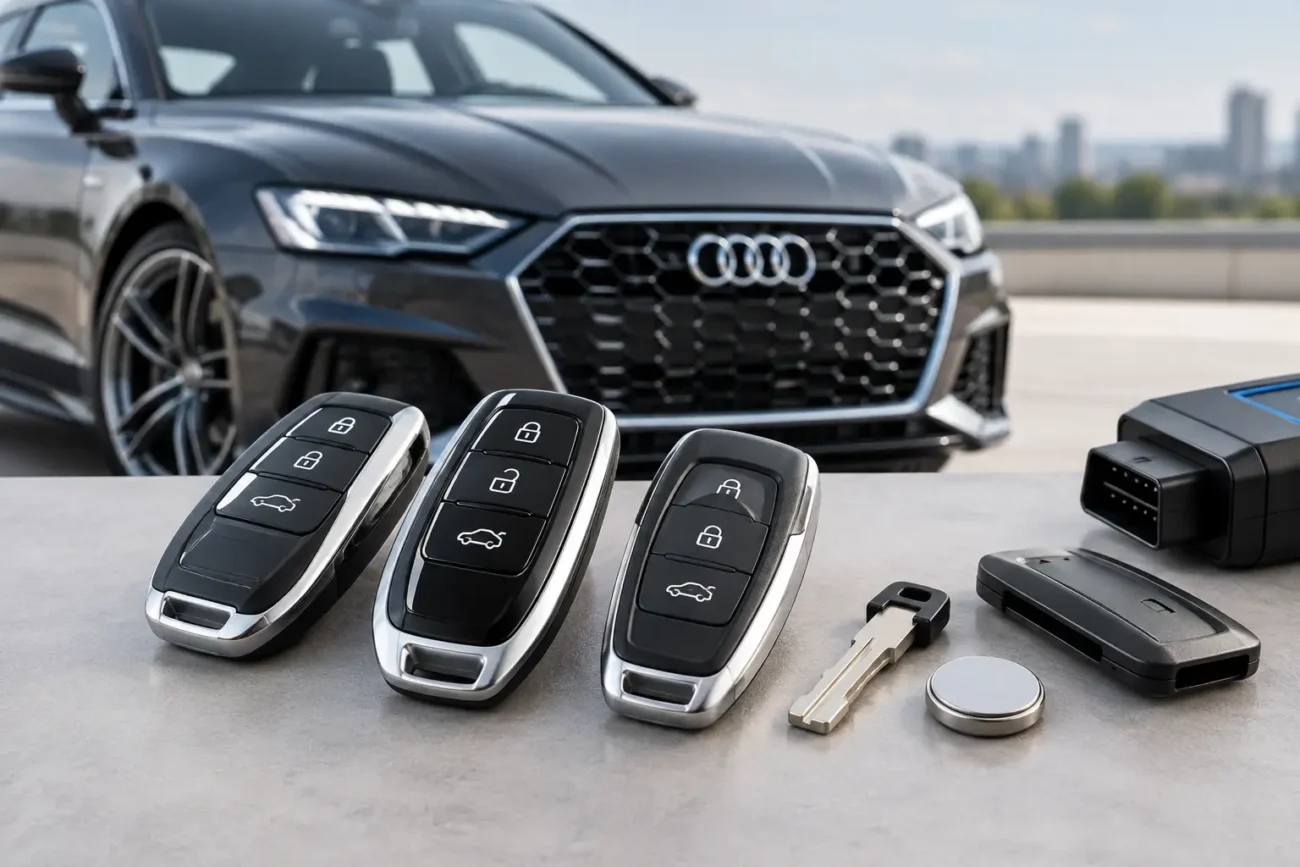
A vehicle specific remote is produced for a defined manufacturer, model range or key reference. It is designed around the required button layout, case shape, blade arrangement, circuit-board format and remote electronics for that application. Depending on the product, it may be supplied as a complete remote key, a replacement shell, a smart key housing or a remote fob without a blade.
This specificity has a clear benefit: it makes it easier to match the replacement to the key already in use. A Ford remote is not simply distinguished by its badge. The number of buttons, blade profile, transponder arrangement, frequency and internal board design can vary between model years and even between trim levels.
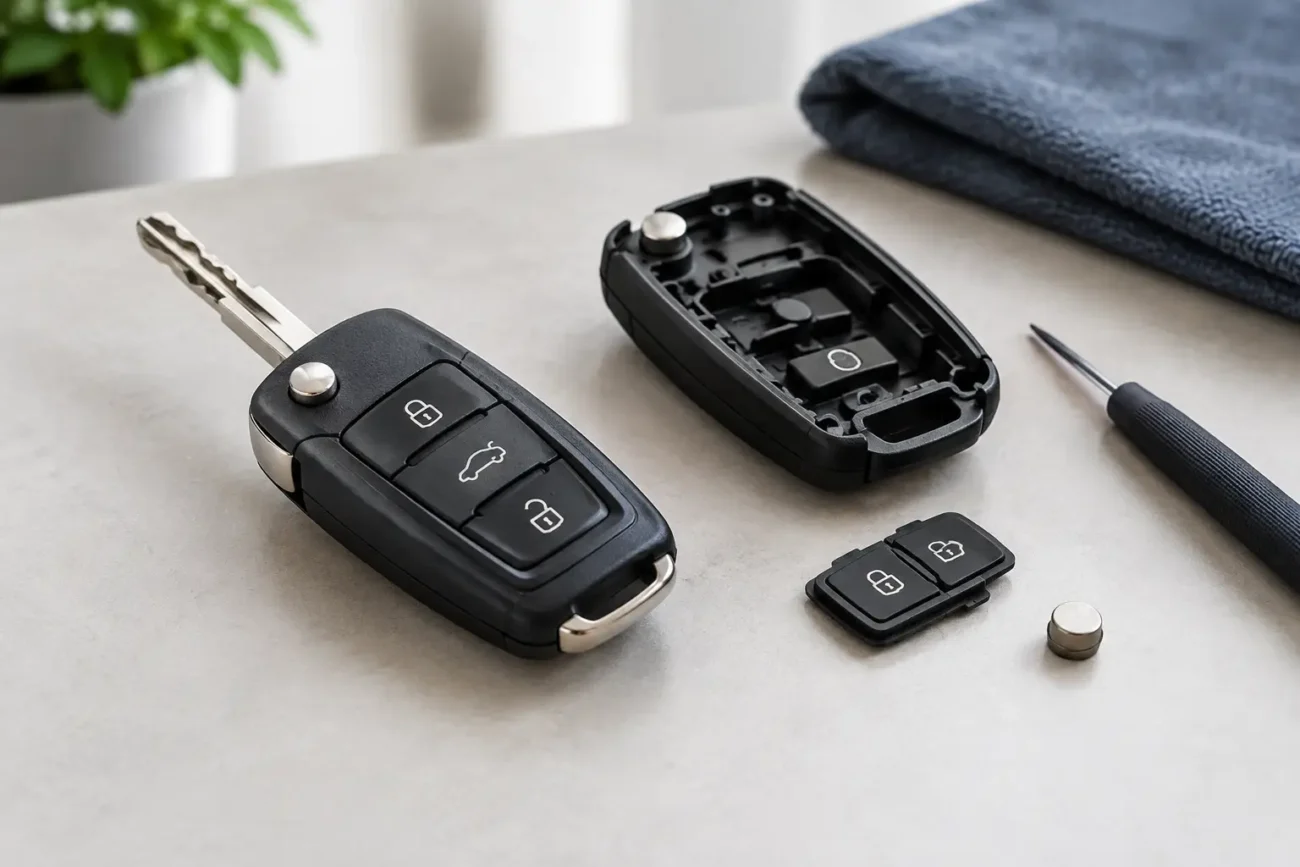
Vehicle specific remotes are usually the sensible choice when replacing an original-style key or repairing a damaged unit. If the existing board is still working, a correctly matched replacement shell can be a cost-effective repair. The original electronics and transponder can be transferred into the new case, avoiding unnecessary programming in many situations. This does not apply to every key type, particularly sealed smart keys, but it is a useful option for many conventional remote keys.
Universal versus vehicle specific remotes: the real trade-offs
The decision is less about which type is universally better and more about the job in front of you. Vehicle specific remotes generally offer a closer physical and functional match. Universal remotes can provide broader stock coverage and may reduce the number of individual product lines a professional needs to carry.
Fitment and appearance
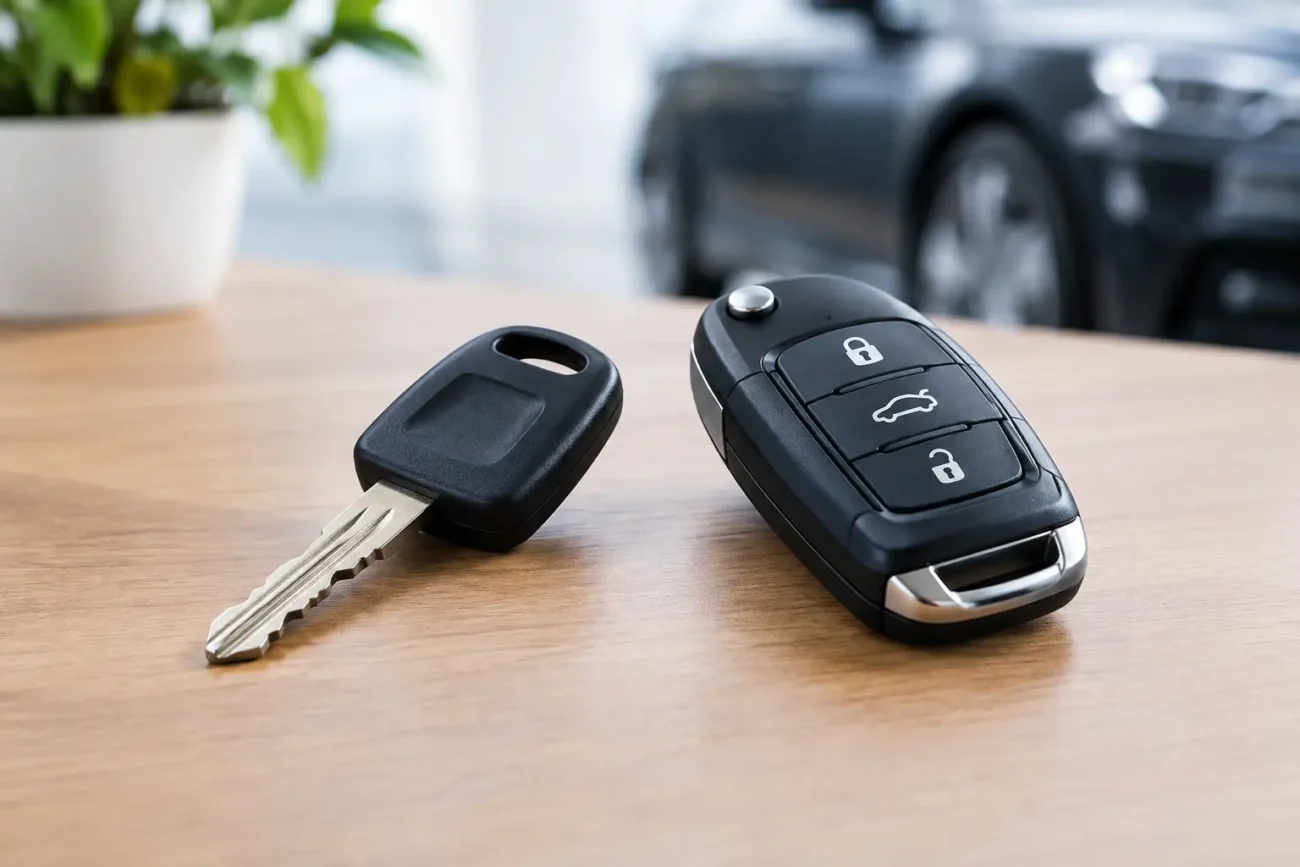
A vehicle specific remote is normally the better choice where the customer wants the replacement to resemble the original key, fit the existing blade arrangement and retain the expected button positions. This matters on flip keys, proximity keys and remotes that integrate a separate emergency blade.
A universal remote may have a different casing and layout. That is not necessarily a problem if functionality is the priority, but it can be less appealing to a driver who wants a direct replacement for a worn factory-style remote. It may also be unsuitable where the original key contains components that cannot be transferred or replicated through the chosen remote.
Programming requirements
Most complete replacement vehicle remotes need to be programmed or synchronised before all functions work. The remote locking element and the immobiliser transponder are often separate systems, even though they sit in the same key case. A key may operate the doors but not start the vehicle, or start the vehicle but fail to operate the remote buttons, if only one element has been correctly set up.
Universal programmable remotes usually require compatible diagnostic or key programming equipment, current software coverage and correct remote data selection. This can be efficient for trained users, but it is not automatically simpler than programming a vehicle specific remote.
Vehicle specific products may also require professional programming. Buyers should check the listing carefully to establish whether the item is a shell only, a remote circuit board, a complete key with chip, or a smart key requiring specialist equipment. Where the vehicle uses keyless entry and push-button start, the matching process can be more involved than it is for a basic two-button remote key.
Cost and stock efficiency
For trade buyers, universal remotes can make commercial sense where supported applications are well understood. Fewer stocked references can cover a useful range of customer vehicles, helping reduce shelf space and improve response times on suitable jobs.
For individual vehicle owners, a vehicle specific remote often represents clearer value. It is easier to compare against the old key, select the right shell or fob format, and retain the original look and function. A low-cost universal option becomes poor value if it requires additional parts, cannot be programmed for the vehicle or lacks a required function such as boot release.
The best value is the product that matches the job first time, not simply the item with the lowest initial price.
How to check compatibility before ordering
Do not identify a remote from a photograph alone. Cars that look similar can use different key systems, and a single model may have changed remote design during its production run. Before ordering, compare the old key and the product details methodically.
Check the number and position of buttons, including panic, boot or tailgate functions. Confirm whether the key uses a fixed blade, flip blade or separate emergency blade, then compare the blade type or key profile where relevant. Look for any part number printed on the original case, internal circuit board or battery compartment.
You should also establish the remote frequency and transponder or chip type if these details are available. For a smart key, check the exact vehicle coverage and whether the supplied item includes an emergency blade. For a replacement shell, make sure the mounting points, battery cover and blade mechanism match the original board and key components.
Professionals should additionally confirm that their programming tool supports the vehicle and the intended remote. Software coverage, token requirements and the condition of the vehicle’s existing keys can all affect the job. Checking these details before booking work protects both workshop time and customer expectations.
When a replacement shell is the better answer
Not every faulty-looking remote needs a complete replacement. If the buttons have worn through, the flip mechanism has broken, the blade has become loose or the outer case is cracked, the electronics may still be perfectly serviceable. A vehicle specific replacement shell can restore the key’s usability while retaining the original circuit board, transponder and blade where appropriate.
This is often the most straightforward route for drivers whose remote still locks, unlocks and starts the car. It is also a practical repair for garages handling common worn-key issues. Care is needed during transfer, particularly with small transponder chips that may sit separately from the circuit board. If that chip is missed, the rebuilt key may operate the remote functions but not start the vehicle.
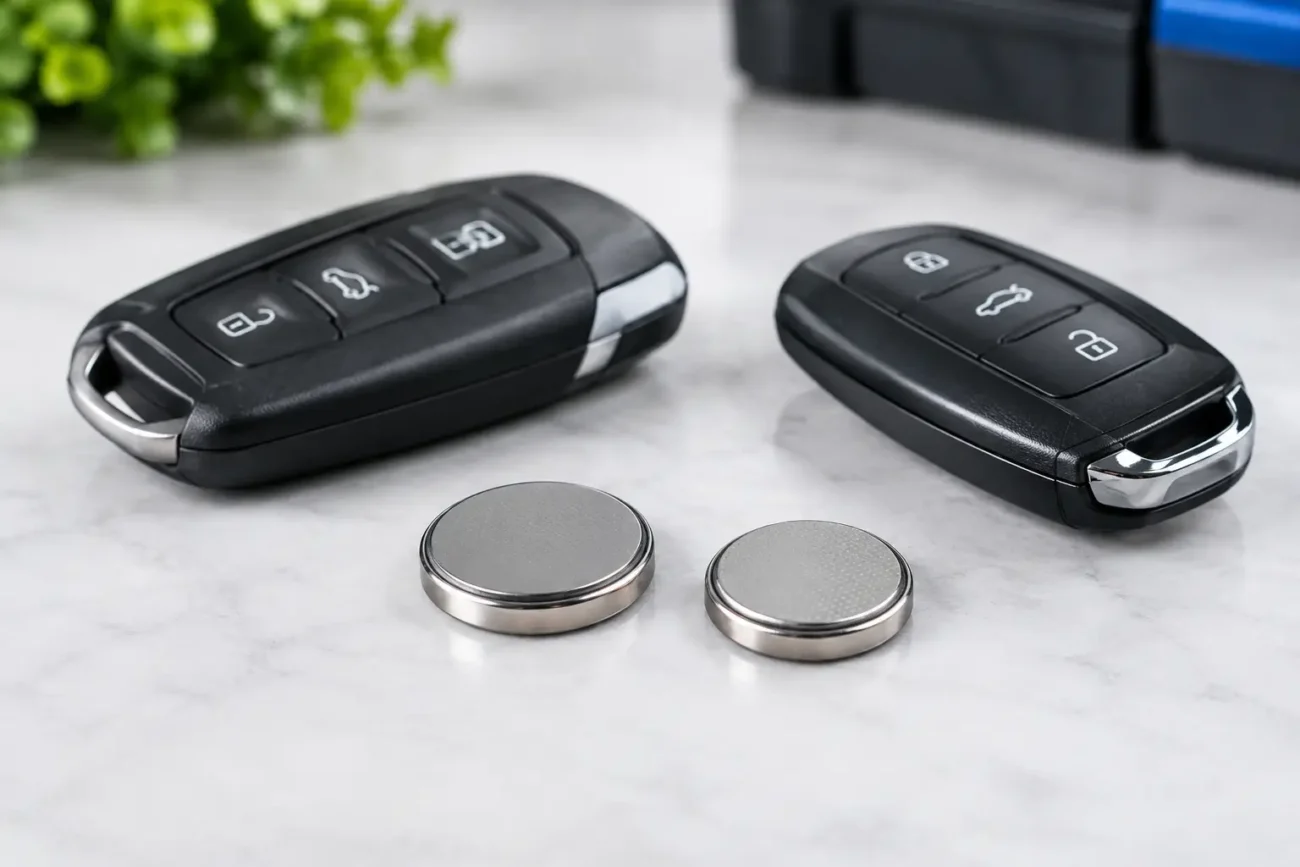
A new battery is worth considering at the same time, provided the correct battery reference and polarity are used. A weak battery can mimic a remote fault, especially where operation becomes intermittent or only works at close range.
Choosing the right option for the job
Choose a universal remote when it is explicitly supported for the vehicle, the necessary programming capability is available and a broad-application solution suits the customer’s needs. This route is particularly relevant for experienced automotive key professionals managing varied stock, or for compatible aftermarket central-locking applications.
Choose a vehicle specific remote when you need a close replacement for the original key, a precise button and blade configuration, or a shell that accepts the existing electronics. For most retail buyers replacing one car key, this is the more direct route because the product can be matched against the vehicle and old remote in detail.
Global Keys Direct supplies a wide range of vehicle-compatible remotes, shells, blades and key programming products for both retail and trade requirements. Whatever route you choose, use the key details already in your hand: part number, frequency, button count, blade type and vehicle fitment are the information that turn a replacement remote into the right replacement remote.
Add a review
Your email address will not be published. Required fields are marked *