
Best Smart Keys for Audi and How to Choose
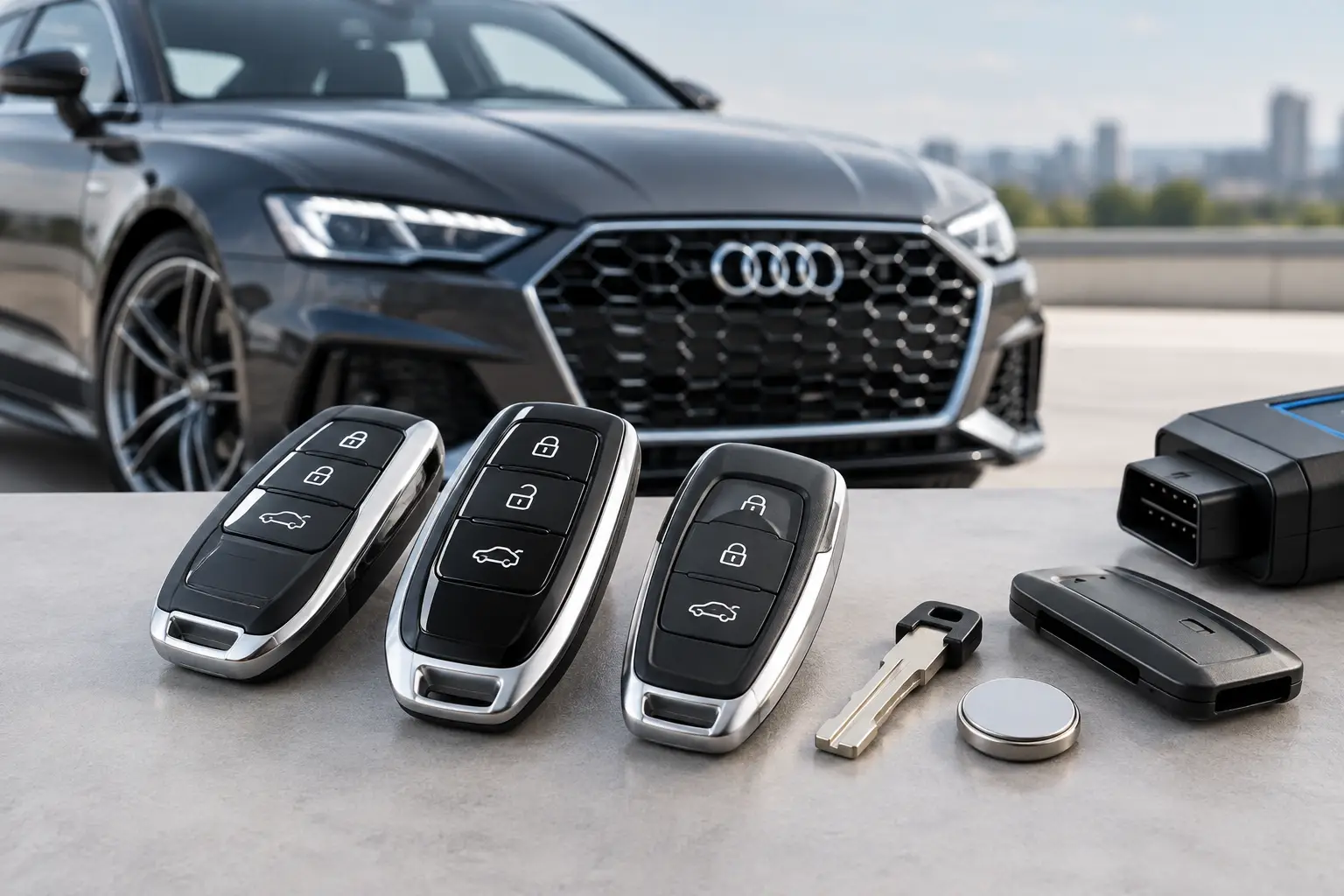
A lost Audi key can stop a job, disrupt a school run or leave a customer waiting for a vehicle to return to the road. The best smart keys for Audi are not defined by appearance alone. They are the keys that accurately match the vehicle’s electronics, remote layout and emergency blade arrangement, then can be programmed correctly for that specific Audi.
For owners, the priority is usually a reliable spare or cost-effective replacement without defaulting to dealership pricing. For locksmiths, garages and automotive key professionals, the priority is stock that can be identified quickly, programmed with the right equipment and supplied with clear compatibility details. Both need the same starting point: match the key to the car before ordering.
What makes an Audi smart key the right choice?
Audi has used several key systems across its range, from conventional remote flip keys to keyless-entry smart remotes. The best replacement depends on the vehicle platform, production year and original key specification. Two Audi keys can look almost identical while operating at different frequencies, using different transponder technology or carrying a different circuit-board reference.
A suitable key should match the original in the areas that matter most: the part number, frequency, button count, blade type and transponder or remote-board specification. For keyless vehicles, the proximity function must also be correct. This is why a photograph of the old key is useful, but should not be the only identification method.
For trade users, board type and PCB layout can be equally significant. Where an original remote is available, comparing its printed reference and internal layout provides a far stronger basis for selection than choosing by vehicle model alone.
The vehicle’s year and platform matter
An Audi A3, A4, Q5 or TT badge does not identify one single key. Those models span several generations, and key technology changes between platforms. A later keyless Audi may require a different remote and programming approach from an earlier model carrying the same badge.
Check the registration details alongside the original remote reference where possible. Build year is particularly useful where a model changed key system partway through production. A key listed for a broad model range may still have exclusions, so fitment notes should always be read in full.
Frequency is not a minor detail
UK Audi remotes commonly use 433 MHz, but frequency must be checked rather than assumed. A remote on the wrong frequency may physically resemble the original but will not provide the intended remote locking operation. Frequency information may appear on the key housing, circuit board or product specification.
This is one of the quickest checks for a replacement job, especially when ordering stock for a workshop. Match the stated frequency to the original key whenever possible.
Best smart keys for Audi: the main replacement options
There is no single best option for every Audi. The practical choice depends on whether the fault is cosmetic, electronic or related to a lost key. Buying only what needs replacing keeps the repair economical and avoids unnecessary programming work.
Complete aftermarket smart keys
A complete replacement smart key is usually the right option when the original is lost, badly damaged or has failed electronically. It normally includes the remote electronics, transponder arrangement and housing, ready for the correct programming process.
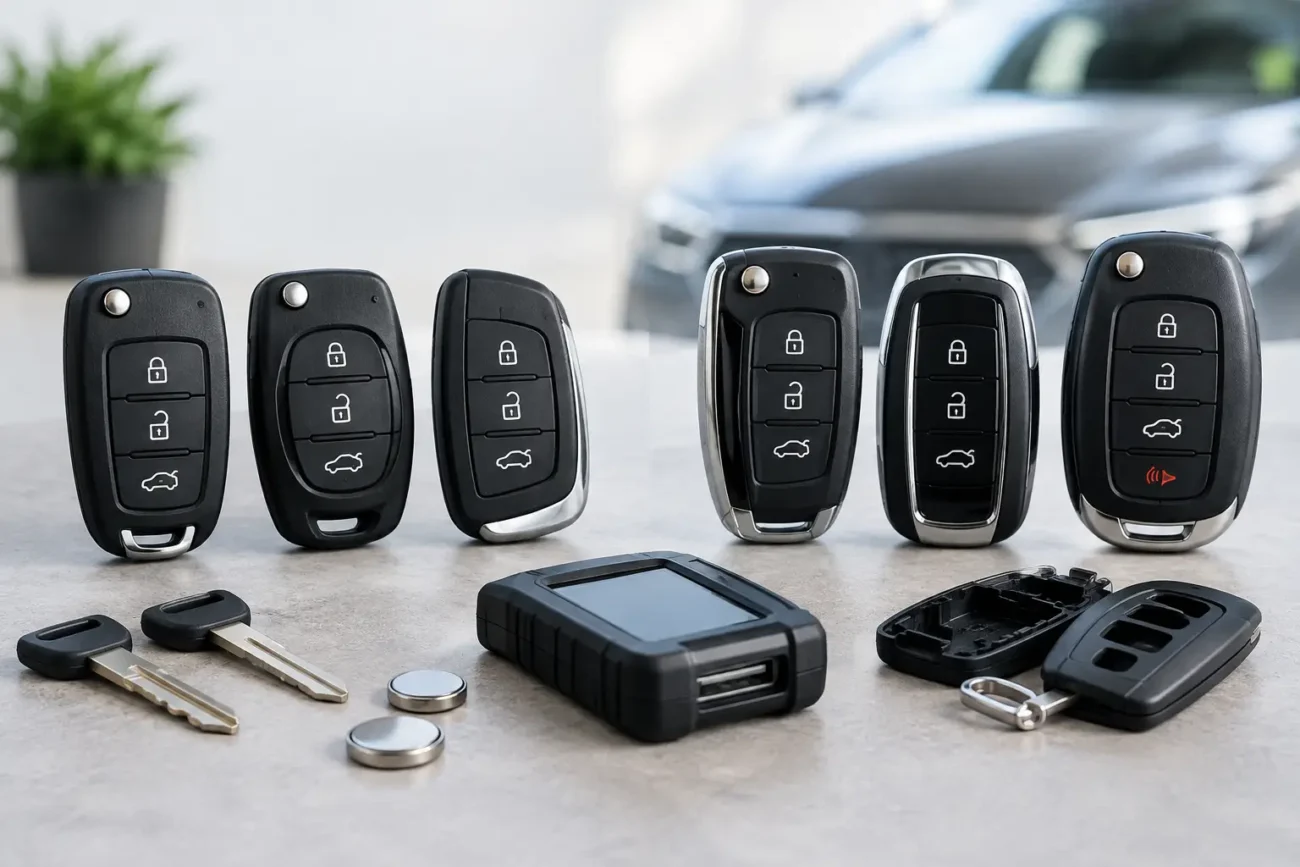
This option suits drivers who need a fully working spare, as well as professionals handling a customer key-loss or remote-failure job. It is essential to select the exact configuration, including button layout. Common layouts include three-button and four-button versions, but the correct function icons and arrangement must correspond with the vehicle.
A complete key is not automatically ready to start the car when it arrives. Remote functions and immobiliser authorisation are separate requirements on many vehicles. Programming should be completed with suitable diagnostic and key-programming equipment by a competent professional.
OEM-board style replacement remotes
For certain Audi applications, replacement remotes built around an OEM-style board can be a preferred option for professional work. The attraction is often closer board-level matching with the original remote reference, helping the technician identify the appropriate product for a specific job.
These products require careful specification checks. A matching housing does not confirm a matching board, and a matching board reference does not remove the need to verify frequency, blade and button layout. For trade buyers managing varied Audi work, retaining the original key details on the job record helps prevent repeat identification work.
Replacement shells for working electronics
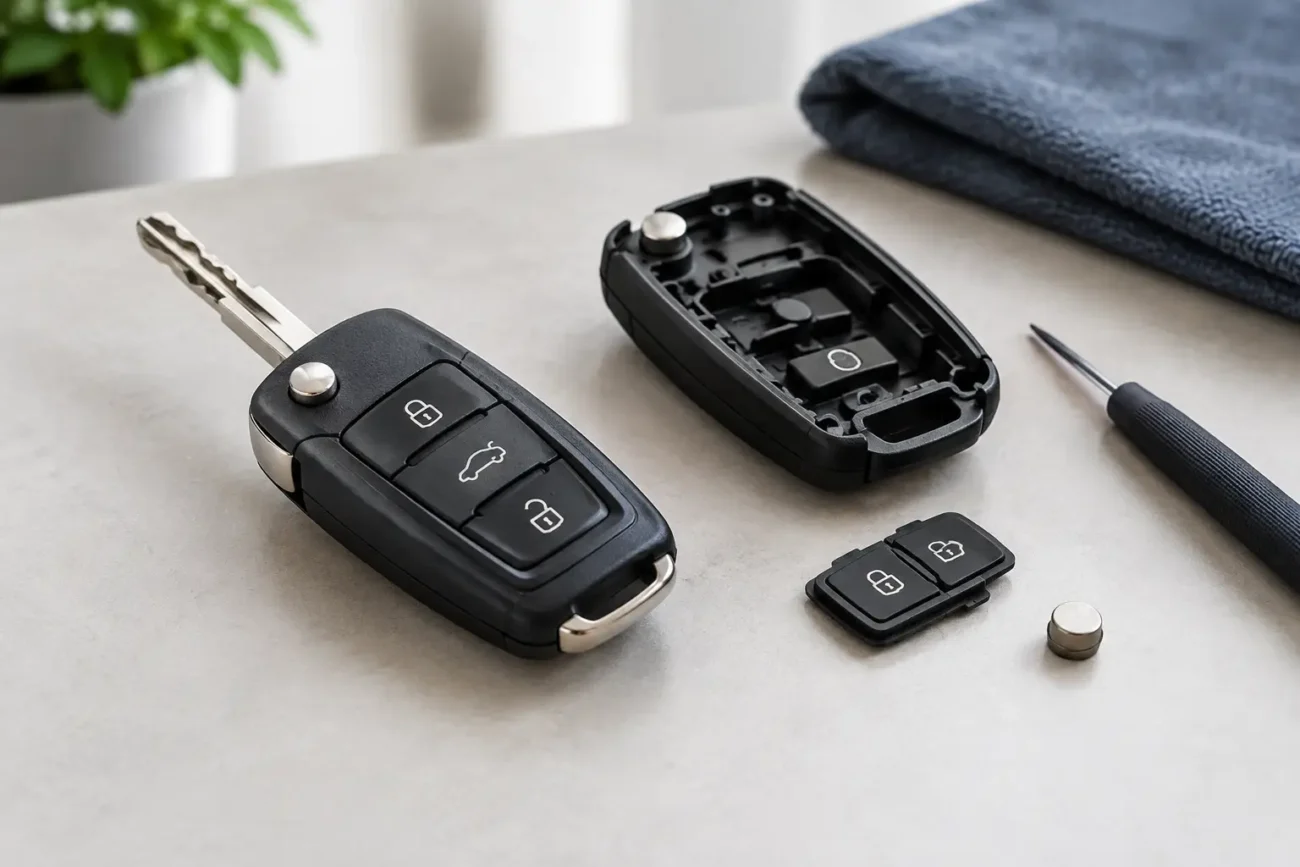
If the original Audi key still locks, unlocks and starts the vehicle, but the casing is cracked, worn or has damaged buttons, a replacement shell can be the best-value answer. The existing remote electronics and transponder are transferred into the new shell, avoiding the need for remote or immobiliser programming in many cases.
The important checks are the shell shape, number of buttons, emergency blade profile and internal mounting points. Poorly matched shells can leave the circuit board loose, prevent the buttons from pressing correctly or make the emergency blade unsuitable.
A shell is a sensible repair route, but only if the electronic board is healthy. It will not solve water damage, broken solder joints, depleted battery contacts or a remote that has lost communication with the vehicle.
Emergency key blades and inserts
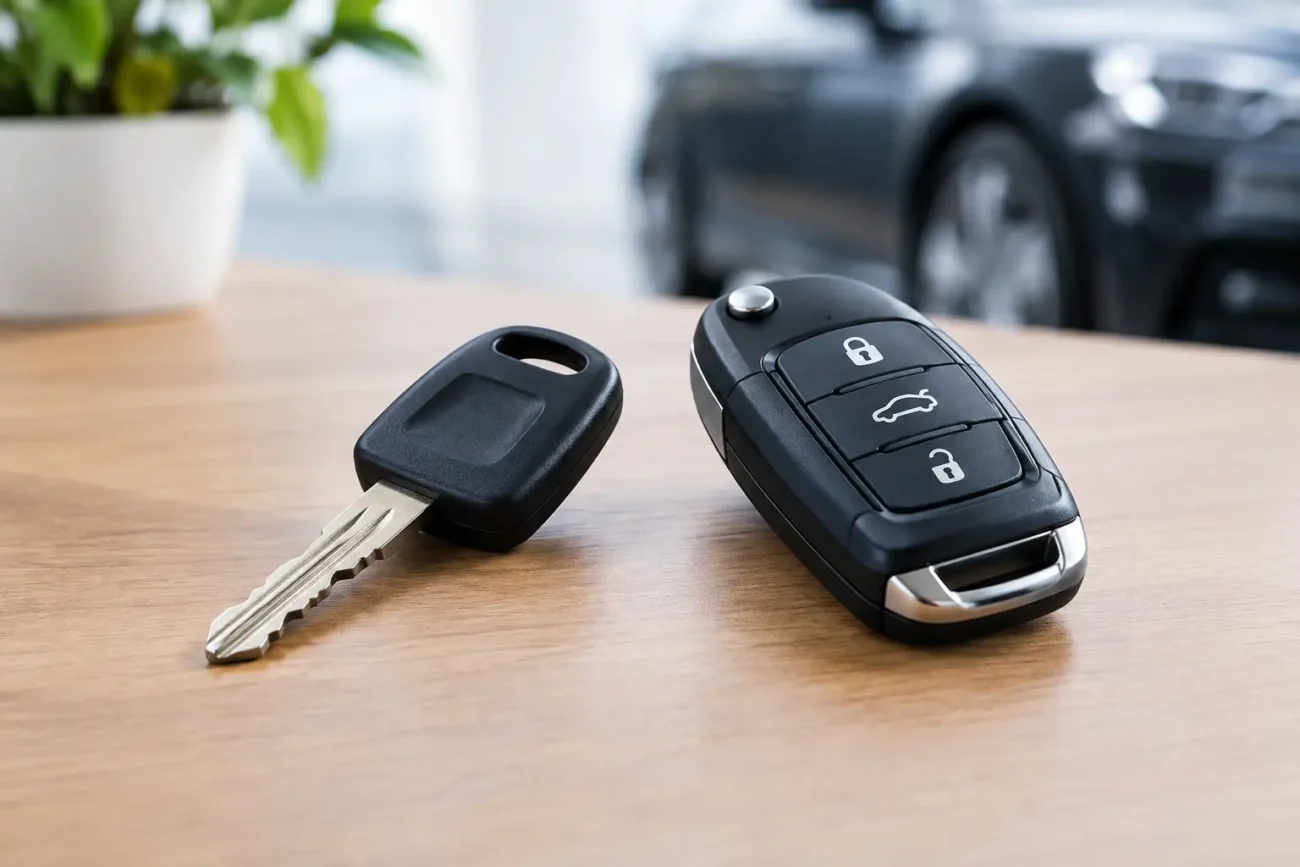
The emergency blade is easy to overlook on a keyless Audi, yet it is a useful backup when the key battery is flat or central locking cannot be operated remotely. Some replacements are supplied with an uncut blade, while others require a blade or insert to be sourced separately.
Confirm the blade type before purchasing. The key body may be correct while the blade profile is not. The blade will also need cutting to match the vehicle lock by a suitably equipped key cutter. It should be tested carefully after cutting, rather than stored away and assumed to work.
A buying checklist that prevents expensive mistakes
Before ordering an Audi smart key, collect as much information as the job allows. For a vehicle owner, this normally means checking the existing working key. For a professional, it may mean reviewing the original board, customer documentation and vehicle data.
The most useful details are:
- the part number printed on the original key or circuit board
- remote frequency, such as 433 MHz where stated
- number and layout of remote buttons
- whether the vehicle has keyless entry and push-button start
- emergency blade type and whether a blade is included
- the vehicle model, year and generation or platform details
A photo of both sides of the key, plus the internal board when accessible, can help with comparison. However, never order solely because a replacement has the same Audi-style case. The electronic specification is what determines whether it is appropriate for the vehicle.
Programming: plan for the full job
A replacement smart key is only one part of the repair. Depending on the Audi system and chosen product, the key may require remote synchronisation, transponder programming or both. This work should be carried out using approved professional processes and suitable equipment.
For vehicle owners, the practical route is to confirm programming arrangements before buying. A local automotive locksmith, garage or key specialist may have different capabilities depending on the Audi generation. Providing accurate key details in advance allows them to assess the job properly.
For trade customers, stock selection should reflect the tools and software available in the workshop. A remote that is right in principle is not a productive purchase if the required programming workflow cannot be supported. Keep in mind that security-related key work may require proof of ownership and vehicle access during the programming appointment.
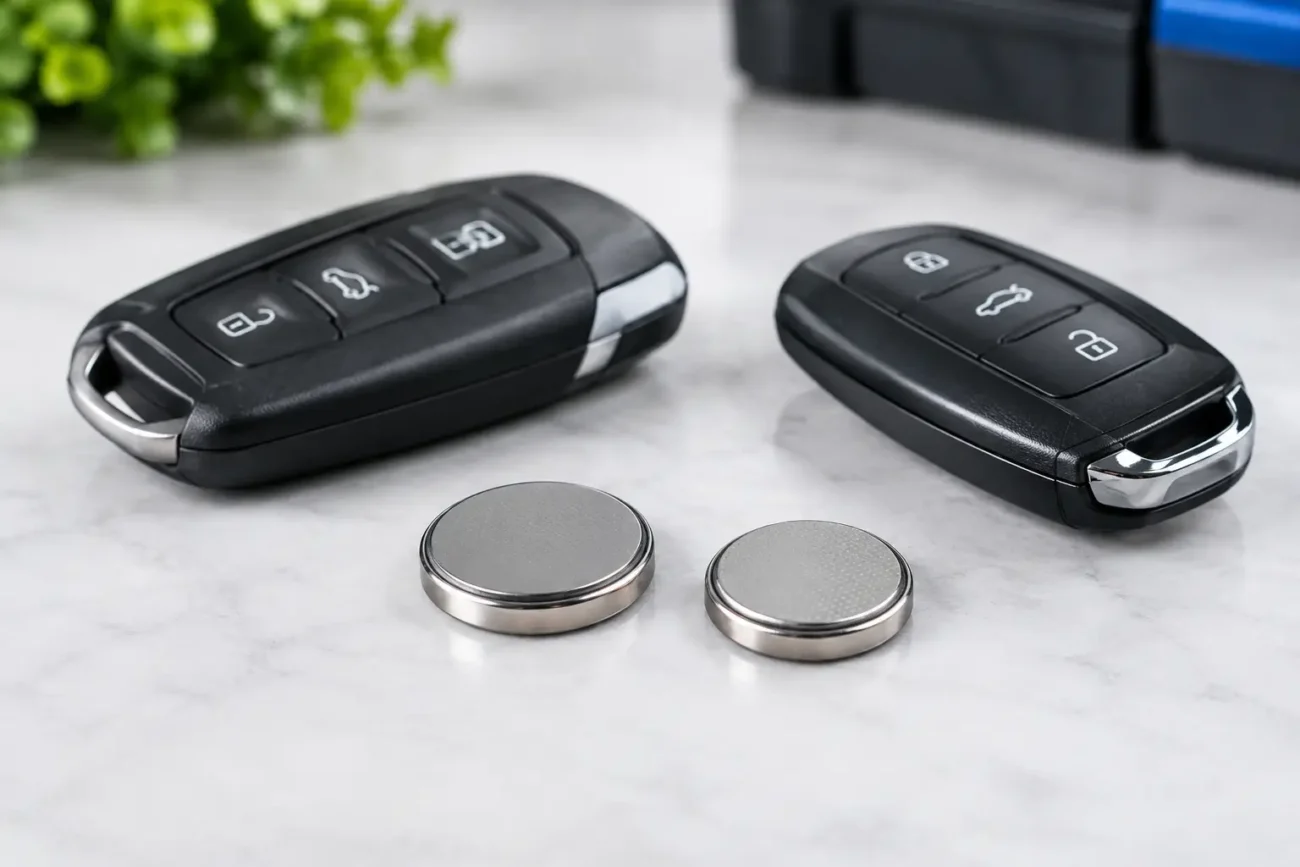
Battery condition also matters. If the replacement remote has a battery fitted, confirm its condition before testing. If an existing key has intermittent range or inconsistent button response, test with a fresh, correctly specified battery before diagnosing a larger fault.
When a cheaper option makes sense – and when it does not
A replacement shell is generally the most economical route when the original electronics work perfectly. A complete smart key is the more suitable purchase where the old key is missing, the board is damaged or a dependable spare is needed. The lowest initial cost is not always the lowest total cost if the key is incorrectly specified and cannot be programmed.
For busy workshops, keeping a small range of clearly identified Audi-compatible stock can reduce delays, particularly for common key types. Clear labelling by frequency, button count and board reference is more useful than storing remotes solely by model name. For private owners, ordering from a specialist supplier such as Global Keys Direct can make it easier to compare those essential specifications before committing to a replacement.
A well-chosen Audi smart key gives you more than remote locking. It restores a practical backup plan, reduces the disruption of a lost key and helps keep the vehicle usable when the original has reached the end of its life. Start with the part number, verify every key detail, and arrange programming before the replacement is needed in a hurry.
Add a review
Your email address will not be published. Required fields are marked *