

Audi Key Shell Replacement Explained
Your Audi key usually gives you plenty of warning before it fully falls apart. The buttons go soft, the casing splits at the seam, the flip blade loosens, or the rubber wears through until locking the car becomes a guessing game. In many of these cases, an Audi key shell replacement is the sensible fix. If the internal electronics still work, changing the outer case can restore the feel and function of the key without the cost of a full replacement remote.
That matters because not every damaged key needs coding, reprogramming or dealership-level expense. Often, the fault is purely physical. The remote board still sends a signal, the transponder chip is still present, and the blade remains usable, but the housing is no longer fit for daily use. Replacing the shell is a practical, cost-effective option for both vehicle owners and trade buyers handling routine key refurbishment jobs.
When an Audi key shell replacement makes sense
The key point is simple – a shell replacement only solves casing problems. If your Audi remote unlocks and locks the vehicle as normal but the buttons are cracked or the case is damaged, the shell is the likely issue. The same applies if the flip mechanism feels weak, the blade no longer sits securely, or the battery cover will not stay closed.
For many Audi owners, wear starts gradually. Constant pocket use, drops onto hard surfaces, moisture exposure and years of button pressing all take their toll. Older two-button and three-button remote keys are especially prone to cosmetic and structural wear. Newer smart key casings can also crack around the edges or around the emergency key section.
For trade customers, shell replacement is often one of the quickest ways to turn a tired-looking key into a presentable, usable unit again. It is a common workshop fix because it improves customer satisfaction without adding unnecessary programming work when the electronics remain intact.
When a new shell will not fix the problem
This is where compatibility and diagnosis matter. If the circuit board is faulty, the transponder chip is missing, the key has suffered water damage, or the remote has stopped transmitting altogether, a replacement shell will not solve the issue. The shell is just the housing. It does not create a working signal on its own.
If the key blade is badly worn or cut incorrectly, you may also need more than a casing. Likewise, if the immobiliser chip has been lost during an old repair or damaged in a failed battery change, the vehicle may not start even if the key looks perfect externally.
That is why professional buyers tend to check function before ordering. Does the remote still operate the central locking? Does the car still recognise the key? Is the damage limited to the exterior? If the answer is yes, the shell is usually the correct route.
Choosing the right Audi key shell replacement
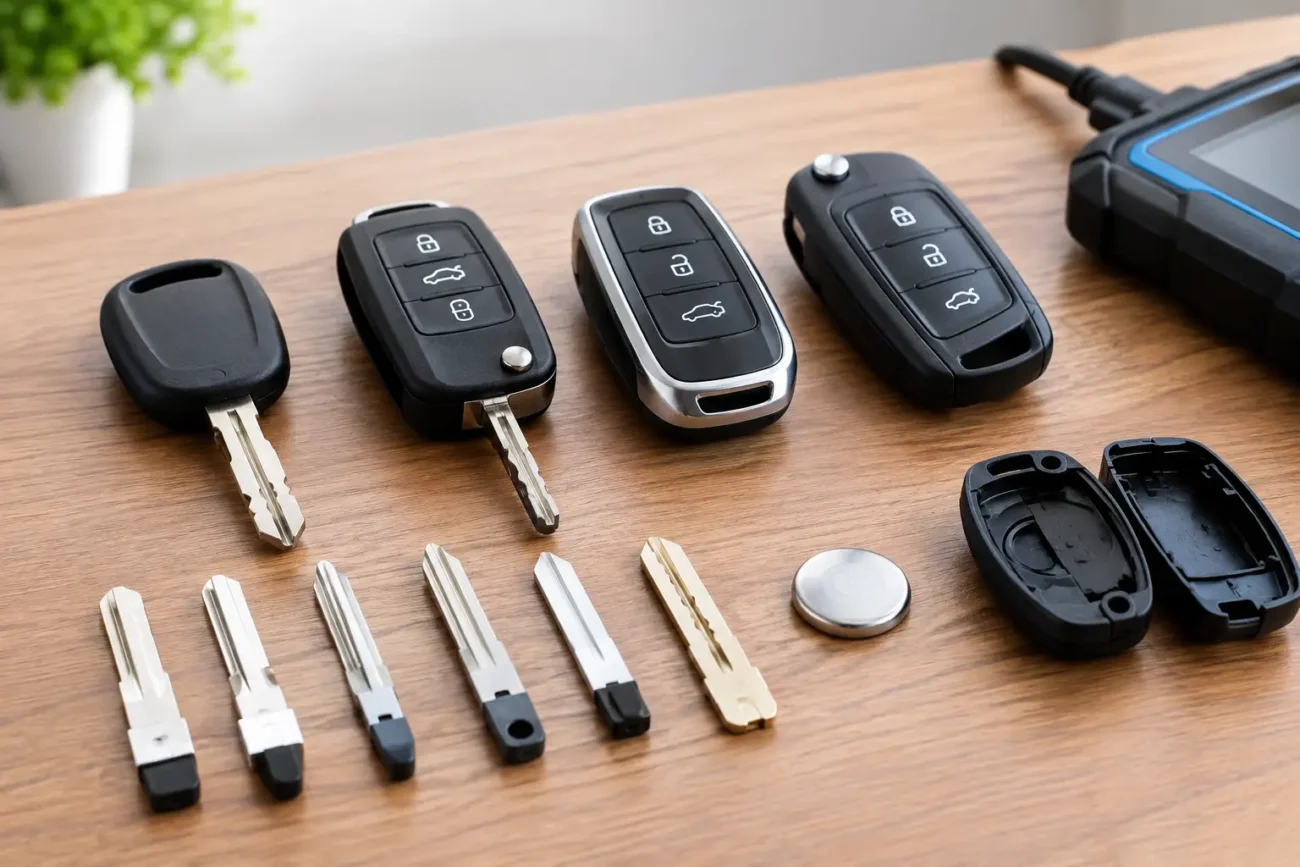
Audi keys are not all the same, even when they look similar at first glance. Button layout, blade profile, hinge design, battery holder position and internal board shape can vary across model ranges and production years. That means a shell that looks broadly correct in a photo may still be wrong for your exact key.
The safest way to choose is by matching the existing key in detail. Start with the number of buttons. Then check the shape of the casing, whether it is a flip key or smart key, and how the blade attaches. If possible, compare the internal tray and board position as well, especially on older remote fobs where slight differences can prevent a proper fit.
Trade buyers will usually go one step further and match by part number or reference where available. That is the more reliable method when handling multiple Audi variants. Retail buyers can still do this by checking the original casing or internal board markings, but visual comparison is often the starting point.
One small mismatch can create a poor result. Buttons may not align with the microswitches, the blade may not seat correctly, or the shell may clip together loosely. In key refurbishment, close compatibility matters more than appearance alone.
What is usually included in a replacement shell
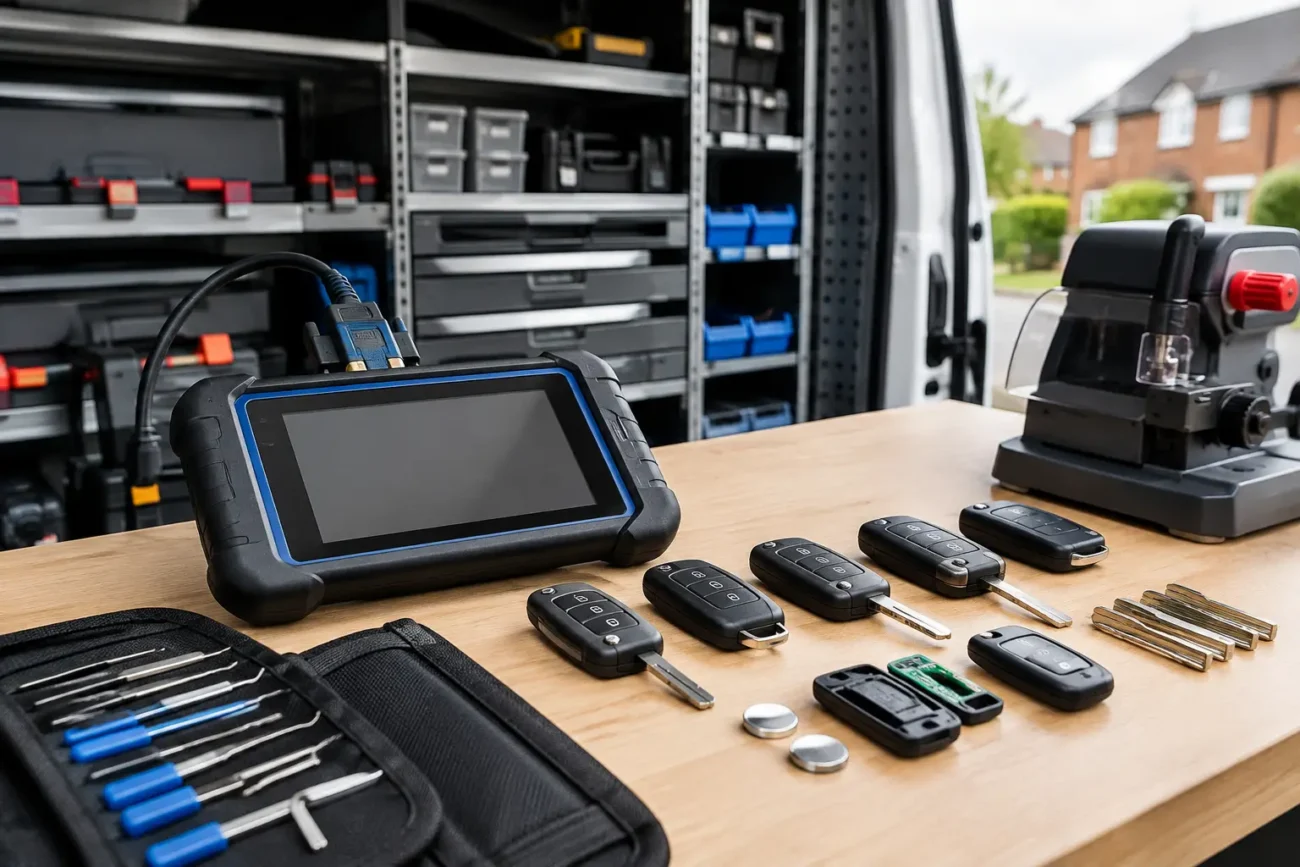
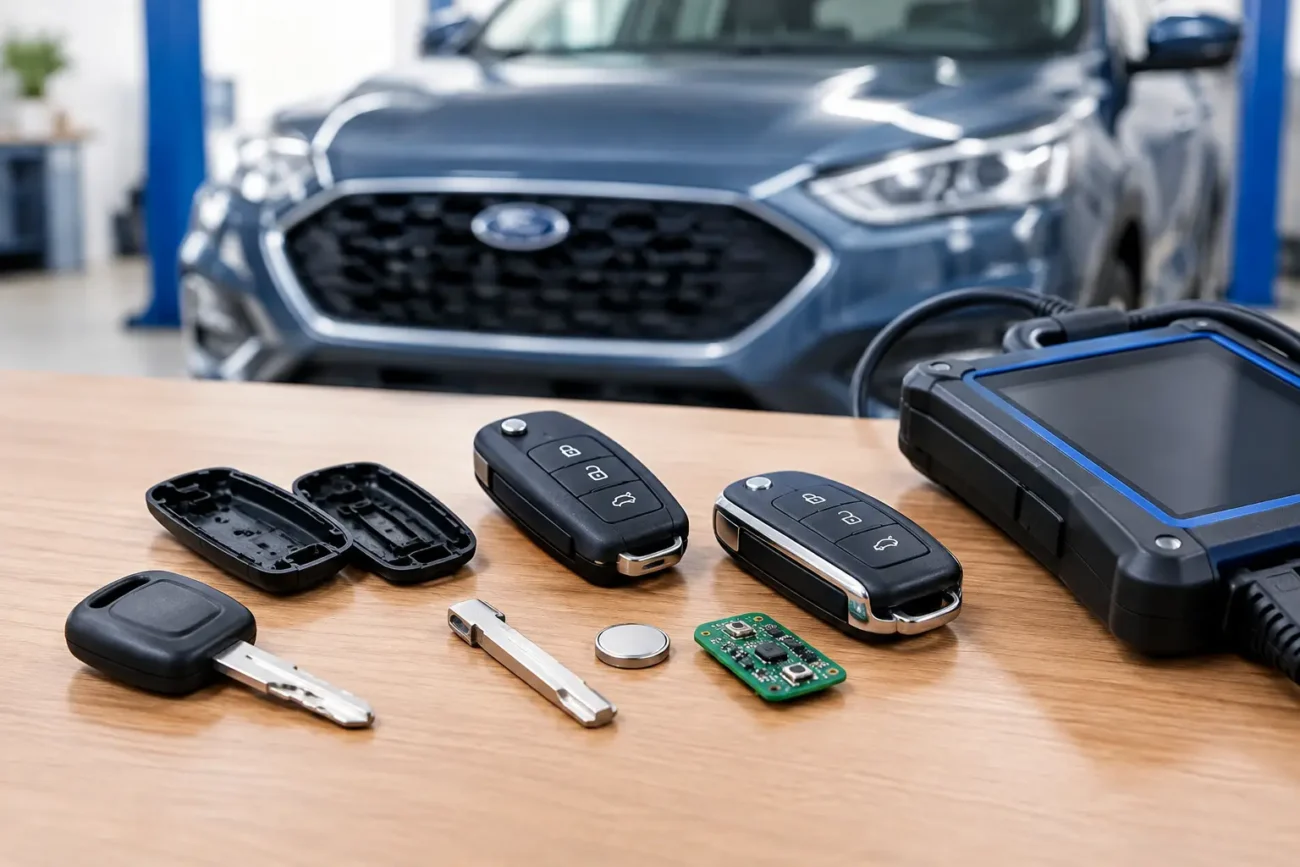
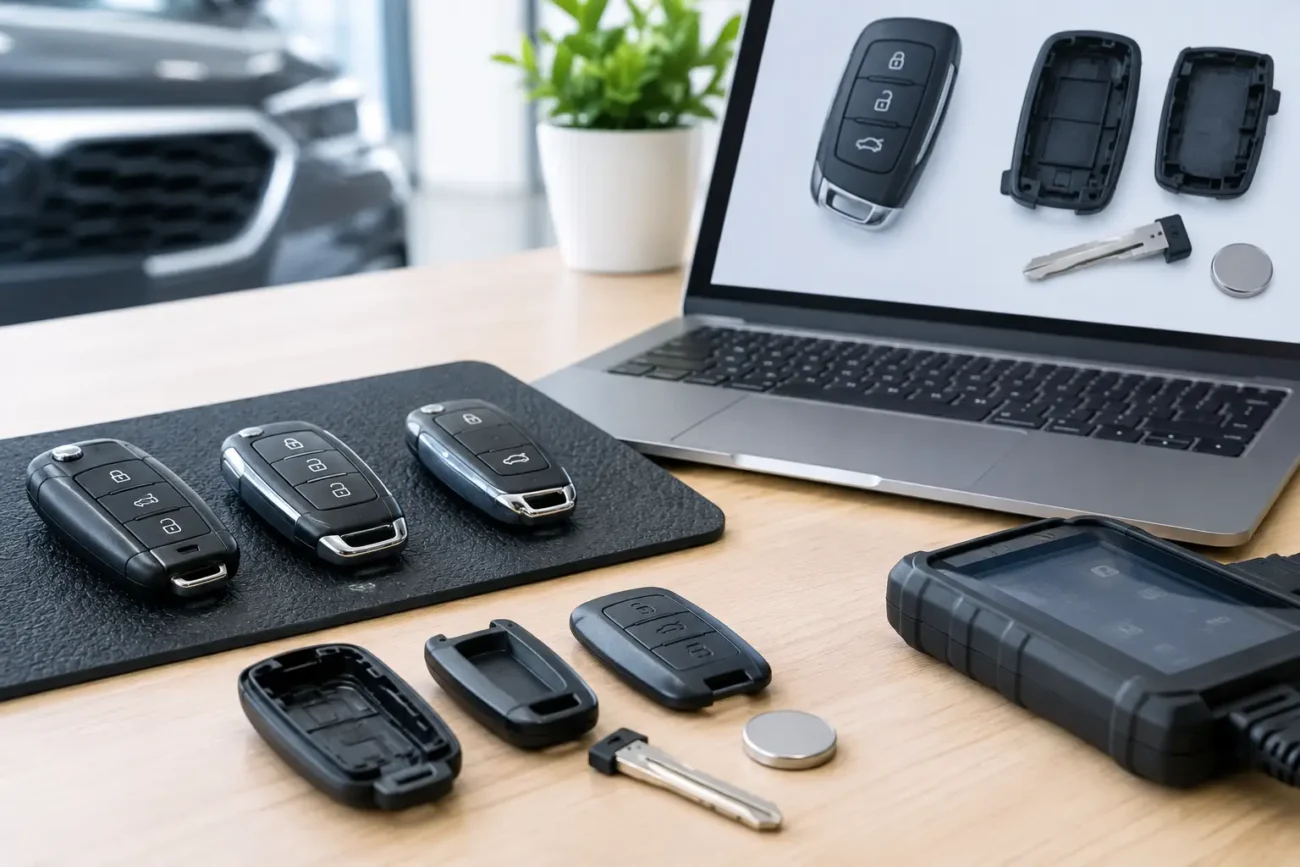
Most Audi replacement shells are supplied as an empty casing. That generally means you receive the outer housing, button pad and, depending on the product, a new blade or flip mechanism. In many cases, the original electronics, transponder chip and sometimes the old blade need to be transferred across.
This is an important detail for buyers expecting a ready-to-use key. A shell is not a complete replacement remote unless clearly specified as such. It is a housing solution for existing internals. That is exactly what makes it cost-effective, but it also means the swap must be done carefully.
For automotive locksmiths and technicians, this is routine work. For vehicle owners, it is manageable if the design is straightforward and the internal chip can be moved safely. The main point is not to assume that every shell includes electronics or comes pre-cut and pre-programmed.
How the shell swap usually works
An Audi key shell replacement is often a transfer job rather than a technical programming job. The old case is opened, the circuit board is removed, the transponder chip is identified and transferred if separate, and the internals are fitted into the new shell. If a new blade is included but uncut, it will need cutting to match the vehicle.
With flip keys, extra care is needed around the spring mechanism. If it is fitted incorrectly, the blade may not deploy or fold back properly. Smart keys can be simpler in some respects because there is no flip blade spring to tension, but they still require accurate placement of the board and emergency key components.
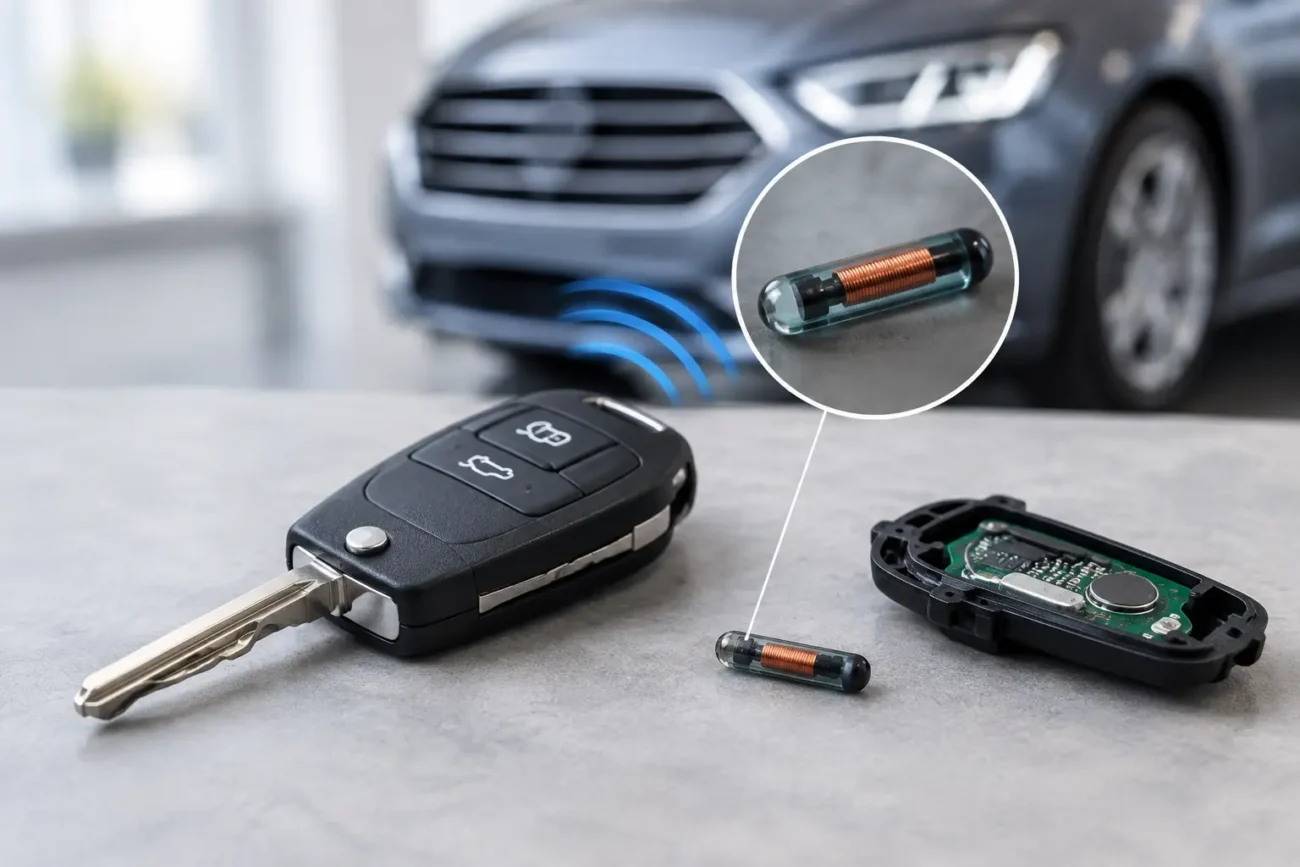
The biggest risk is usually the immobiliser chip. On some key designs it is small, separate and easy to overlook. If it is not transferred into the new shell, the car may unlock remotely but fail to start. That catches out many first-time buyers.
Audi key shell replacement for trade buyers
For locksmiths, garages and automotive key specialists, shell replacement is a useful stock line because it addresses one of the most common non-electronic key failures. Customers often arrive with keys that still function but look poor, feel unreliable or have become awkward to use. A quality shell allows a fast turnaround and a cleaner finish.
It also gives professionals flexibility. Instead of replacing a complete remote when only the casing is damaged, you can preserve the original board and chip, reduce job cost and keep the repair proportionate to the fault. That is good for margins and good for customer trust.
The usual trade priority is consistency. You want shells with accurate moulding, dependable button response and secure blade fitment. Cheap, poor-fitting casings tend to cause repeat visits, especially when buttons collapse too easily or the hinge pin works loose. In this category, quality control matters more than shaving off the last possible penny.
Common mistakes to avoid
The first mistake is ordering by vehicle model alone. An Audi A3, A4 or TT may have used different key formats across different years, so the car registration is not always enough by itself. Matching the actual key style is safer.
The second is forgetting the transponder chip. If the original shell is damaged and opened in a hurry, that chip can be lost easily. Without it, the shell swap becomes a bigger problem than the worn casing you started with.
The third is assuming all blades are interchangeable. Blade type and mounting method matter. If the supplied blade does not match the original format, the shell may still be compatible, but the blade will require separate attention.
Finally, avoid forcing a shell closed if the board does not sit naturally. That usually means the fit is wrong or something has not been transferred correctly.
Is it worth replacing the shell or buying a full key?
It depends on the condition of the original key. If the electronics are working and the problem is cosmetic or mechanical, a shell replacement is usually the better-value fix. You keep the original programmed internals, avoid unnecessary coding and restore day-to-day usability at a lower cost.
If the remote is intermittent, the board is damaged, or the key has multiple faults, a complete replacement may be the smarter long-term option. For trade jobs, that decision often comes down to labour time versus part cost. For private owners, it comes down to whether the existing key is fundamentally sound.
A worn Audi key does not always need replacing from scratch. Sometimes the smartest repair is also the simplest one – get the compatibility right, move the internals carefully, and you can bring a tired key back into proper daily service without paying for parts you do not actually need.
Add a review
Your email address will not be published. Required fields are marked *