
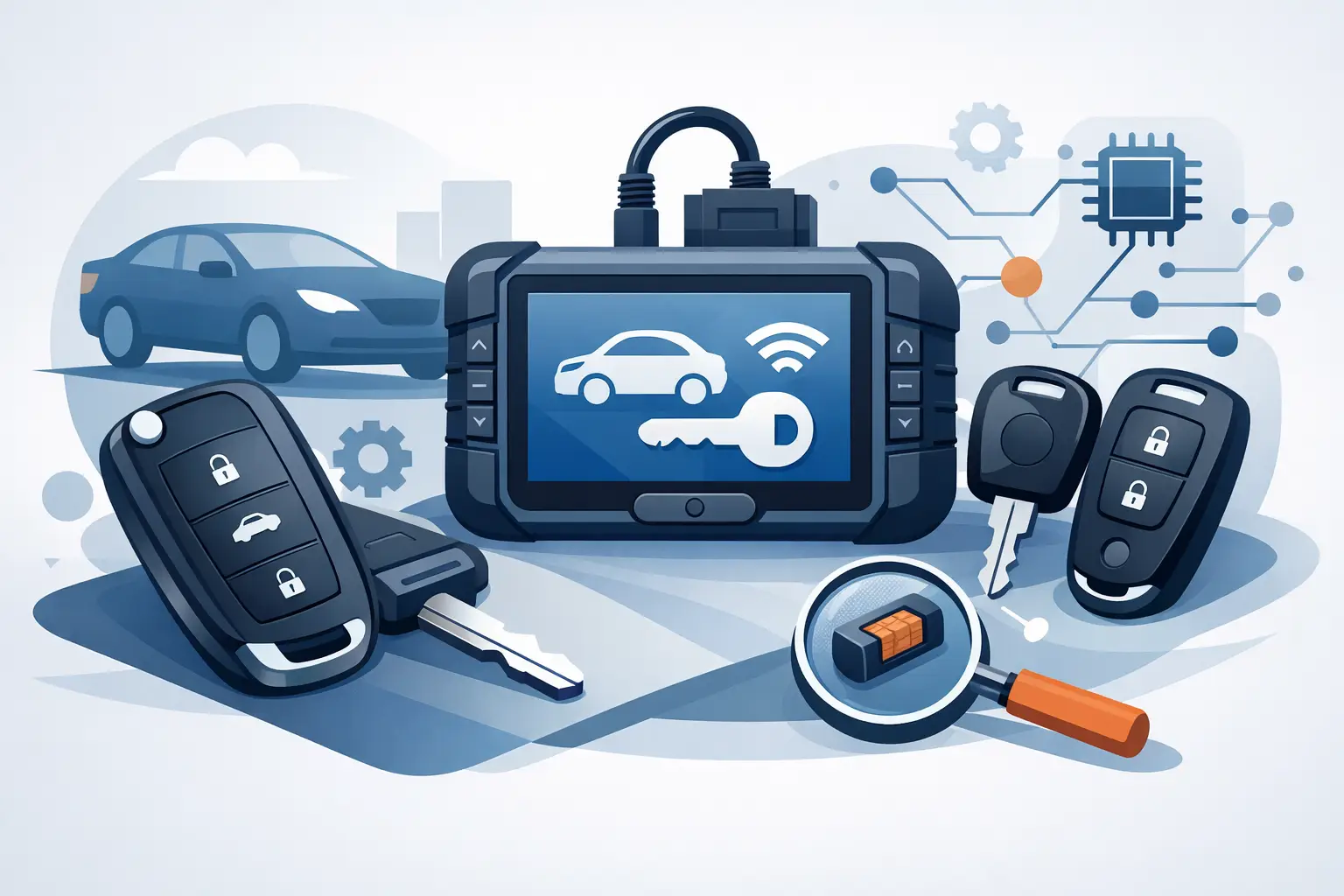
How to Choose the Best Key Programming Tool
A tool that handles a 2016 Ford today but falls short on a 2020 Hyundai tomorrow is not the best key programming tool – it is just the one that happened to work once. That is where many buyers come unstuck. In automotive key work, the right choice comes down to vehicle coverage, programming method, update support and whether the tool suits occasional replacement jobs or daily trade use.
What makes the best key programming tool?
The short answer is that it depends on who is using it. A vehicle owner who needs to add a spare key has very different requirements from a locksmith programming smart keys across multiple marques every week. The best key programming tool is not always the most expensive unit or the one with the longest feature list. It is the one that reliably covers the vehicles you actually see, without wasting time or budget on functions you will never use.
For trade users, speed and coverage usually come first. If you are handling Ford, Vauxhall, Peugeot, BMW and Toyota jobs in the same week, broad compatibility matters more than a flashy interface. For a smaller garage, ease of use may carry more weight, especially if key work is an added service rather than the main income stream. For retail buyers, the main concern is often whether a tool can genuinely support a specific vehicle and key type without dealership costs.
That is why tool selection should start with your workload, not the marketing claims on the box.
The best key programming tool depends on the work you do
There are several types of key programming tools on the market, and each suits a different level of job complexity.
Basic diagnostic-style programmers
These are often the entry point. They can be suitable for straightforward key adding on selected vehicles and may appeal to garages that already perform diagnostics and want to add simple immobiliser and remote programming jobs. The benefit is lower upfront cost and a gentler learning curve. The drawback is obvious – coverage can be patchy, especially on newer smart systems, and advanced functions may be limited.
If your work is mostly older vehicles or simple spare key addition, this category can make sense. If you regularly face all-keys-lost situations, proximity keys or module-related programming, you will outgrow it quickly.
Professional multi-brand platforms
This is where many serious locksmiths and automotive key specialists sit. Multi-brand platforms are designed to cover a broad range of manufacturers and key systems, often with guided procedures, PIN reading support, EEPROM or transponder functions, and regular software updates.
The advantage is flexibility. One platform may support remote learning, transponder generation and immobiliser functions across a wide mix of vehicles. The trade-off is cost, subscription requirements and the need to stay current with updates. A professional tool that is not kept updated can become an expensive way to miss newer applications.
Specialist brand ecosystems
Some buyers prefer working within a recognised ecosystem, particularly when pairing programmers with remotes, universal keys, transponder tools or bench solutions from the same manufacturer. This can improve workflow and reduce compatibility guesswork, especially for trade users handling volume.
That said, no single ecosystem covers everything perfectly. Some are excellent for universal key generation and cloning support, while others are stronger on OE-style diagnostics or advanced immobiliser procedures. Choosing one often means accepting that a second tool may still be needed for gaps in coverage.
Vehicle coverage matters more than headline features
The most common buying mistake is focusing on what a tool can do in theory rather than what it supports in practice. Words like advanced, professional and full system mean very little unless the coverage includes the exact vehicles, years and key types you deal with.
A useful starting point is to look at the brands on your regular workload. If you mainly cover Ford, Volkswagen Group, Peugeot, Citroen, Vauxhall, Hyundai and Kia, you need to verify those applications first. Then go deeper. Check model years, whether the tool supports blade keys, flip remotes, smart keys or proximity systems, and whether it manages spare key programming only or also all-keys-lost scenarios.
This level of detail matters because two cars from the same manufacturer can require very different approaches. A tool may support one generation of Toyota smart key but not another. It may add a BMW key under certain conditions but require extra hardware for full capability. Coverage charts and supported function lists are far more useful than broad product claims.
Smart keys, transponders and EEPROM work
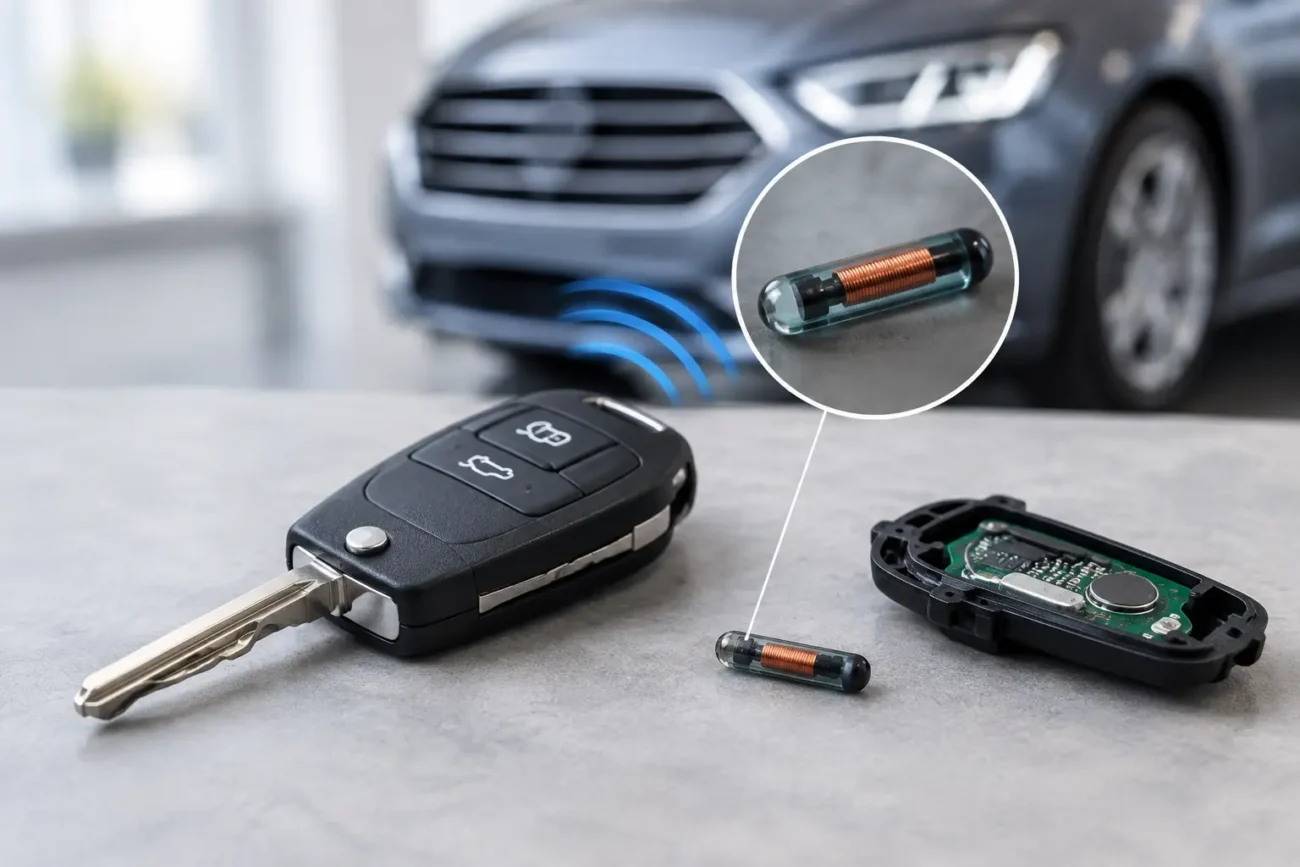
As vehicles have become more complex, key programming has moved well beyond simply learning a remote. Immobiliser systems, chip preparation, frequency matching and security access all play a part.
If you are working with modern smart keys, the best key programming tool for your bench may need support for proximity systems, transponder preparation and module communication. In some cases, OBD programming is enough. In others, bench work, EEPROM reading or additional adapters are required.
For retail buyers, this is where expectations need to stay realistic. A low-cost tool may look attractive, but modern vehicles often demand more than a simple plug-in procedure. For trade users, this is where specialist equipment earns its keep. A unit that can support both routine OBD jobs and more technical procedures will save time and reduce the number of vehicles you have to turn away.
Updates, support and ongoing cost
Buying the hardware is only part of the spend. The best key programming tool should be judged on its long-term value, not just its initial price.
Software updates are especially important in this market. Newer vehicle systems appear constantly, and support for recent models may depend on active subscriptions or paid update plans. A tool with excellent current coverage can lose value fast if update support dries up or becomes uneconomical.
There is also the practical side of support. When you are midway through a customer job, poor instructions or weak technical backup can cost more than the difference between two tools. For professional buyers, supply from a specialist stockist with clear compatibility information and dependable product availability is often just as important as the programmer itself.
Best key programming tool for garages vs locksmiths
Garages and locksmiths often ask the same question but need different answers.
A garage usually benefits from a tool that is straightforward, broad enough for common jobs and easy to integrate into existing diagnostic work. Reliability and ease of use are key because key programming may only be one part of the day.
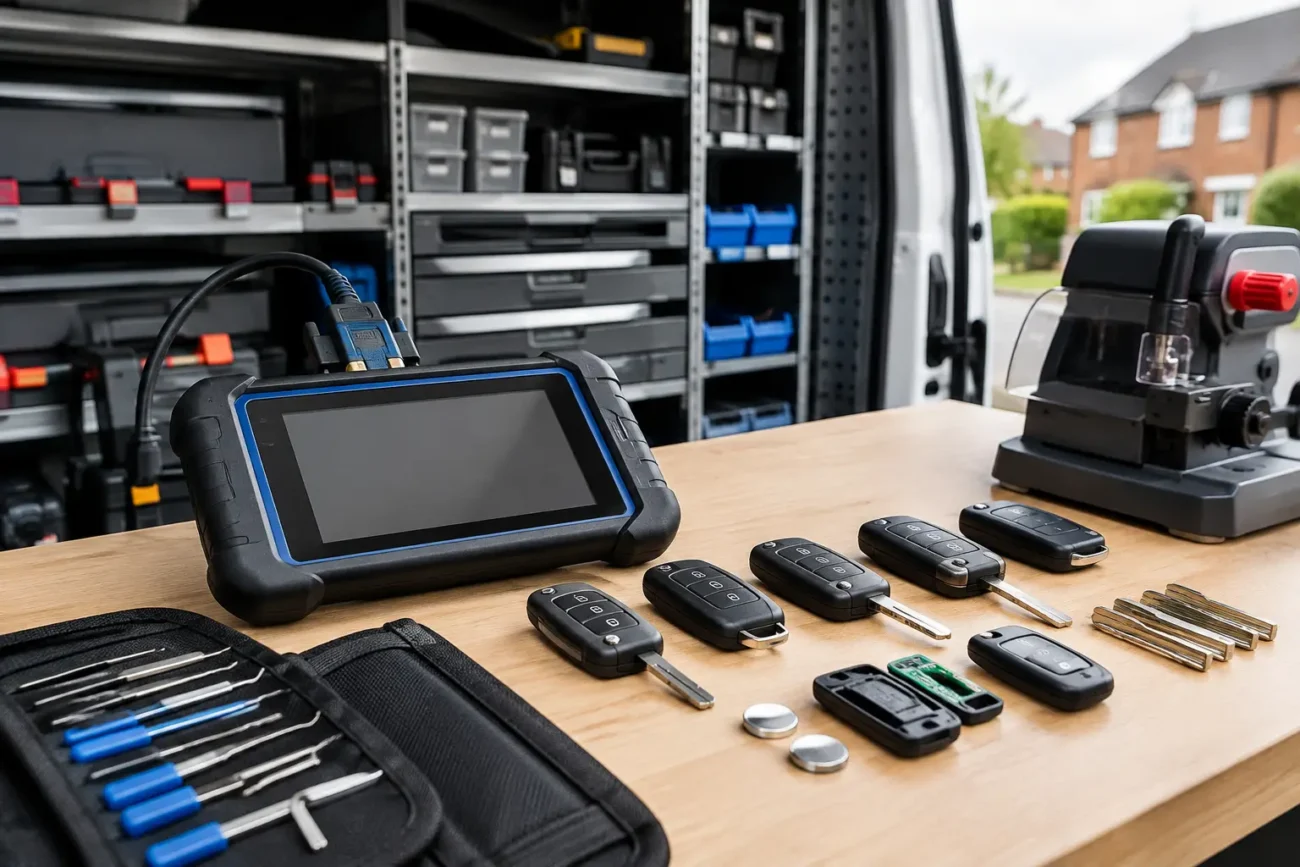
A locksmith or dedicated automotive key technician usually needs greater depth. That can mean wider immobiliser support, universal key generation, chip programming, EEPROM options and better handling of all-keys-lost jobs. In that environment, speed matters because every extra step affects margin.
For that reason, the best key programming tool for a garage is not always the best one for a mobile locksmith. One prioritises simple workflow and sensible investment. The other often prioritises capability and job acceptance.
Budget matters, but false economy costs more
It is sensible to watch the budget, especially if you are adding key work as a new service. But there is a difference between buying carefully and buying too cheaply.
A low-cost programmer that only covers a narrow band of vehicles may look like a saving until you start losing work. Equally, overbuying can be wasteful if you only programme a few spare keys each month. The middle ground is to choose the best coverage for your actual job mix and leave room to expand later.
Many professionals end up running more than one tool for exactly this reason. One may handle mainstream OBD programming well, while another covers specialist brands or advanced functions. That is not a failure of planning. It is often the most practical way to maintain broad vehicle support.
What to check before you buy
Before committing to any programmer, confirm the vehicle makes and years you need, the key types involved, whether PIN code reading or precoding is required, and if extra adapters or tokens apply. Also check whether the tool supports aftermarket, OEM-style or universal keys, because this affects both cost and job flexibility.
If you are buying for trade use, think about stock availability too. There is little value in owning a capable programmer if matching remotes, smart keys, blades or transponders are difficult to source quickly. That is one reason many professionals buy through specialist automotive key suppliers such as Global Keys Direct, where the tool is part of a wider workflow rather than a standalone purchase.
The right tool is the one that earns its place
The best key programming tool is the one that matches your vehicle coverage, pays back through successful jobs and does not slow you down when the pressure is on. Bigger specification sheets do not always mean better results. Practical compatibility, update support and the right level of capability matter more.
If you are choosing for a garage, look for dependable coverage and clear procedures. If you are choosing for locksmith work, focus on depth, flexibility and room to handle more advanced systems. Either way, buying with real-world jobs in mind will serve you far better than chasing the widest claims on the market.
A good programmer should make the next job easier, not give you another reason to say no to it.
Pingback: How to Match Key Part Numbers Correctly - GLOBAL KEYS DIRECT LTD