
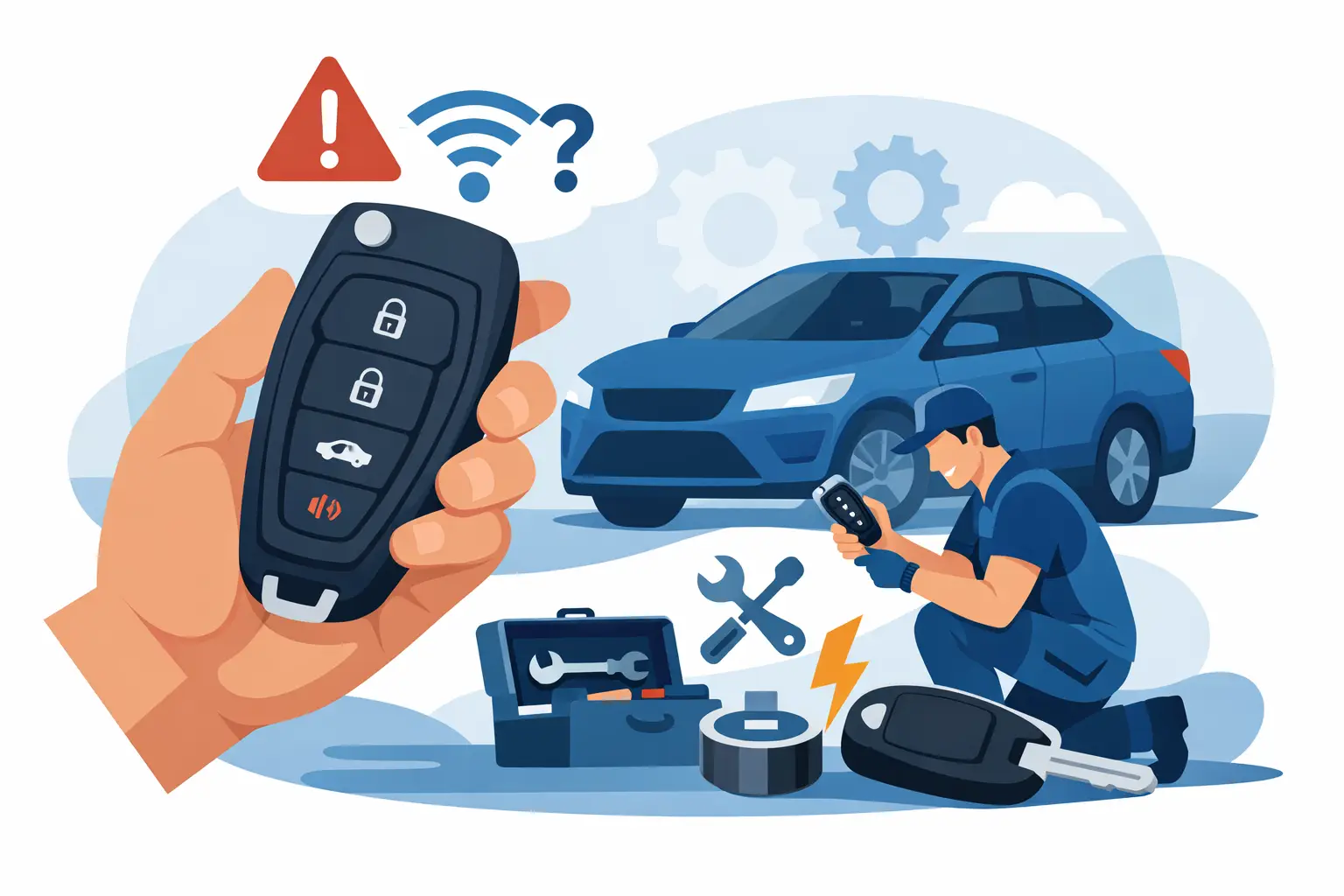
Ford Remote Key Not Working? Fix It Fast
You press the button, nothing happens, and suddenly a routine school run or work trip turns into a lockout problem. If your Ford remote key not working issue has appeared out of the blue, the good news is that many faults are straightforward to diagnose. The less good news is that not every non-working Ford key has the same cause, so guessing often wastes time and money.
For Ford owners and trade buyers alike, the right fix depends on whether the fault sits with the battery, the case, the remote board, the vehicle, or the programming. Some problems can be handled in minutes with a basic battery change. Others need a replacement remote, a new shell, or professional key programming. The key is narrowing it down properly before ordering parts.
Why a Ford remote key stops working
A Ford remote key is a small piece of electronics that takes daily knocks, pocket pressure, damp conditions and repeated button use. Over time, those weak points show up. The most common issue is still a flat or failing battery, but it is far from the only one.
Button wear is another regular fault, particularly on older three-button and flip key designs. The outer case may still look acceptable while the internal button contacts have started to collapse or split. In other cases, the circuit board is damaged after being dropped, crushed, or exposed to moisture. Trade customers will also know that poor quality previous repairs can cause intermittent faults that look like programming issues but are actually hardware related.
Then there is compatibility. Ford has used different frequencies, chip types and key formats across its model range. A remote that looks right is not always electronically correct for the vehicle. That matters when a replacement has been bought cheaply without checking the exact specification.
First checks when a Ford remote key is not working
Before replacing anything, start with the simple tests. If the buttons do nothing at all, try the spare key first. That immediately helps separate a vehicle issue from a single-fob problem. If the spare works normally, your main remote is the likely fault. If neither remote works, it may point to a vehicle battery issue, central locking fault, receiver issue, or a broader electrical problem.
Next, look at range. If the remote only works when you are standing right next to the car, the battery is often on the way out rather than completely dead. If it has become erratic after getting wet or being dropped, internal damage is more likely.
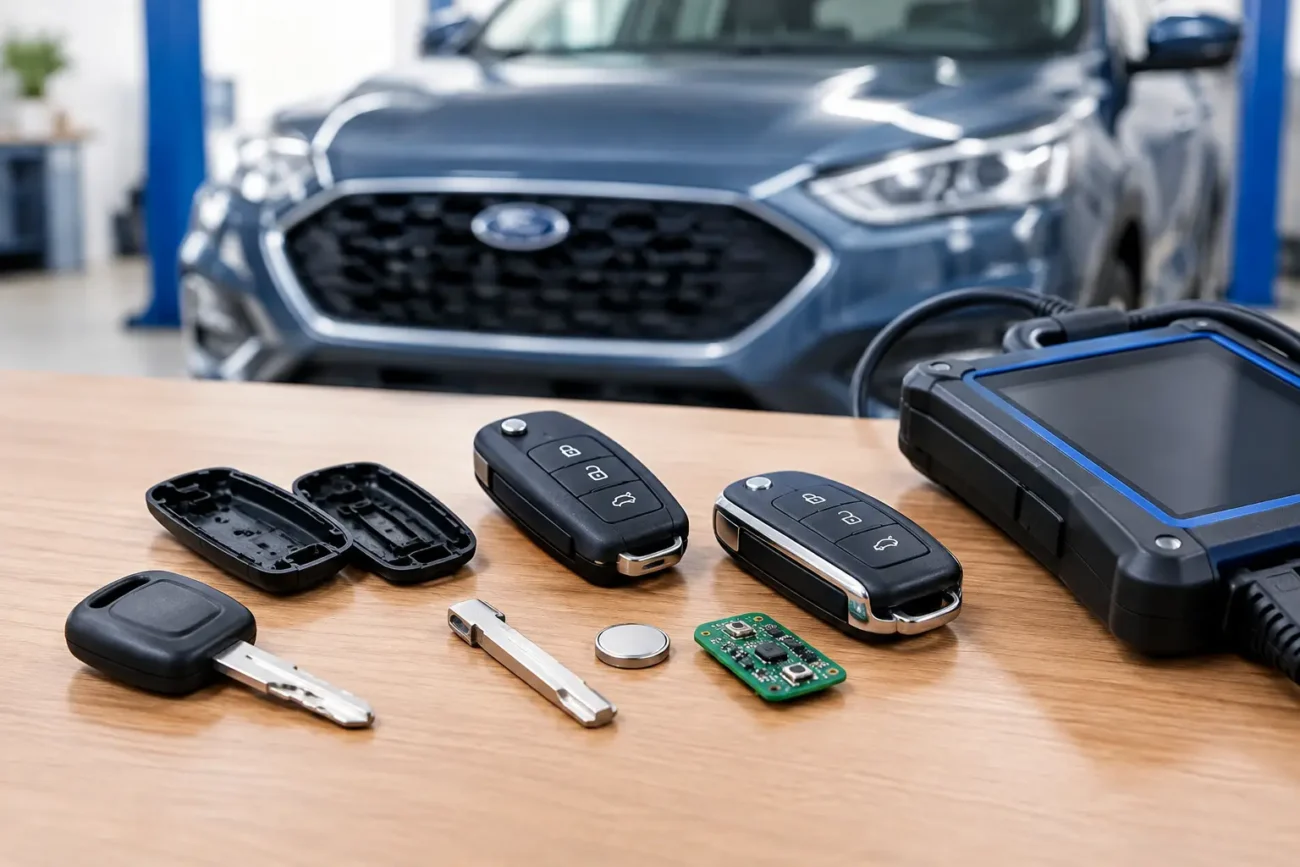
Check the shell carefully too. Cracked cases, loose blades, missing button pads and worn microswitch areas are common on used Ford keys. A key can fail mechanically before it fails electronically. Where the board is still good, a replacement shell may be all that is needed to restore normal use.
Battery problems are common, but not always the whole story
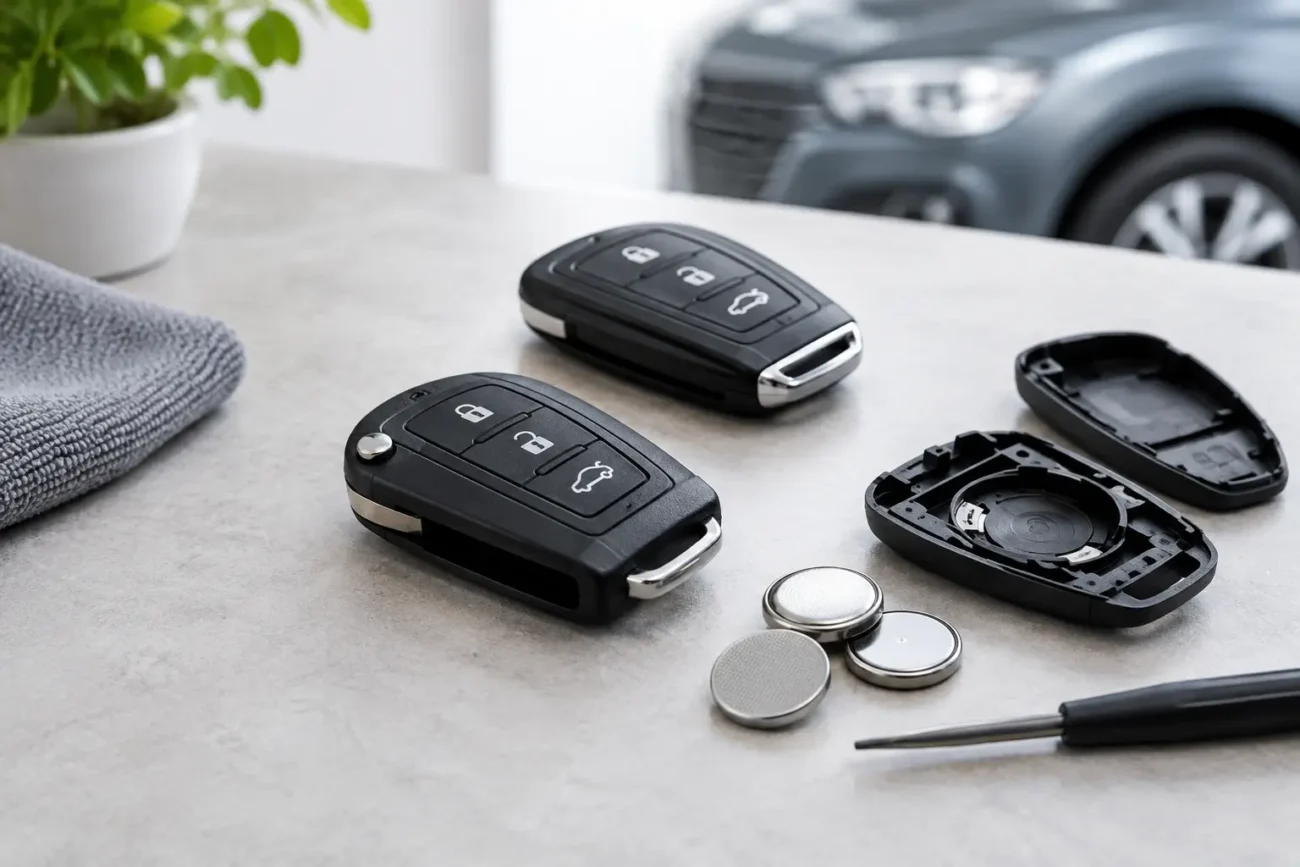
Battery replacement is usually the first sensible step because it is low cost and quick. Ford remotes commonly use coin cell batteries, and a weak cell can cause reduced range, delayed operation or total failure. If you fit a fresh quality battery and the remote starts working consistently again, that is the best-case result.
If a new battery changes nothing, do not assume the battery was never the issue. Check that it has been fitted the correct way round, that the battery contacts are clean, and that the terminals have not been bent away from the cell. A battery that is technically new but poorly seated can still leave the remote dead.
Check whether the key needs re-synchronising
Some Ford remotes can lose synchronisation after battery replacement or a period of non-use. This can look like total failure even when the board itself is fine. Depending on the Ford model and year, the re-sync process may be straightforward, but it is vehicle-specific, and not every key type follows the same steps.
This is one of those areas where guessing can create confusion. A key that has genuinely failed will not come back to life through repeated syncing attempts. Equally, a working remote that has lost sync may be replaced unnecessarily if this step is skipped.
When the fault is the shell, not the electronics
A surprising number of Ford key problems come down to physical wear rather than failed electronics. If the blade is loose, the flip mechanism has broken, or the rubber buttons have worn through, the remote may feel unusable even though the circuit board and transponder are still serviceable.
In those cases, transferring the internal components into a new replacement shell can be the most cost-effective route. For many owners, this avoids paying for a complete remote when only the housing has failed. For garages and locksmiths, it is a practical stock item because shell failures are so common on older Ford flip keys.
The trade-off is simple. A shell replacement only works if the internal board is functioning correctly. If the board has failed, a new case will improve appearance but not restore remote locking.
Signs the circuit board may be damaged
If your Ford remote key not working problem started after impact or water exposure, the board deserves close attention. Typical signs include buttons that only respond when pressed very hard, visible corrosion, missing components, snapped battery contacts or a key that works intermittently when squeezed.
Sometimes the solder joints at the microswitches fail. Sometimes the board is too badly damaged for economical repair. For retail customers, this usually points towards a replacement remote. For professional users, board-level inspection can help decide whether repair, shell transfer or full replacement is the better job outcome.
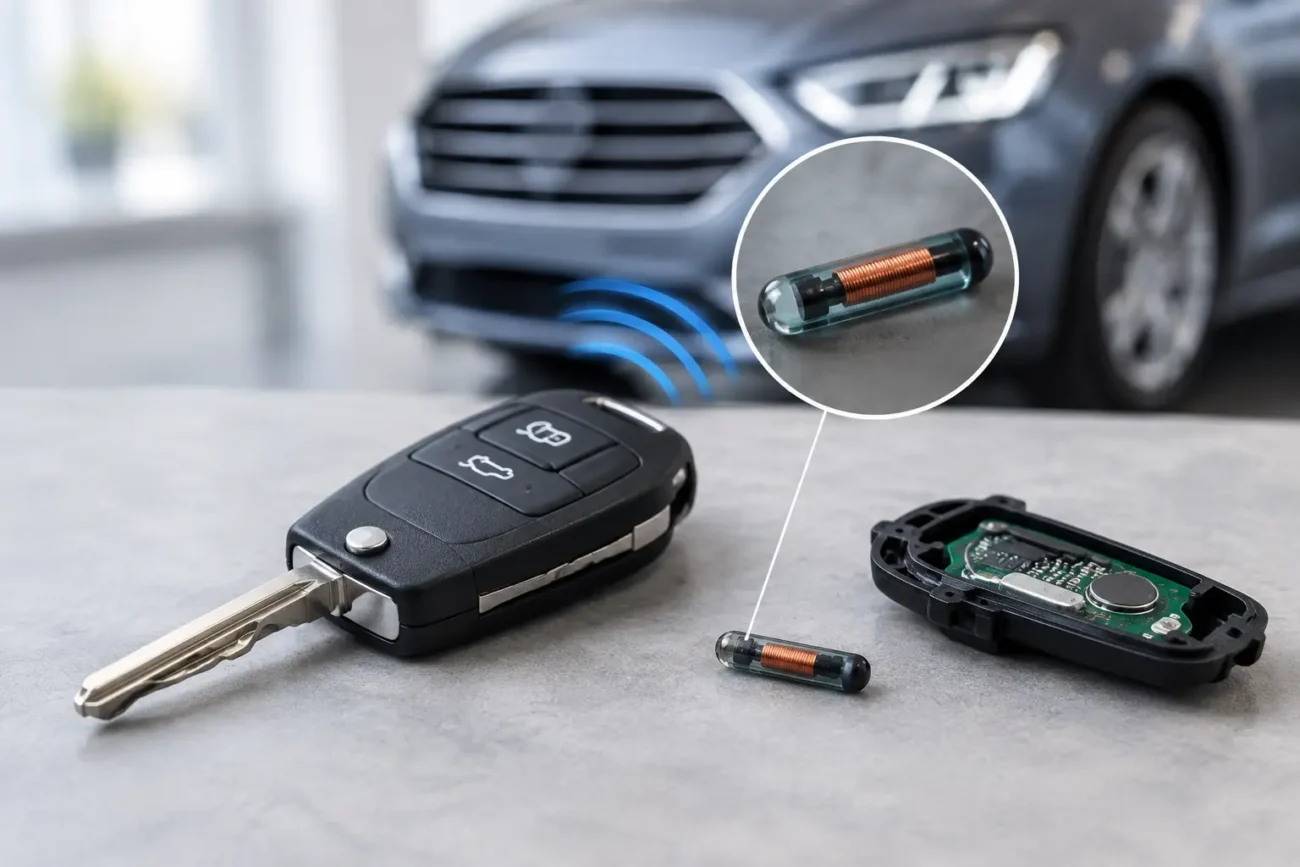
A damaged board also raises another point – the transponder chip for the immobiliser is separate from remote locking on some Ford keys. That means a key may still start the car even though the remote buttons no longer lock or unlock it. Owners often assume the whole key is dead when only the remote side has failed.
Ford replacement keys must match the vehicle properly
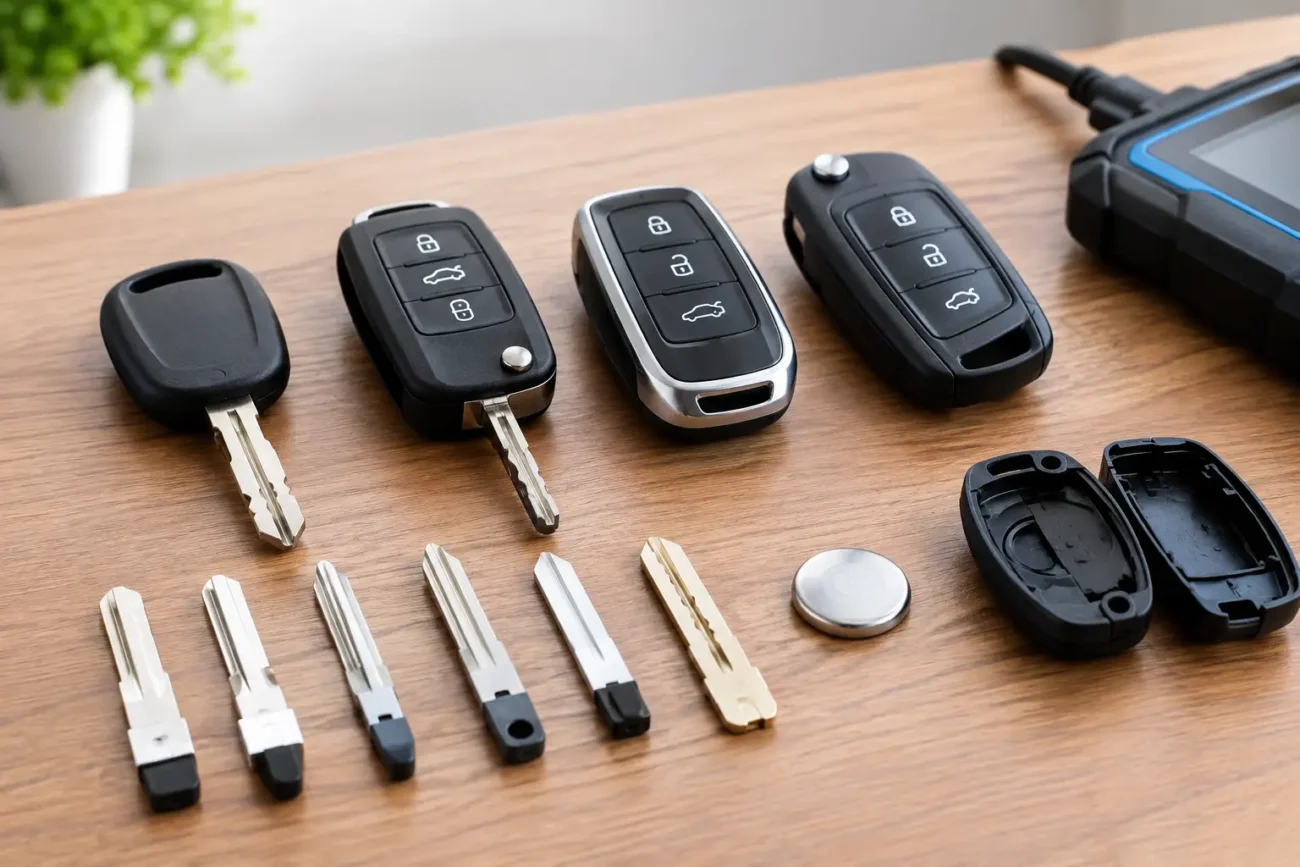
This is where many problems start. Ford keys can vary by button layout, blade profile, frequency and chip specification. Two remotes can look nearly identical but still not be interchangeable. Buying on appearance alone is risky.
For that reason, checking part numbers and exact vehicle compatibility matters more than cosmetic similarity. This is especially important for Fiesta, Focus, Mondeo, Transit and Kuga models, where multiple key versions exist across different production years. Trade buyers usually work from detailed identifiers for exactly this reason.
If the wrong remote has already been purchased, the symptoms may include complete non-response, failed programming attempts or limited functionality. The fix is not more programming time – it is sourcing the correct remote.
Will a replacement Ford remote need programming?
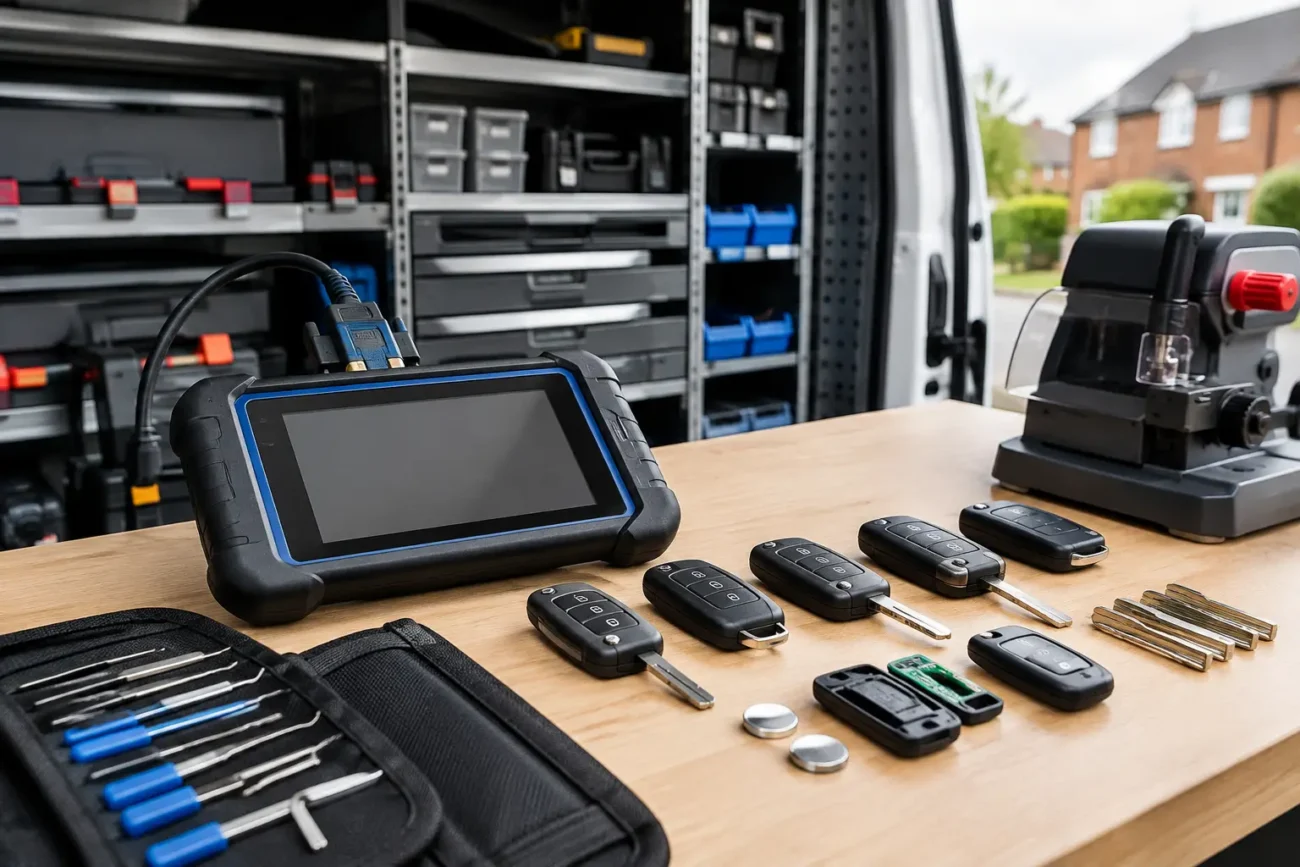
Often, yes. A replacement Ford remote may need to be programmed to the vehicle, and if it includes an immobiliser transponder, that side may require programming as well. The exact requirement depends on the vehicle generation, the type of key and whether you are replacing a remote-only function or a full start-and-drive key.
For some older Ford vehicles, owner programming may be possible for parts of the process. For many later vehicles, specialist equipment is needed. This is where a professional locksmith or automotive technician becomes the sensible option, particularly if all keys are lost or if security access procedures apply.
From a cost point of view, it is usually still far more affordable than dealer routes, especially when using a correctly matched aftermarket remote or replacement shell from a specialist automotive key supplier.
When to repair, and when to replace
If the battery is flat, replace the battery. If the shell is cracked but the internals are sound, replace the shell. If the board is damaged, or the buttons have failed beyond practical repair, replacement is usually the better route.
For trade customers, the decision often comes down to labour time versus part cost. Spending too long trying to rescue a heavily worn remote can cost more than fitting a quality compatible replacement. For retail customers, the main priority is usually getting back to reliable daily use without dealership pricing.
Global Keys Direct supplies model-specific replacement shells, remotes, smart keys and programming-related products for Ford and many other makes, which is exactly why compatibility detail matters. The right part saves repeat jobs, returns and frustration.
A quick way to avoid repeat Ford key problems
Once your remote is working again, it is worth thinking beyond the immediate fix. If you only have one working key, you are one lost or broken remote away from a more expensive problem. Keeping a spare key or spare shell ready is usually cheaper than dealing with an urgent failure later.
It also pays to avoid preventable damage. Heavy keyrings put stress on the case, moisture attacks the board, and cheap unknown batteries can create false fault-finding. None of that is complicated, but it does make a difference over time.
If your Ford remote has stopped working, the best approach is not trial and error. Check the battery, inspect the shell, confirm the board condition, and verify the exact compatibility before ordering anything. A precise fix is nearly always faster than a cheap guess, and a lot less frustrating when you need the car today.
Add a review
Your email address will not be published. Required fields are marked *