
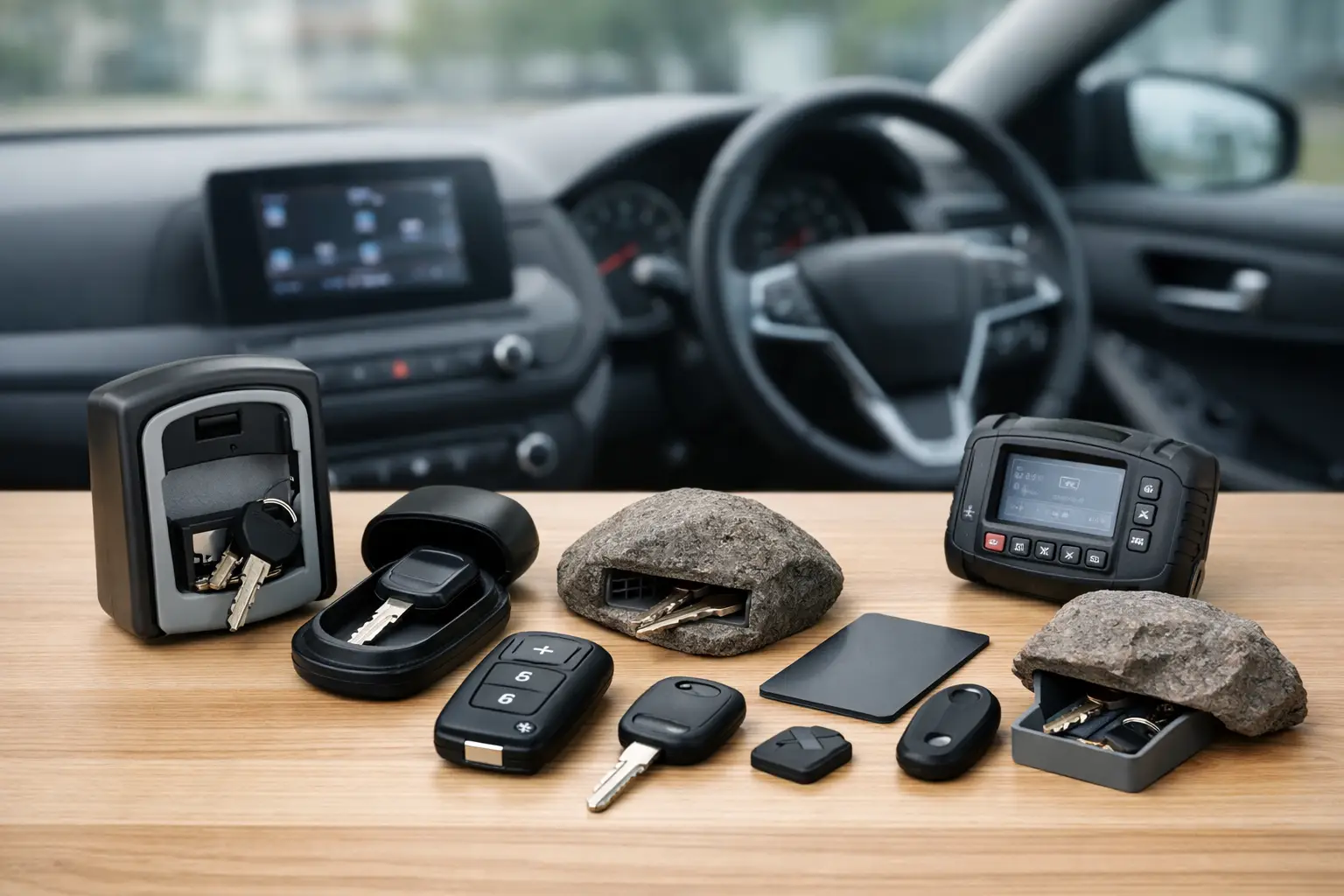
7 Best Spare Key Options for Families
School run at 8:15, one parent already late, and the only working car key has disappeared into the wrong coat pocket. That is usually when families start thinking seriously about the best spare key options for families – not as a nice extra, but as basic household contingency planning. If more than one adult drives the same vehicle, or if older children occasionally need access, a single key quickly becomes a weak point.
For most households, the right answer is not simply buying the cheapest spare available. It depends on how the car is used, who needs access, and whether convenience or cost matters more. A family with one shared hatchback has very different needs from a two-car household with keyless entry, school bags, sports kits and changing routines every week.
What makes the best spare key options for families?
The best spare setup usually balances three things: reliability, compatibility and practicality. A spare key that saves money but fails after a few months is poor value. Equally, buying the most advanced option for a car that only needs a simple backup can mean paying for functions you do not actually use.
For family use, the first question is whether the spare is meant to be a full everyday key or an emergency-only backup. If two adults regularly share one vehicle, a proper remote or smart key is often the sensible choice because both drivers need the same convenience. If the spare is only there for lockout protection, a simpler solution may be enough.
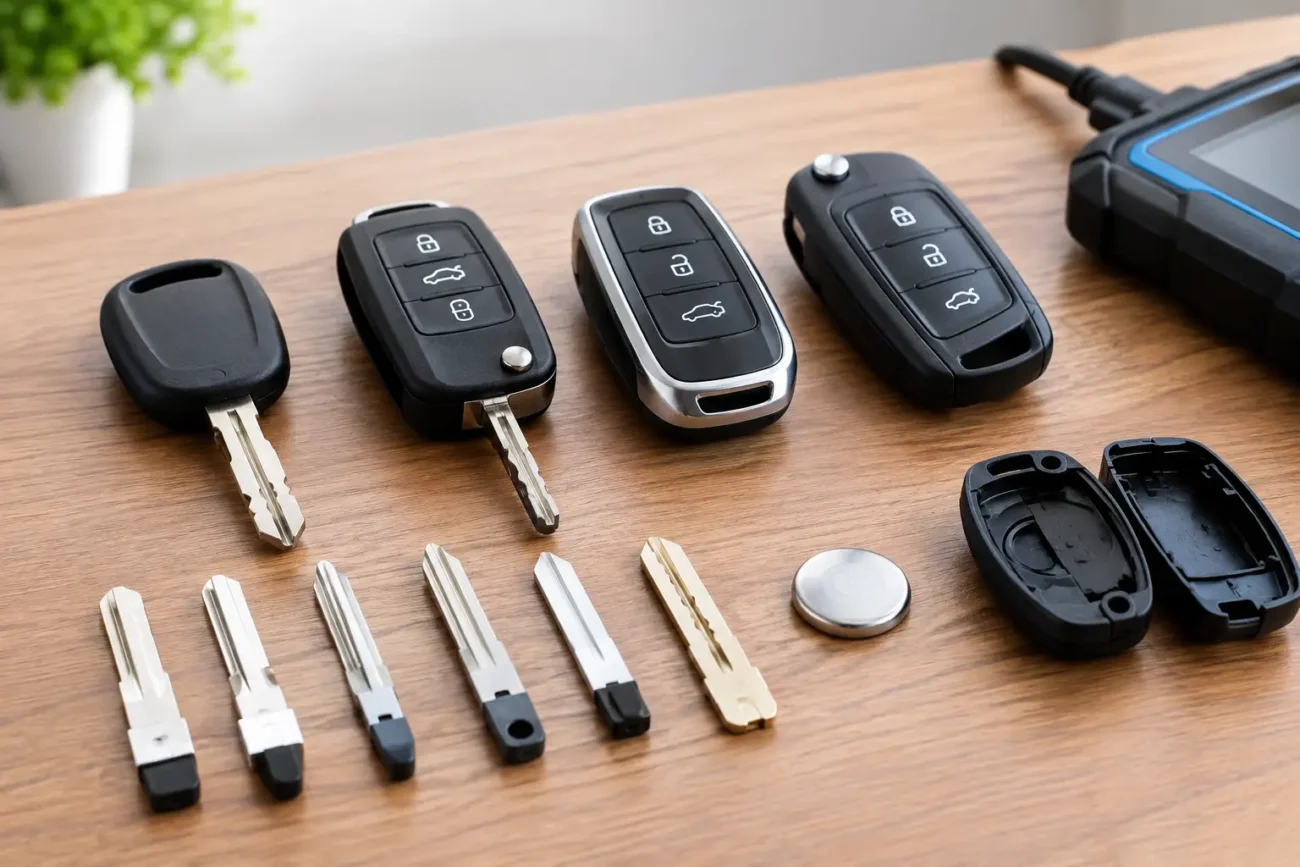
Compatibility matters just as much as price. Car keys are not one-size-fits-all. Button layout, blade profile, transponder chip type, frequency and onboard electronics all need to match the vehicle specification. On newer vehicles, especially with proximity start systems, checking the part number and fitment details is essential before ordering.
Full remote spare keys for shared family cars
For many households, a full remote key is the strongest all-round option. It gives the second driver proper daily usability, including remote locking, unlocking and, where applicable, boot release. That matters more than people expect. Families rarely use cars in ideal conditions. You are usually carrying shopping, dealing with rain, loading prams or trying to get children strapped in quickly.
A full remote spare tends to suit homes where both adults drive the same car several times a week. It also reduces wear on the original key because usage is split across two units instead of one. Over time, that can help avoid broken buttons, cracked shells or worn blades.
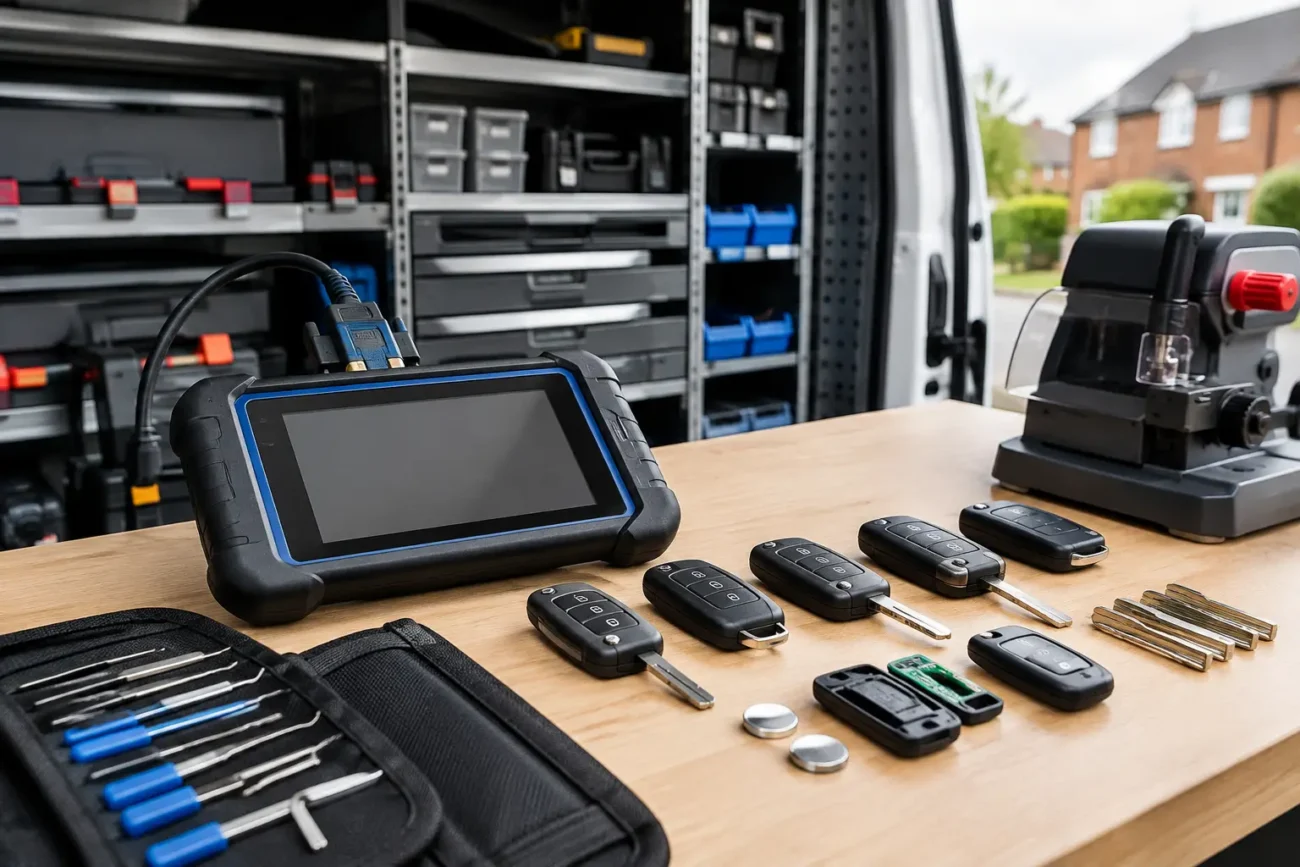
The trade-off is cost. A complete remote key generally costs more than a basic shell replacement or emergency blade, and many vehicles will require programming before the key can be used properly. For some models, that is straightforward for a qualified professional. For others, especially later smart key systems, the process is more specific. If you are buying a remote spare, always check the technical details rather than assuming two similar-looking keys are interchangeable.
Smart keys for keyless-entry households
If the vehicle already uses a proximity or keyless system, the best spare key option is usually another compatible smart key rather than a compromise. Families who are used to passive entry and push-button start often find a downgrade frustrating very quickly. When one key works with full convenience and the other does not, the spare can end up sitting in a drawer instead of solving the problem it was bought for.
A proper smart key spare is particularly useful where one parent handles school drop-off and the other uses the car later in the day. No handover, no searching, no disrupted plans. For households that run on tight timing, that consistency is valuable.
The downside is that smart keys are among the most specification-sensitive options. Frequency, board type, emergency blade format and model-year compatibility all need to be checked carefully. On some vehicles, even small differences matter. This is one area where buying by appearance alone is a common mistake.
Basic transponder keys for lower-cost backup
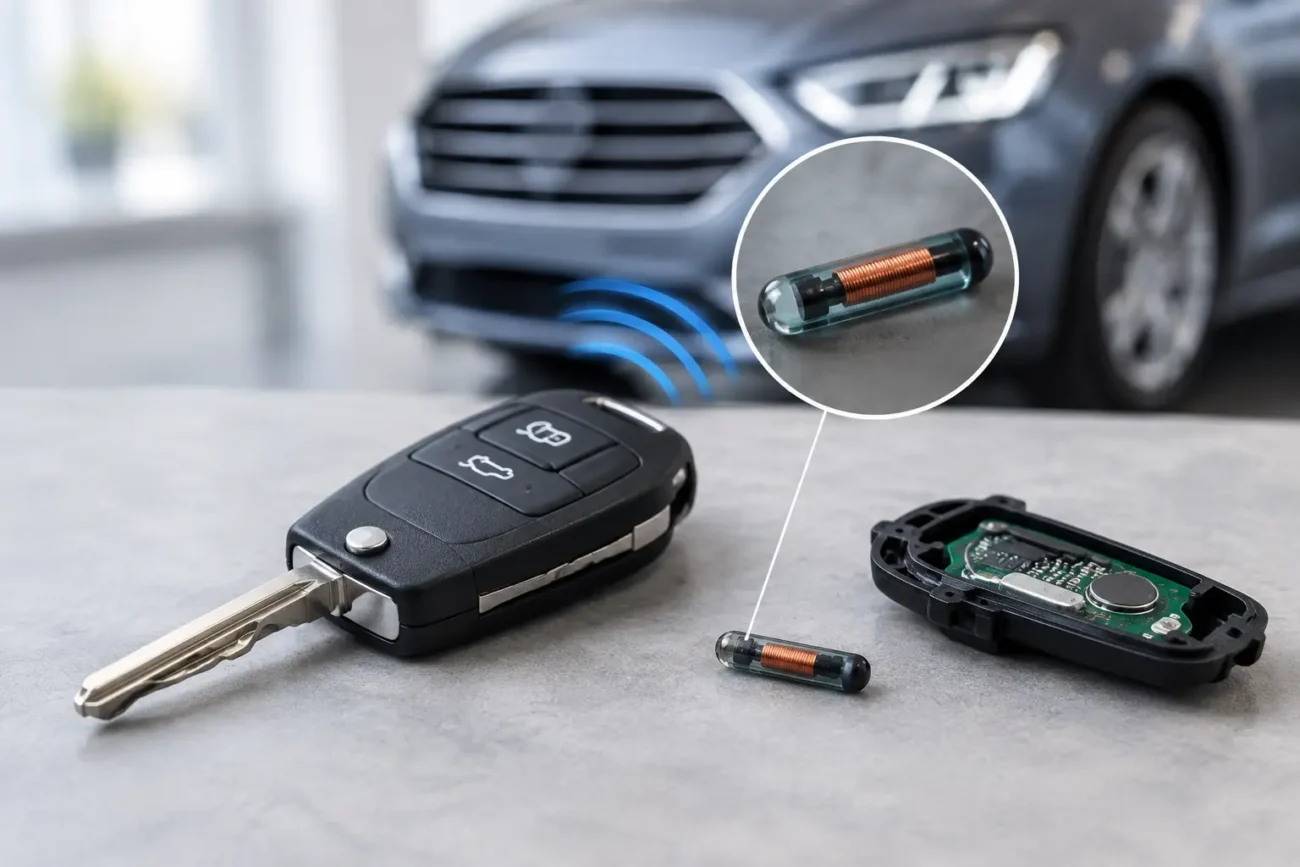
Not every family needs a second fully featured remote. For older vehicles or second cars used less often, a basic transponder key can be a sensible budget-conscious spare. It gives you a startable key with the immobiliser chip required by the vehicle, without necessarily including full remote functions.
This works well for households that simply want to avoid being completely stranded if the main key is lost or damaged. It can also suit cars kept mainly for local errands, learner-driver use or as a backup vehicle.
There is a clear compromise here. A transponder key may get you driving, but it does not always provide the same convenience as a remote fob. If you are regularly opening the car while carrying children or bags, you may feel that limitation every day. Still, for pure resilience at lower cost, it remains one of the more practical options.
Spare key shells when the electronics still work
Sometimes the issue is not that a family needs another programmed key straight away. The real problem is that the existing spare is physically falling apart. Worn buttons, split cases and loose blades are common on well-used keys, especially in busy households where keys are dropped, sat on or buried in bags.
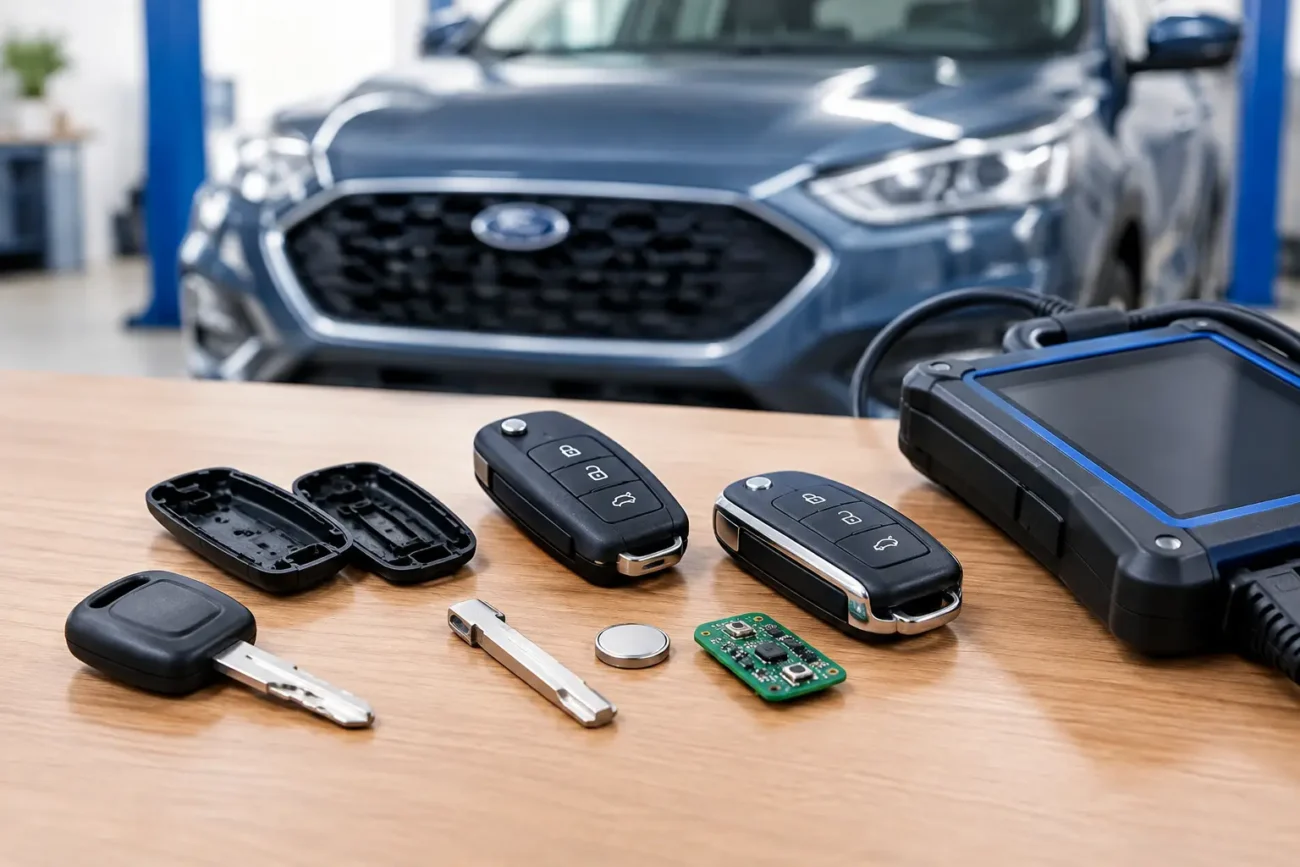
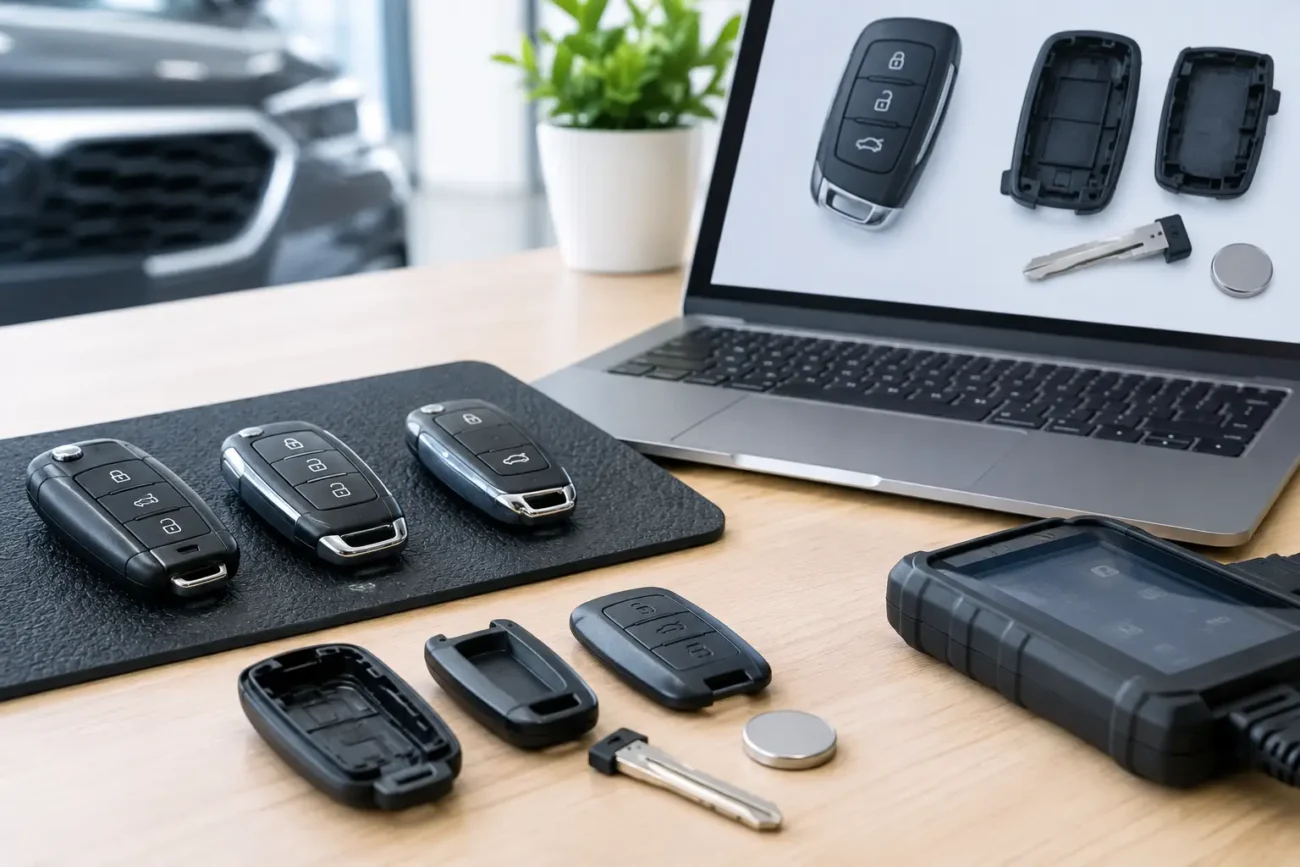
In those cases, a replacement key shell can be an efficient fix. If the internal electronics and chip are still functional, moving them into a new shell can restore everyday usability without replacing the entire key. For families trying to keep a second key serviceable at sensible cost, this is often overlooked.
It is not the right answer if the board is faulty, the transponder is missing, or the key was never programmed correctly in the first place. But if the spare exists and is just too damaged to rely on, a shell replacement can extend its life considerably.
Emergency metal blade or manual-access backup
Some families want a key option that stays hidden at home rather than being used day to day. In that case, an emergency blade or manual-access backup may make sense, depending on the vehicle. This is not about bypassing security or creating a casual hidden key on the car. It is about ensuring there is at least one secure fallback if both daily keys are misplaced.
For some models, that might mean keeping a properly cut spare blade in a secure location at home. For others, especially vehicles with integrated smart keys, the emergency element is only part of the access solution and still needs to match the vehicle system correctly.
This kind of backup is useful, but limited. It is better viewed as a contingency layer than a replacement for a proper second working key.
The best spare key options for families with teen drivers
When older children start driving the family car, spare key planning changes. At that point, the issue is not just backup. It is about controlled access, routine and the risk of one key constantly moving between people.
A separate dedicated key for the younger driver is often the cleanest arrangement. It helps avoid last-minute confusion and reduces the chance of keys being left in school bags, sports kit or the wrong bedroom. It also means the main drivers keep their own key instead of depending on handovers.
Here, a full remote or smart key is usually worth considering if the teenager is a regular user. If they only drive occasionally, a more basic spare may still be enough. It depends on frequency of use and how much inconvenience the household is willing to tolerate.
What families should check before buying
The biggest mistakes happen before the key is even ordered. Buyers often focus on vehicle make and model, but that is only the starting point. Year range matters. So do frequency, transponder type, blade style, number of buttons and the original part reference where available.
If you are buying for a Ford, BMW, Toyota, Vauxhall, Audi, Peugeot, Hyundai, Kia, Land Rover or Mercedes, there may be multiple key variants across what looks like the same vehicle line. That is why checking the existing key against the product specification is usually the safest route.
For trade buyers and technically confident customers, this is standard practice. For retail buyers, it is the difference between ordering once and ordering twice. A specialist supplier such as Global Keys Direct typically makes this process easier by listing compatibility information in product terms buyers can actually work with.
Which option is best for most households?
For most families sharing one main car, the best answer is a properly matched full remote spare, or a compatible smart key if the vehicle uses keyless entry. That gives both convenience and resilience, which is what family life usually demands.
If budget is the priority, a transponder spare can still provide useful protection against a total key loss scenario. And if the spare already exists but is physically damaged, a replacement shell may be the most cost-effective fix.
The sensible choice is rarely the flashiest one. It is the key option that fits the vehicle properly, works when needed, and removes stress from everyday use. When one working key stands between your household and a missed school run, the best spare is the one you sort before that day arrives.
Add a review
Your email address will not be published. Required fields are marked *