
Next Generation Smart Key Systems Explained
A modern car key is no longer just a cut blade with a basic remote. Next generation smart key systems combine proximity entry, push-button start, encrypted transponder communication and vehicle-specific electronics in one compact device. For drivers, that means more convenience. For locksmiths, garages and key programmers, it means replacement work now depends far more on compatibility detail than simple key cutting.
That shift matters at the point of purchase. If you are replacing a damaged smart key, adding a spare, or sourcing stock for daily workshop jobs, the right part is defined by more than make and model alone. Frequency, button layout, blade profile, PCB design, transponder type and supported programming method all come into play. Get those details right and the job moves quickly. Get them wrong and you lose time, margin and customer confidence.
What next generation smart key systems actually include
The phrase next generation smart key systems is often used broadly, but in practical terms it refers to the newer wave of vehicle access and start solutions that go beyond traditional remote central locking. These systems usually combine remote locking functions with passive keyless entry, immobiliser authorisation and push-start operation.
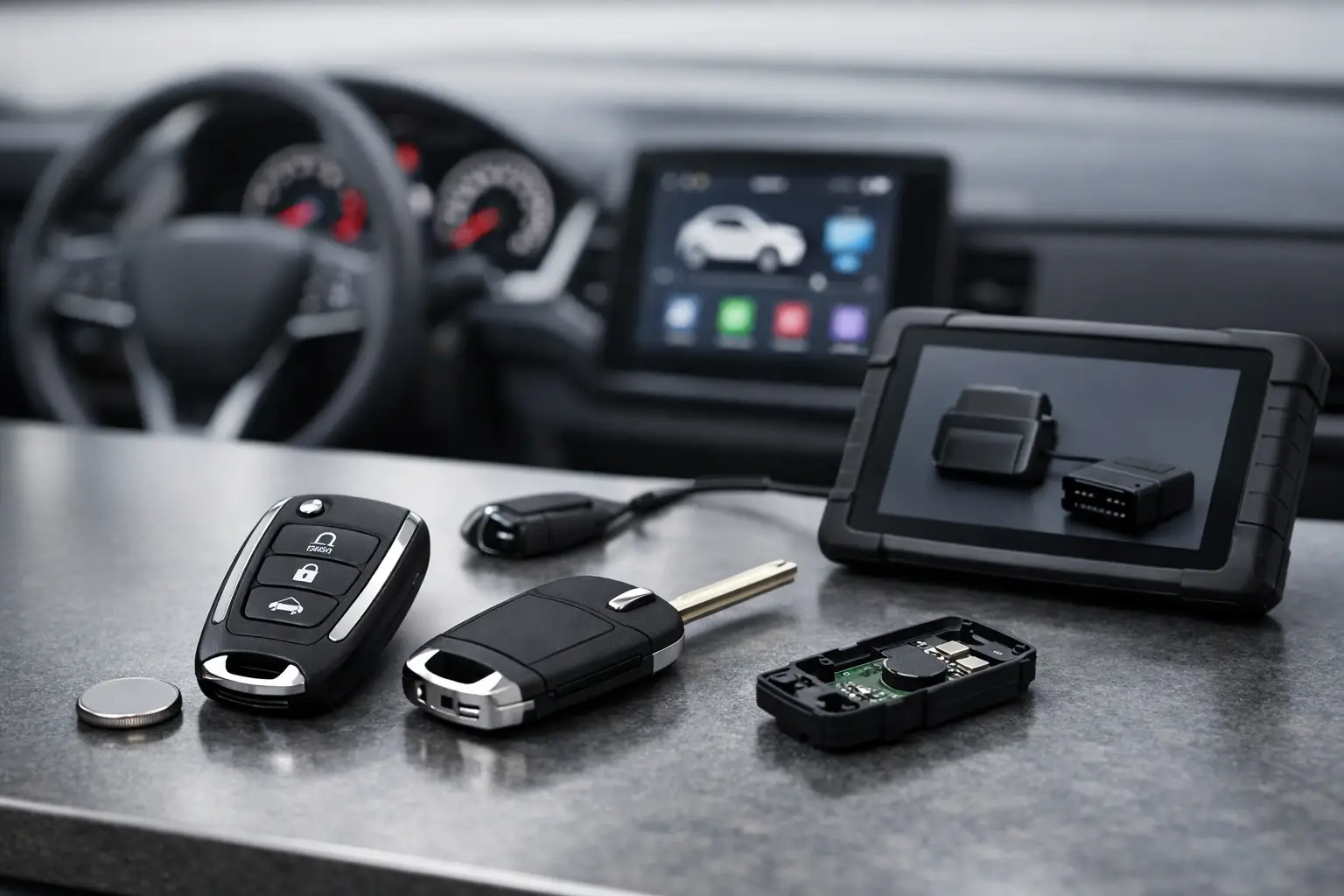
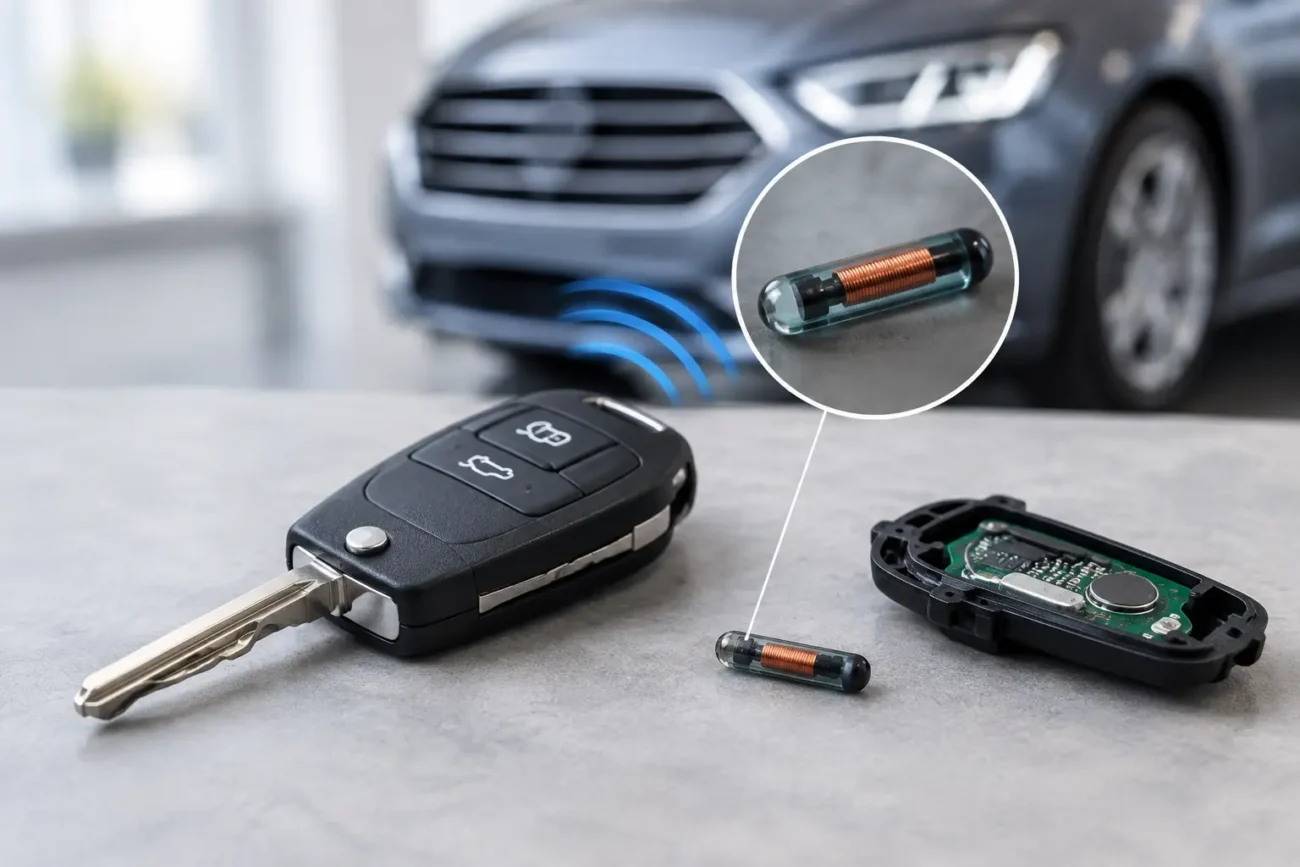
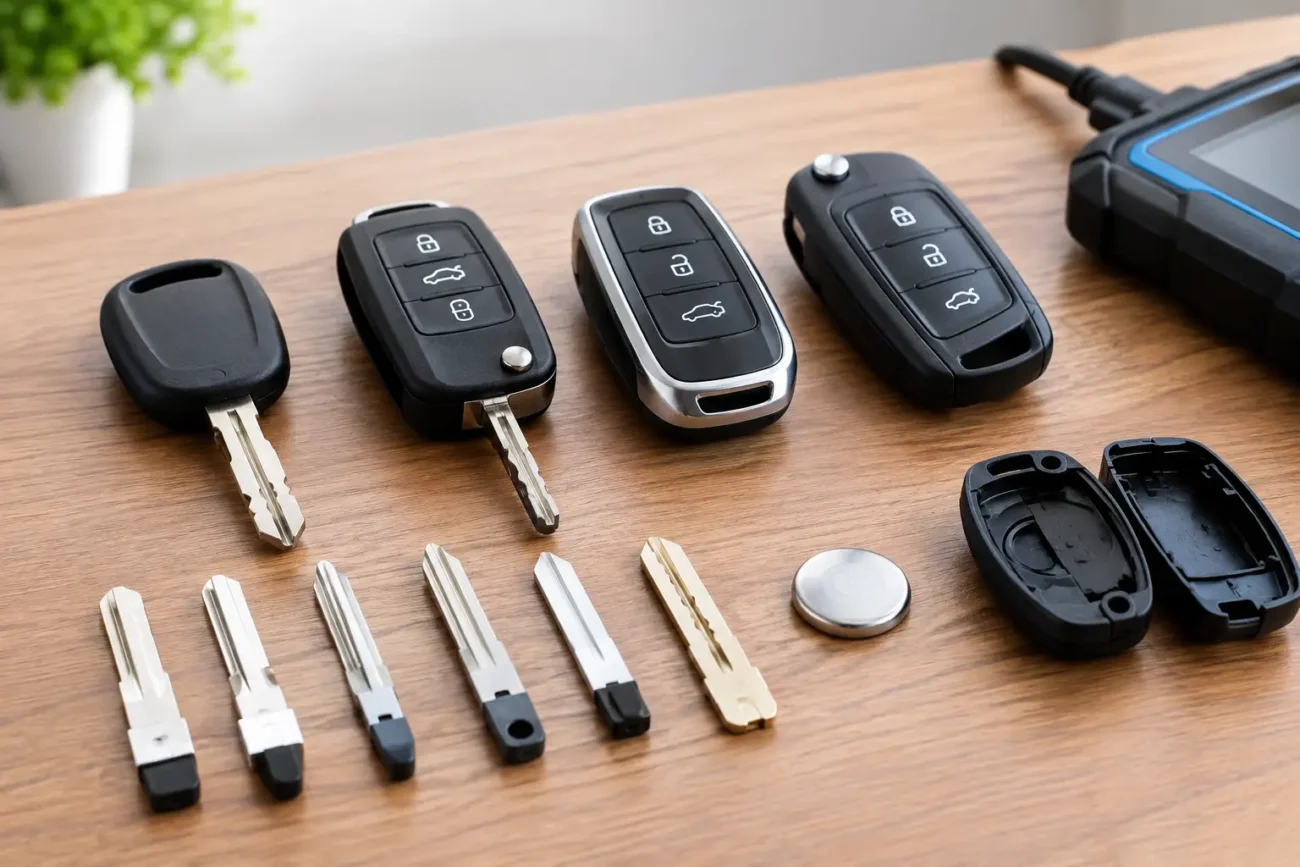
Inside the key, there may be a remote circuit board, a transponder chip, a battery, emergency blade and model-specific housing. On the vehicle side, the system works with antennas, body control modules, immobiliser components and software protocols. That is why two keys that look almost identical can behave very differently once programming begins.
For trade buyers, this also explains why stock selection needs to be disciplined. Visual similarity is not enough. A shell may match physically while the board does not. A remote may transmit on the wrong frequency. A key may support the correct button count but carry the wrong chip type for the intended vehicle.
Why newer smart key systems are more demanding
The biggest change is integration. Older keys were often simpler to diagnose because remote locking and immobiliser functions were more separate. With newer systems, multiple functions are tied together, so a fault may present as a battery issue, a proximity issue, a programming issue or a damaged PCB.
Security has improved as well, which is good for vehicle protection but adds complexity for replacement work. Encrypted communication, rolling code functions and manufacturer-specific programming procedures mean there is less room for guesswork. Some jobs are straightforward with the correct tool and pre-checked part. Others depend on platform generation, software version or whether the key is aftermarket, OEM-board based or a shell-only repair.
This is where it helps to think in use cases rather than broad categories. A customer with a worn casing and intact electronics may only need a replacement shell or blade. A customer with water damage may need a complete smart key. A workshop handling repeated makes and models may prefer programmable universal options where appropriate. The right answer depends on the job, not the label.
What buyers should check before ordering
When dealing with next generation smart key systems, compatibility is the first filter and should never be treated as a rough match. Vehicle registration alone is rarely enough. Buyers should compare the original key against the replacement specification carefully.
The essential checks usually include part number, frequency, number of buttons, blade type, transponder chip, and housing style. For some vehicles, board layout and battery position can also matter. If the key is for a proximity system, the product must support that specific keyless function rather than just standard remote locking.
For retail buyers, this can sound technical, but it saves expensive mistakes. For trade buyers, it is standard process and worth maintaining on every booking, especially when ordering stock in volume. A few extra minutes confirming the details often prevents delays later at the bench.
The difference between shell, remote and complete smart key
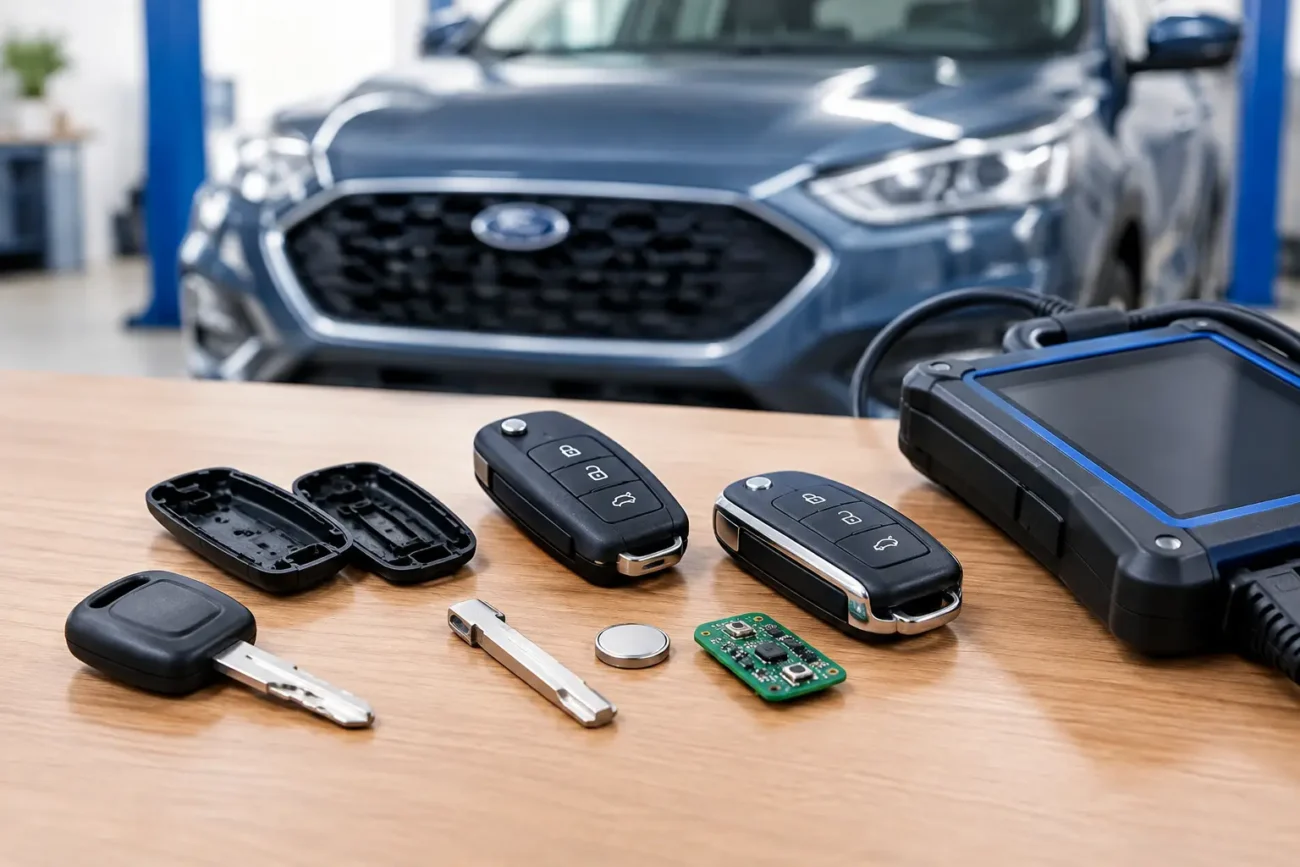
This is one of the most common points of confusion. A shell replacement is usually the right choice when the casing, buttons or blade holder are worn, but the internal electronics still work properly. It is a cost-effective repair route and often enough for heavily used keys with split housings or damaged rubber buttons.
A remote or full smart key replacement is different. That is usually needed when the board has failed, the transponder is damaged, the proximity function is inconsistent, or the original key is missing altogether. In those cases, programming and cutting requirements must be checked before purchase.
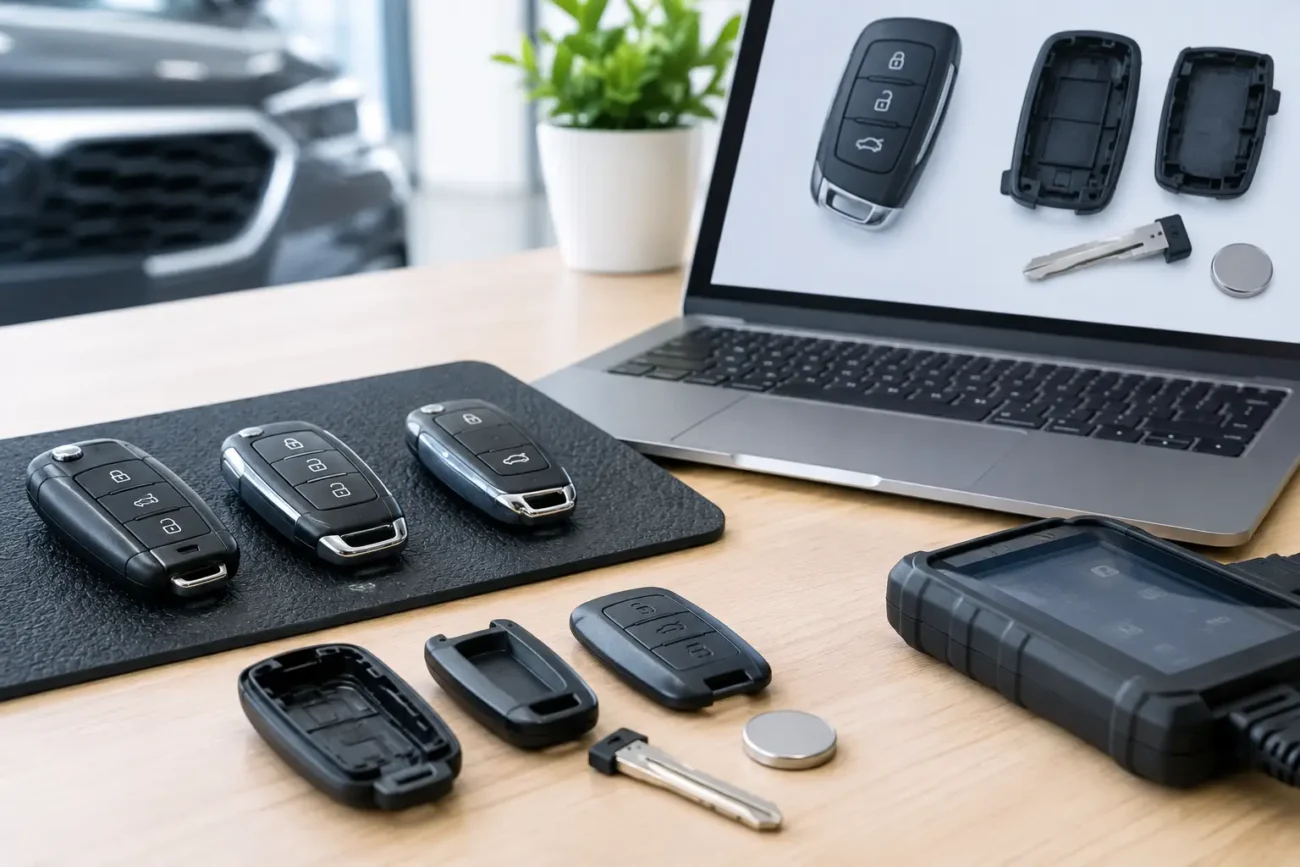
For workshops, carrying all three categories makes sense because customer jobs do not fail in the same way. Some need cosmetic repair, others need electronics, and some need a complete programmed solution.
How the aftermarket fits into newer key technology
The aftermarket has become far more capable in this area. Buyers can now source replacement shells, remotes, smart keys, key blades and programming tools for a wide range of vehicle brands without defaulting to dealer-only routes. That is especially useful when lead time, cost control and repeat trade work matter.
That said, not every aftermarket option suits every job. Some buyers prefer model-specific replacements that mirror the original layout closely. Others use universal or programmable remotes to improve stock efficiency. Both approaches have value. The best option depends on the vehicle platform, the equipment available and how quickly the job needs to be turned around.
A dependable supplier matters here because the modern key market is specification-led. Good listings should give enough technical information to support informed ordering rather than vague product descriptions. For both retail and trade customers, that level of detail reduces returns and keeps work moving.
Tools and programming in next generation smart key systems
Programming is where the gap between old and new key systems becomes most obvious. Some vehicles allow relatively direct programming with supported tools. Others require more advanced diagnostics, pre-coding, data handling or platform-specific procedures.
That does not mean every newer system is difficult. It means preparation matters more. Before taking on a job, professionals should confirm whether the vehicle supports onboard procedures, diagnostic programming, dealer-style coding pathways or specialist tool workflows. Tool coverage should also be checked against the exact vehicle application, not just the badge on the bonnet.
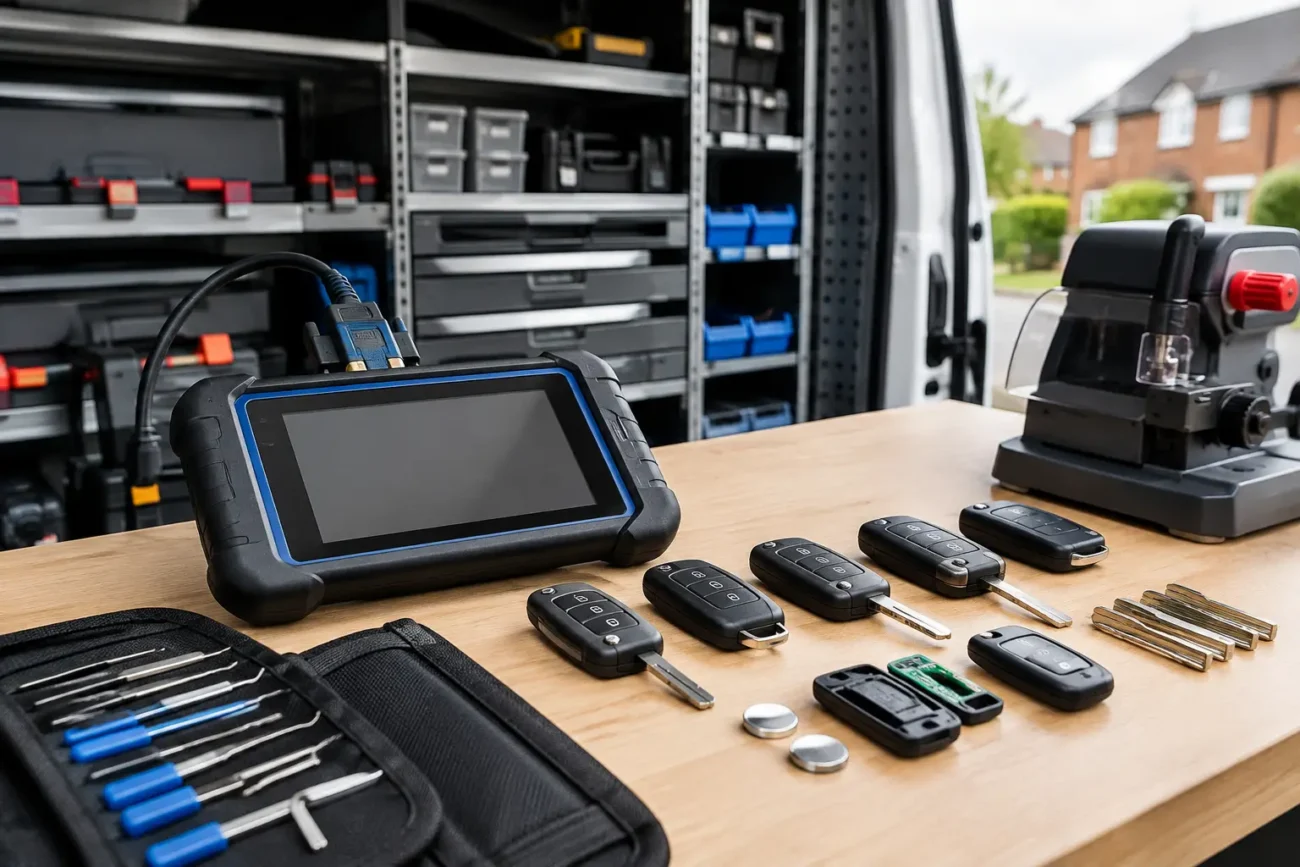
For garages and locksmiths, this is where product range matters. Access to replacement remotes alone is useful, but access to compatible blades, batteries, shells and programming tools creates a much more efficient workflow. If one part of the job changes, the solution is still close to hand.
Common faults that look like key failure
Not every smart key problem is caused by a dead key. A weak battery is the obvious starting point, but worn button contacts, damaged shells, cracked solder joints and failed proximity coils can all create intermittent behaviour. On the vehicle side, antenna or module issues may mimic a key fault.
That is why diagnosis should come before replacement where possible. If the shell is physically damaged but the board tests fine, a shell swap may be all that is needed. If locking works at close range but passive entry does not, the issue may be more specific. Precision saves money for the customer and time for the technician.
What drivers and trade buyers should expect next
Vehicle key technology is moving towards tighter integration, not less. More models are using advanced proximity functions, smarter immobiliser communication and increasingly specific electronic architectures. Replacement demand will stay strong, but the buying process will continue to reward accuracy.
For drivers, that means keeping a working spare is still one of the most sensible preventative steps. Leaving it until the only key is damaged or lost usually narrows the options and adds urgency. For trade buyers, it means building stock around reliable high-rotation applications, clear compatibility data and programming support that matches the vehicles you see most often.
At Global Keys Direct, that practical approach is what matters most: matching the right key product, shell, blade or tool to the exact job so customers can get back on the road without paying dealership-level costs where an aftermarket solution is suitable.
Choosing well in a more complex market
The smart key market is more advanced than it was even a few years ago, but it is not harder to navigate when you focus on the details that matter. Check the original part carefully. Verify frequency, chip, blade and button configuration. Separate cosmetic repairs from electronic faults. And if the job involves programming, confirm the method before ordering.
That is the real story behind next generation smart key systems. They offer more convenience and stronger security, but they also demand better product matching. For anyone buying a spare key, replacing a damaged unit or sourcing trade stock, careful selection is not a small extra – it is the difference between a quick fix and a wasted order.
When the details line up, modern key replacement is far more straightforward than many buyers expect.
Add a review
Your email address will not be published. Required fields are marked *