
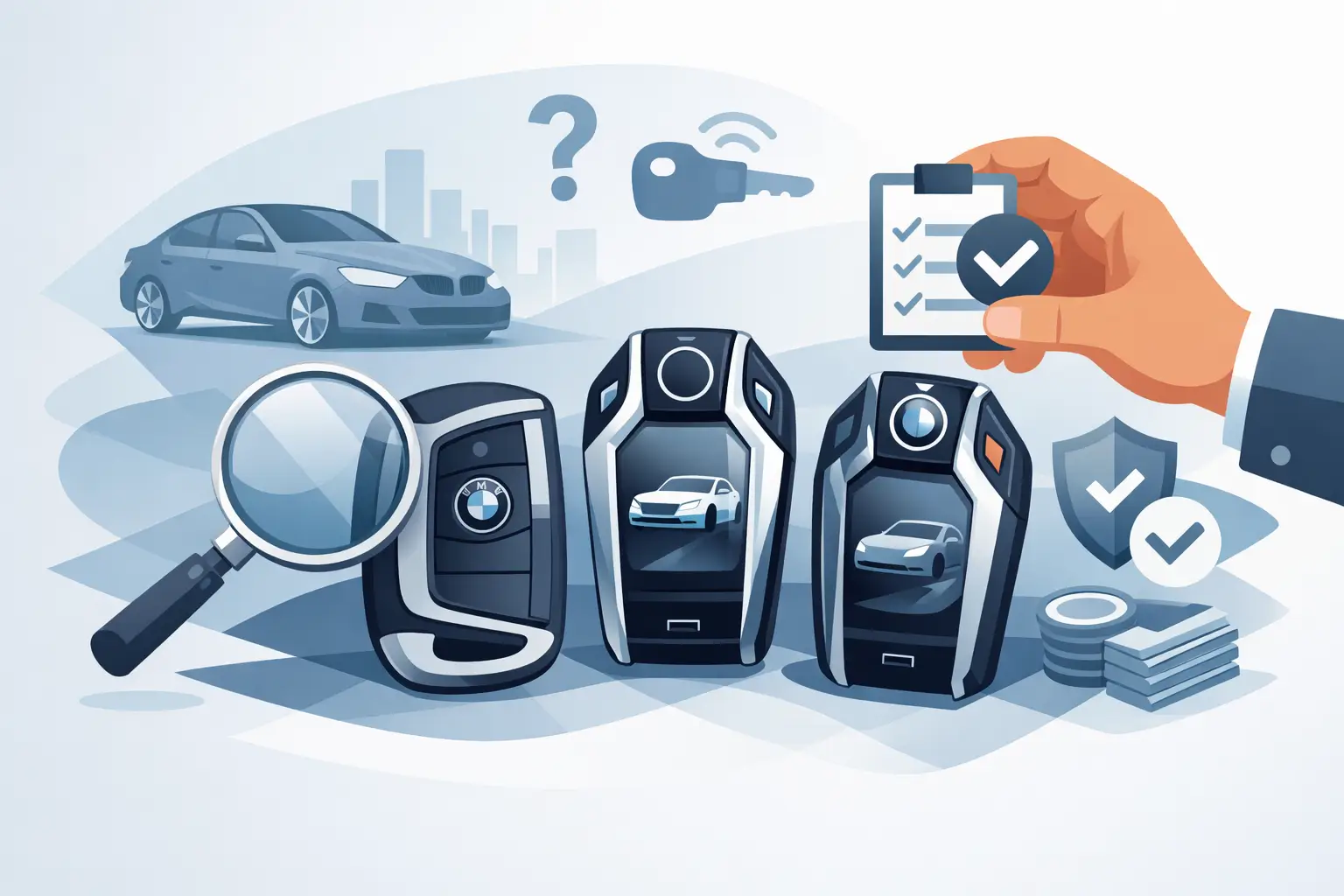
BMW key shells: what to check before buying
A worn BMW key usually gives up in small ways first. The buttons go soft, the casing splits at the seam, the blade loosens, or the badge falls away after years in a pocket, toolbox or cup holder. In many cases, BMW key shells are the sensible fix – not a full replacement key, not a dealership-priced remote, just a new outer case that restores daily use if the internal electronics still work.
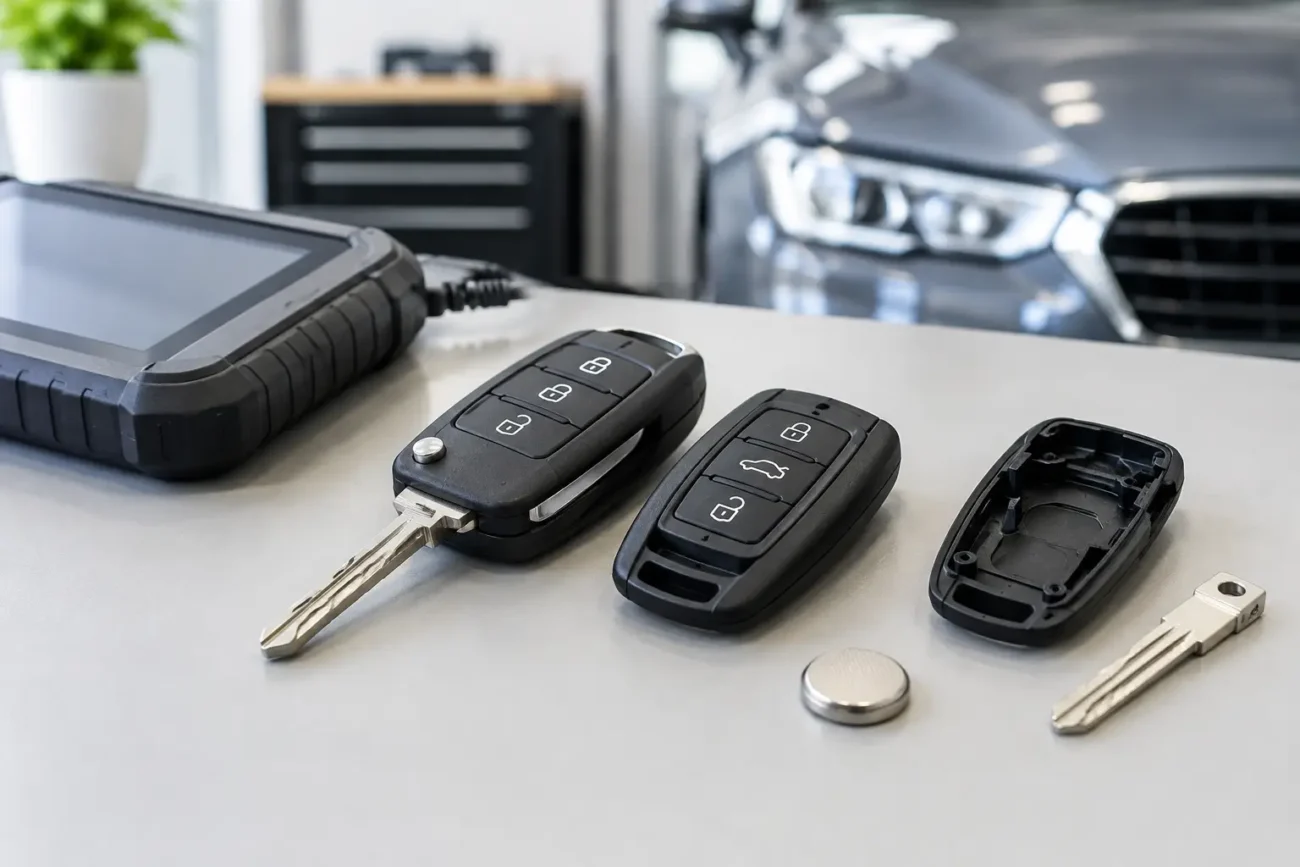
That distinction matters. A key shell is the housing only. It is designed to take your existing remote board, transponder position, battery arrangement and, depending on the style, the key blade or emergency insert. If the internal board is damaged, waterlogged or no longer transmitting, a shell on its own will not solve the problem. But when the issue is cosmetic wear or physical breakage, replacing the shell is often the fastest and most cost-effective route.
When BMW key shells are the right solution
The best candidates for a shell replacement are keys that still start the vehicle or still operate the central locking, but have a damaged case. That might mean cracked plastic, broken button pads, a snapped hinge on flip-style variants, or a blade that no longer sits securely. For many BMW owners, the electronics outlast the casing by a wide margin.
This is also a common trade job. Locksmiths and garages regularly see BMW remotes where the printed circuit board is fine, but the customer can barely press the lock button or the shell has worn through around the edges. In that situation, replacing the housing preserves the original internals and avoids unnecessary cost.
It depends, though, on what has failed. If the key has stopped communicating altogether, the battery contacts on the board are damaged, or the transponder is missing, you may be looking at a complete replacement remote or smart key rather than a shell. A shell is a physical refurbishment part, not an electronic repair in itself.
Why compatibility matters more than appearance
BMW keys can look very similar at first glance. That is where buyers get caught out. Two shells may have the same badge position and a near-identical button layout, yet have different internal fixing points, different blade arrangements or a different battery tray design.
The first check is always the existing key. Match the button count, the overall shell shape, the blade style if there is one, and the way the shell opens. Pay attention to whether you have a standard remote key, a flip-style key, or a proximity smart key with an emergency insert. BMW has used several designs across different model years, and visual similarity does not guarantee fit.
For trade buyers, this is why model coverage should be cross-checked against the original key rather than assumed from vehicle badge alone. A 3 Series owner may have had a previous key replacement, and the shell in hand is often a better reference point than registration-based guesswork. Precision saves return time and keeps the job moving.
The details that make or break the fit
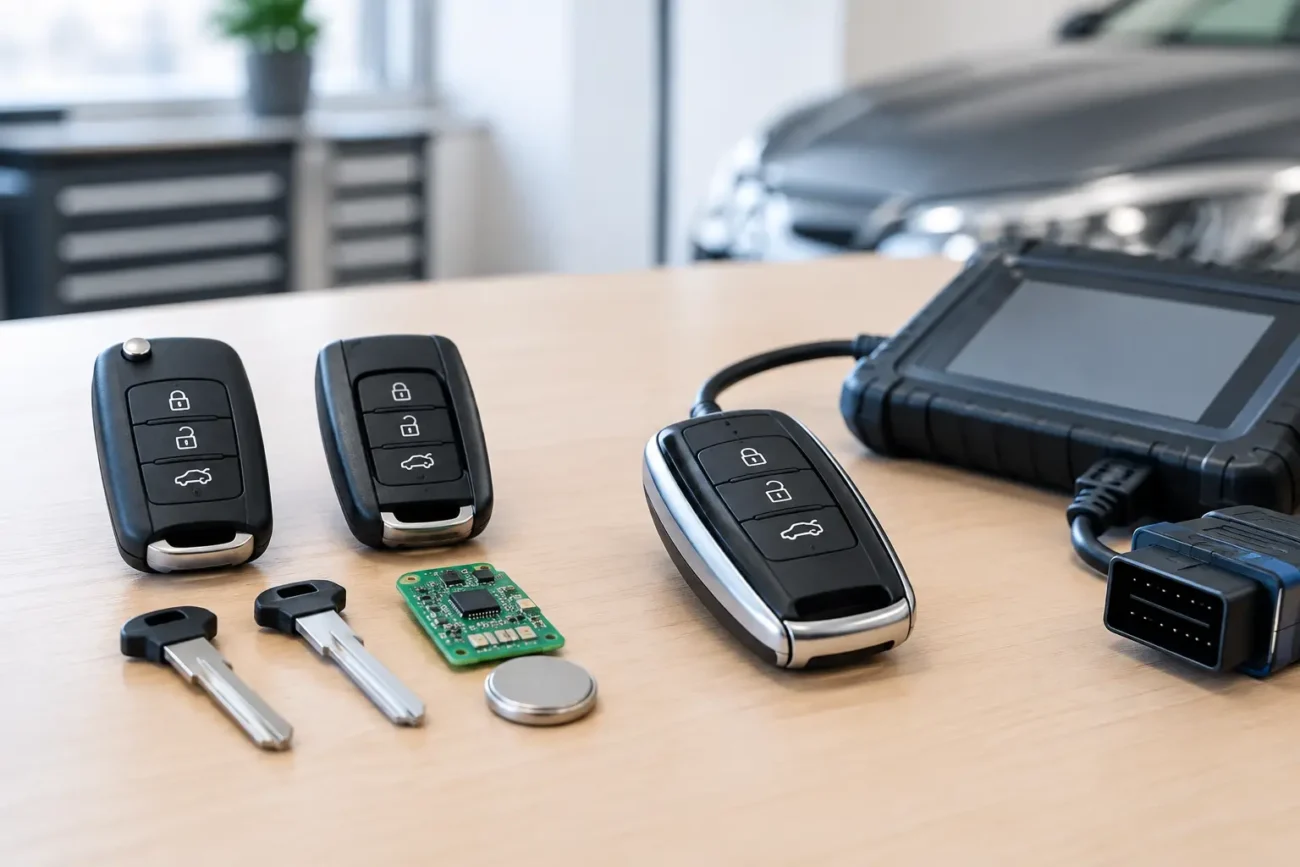
A good shell match comes down to a few practical details. The button membrane must align exactly with the switches on the board. The battery location has to match the original setup. The transponder or board recess needs to hold components securely without movement. If the shell takes a separate blade, the blade profile and mounting point must also match.
On smart keys, the emergency key insert is another area to check carefully. Some shells accept a different insert style even when the main casing appears almost identical. If that insert does not fit properly, the customer ends up with a part-functional key rather than a proper replacement.
BMW key shells versus complete replacement keys
The price difference between a shell and a full remote is one reason shell replacement is so popular, but cost is only part of the decision. The main advantage is that you keep the original electronics, which means no need to replace a functioning board just because the outside is worn out.
That said, there are clear cases where a shell is not enough. If the board is missing, damaged, corroded or unresponsive, you need more than a housing. The same applies if the key has been run over, exposed to moisture for too long, or has charging and battery faults that come from the circuitry rather than the case.
For retail buyers, the simple question is this: does your current key still work electronically? If yes, a shell may be exactly what you need. If not, the right product may be a complete remote, smart key, or a programmed solution depending on the vehicle and key type.
For locksmiths and technicians, the decision is often even more straightforward. If the board tests correctly and the transponder is present, shell-only replacement is usually the cleanest repair. If not, moving straight to the correct replacement unit avoids a second visit.
Common mistakes buyers make with BMW key shells
The most frequent mistake is buying on shape alone. Online images can make different BMW shell variants look interchangeable when they are not. Another common issue is overlooking the key blade format. Some shells are supplied with an uncut blade, some require reusing the old blade, and others relate only to smart key casings with a separate emergency key.
Button count can also mislead. A three-button shell is not automatically the right match for every three-button BMW key. Internal board cradle design, battery holder position and shell dimensions all still need to line up.
Then there is build quality. Low-grade plastic, weak button rubbers and poorly finished blade housings can turn a simple repair into a callback. A shell has to do more than look right in a product image. It needs to close firmly, hold the internals securely and stand up to everyday use on a keyring.
What trade buyers usually look for
Professional buyers tend to be less concerned with branding on the front of the shell and more concerned with consistency. They want reliable moulding, accurate fitment, stable button action and a product they can fit quickly without modifying the case.
Time matters on workshop jobs. A shell that requires trimming, forcing or repeated reopening to seat the board properly costs more in labour than it saves in part price. That is why experienced key professionals generally prefer stock with clear compatibility information and dependable quality control.
Wholesale pricing and ready UK availability matter too. If you are handling regular key repair work, speed of supply is part of the service you offer your own customers. This is where specialist stockholding makes a real difference compared with general automotive parts channels.
Should you fit a BMW key shell yourself?
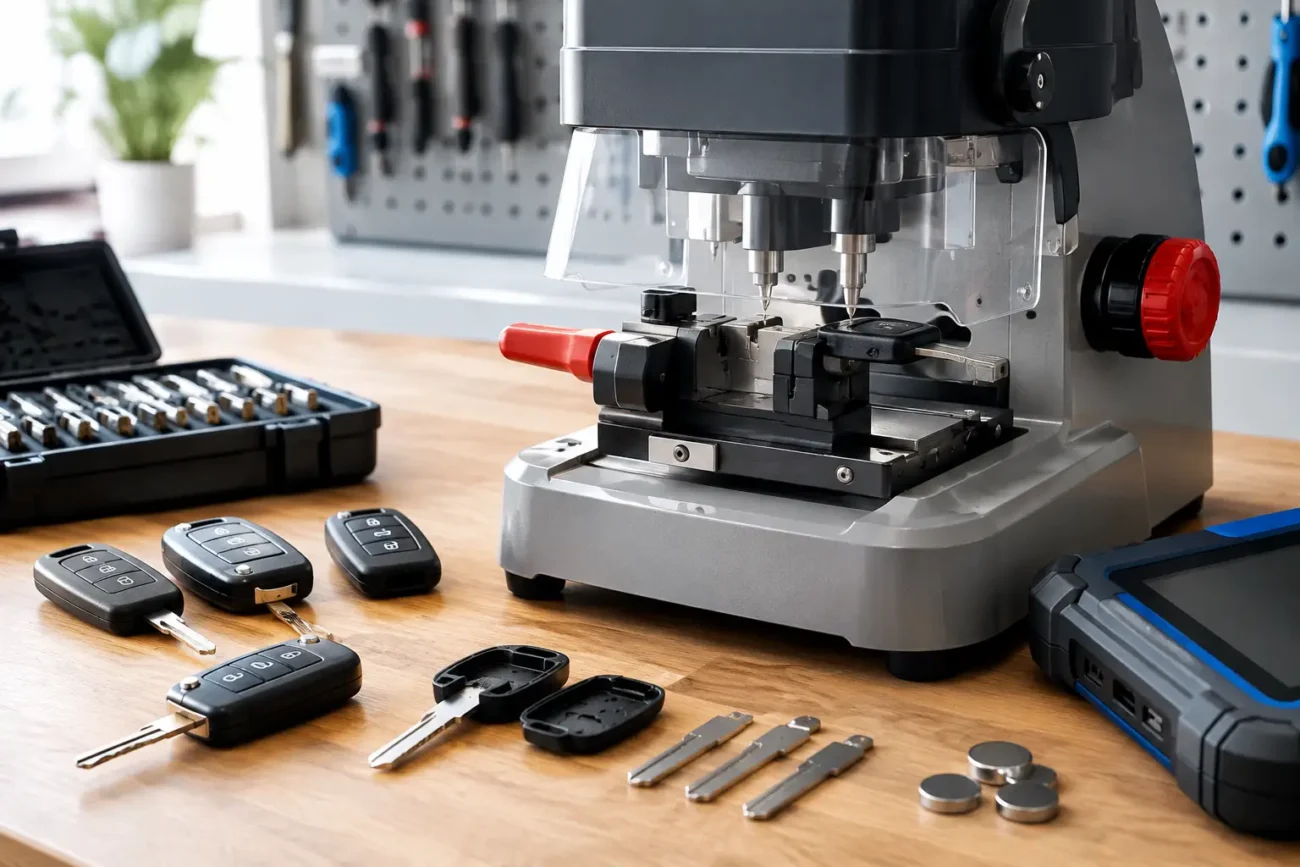
If you are replacing like-for-like and the original board is working, many shell swaps are straightforward. The usual process is to open the old casing, transfer the internal board and any transponder component carefully, then reassemble into the new shell. If the blade is separate, that may also need transferring or cutting.
But straightforward does not mean risk-free. The small internal parts can be damaged if prised out roughly, and transponder chips can be easy to misplace. Smart key casings need extra care because emergency inserts, battery contacts and board seating points must all line up exactly. If you are unsure, a locksmith or automotive key specialist can usually complete the job quickly.
That trade-off comes down to confidence and urgency. A careful DIY swap can save time and money. A rushed attempt on the kitchen table can leave you with a non-starting vehicle if a transponder is damaged or lost.
How to choose the right supplier for BMW key shells
Product range matters because BMW key formats vary across years and models. Clear compatibility detail matters because it reduces mis-orders. Fast dispatch matters because key issues are rarely convenient. For both vehicle owners and trade customers, a specialist supplier is usually the safer route than a generic marketplace listing with vague fitment information.
Look for stock that identifies shell type properly and reflects the real differences between remote keys, flip keys and smart keys. If you buy regularly, consistent quality and dependable availability are worth as much as headline price.
Global Keys Direct serves this part of the market well because the focus is already on model-specific key products, replacement shells and practical compatibility. That specialist approach is what tends to separate a successful shell swap from a frustrating near match.
A BMW key does not need to look battered before it becomes annoying to use. If the internals are still doing their job, the right shell can restore the feel, fit and function of the key for a fraction of the cost of a full replacement. The key is to treat it as a compatibility purchase, not a cosmetic one.
Pingback: Next Generation Smart Key Systems Explained - GLOBAL KEYS DIRECT LTD