
Complete Guide to Replacement Smart Keys
Losing a smart key rarely happens at a convenient moment. More often, it is when you are already late, juggling school runs, work, or a customer job that needs finishing the same day. This complete guide to replacement smart keys is designed to cut through the guesswork and help you identify what matters before you buy, whether you are ordering a spare for your own vehicle or sourcing stock for regular trade work.
What a replacement smart key actually includes
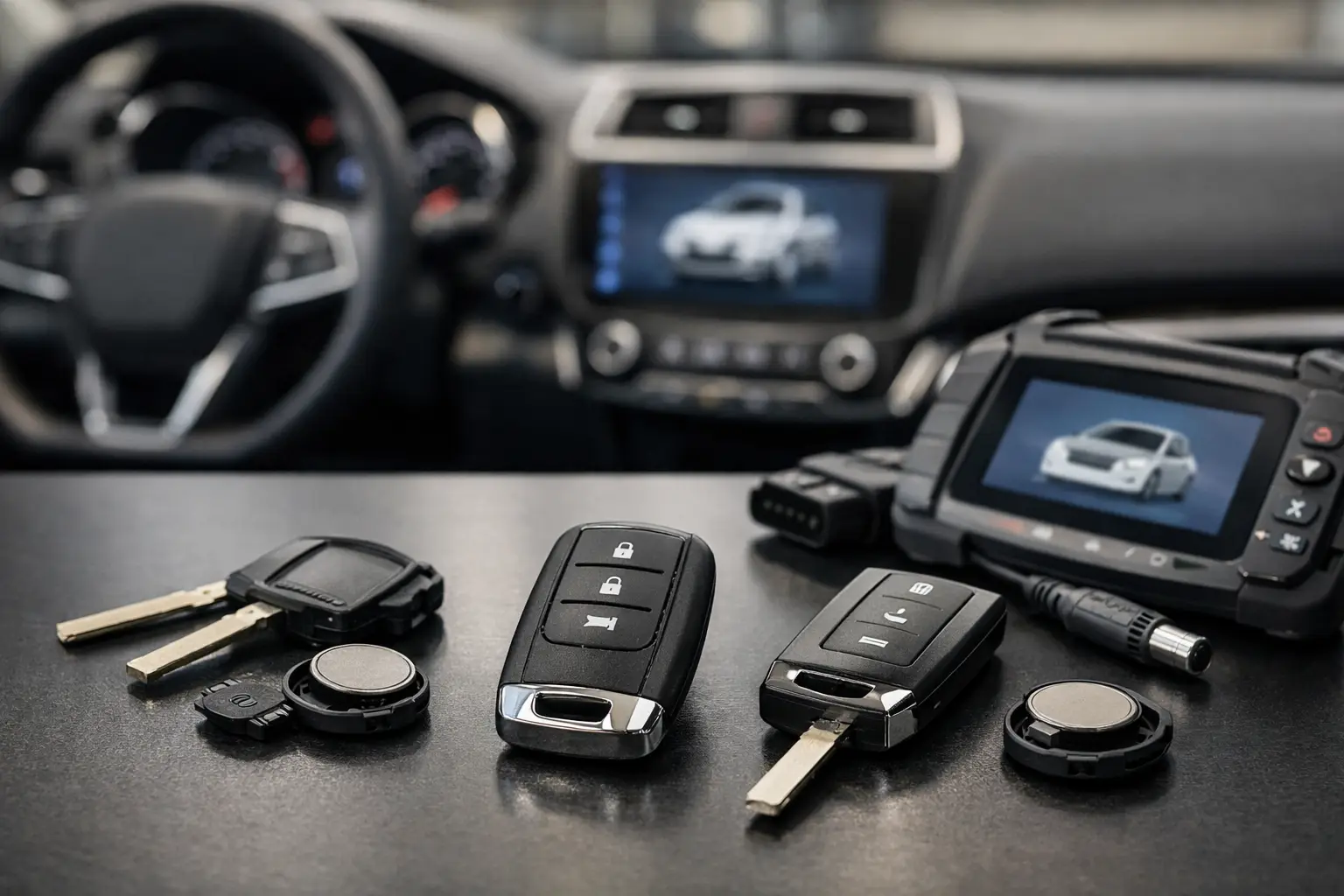
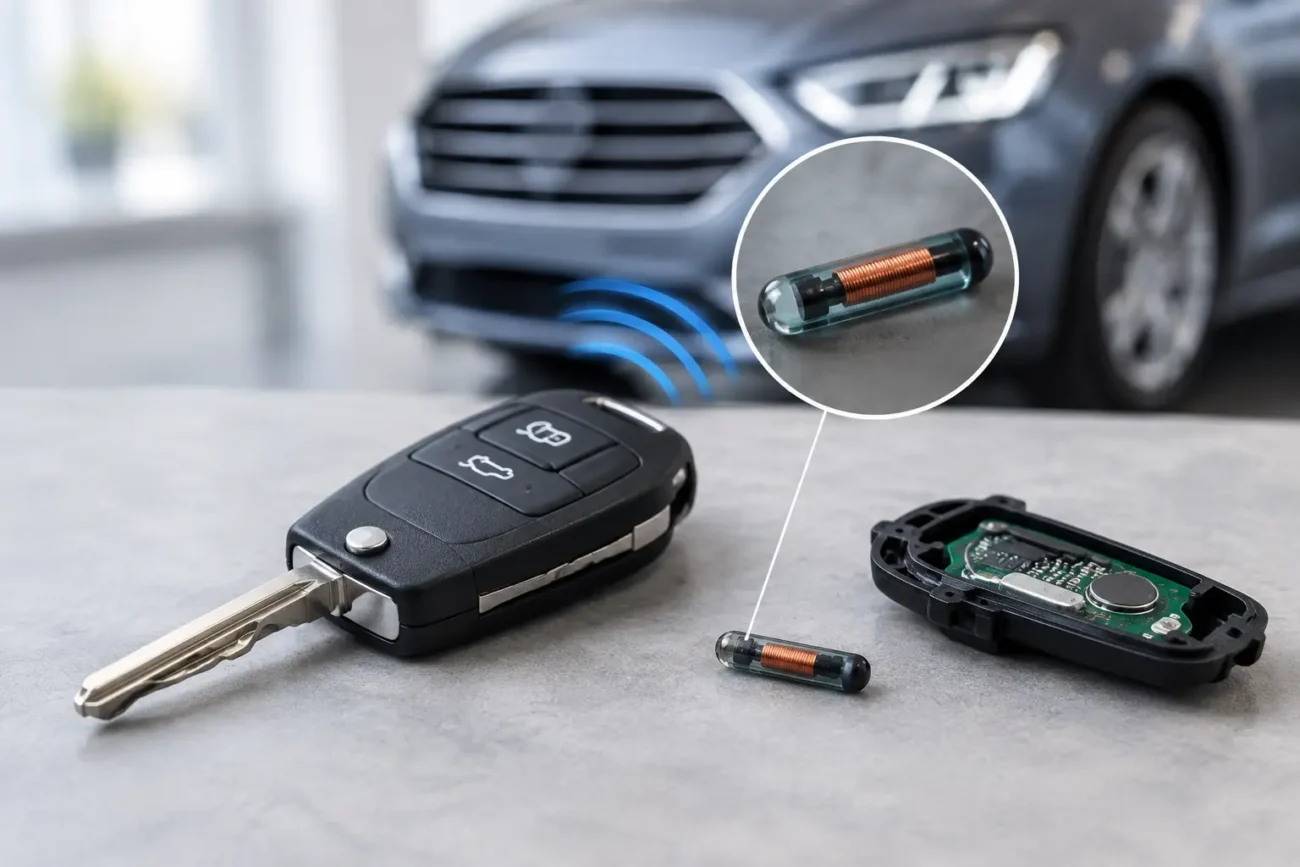
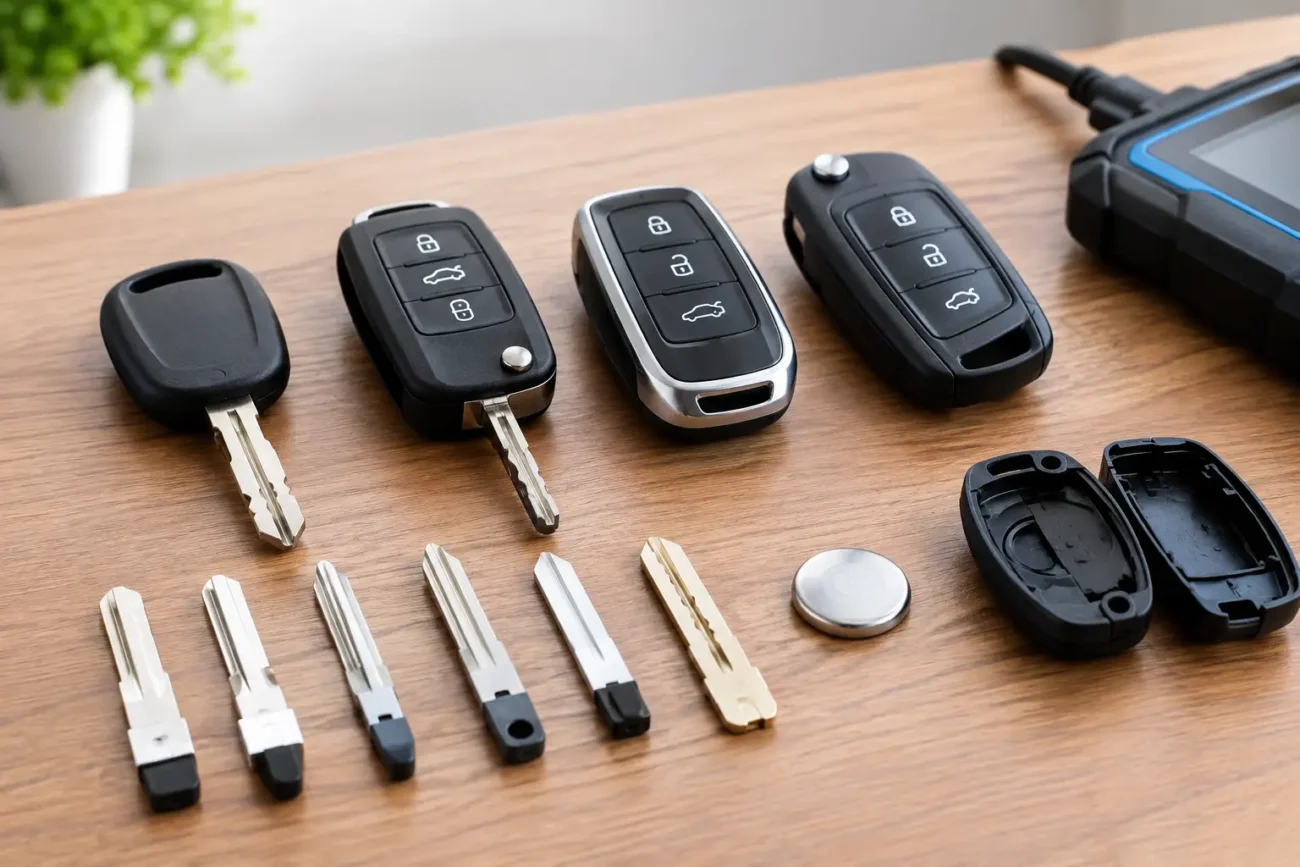
A smart key is more than a plastic case with buttons. In most modern vehicles, it combines several functions into one unit – remote locking and unlocking, keyless entry, push-button start capability, an immobiliser transponder chip, and often an emergency insert blade hidden inside the casing.
That matters because when people say they need a new key, they may actually need very different things. Some need a complete replacement smart key ready for programming. Others only need a new shell because the casing is cracked but the internal board still works. In other cases, the blade is worn, the battery contacts are damaged, or the remote buttons have failed while the transponder remains fine.
Getting clear on which part has failed is the first step to avoiding unnecessary cost.
The complete guide to replacement smart keys starts with compatibility
The biggest mistake buyers make is assuming a key that looks right will work. In automotive key products, appearance is only one part of the match. A replacement smart key needs to align with the vehicle’s technical requirements as well as the physical design.
The essential checks usually include part number, frequency, button configuration, transponder chip type, blade profile, and whether the vehicle uses proximity keyless operation or a standard remote system. Depending on the make and model, there may also be differences by year range, market version, or body style.
For example, two keys for the same manufacturer may share the same outer shape but operate on different frequencies or use different electronics. That is why checking the original key details, vehicle specification, and product fitment notes matters more than a visual match alone.
If you are in the trade, this is standard practice. If you are a retail buyer, it is worth taking the extra few minutes. It can save a return, a programming issue, or a non-working remote.
The key details worth checking before ordering
Start with the original key if you still have it. Look for the part number on the case, internal board, or emergency blade insert. Check how many buttons it has and whether it includes a boot release, panic function, or specific tailgate control. Then confirm the frequency, because this is one of the most common points of mismatch.
If the original key is missing, use the vehicle details carefully. Registration lookups can help narrow options, but they should not replace proper product checks. Model year, trim level, and region can all affect compatibility.
Where possible, compare the old and new key on six points: part number, frequency, chip type, blade type, button layout, and overall housing style. If one of those is wrong, the key may still look convincing in the hand but fail when it matters.
When you need a full smart key and when you do not
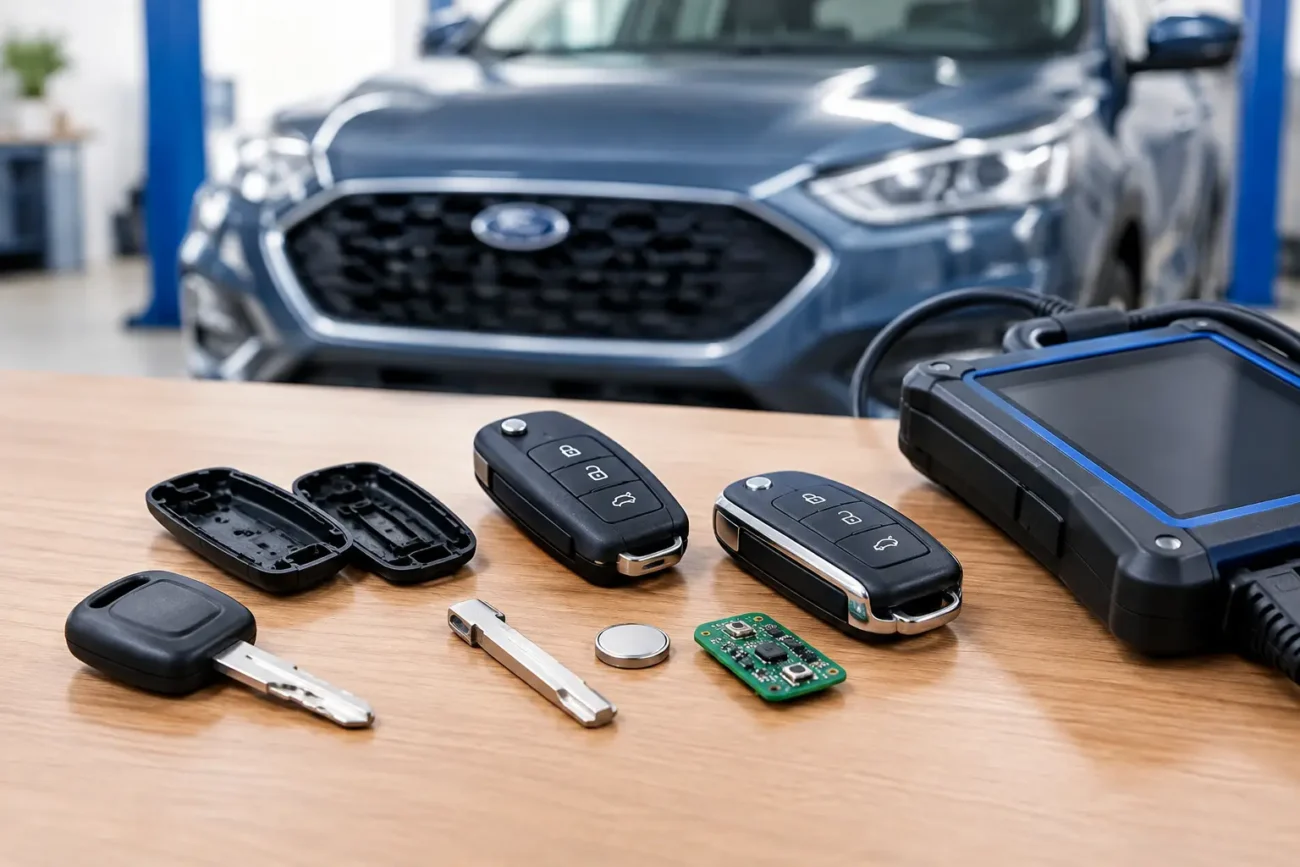
Not every problem calls for a complete replacement. If the electronics are still working and only the outer case is damaged, a replacement shell may be enough. This is often the most cost-effective fix for worn buttons, split housings, or damaged key rings.
If the remote has stopped locking and unlocking but the key still starts the car, the issue may be battery related, board related, or simply poor contact within the shell. If the car will not recognise the key at all, the transponder or proximity electronics could be at fault. If the emergency blade is bent or worn, a new blade or re-cut blade may solve it without replacing the full smart unit.
This is where a practical diagnosis helps. Replacing the entire key can be the right answer, but it is not always the cheapest or quickest one.
Programming a replacement smart key
A replacement smart key usually needs programming before it will work with the vehicle. In many cases, the remote functions and immobiliser functions are linked but separate, which means partial operation does not automatically mean the key is fully matched.
For some vehicles, professional programming equipment is required. For others, onboard procedures may exist, though these vary widely by manufacturer and model. Trade buyers will already be familiar with the need to match the key type to the intended programming method. Retail buyers should assume that a new smart key may need specialist programming unless the product information clearly states otherwise.
It also depends on whether the key is new, unlocked, pre-coded, or previously programmed. Some smart keys can only be programmed once. Others may be suitable for specific programming workflows using the right tools. This is particularly relevant when buying aftermarket or specialist trade stock, because the product description often contains the detail that determines whether the job is straightforward or not.
If all keys are lost, the process is often more involved than simply adding a spare. That can affect the time, the tooling required, and the product you need to order.
Why professionals check more than the registration number
For locksmiths, garages, and key technicians, speed is important, but accuracy is what keeps a job profitable. A registration number may point you in the right direction, yet experienced buyers still verify board numbers, transponder format, frequency and emergency key profile before fitting a replacement smart key to a live job.
That extra check matters most on vehicles with multiple smart key variants across close year ranges. It also matters where aftermarket options exist alongside dealer-style equivalents, because the correct route depends on stock requirements, programming capability, and customer budget.
Aftermarket versus dealer-style replacement options
Most buyers are really balancing three things: cost, turnaround time, and fitment confidence. Dealer-supplied options are one route, but they are not the only one. Quality aftermarket smart keys and compatible replacement units can provide a practical alternative when chosen carefully.
The trade-off is simple. You need to pay closer attention to product specification. The right aftermarket key can offer strong value and reliable performance, but only if the details match. That is why a specialist automotive key supplier with model-specific stock can be more useful than a general parts source. The catalogue depth matters because smart keys are not a one-size-fits-all product category.
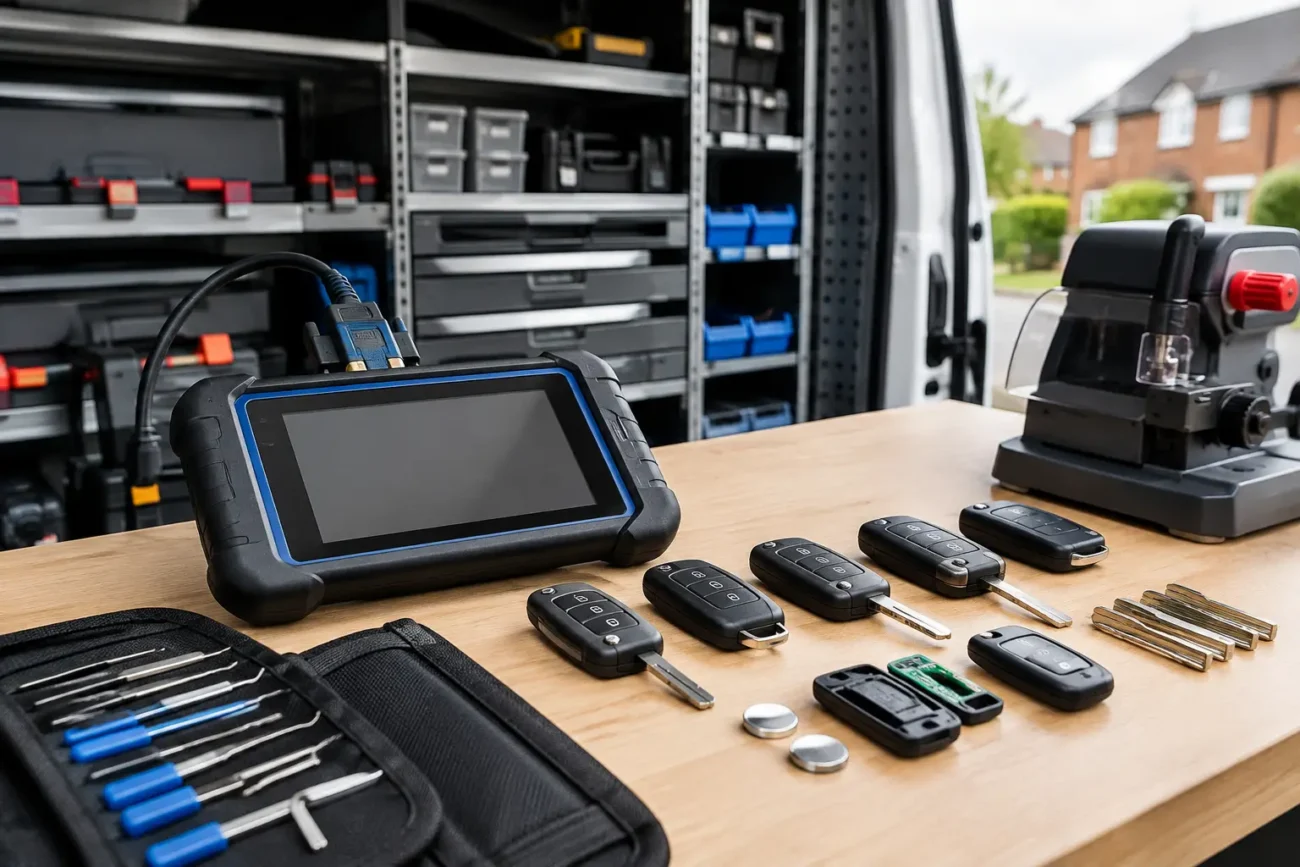
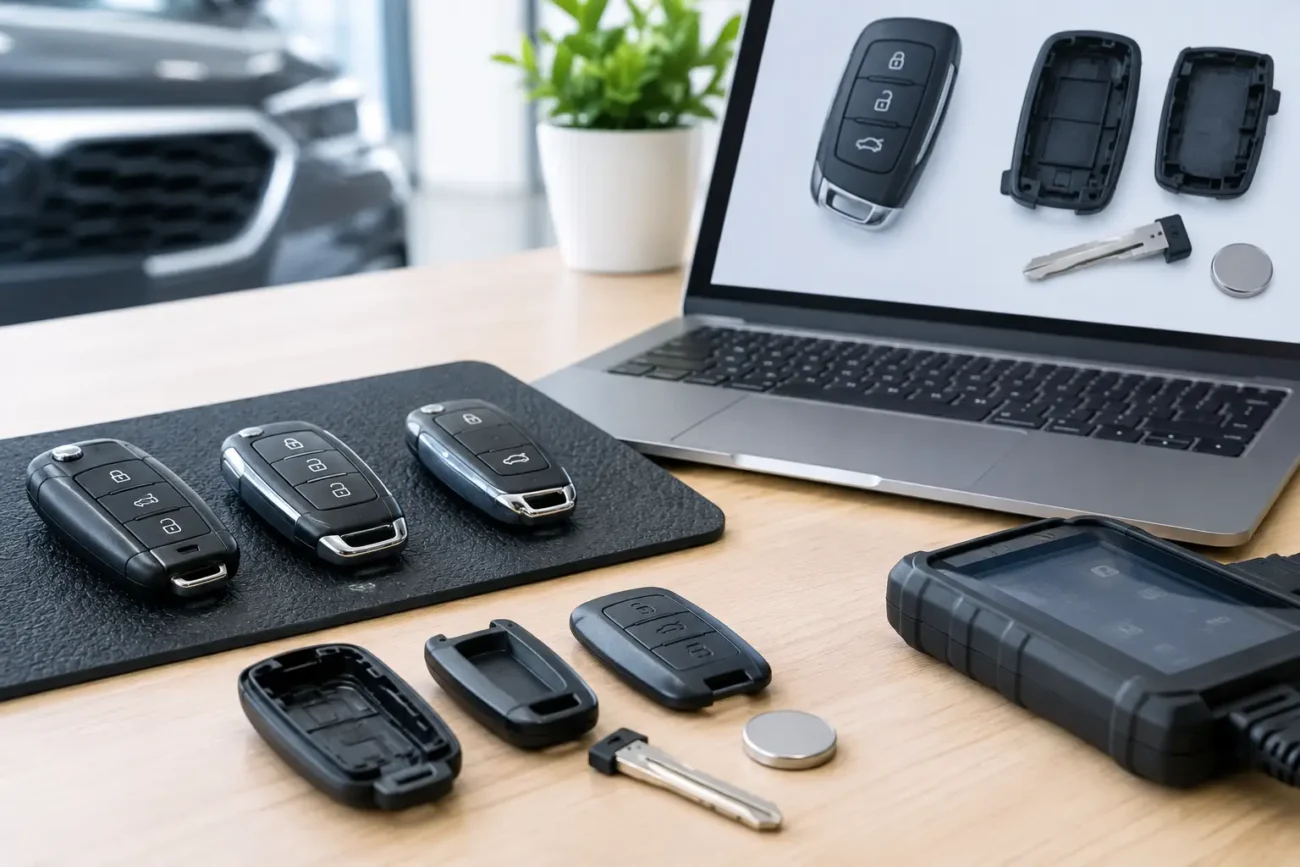
For trade buyers, stock breadth also makes a difference. Being able to source shells, blades, batteries, remote boards, complete smart keys and programming tools from one specialist supplier reduces downtime between diagnosis and repair.
Common reasons replacement smart keys fail
When a new key does not work, the cause is usually one of a few predictable issues. The wrong frequency is a common one. An incorrect chip type is another. Sometimes the key has the correct shell and button layout but the internal board is not suitable for that vehicle.
Programming errors can also be part of the problem, especially where pre-coding or synchronisation steps are required. In other cases, the blade has been cut correctly but the remote is not matched, leading buyers to assume the entire key is defective when the issue is actually setup related.
Battery condition should not be overlooked either. A weak battery can mimic a faulty remote. On used vehicles, there is also the possibility that the existing key was itself a previous replacement, which means copying its appearance without checking the technical specification can lead you straight into another mismatch.
Buying a spare before you actually need one
The cheapest smart key problem to solve is usually the one you deal with before it becomes urgent. Ordering a spare while you still have a working original gives you more flexibility. It allows time to confirm the correct specification, arrange cutting and programming if needed, and avoid the pressure of an all-keys-lost situation.
For vehicle owners, a spare means less disruption if the main key is damaged or misplaced. For trade customers, it is often a service you can offer proactively to reduce emergency call-backs later. In both cases, planning ahead usually means better stock choice and fewer compromises.
Global Keys Direct supports both retail and trade buyers with a broad range of model-specific key products, which is exactly what matters when replacement work depends on matching the right technical details quickly.
Choosing the right supplier for replacement smart keys
A good supplier does more than hold stock. They make it easier to buy accurately. In this category, that means clear compatibility notes, part references, technical identifiers, and enough product range to cover more than the obvious best-sellers.
Fast UK dispatch matters, especially when a vehicle is off the road or a customer is waiting. So does product consistency. But the real value comes from specification clarity. If the listing helps you confirm button count, chip type, blade style and frequency before you order, you are far less likely to lose time on the wrong part.
That is true whether you are replacing one family car key or buying regular workshop stock. Smart keys have become standard across more of the vehicle parc, but replacement still depends on detail, not guesswork.
If you approach the job carefully – checking part numbers, confirming frequency, understanding whether you need a shell, blade or complete programmed unit – replacement smart keys become far more straightforward. A few minutes spent verifying the right fitment now is usually what keeps the whole process quick, cost-effective and hassle-free later.
Add a review
Your email address will not be published. Required fields are marked *