
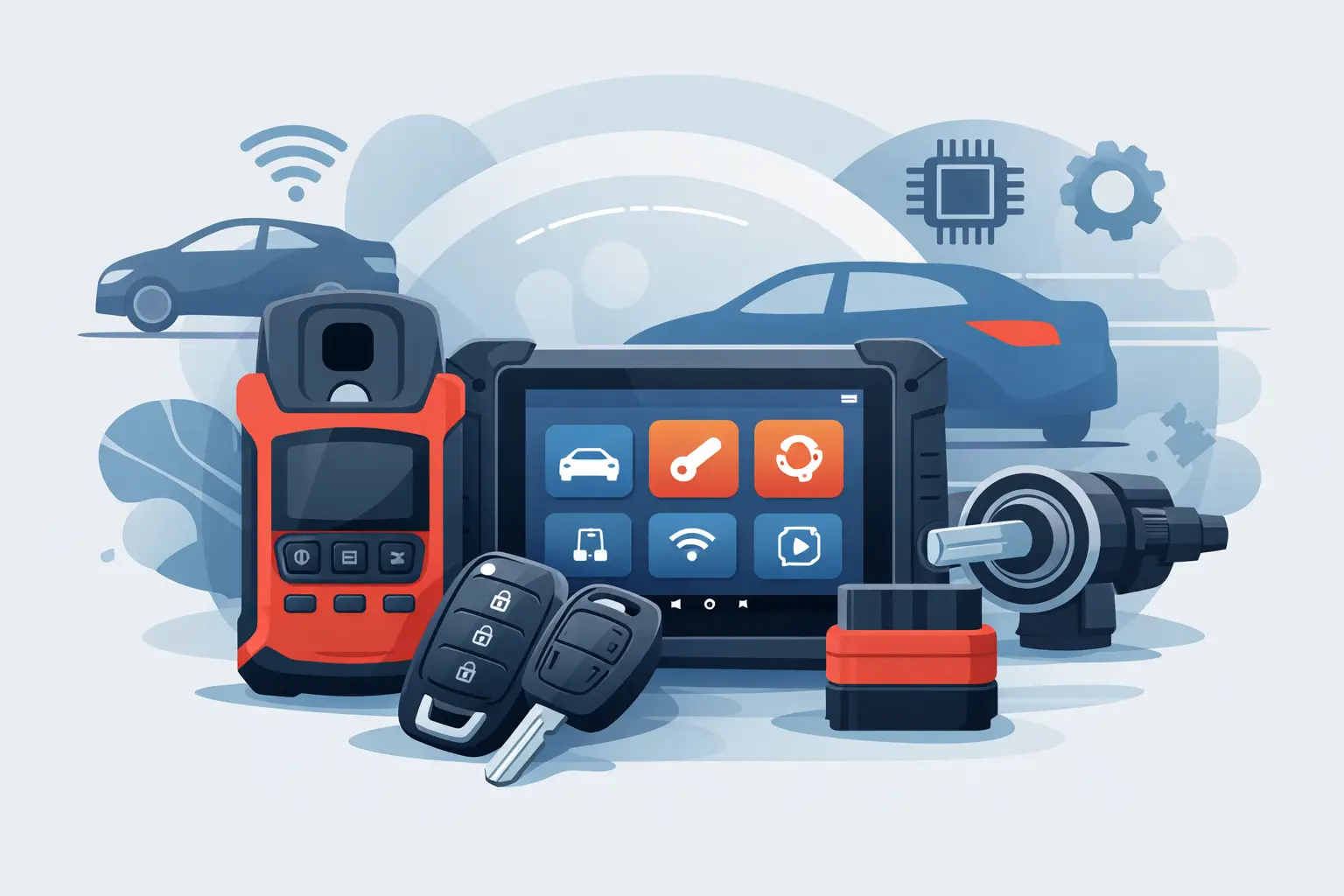
Autel Key Programming Tools Explained
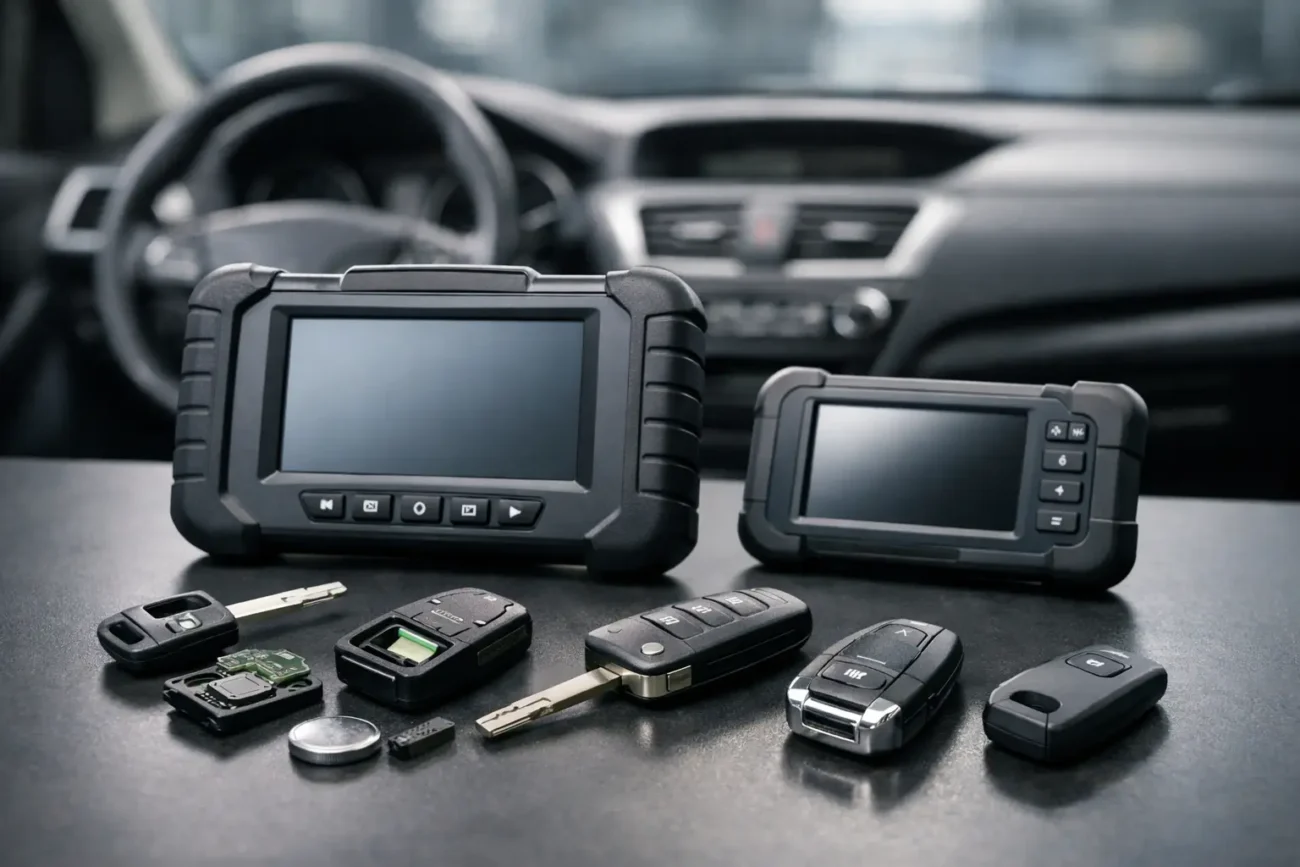
A lost key job rarely arrives at a convenient moment. It turns up when the customer is stranded outside work, when a workshop ramp is already booked, or when a trade buyer needs reliable kit that can cover more than one make without wasting time. That is exactly why Autel key programming tools have become a serious option for locksmiths, garages and experienced key specialists who want broad vehicle coverage, practical workflow and fewer compromises between diagnostics and immobiliser work.
Why Autel key programming tools matter
The appeal is not just that Autel offers programming functions. Plenty of devices can claim that. The difference is that Autel key programming tools are built around real workshop use, where speed, compatibility and menu logic matter as much as the headline feature list.
For a professional user, that means being able to move from vehicle identification to system access, key addition, remote learning and fault code checks without changing platforms. For a retail buyer or smaller garage stepping into key work, it means the learning curve is often more manageable than older, more fragmented systems.
That does not mean every Autel unit suits every job. Some tools are better for general diagnostic support with occasional key programming, while others are aimed more directly at immobiliser and advanced key work. The right choice depends on how often you program keys, which marques you see most often, and whether you need EEPROM, bench or module access alongside standard OBD functions.
What these tools actually do
At a basic level, Autel tools are used to add keys, erase lost keys, programme remotes and support immobiliser-related procedures on compatible vehicles. On many jobs, that is enough. A spare key for a family hatchback or a replacement remote for a fleet van does not always call for advanced intervention.
Where Autel becomes more useful is in the way the platform often combines these tasks with diagnostics. If a vehicle has immobiliser faults, communication issues or battery-related problems affecting the programming process, the operator can often investigate within the same system. That can save time and reduce the guesswork that comes from switching between separate tools.
Some setups also support more advanced functions such as EEPROM reading, MCU work, transponder generation and data processing, depending on the model and any supporting accessories. For trade users, that wider capability can make the difference between a tool that handles routine jobs and one that earns its place every week.
Choosing the right Autel key programming tools
The biggest mistake buyers make is shopping by headline claims alone. “Key programming” can mean very different things depending on the tool, the vehicle and the job in front of you.
For garages adding key services
If your workshop mainly handles servicing, diagnostics and light electrical work, you may not need the most advanced immobiliser package on day one. In that situation, a tool that combines strong diagnostic coverage with practical key learning functions is often the sensible route. It lets you offer spare key additions, basic all-keys-lost support on selected models and remote programming without investing straight away in a full specialist bench setup.
That approach keeps costs under control and gives you room to build the service. It also suits garages that see mixed vehicle makes, where flexibility matters more than deep specialisation in one manufacturer.
For locksmiths and dedicated key specialists
If key work is a core revenue stream, the calculation changes. You are more likely to need broader IMMO coverage, PIN or security data handling, and support for advanced workflows. In that case, the stronger Autel platforms make more sense, especially when paired with the relevant adapters and accessories.
Even then, it is worth checking the exact vehicle coverage that matters to you. A tool may be excellent on one group of manufacturers and more limited on another. Trade buyers working heavily with Ford, Vauxhall, Peugeot or Hyundai may prioritise different coverage details from a specialist focused on BMW, Mercedes or Land Rover.
For mixed trade buyers
Some buyers sit between the two groups. They might run a mobile auto electrical service, a busy independent garage, or a parts-and-programming operation. For them, value is usually found in balance. They need decent depth without overpaying for functions they will only use twice a year.
That is where careful stock selection matters. A supplier that understands model-specific compatibility can help buyers avoid mismatched expectations and choose a setup that suits the actual jobs coming through the door.
The strengths of Autel in daily use
One reason Autel remains popular is workflow. Menus are generally straightforward, guided functions are often clear, and updates can expand the practical life of the tool. That matters in busy environments where technicians do not have time to wrestle with awkward interfaces.
Another strength is the blend of diagnostic and programming support. A vehicle with key issues is not always suffering from a key issue alone. Low voltage, stored faults, module communication problems and antenna-related issues can all interrupt the job. Having those checks close at hand helps technicians move from symptom to solution more efficiently.
Coverage breadth is also a factor. No single tool covers every vehicle in every scenario, and anyone selling key equipment honestly should say so. Still, Autel offers enough range to make it attractive for workshops that see varied makes and model years.
Where the trade-offs are
There is no perfect tool in automotive key work. Autel is strong, but buyers should go in with realistic expectations.
First, advanced jobs may still require supporting equipment, additional accessories or manufacturer-specific knowledge. A tool can only perform as well as the operator using it and the access route available on that vehicle. Some all-keys-lost procedures, encrypted systems and newer security architectures are simply more demanding.
Second, subscription and update considerations matter. A lower entry cost can look attractive, but long-term value depends on software support, function access and whether you need current coverage for newer vehicles. A busy locksmith will often judge the tool differently from a garage that uses it only for occasional key additions.
Third, not every user needs advanced capability. Paying for EEPROM and bench functions makes little sense if your work is mostly basic spare key programming. On the other hand, under-buying can cost more later if you start turning away profitable jobs.
Compatibility should always come first
In key programming, compatibility is everything. Buyers should look beyond the tool name and check the actual vehicle application, procedure type and any accessory requirements. The make, model, year, key type and immobiliser system all affect what is possible.
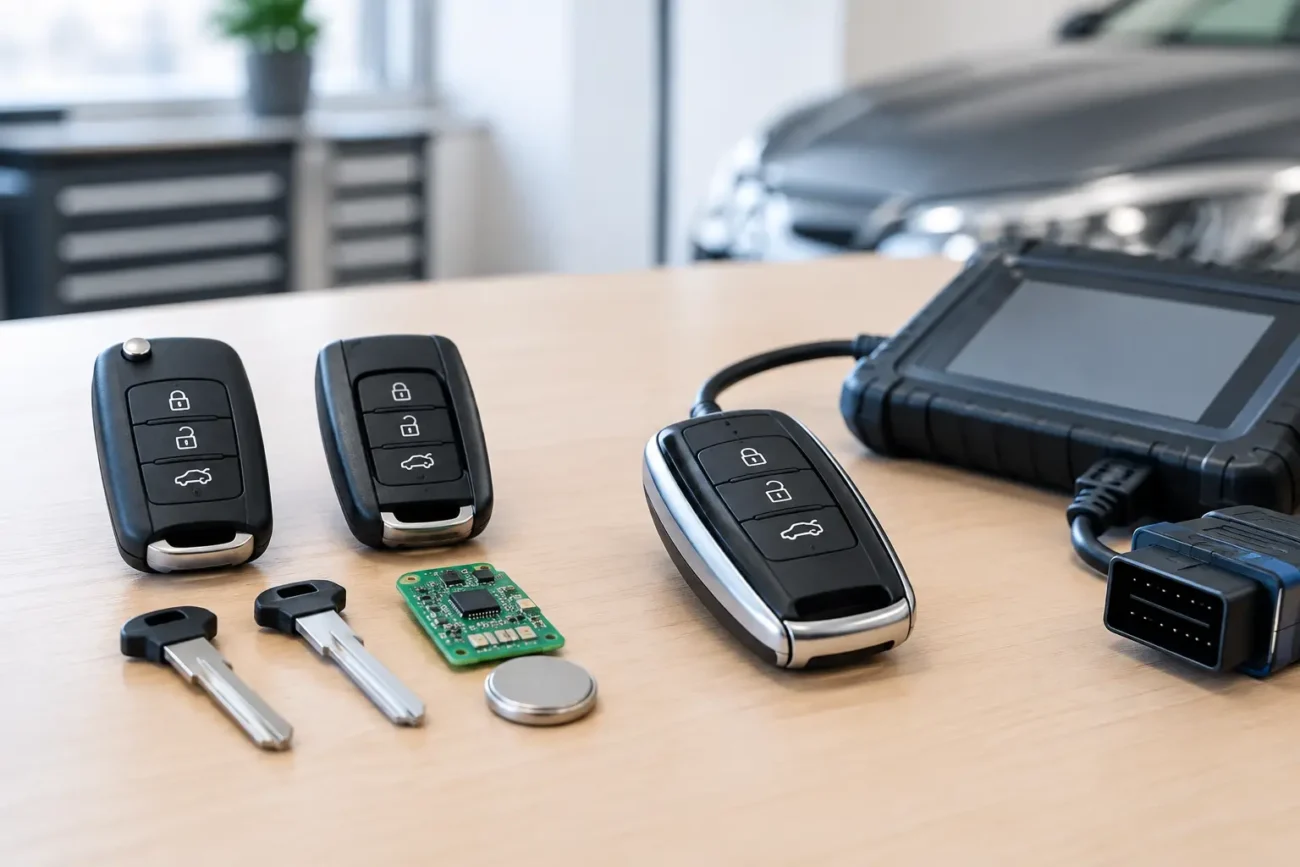
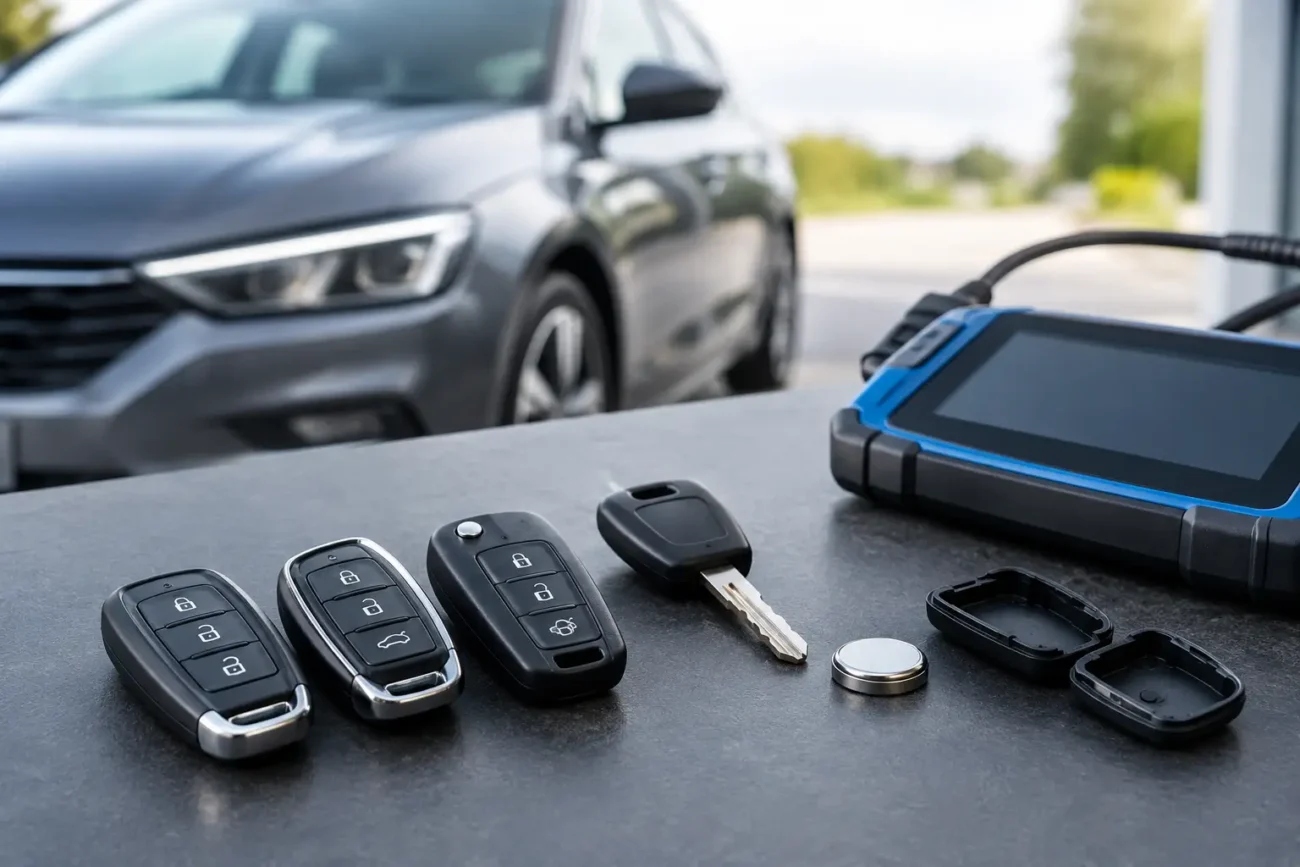
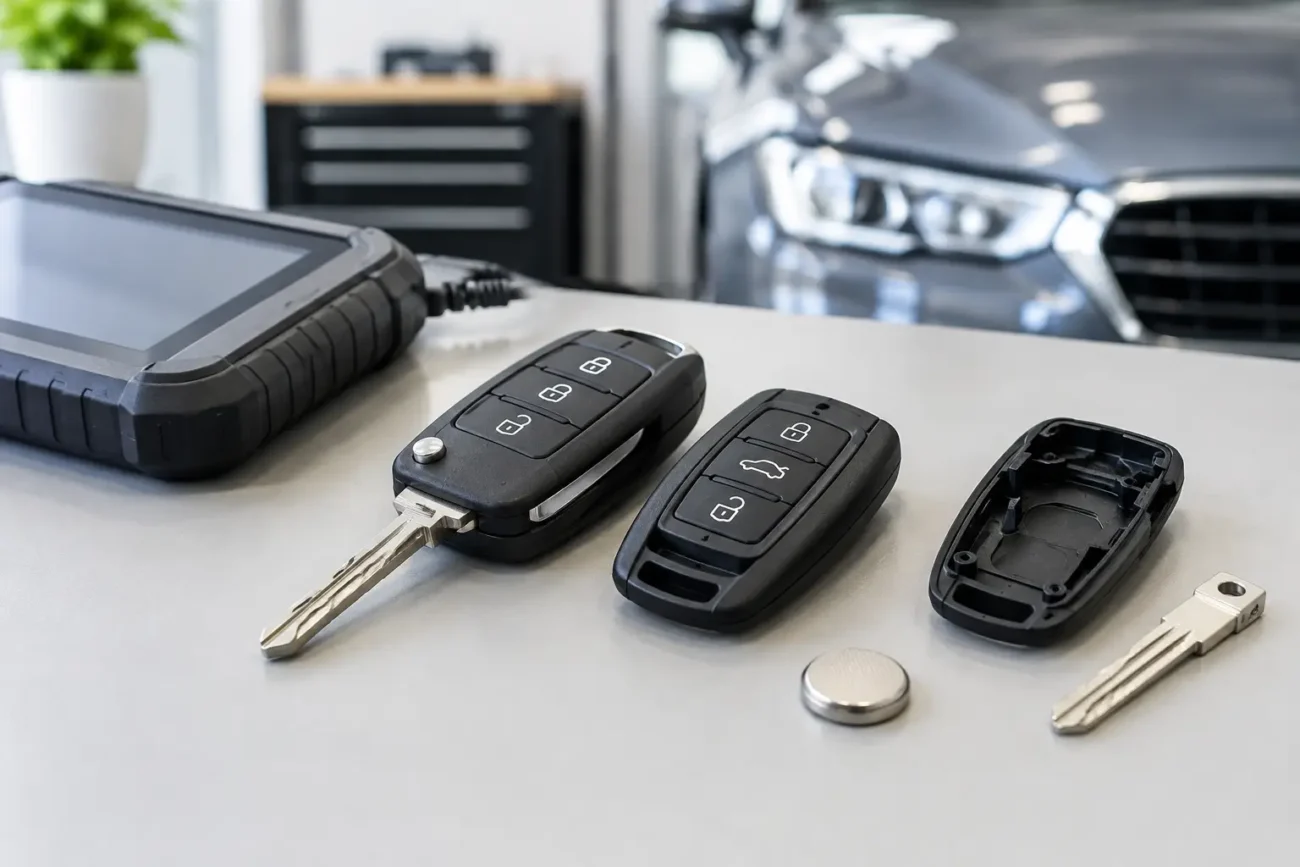
That matters just as much for professionals as it does for informed retail customers. A replacement key shell, remote or smart key may be physically correct, but programming success depends on electronics, chip support and vehicle-specific procedure. The tool is only one part of the chain.
This is why experienced suppliers focus so heavily on technical detail. Frequency, chip type, button layout and model fitment are not small details. They are the difference between a quick fit-and-programme job and wasted time at the vehicle.
Who should buy Autel key programming tools?
For many independent garages, Autel makes sense as a practical way to bring more key work in-house. If you already handle diagnostics and electrical faults, adding key programming can create extra revenue without overcomplicating your setup.
For locksmiths, the case is stronger when the chosen model aligns with your regular vehicle mix. If you are dealing with lost key situations, customer call-outs and varied immobiliser jobs, a capable Autel platform can support faster turnaround and wider service coverage.
For occasional users, the decision is more cautious. If key programming is rare, it may be smarter to start with a tool that supports your diagnostic work first and your key work second. That way, the investment still earns its keep between programming jobs.
Global Keys Direct serves both sides of that market, which is why product choice matters so much. A trade buyer needs dependable stock and clear compatibility information. A retail or workshop buyer moving into programming needs the same clarity, just without the jargon getting in the way.
What to check before you buy
Before choosing any Autel setup, be clear about the vehicles you actually work on, not the ones you might work on someday. Check whether your typical jobs are spare keys, all-keys-lost cases, remote learning, smart keys or immobiliser fault support. Then consider whether you need OBD-only functions or a wider package with bench and EEPROM capability.
It is also worth thinking about turnaround. If your customers expect same-day results, reliability and menu speed matter more than a long theoretical feature list. A tool that covers your common jobs well is often better value than a more complex unit that shines only on occasional edge cases.
Autel key programming tools have earned their place because they fit the way real workshops and locksmiths operate – fast decisions, mixed vehicle coverage and pressure to get the job done properly first time. Pick the version that matches your work, not the marketing, and it becomes a tool you use rather than one you keep explaining away.

Pingback: How to Check Smart Key Fitment Before You Buy - GLOBAL KEYS DIRECT LTD
Pingback: Autel IM508 Tool Review for Key Pros - GLOBAL KEYS DIRECT LTD