
Do Aftermarket Car Keys Work? What to Check
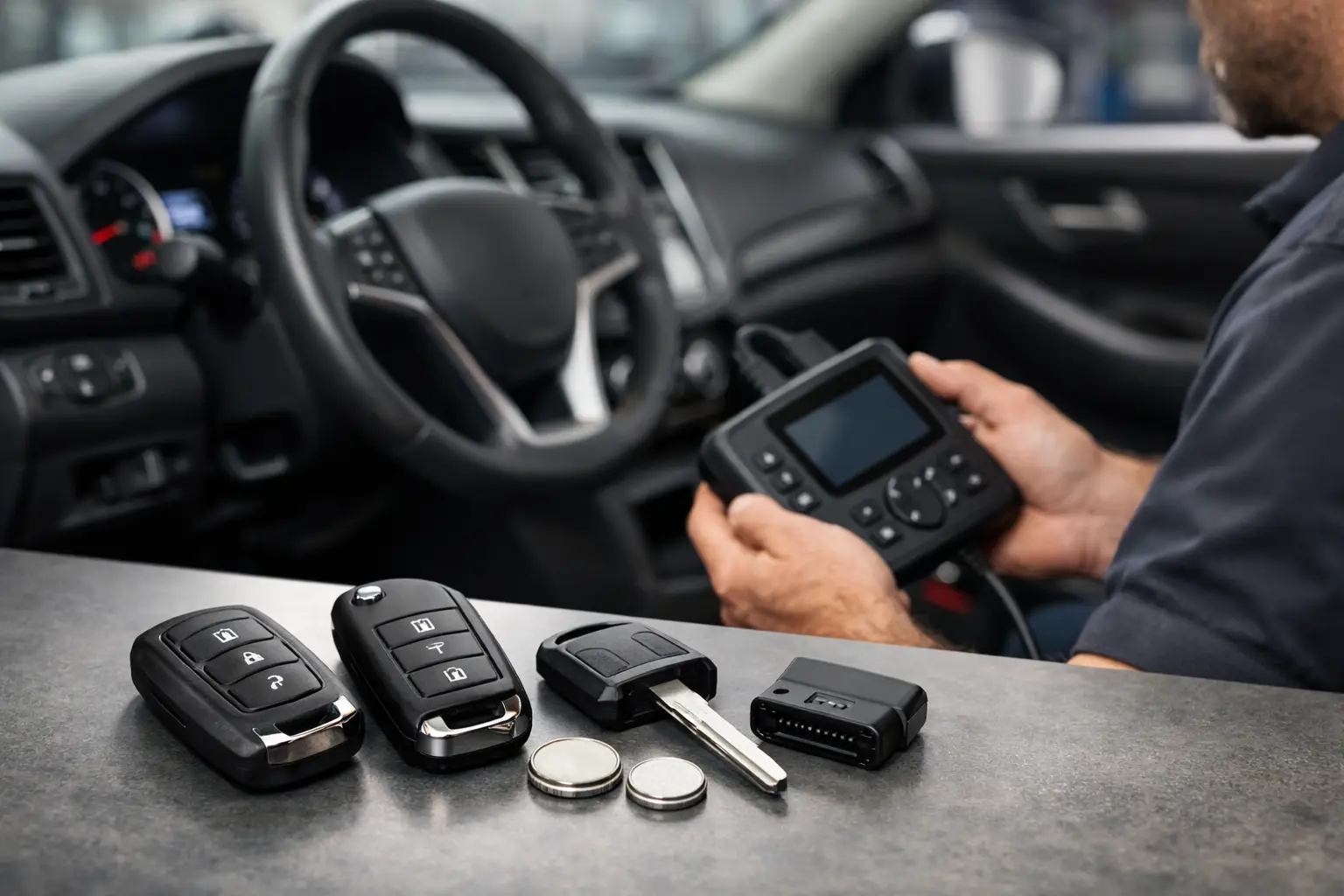
A lost car key can turn a normal working day into an expensive problem, particularly when the only option appears to be a main dealer. So, do aftermarket car keys work? In many cases, yes. A correctly specified aftermarket replacement can provide the same day-to-day functions as the original key, including remote locking, boot release and engine starting. The deciding factor is not whether the key is aftermarket. It is whether it is the right key for the vehicle and is cut and programmed correctly where required.
For drivers, that can mean a practical spare key without dealership-level costs. For locksmiths, garages and key programmers, it means having a dependable supply of vehicle-compatible remotes, smart keys, blades and shells. The detail matters, though. Similar-looking keys are not necessarily interchangeable.
Do aftermarket car keys work on all vehicles?
Aftermarket car keys can work across a wide range of makes and models, from older vehicles with simple remote fobs to newer cars using proximity smart keys. However, there is no universal answer for every vehicle. Car manufacturers use different frequencies, transponder chips, key blade profiles, PCB designs and programming systems, sometimes changing specifications within the same model range.
An aftermarket key needs to match the relevant original specification. If it does, it can be a sensible replacement or spare. If it does not, it may physically fit the ignition but fail to start the car, or it may have the correct buttons but be unable to operate the central locking.
The age and key type of the vehicle also affect the process. A basic remote key from an older Ford, Vauxhall or Peugeot may only need a compatible blade cut and the remote synchronised or programmed. A modern keyless-entry unit for a BMW, Mercedes or Land Rover can require a specific smart key reference and professional programming equipment.
That is why the product description should be treated as technical fitment information, not just a guide to appearance.
What “aftermarket” means for replacement keys
Aftermarket does not automatically mean poor quality, nor does it mean a key will work without preparation. It simply means the key has been manufactured outside the vehicle maker’s original parts supply chain.
There are several types of replacement product, and each solves a different problem.
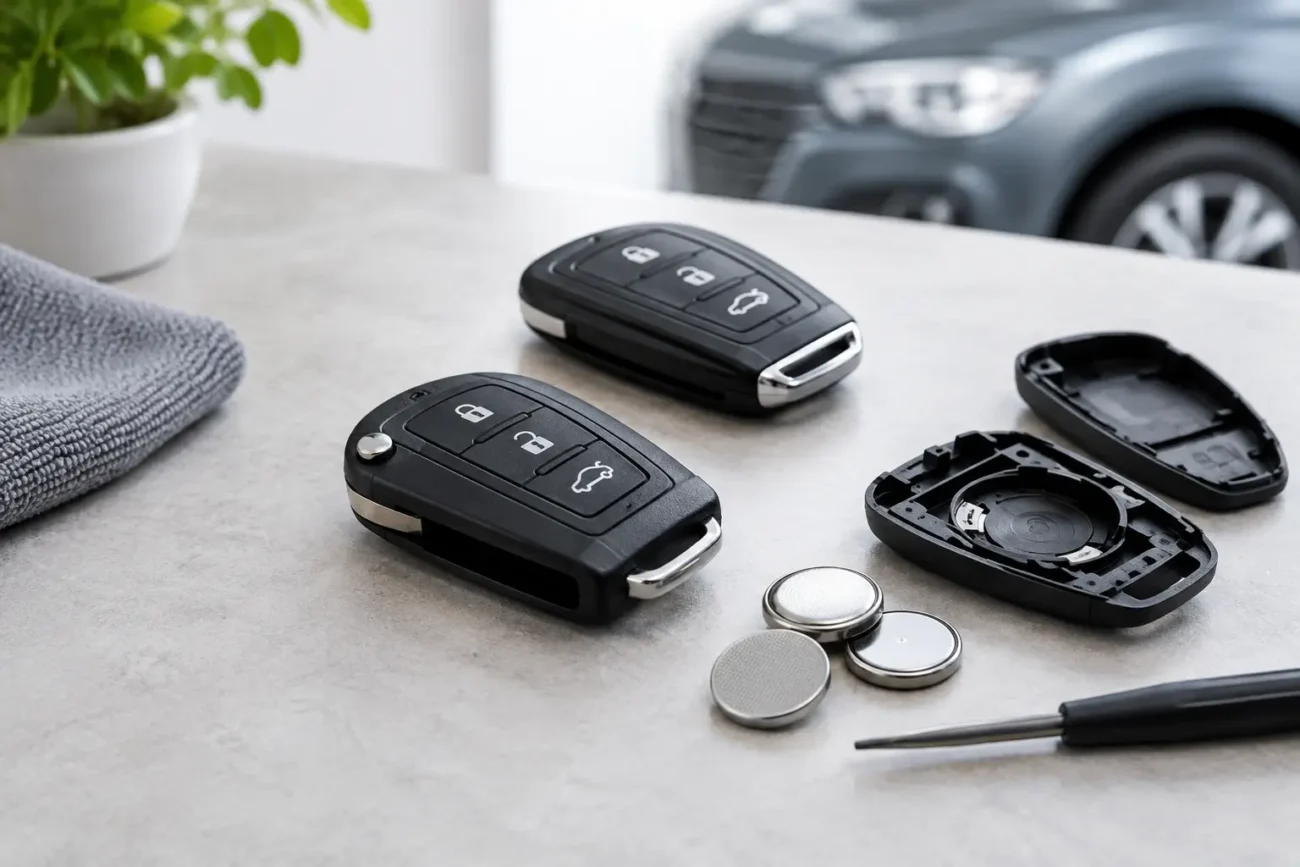
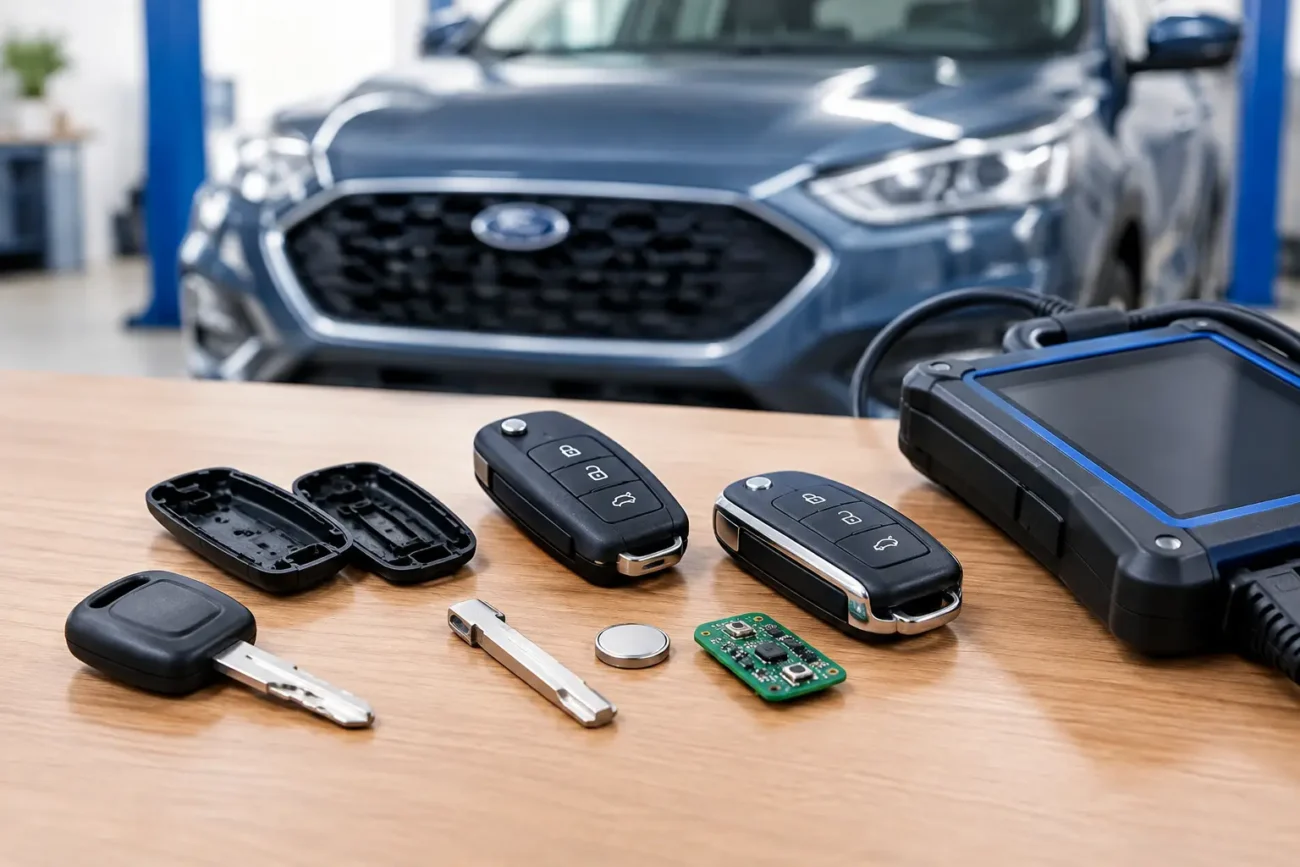
A replacement key shell is the simplest option. It normally includes the plastic housing and button pad, but not the electronic circuit board, transponder chip or battery. It is suitable when the existing electronics still work but the case is cracked, worn or has damaged buttons. The original board and chip are transferred into the new shell, and the blade may need to be moved across or cut to suit.
An aftermarket remote key or remote fob generally includes electronics designed to operate with particular vehicle applications. Depending on the product, it may need a blade cut and programming before it can be used.
A smart key is a more advanced proximity key used on many push-button start vehicles. These products must match the vehicle system closely, including the relevant frequency, chip type and part reference. They are not a purchase to make based on button layout alone.
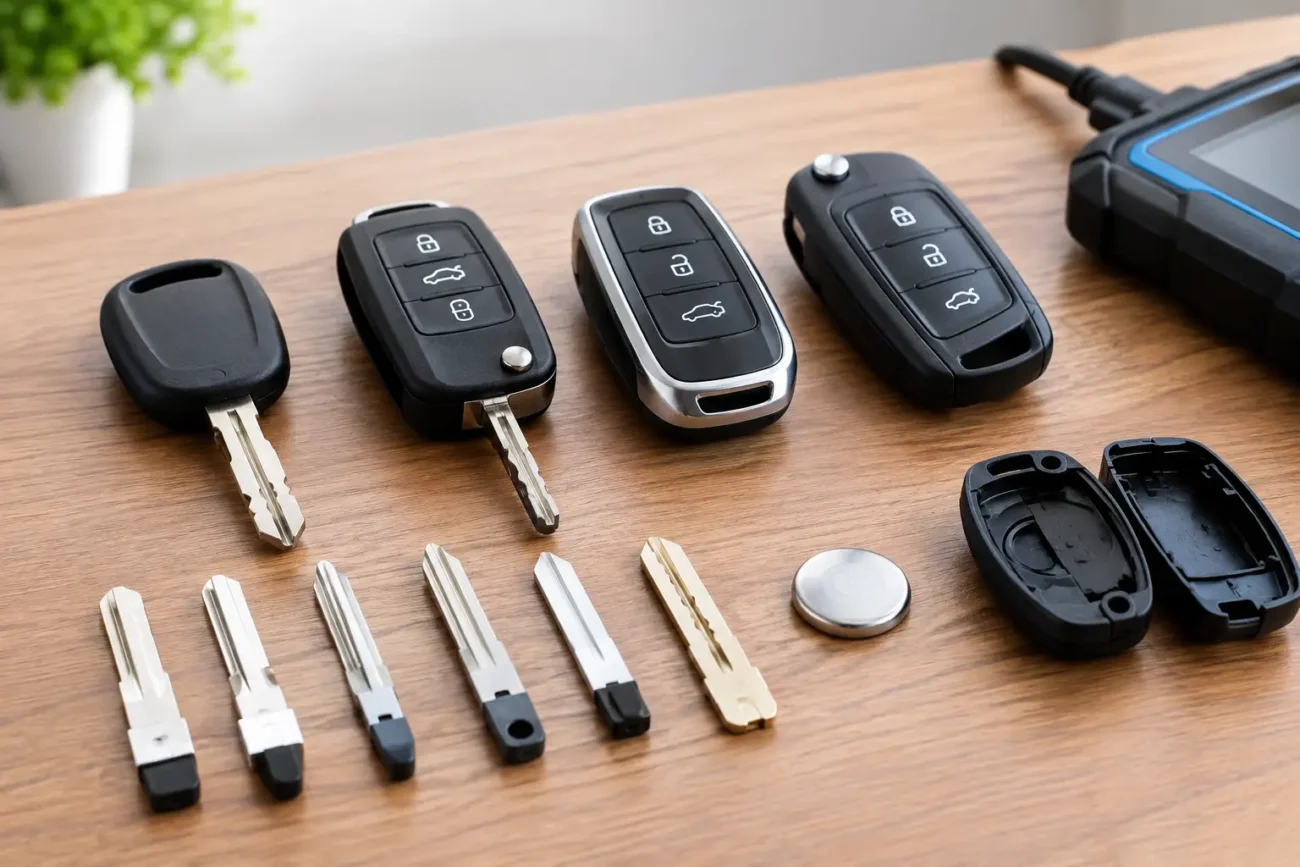
There are also key blades sold separately for repair work, conversion keys and spare-key preparation. Matching the blade profile is essential, as a blade for one model or key series may not fit another even when the remote case looks almost identical.
The compatibility details that matter
Before ordering, check the original key rather than relying only on the car’s registration, model name or year. Vehicle databases can be useful, but manufacturers may fit more than one key system during a production run.
The most useful details to compare are:
- the original key’s part number or reference number
- the frequency printed on the remote, where shown
- the number and layout of buttons
- the key blade profile and whether it is removable
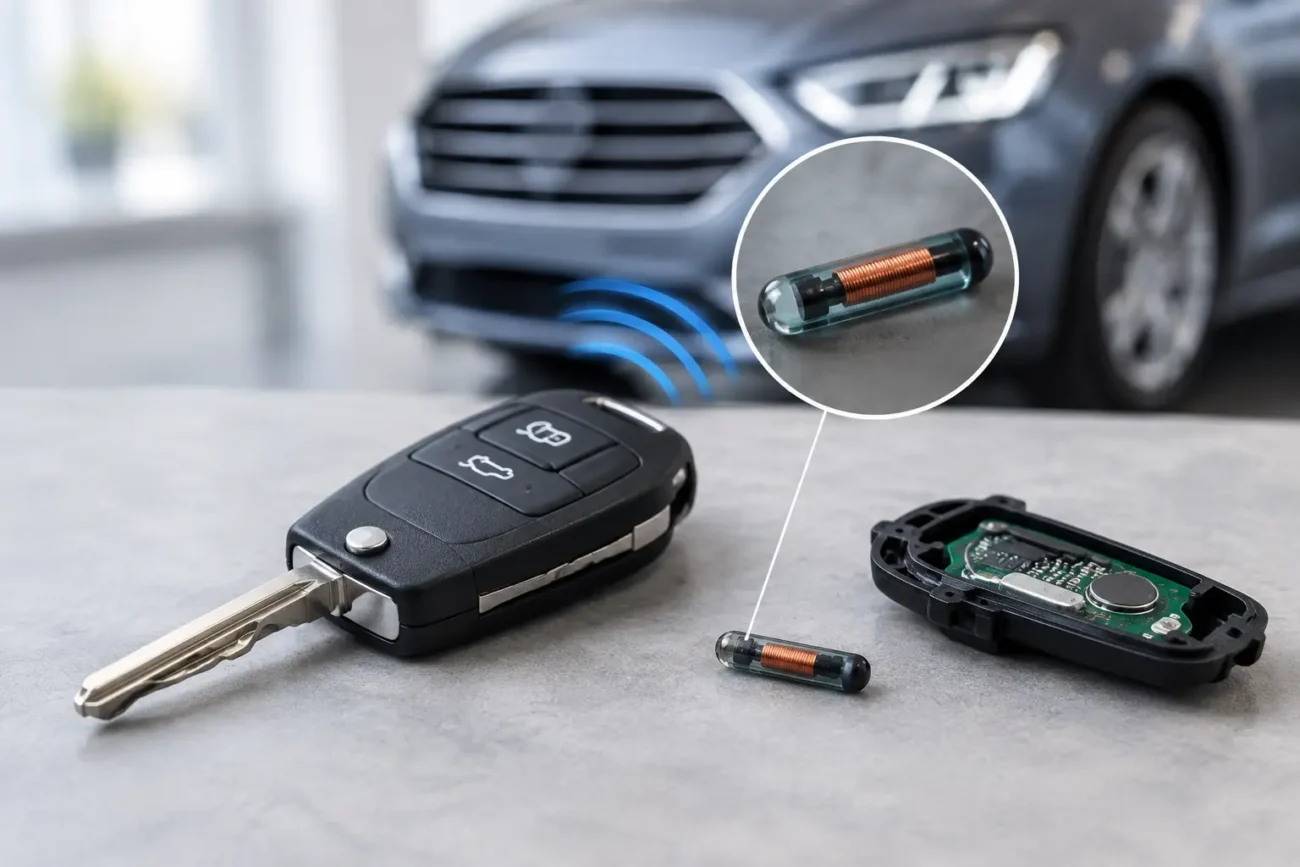
- the transponder chip type or PCB specification
- the stated vehicle fitment and model years
A matching part number is usually the strongest starting point. If there is no visible number, compare clear photographs of the front, back and blade with the replacement product. Check whether the original key has a transponder chip in the case, whether it uses a flip blade, and whether it is a conventional remote or a proximity smart key.
For trade customers, VIN-based identification and diagnostic information can add confidence before a key is prepared. For retail buyers, providing the key reference and vehicle details to a qualified automotive key professional before programming can prevent an incorrect purchase.
Cutting and programming are separate jobs
One of the most common misunderstandings is assuming that a new key will be ready to use when it arrives. In most situations, it will not be.
Cutting makes the metal blade operate the door and ignition lock, where fitted. Programming pairs the electronic part of the key with the vehicle’s systems. These are separate tasks, and a car can require one, both or neither depending on the item being replaced.
For example, replacing a damaged shell with the original electronics and original blade may not require programming at all. A new blank remote key may require both blade cutting and electronic programming. A keyless smart key can require programming even though it has no conventional blade for starting the engine.
The immobiliser is particularly relevant. On many vehicles, the engine will only start when it recognises the transponder or smart key. A remote may lock and unlock the car yet still fail to start it if the immobiliser element has not been correctly programmed. Conversely, a blade can turn the ignition but will not start an immobiliser-equipped vehicle without the correct recognised chip.
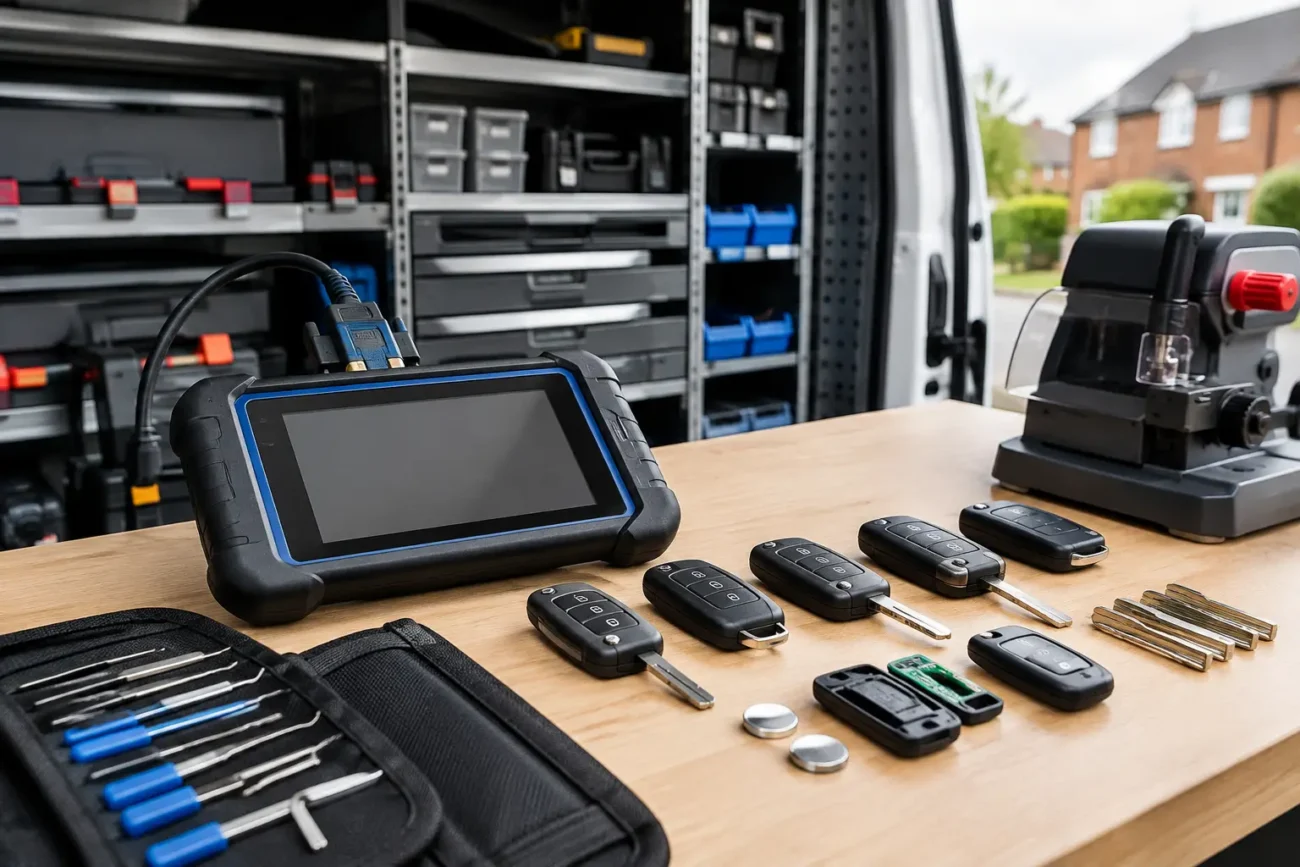
Programming requirements vary by manufacturer, model year and key system. Some jobs can be handled by suitably equipped automotive locksmiths and garages; others may need manufacturer-level access or specific professional equipment. Do not assume that a generic procedure found online will apply to your vehicle.
When an aftermarket key is the sensible choice
A well-chosen aftermarket key is often particularly useful when you need a spare before the original is lost, when the existing casing has failed, or when a customer needs a cost-conscious replacement for a common vehicle application.
The value is not just in the purchase price. Having a working spare can avoid the disruption of being stranded with one damaged or misplaced key. For garages and locksmiths, stocking proven compatible options can also reduce delays on routine replacement work.
That said, the cheapest option is not always the best option. A poorly matched remote can create more work than it saves, while an unsuitable shell may not accept the original PCB securely. Look for clear vehicle coverage, technical specifications and accurate product images rather than choosing solely by price.
Quality aftermarket products are made to address a practical need, but their performance still depends on proper fitment. Button feel, case finish and battery contact design can vary between products. For a key that sees daily use, it is worth selecting a replacement built for the correct application rather than forcing a near match to fit.
Common reasons replacement keys fail
When an aftermarket key does not work, the cause is usually identifiable. It may be an incorrect frequency, an incompatible transponder, the wrong PCB version or a blade profile that does not match the lock. In other cases, the key is correct but has not been programmed, the battery is flat, or the original electronics have been damaged during a shell transfer.
Water damage is another consideration. If the old remote has stopped functioning after going through a wash cycle or suffering liquid exposure, transferring its circuit board to a fresh shell will not repair the electronics. A replacement remote and the appropriate programming work may be needed instead.
Likewise, a worn button pad can look like a failed remote. If the board is still functional, a shell replacement may be all that is required. Checking the condition of the original PCB before ordering helps distinguish a cosmetic repair from a full-key replacement.
Buying the right aftermarket car key
Start with the original key in hand wherever possible. Record its part number, photograph both sides, check the blade and count the buttons. Then compare these details against the product specification. For smart keys and newer remote systems, confirm the frequency and chip information as well as the physical design.
If you are only replacing the outer casing, select a shell specifically designed for your original key style. Ensure it has the correct button arrangement, blade mount and internal locations for the PCB and transponder. If you need a complete replacement, budget for the key, blade cutting where applicable, and professional programming.
Global Keys Direct stocks a broad range of model-specific aftermarket key products for both vehicle owners and trade users, with compatibility information designed to make selection more precise. The safest approach remains the same: match the technical details first, then arrange the correct cutting and programming for the vehicle.
A replacement key should not be a gamble. Check the reference, check the specification, and choose the option that matches the job rather than the one that merely looks familiar.
Add a review
Your email address will not be published. Required fields are marked *