
How Transponder Chips Work in Modern Car Keys
A replacement key can look identical to the original, turn in the ignition and still fail to start the vehicle. In many cases, the missing piece is the transponder chips inside the key. These small electronic components are central to the immobiliser system fitted to a huge range of cars, vans and SUVs on UK roads.
For drivers, that means a cheap blank blade or replacement shell may solve physical key damage but not an engine-starting problem. For locksmiths, garages and automotive key professionals, it means every key job starts with accurate identification: vehicle details, original key type, chip type and the required programming route.
What are transponder chips?
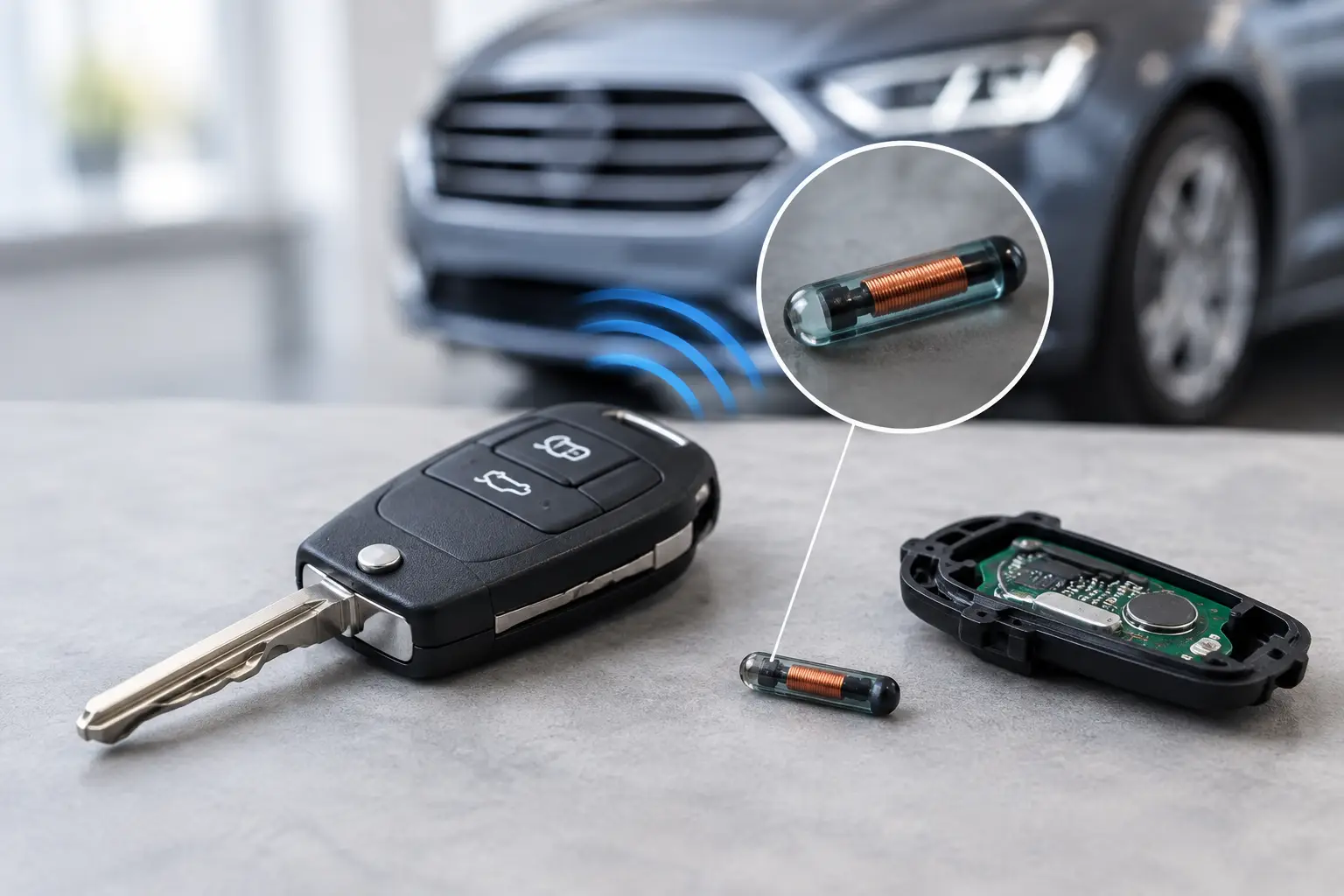
A transponder chip is a compact electronic chip built into a vehicle key, remote fob or smart key. Its purpose is to identify the key to the vehicle’s immobiliser. When the vehicle recognises a valid coded signal, it allows the engine to start. If the chip is absent, damaged, incompatible or not correctly programmed, the immobiliser may keep the engine disabled.
The term comes from “transmitter” and “responder”. Most traditional transponder chips do not need a conventional battery to perform their basic identification function. When the key is placed in the ignition or close to the relevant reader, the vehicle energises the chip and requests its code. The chip responds with the stored information.
The chip is not the same as the remote locking electronics. A key can have working lock and unlock buttons while the vehicle refuses to start because its transponder function has not been programmed. Equally, a vehicle may start with a mechanically correct, coded key even when the remote buttons no longer operate. The two systems are often housed in one fob, but they perform different jobs.
Why the immobiliser needs a coded key
Immobilisers were introduced to reduce unauthorised vehicle use. Rather than relying solely on the shape of a metal blade, the vehicle checks for an electronic credential before it enables starting. Earlier systems commonly use a fixed identification code. Later systems can use more advanced encrypted or rolling-code arrangements, depending on the manufacturer, model year and key system.
This is why copying a blade alone is not enough for most vehicles built over the past few decades. The blade must operate the lock or ignition mechanically, while the chip must satisfy the vehicle electronically. With proximity and keyless systems, the same principle applies, although the antennae, batteries and communication methods are more complex.
From a replacement perspective, security is also the reason compatibility cannot be guessed from appearance. Two similar-looking keys may contain different chip families, operate at different remote frequencies or be intended for different immobiliser generations.
Where is the chip in a car key?
On a conventional remote key, the chip may sit on the circuit board or be fitted as a separate glass, ceramic or carbon component inside the fob housing. In some older keys, it is positioned in the plastic head close to the blade. Smart keys usually integrate transponder functionality into the internal electronic board.
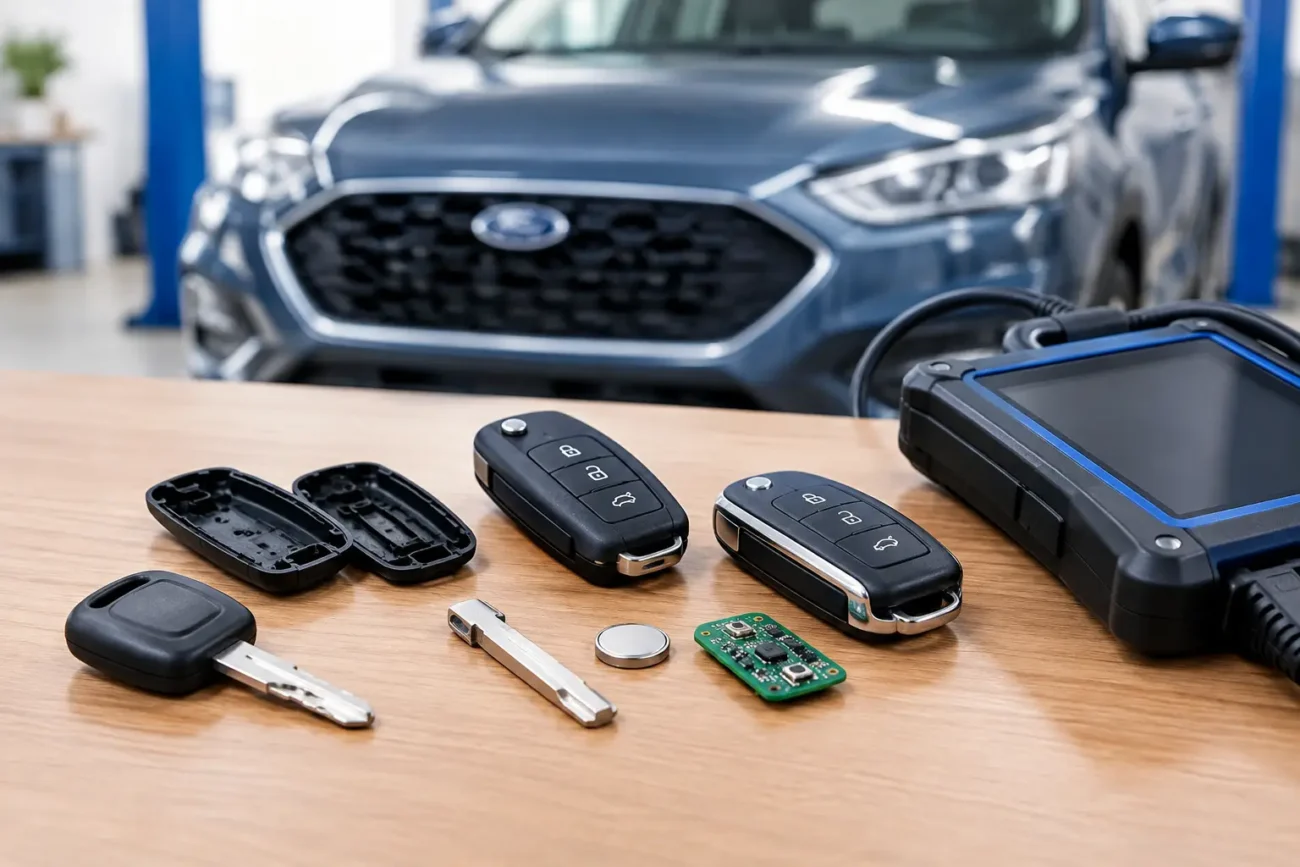
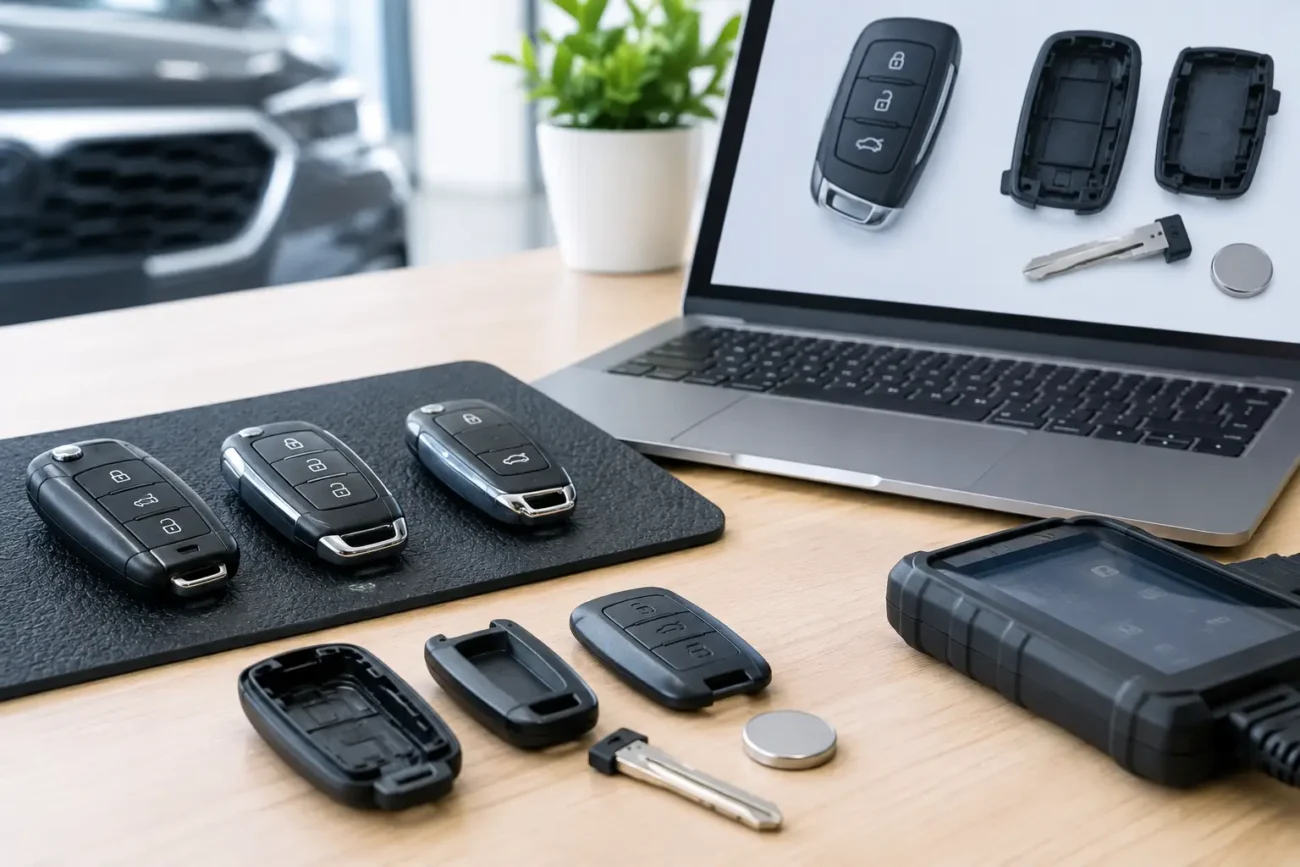
This matters when a key shell has cracked, the buttons have worn through or the blade needs replacing. A shell replacement can often restore the exterior of the key without replacing its electronics. Where appropriate, the original board, battery and transponder chip are transferred into the new shell. That avoids unnecessary programming because the vehicle continues to recognise its original chip.
However, this is only suitable when the original electronics are intact and the replacement shell matches the key’s blade profile, button layout and internal fixing points. Forcing components into the wrong shell can damage the board, transponder or battery contacts. If there is any doubt, compare the internal layout carefully before purchase.
When a replacement key needs programming
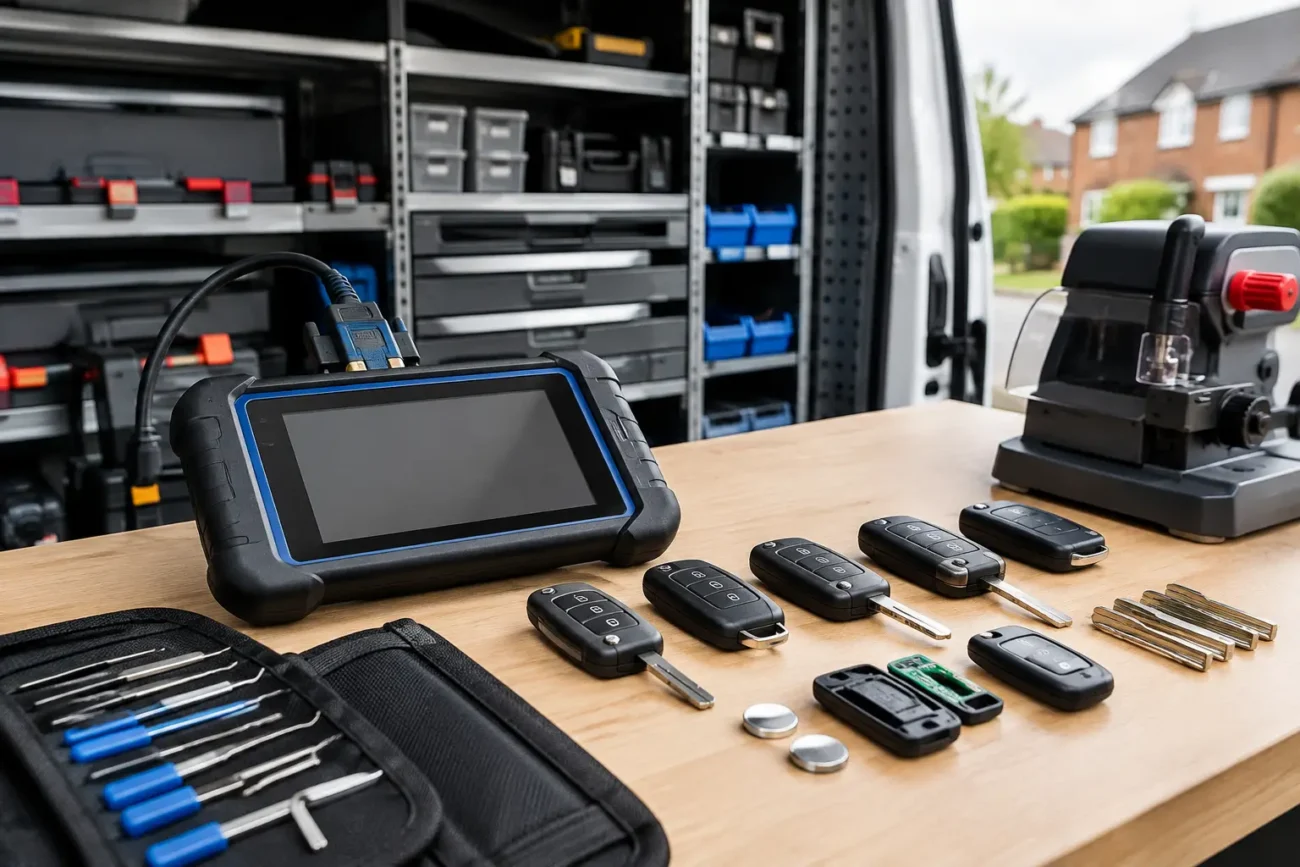
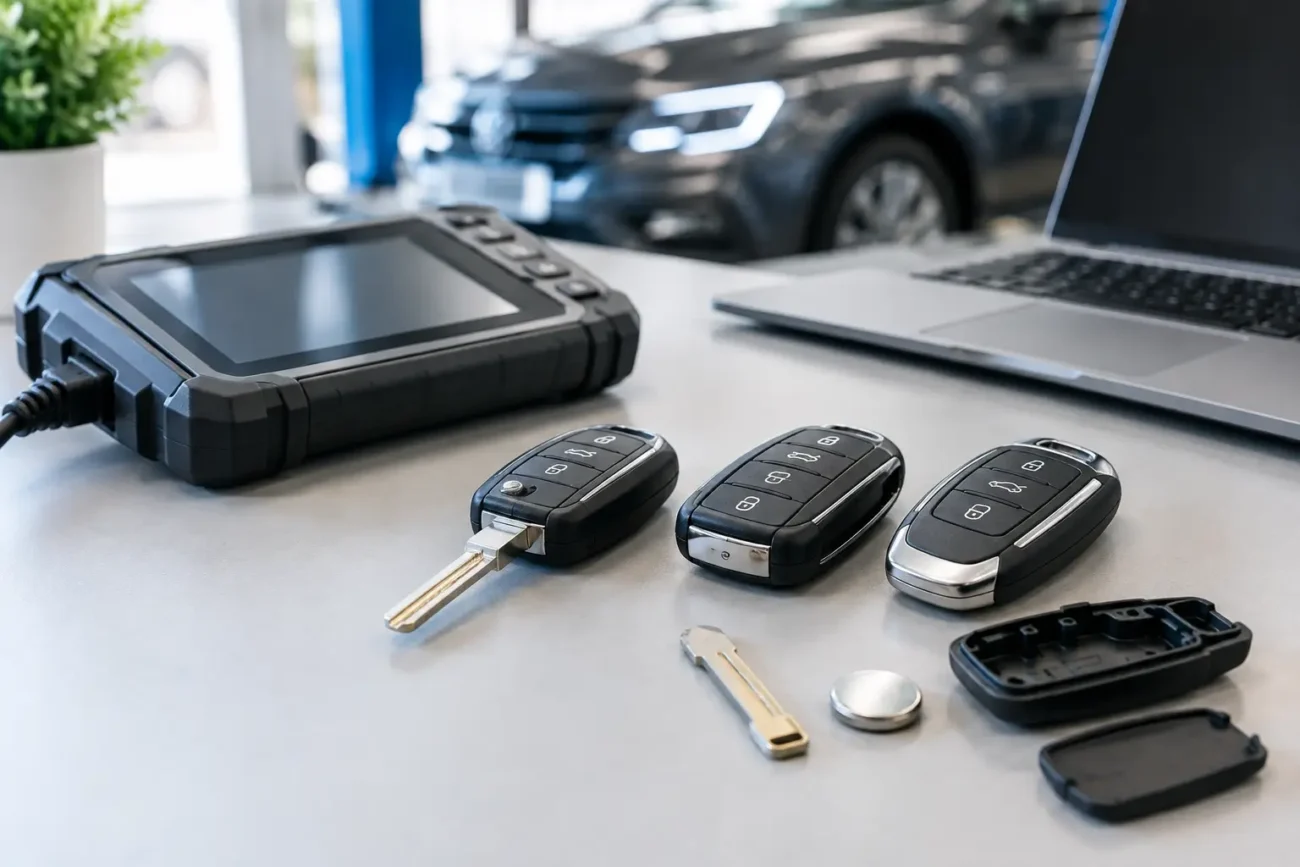
A newly supplied chip or complete replacement key generally needs to be prepared and programmed to the specific vehicle before it will start it. The exact process varies significantly by manufacturer and system. Some chips can be copied in supported applications, while others must be added to the vehicle using suitable diagnostic and key programming equipment.
A fresh key may also need more than one operation. Immobiliser authorisation and remote central-locking programming can be separate procedures. Smart keys can add further requirements, including the correct frequency, keyless entry configuration and emergency blade type.
For retail buyers, the practical lesson is simple: do not assume that fitting a battery, swapping a blade or pairing the remote buttons will make a new key start the engine. Confirm whether the item is a shell only, a remote board, an uncut key, a chip-equipped key or a complete programmed solution. A qualified automotive locksmith, garage or key programming professional can advise on the appropriate service for the vehicle.
For trade users, chip status matters just as much. Check whether the chip is supplied blank, locked, reusable, virgin, aftermarket or intended for a particular programming tool and workflow. Product descriptions and technical identifiers should be treated as essential job information, not optional detail.
Choosing compatible transponder chips
There is no reliable “one chip fits all” approach. A chip that suits one Ford, Toyota, BMW, Vauxhall, Peugeot, Audi, Kia or Mercedes model may be unsuitable for another model from the same manufacturer. Changes in year, platform, ignition design and immobiliser generation all affect key specification.
Before ordering, build the check around the existing key and the vehicle rather than the badge alone. The most useful details are:
- vehicle make, model and registration year
- original key part number or markings, where available
- blade type and whether the vehicle uses an ignition key or smart key
- number and arrangement of remote buttons
- remote frequency and chip type where these can be confirmed
- whether the job requires a shell, remote, transponder chip, complete key or programming equipment
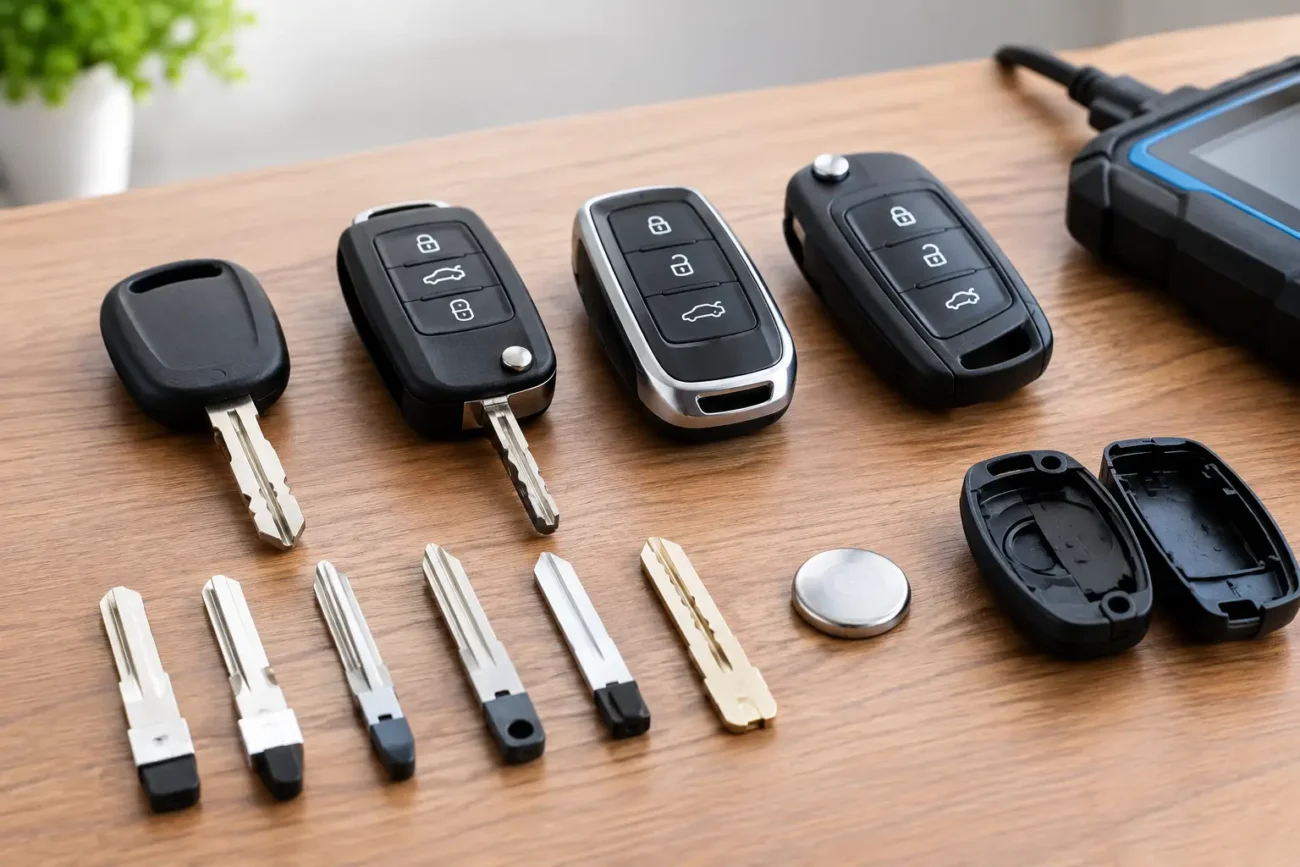
If the original key is available, it is normally the best reference point. Compare its casing, board arrangement and markings with the replacement listing. Photographs can help, but part numbers and technical specifications carry more weight than a broadly similar shape.
A vehicle registration lookup can be useful for narrowing options, but it should not replace a compatibility check. Vehicles can have model-year overlaps, imported specifications or previous replacement keys that differ from the factory item. When working on a customer vehicle, verify the details before cutting a blade or beginning any programming work.
Common replacement situations
A damaged casing is often the most straightforward case. If the vehicle starts normally and the remote electronics work, a correctly matched replacement shell may be all that is required. The original chip and circuit board are retained, so the immobiliser identity remains unchanged.
Lost keys are different. With no original key to transfer or copy, the replacement route depends on the vehicle’s immobiliser system and available key data. This is typically a job for suitable specialist equipment and an experienced professional, particularly where all keys have been lost.
Water damage can be less obvious. A fob may still illuminate or operate central locking but have corrosion affecting the transponder circuit or internal connections. Replacing the battery may help only if battery condition is the real issue. Inspect the board and chip area for contamination before deciding whether the fault is the shell, battery, remote electronics or immobiliser component.
A spare key is usually the most cost-effective time to deal with programming. There is less pressure than during a lost-key situation, and the original working key can provide valuable information for correct matching. It also gives households and businesses a practical backup when a primary key is misplaced or damaged.
The difference between quality parts and the right part
A well-made replacement key is valuable, but quality alone does not create compatibility. The right item needs the correct physical form, electronics and chip specification for the vehicle. Conversely, buying only on the lowest price can create delays if the key arrives with the wrong frequency, blade or transponder type.
Global Keys Direct stocks a broad range of replacement key products and professional tools, but every buyer should still check the individual listing details against the vehicle and original key. This is particularly relevant with aftermarket remotes and shells, where the external design can be very close across several variants.
For professional users, keeping key identification disciplined saves repeat work. Record the part number, chip family, remote frequency and vehicle application with each job. For vehicle owners, taking clear photos of both sides of the original fob, the blade and internal board before ordering can make it much easier to select the correct replacement.
A transponder chip is small, but it determines whether many modern keys are merely able to turn a lock or genuinely able to start the car. Check the details first, choose the correct component for the job, and arrange professional programming where the vehicle requires it.
Add a review
Your email address will not be published. Required fields are marked *