
Best Tools for Locksmith Vans on UK Jobs
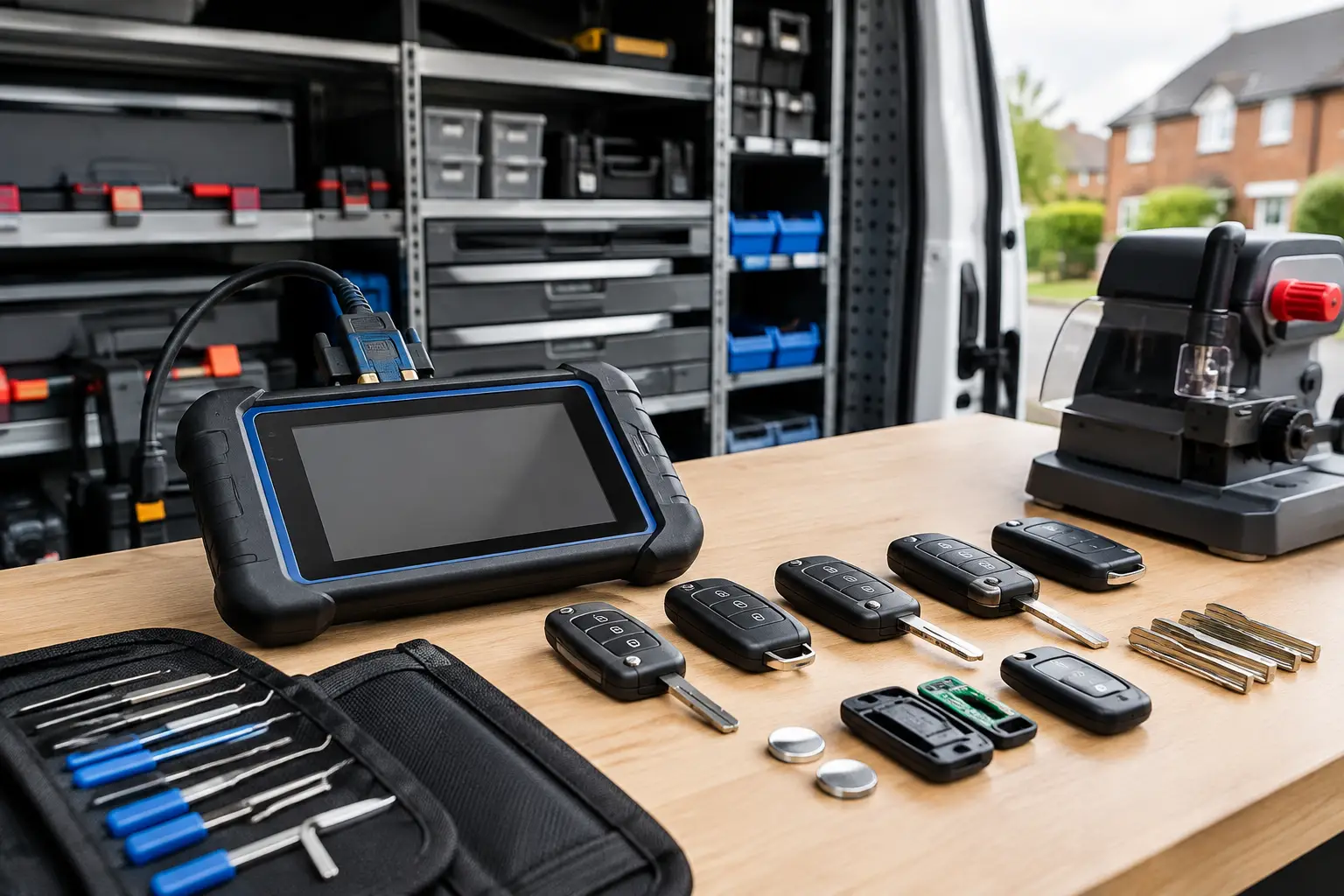
A locksmith van earns its keep when it can turn an urgent vehicle-key enquiry into a completed, properly documented job without a return visit. The best tools for locksmith vans are not simply the most expensive machines on the market. They are the tools that match the vehicles you see, the services you offer and the stock you can support from the vehicle.
For automotive locksmiths, garages and key programming professionals, the aim is simple: carry a compact, dependable setup that covers common work while leaving room to scale into specialist applications. A poorly planned van can tie up cash in rarely used equipment, while a carefully selected one improves response times, reduces wasted journeys and gives customers a more professional experience.
Start with the jobs your van actually takes
Before choosing equipment, look at the last three months of enquiries. A van focused on replacement remote fobs and spare keys for everyday Ford, Vauxhall, Peugeot, Toyota, Kia and Hyundai vehicles needs a different setup from one regularly handling late-model smart keys, European diagnostics or premium marques.
The same applies to your working area. A technician covering town centres may prioritise compact equipment, battery power and fast organisation. Someone travelling longer distances may need greater stock depth, duplicate machines and more substantial onboard power. There is no single perfect loadout, but there should be a clear reason for every item on the shelf.
It also pays to separate equipment into three groups: revenue-generating tools used daily, supporting tools that prevent delays, and specialist tools deployed only where there is proven demand. This prevents the common mistake of buying advanced capability before the business has the vehicle volume to justify it.
Best tools for locksmith vans: the core equipment
Vehicle diagnostic and key programming tools
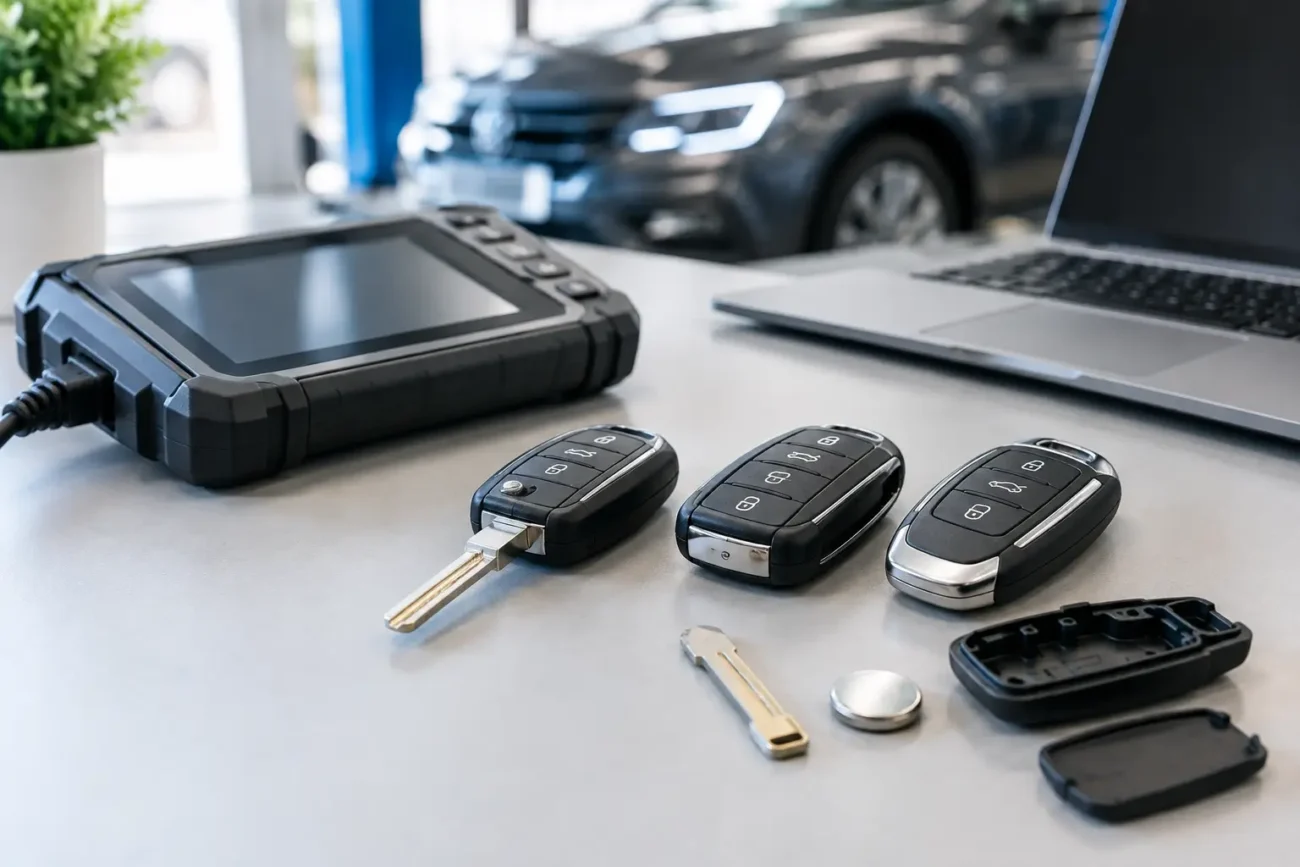
A professional diagnostic and programming device is the centre of an automotive key van. It should support the vehicle coverage you encounter, offer clear guided functions where appropriate and receive ongoing software support. Autel and Xhorse systems are widely used in professional key work because their product ranges can support diagnostics, transponder functions and key-related workflows, depending on the tool and vehicle.
Coverage alone should not dictate the purchase. Check whether the tool supports the precise year, model and system you work on, and whether further accessories, tokens, subscriptions or adapters are required. A claim that a machine covers a manufacturer does not automatically mean it handles every model, key type or procedure within that range.
Keep the tool updated before leaving for the day, protect it in a fitted case and carry its essential cables together. A programming tablet is of little value if the required lead is in a workshop drawer.
Key cutting equipment and consumables
A dependable key cutting machine, with the appropriate clamps and cutters, is another foundation for mobile work. The right choice depends on whether your workload is primarily standard edge-cut keys, laser-style profiles or a mixture of both. Accuracy, calibration support, cutter availability and practical transportability all matter more than headline specifications.
Your consumables deserve the same attention. Carry spare cutters where the machine requires them, a cleaning brush, lubricant recommended by the manufacturer and calibration items. A small tool issue can otherwise turn a straightforward replacement into an aborted job.
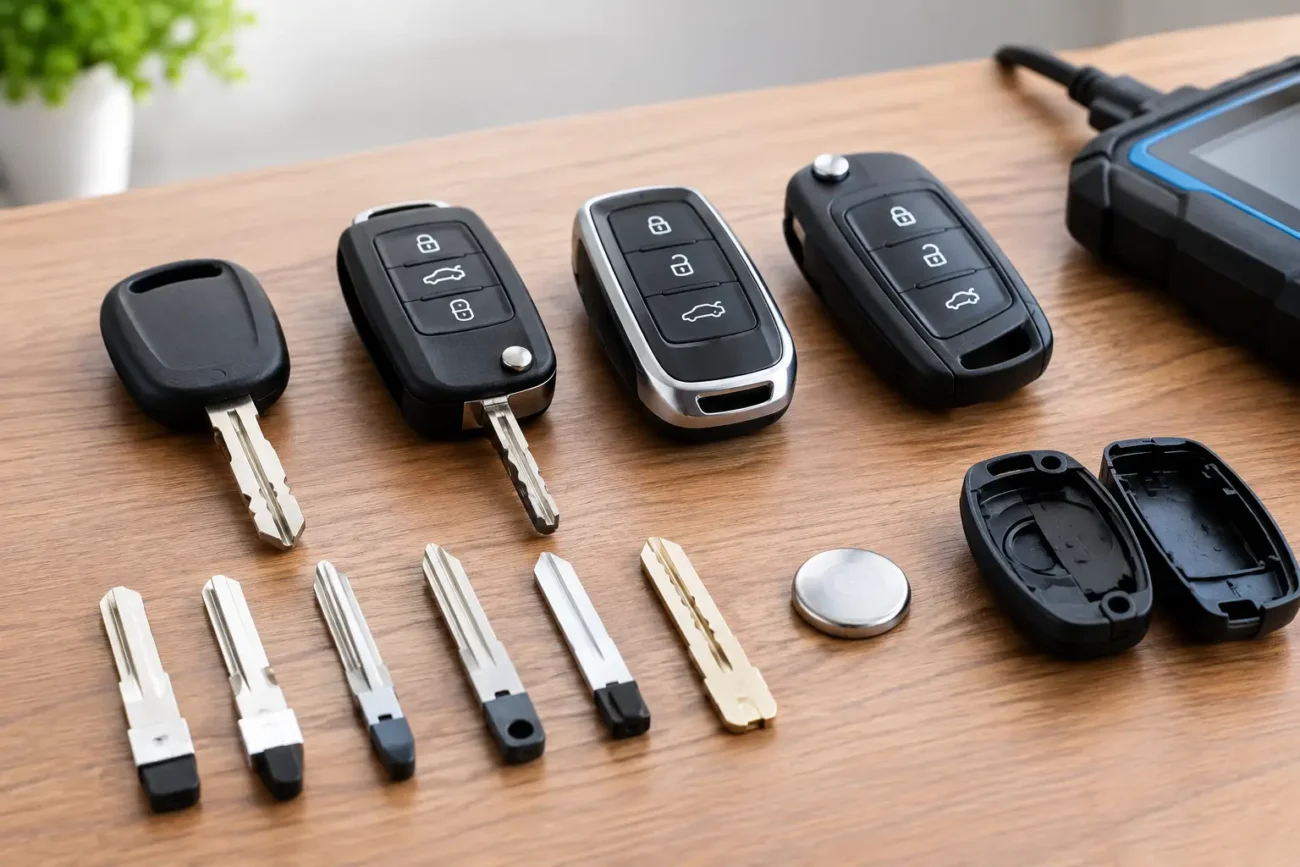
Blades should be organised by profile and clearly labelled. It is more efficient to carry high-turnover key blades for the makes you regularly see than to fill valuable storage space with random profiles. Check the original key, keyway and blade reference before cutting. When no original is available, use only legitimate vehicle information and approved professional processes, alongside suitable proof of ownership.
Transponders, remotes and replacement shells
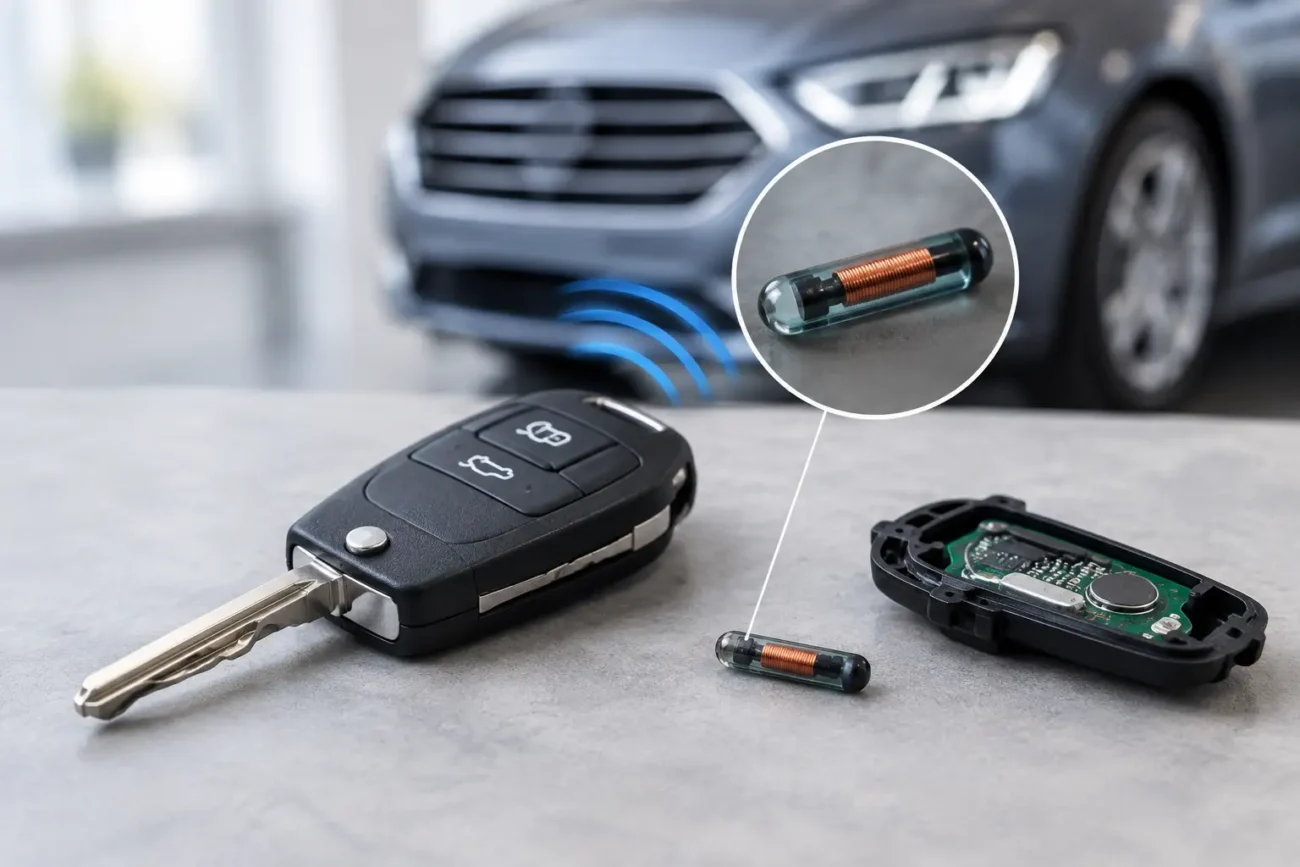
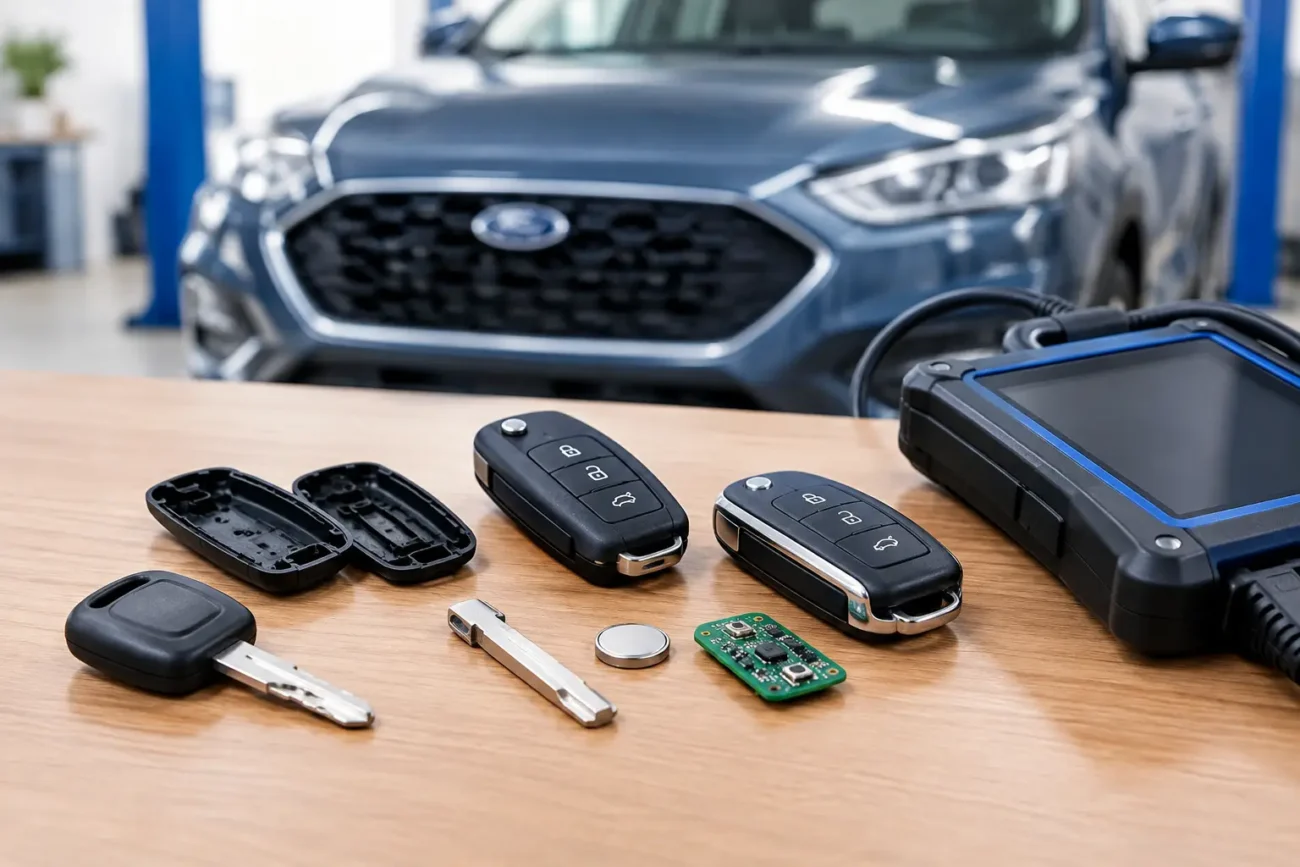
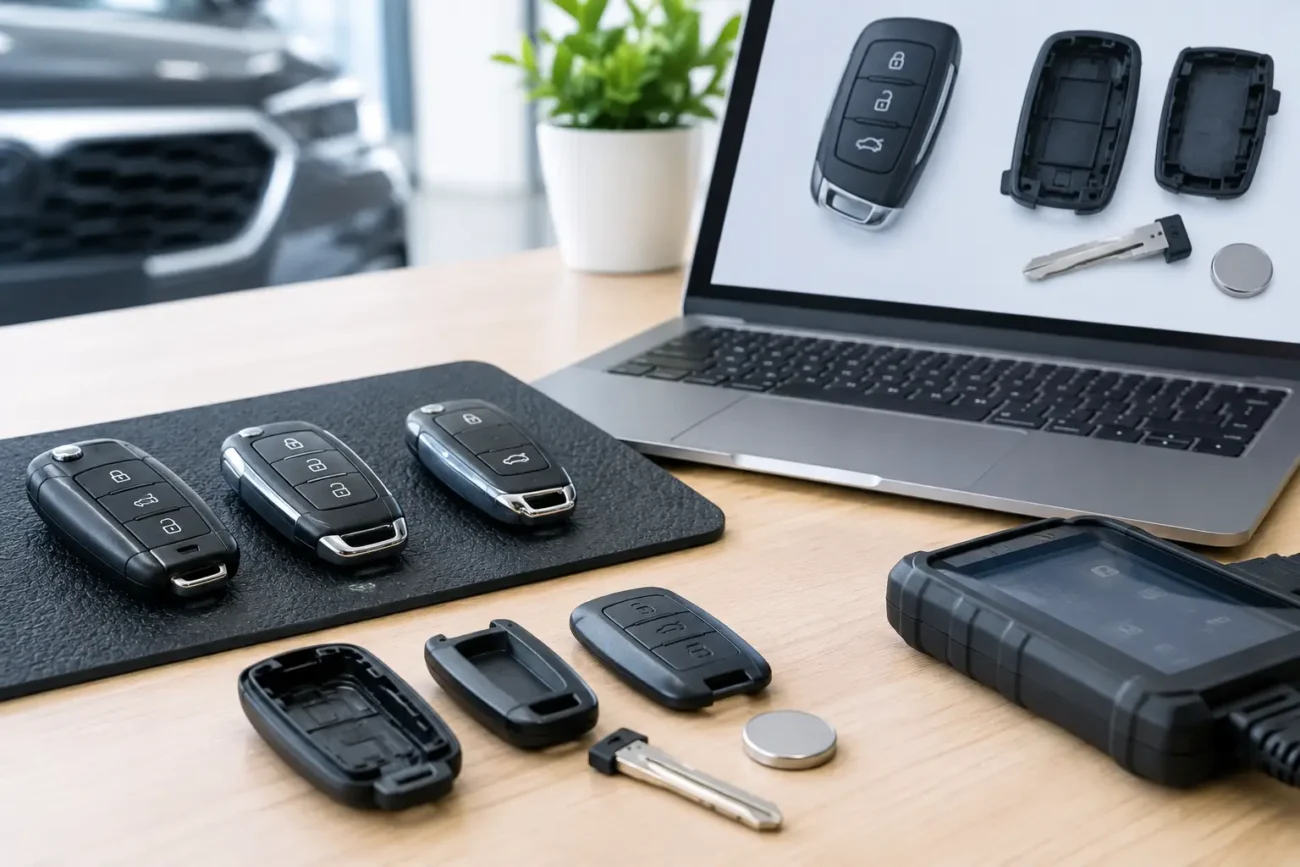
Stock is where a mobile setup becomes commercially useful. A considered selection of universal and vehicle-specific transponders, remote fobs, smart key options, replacement shells and button pads allows you to offer a practical solution rather than simply diagnose a problem.
Each item must be checked against the vehicle details. Frequency, button layout, transponder chip type, blade type, part number and board style can all affect suitability. Two keys that look almost identical can be electrically or physically different. For smart keys in particular, confirming the exact vehicle specification before ordering or programming protects both your time and the customer’s vehicle.
Global Keys Direct stocks a broad range of brand-compatible key products and professional tooling for trade buyers, making it easier to replenish commonly used items without relying on dealership lead times. Build your van stock around proven demand, then review it monthly. Slow-moving inventory is better kept at base unless it supports a high-value, regular service.
Stable power and battery support
Programming work should never begin with an uncertain vehicle battery. Voltage stability matters, particularly where electronic modules are involved. A quality battery support unit or stabilised power supply helps maintain a suitable voltage during approved diagnostic and programming work, while a multimeter allows you to identify basic power and connection issues before wasting time on a procedure.
The van itself also needs a sensible power plan. A pure sine wave inverter, auxiliary battery system or portable power station may be suitable, depending on the equipment you operate and the hours you spend away from base. Calculate the actual load of your cutter, chargers, laptop and lighting rather than assuming a small inverter will cover everything.
Carry protected extension leads, fused charging cables and a reliable work light. Poor light is not merely inconvenient when checking blade profiles, locating diagnostic ports or reading small component markings.
Secure storage and a practical work surface
Tools that cannot be found quickly are tools that slow the job down. Racking should put high-use items at waist or chest height, with labelled drawers for chips, remotes, blades, batteries and adapters. Foam inserts or divided cases stop delicate electronics and loose transponders from becoming mixed together during travel.
A fold-out bench or compact internal worktop is particularly useful for controlled tasks such as assembling a replacement shell, changing a battery or preparing a remote. Keep this area clean and separate from heavy tools. A small parts tray prevents screws, blades and battery covers disappearing into the van floor.
Security is equally important. Fit suitable locks and keep high-value equipment out of sight where possible. At the end of each job, return programming devices, customer keys and sensitive job paperwork to their designated locations. Treat every vehicle key as a controlled item, not ordinary stock.
Supporting tools that prevent lost time
The most effective van setups include the less glamorous equipment that keeps daily work moving. A laptop or tablet charger, cable tester, multimeter, spare batteries, inspection torch, label printer and basic hand tools can save a surprising number of return visits. So can spare OBD leads, USB cables and approved adapters for the equipment you already use.
Use a simple replenishment system. When a common CR-series battery, remote shell or key blade is used, record it immediately rather than relying on memory. Many operators keep a minimum quantity for fast-moving lines and restock before they reach that point. This is more reliable than discovering a gap in stock when a customer is waiting.
Documentation should have a place in the workflow too. Record the vehicle registration, identification details where required, customer authority, parts fitted and work completed. This supports professional standards, helps with future enquiries and reduces uncertainty if a customer returns for an additional key.
Avoid buying for the brochure
A fully loaded van looks impressive, but idle equipment does not improve profit. Be cautious with highly specialised tools where you have not yet established local demand, or where the required training, subscriptions and stock commitments are substantial. Rental, trade collaboration or a planned referral route can be more sensible while you assess demand.
The reverse is also true: buying the cheapest version of a daily-use tool can cost more through poor support, inaccurate work or downtime. Prioritise quality for equipment that touches every job, then expand capability in response to real customer requests. Training should be budgeted alongside the hardware, especially as modern vehicle key systems and software coverage change regularly.
Keep the van ready for the next job
A well-equipped locksmith van is not defined by how much it carries. It is defined by whether the technician can identify the right key solution, verify fitment, complete authorised work safely and leave the customer with a dependable result. Review the kit after difficult jobs, note what caused delay and make the next restock or equipment purchase solve that specific problem.
Add a review
Your email address will not be published. Required fields are marked *