
Choosing the Right Transponder Key Blanks
A transponder key can look like an ordinary car key, yet the small chip inside its head is often the difference between a vehicle starting and remaining immobilised. That is why ordering transponder key blanks is not simply a matter of matching the make and model. The correct blank must suit the vehicle’s immobiliser system, key blade profile and, where relevant, remote specification.
For vehicle owners, choosing correctly helps avoid the cost and inconvenience of a key that cannot be cut or programmed for the car. For locksmiths, garages and key professionals, accurate identification protects job margins and keeps customer work moving. A well-chosen blank provides the right starting point. The cutting, transponder preparation and programming process must then be completed with suitable equipment and vehicle-specific procedures.
What Is a Transponder Key Blank?
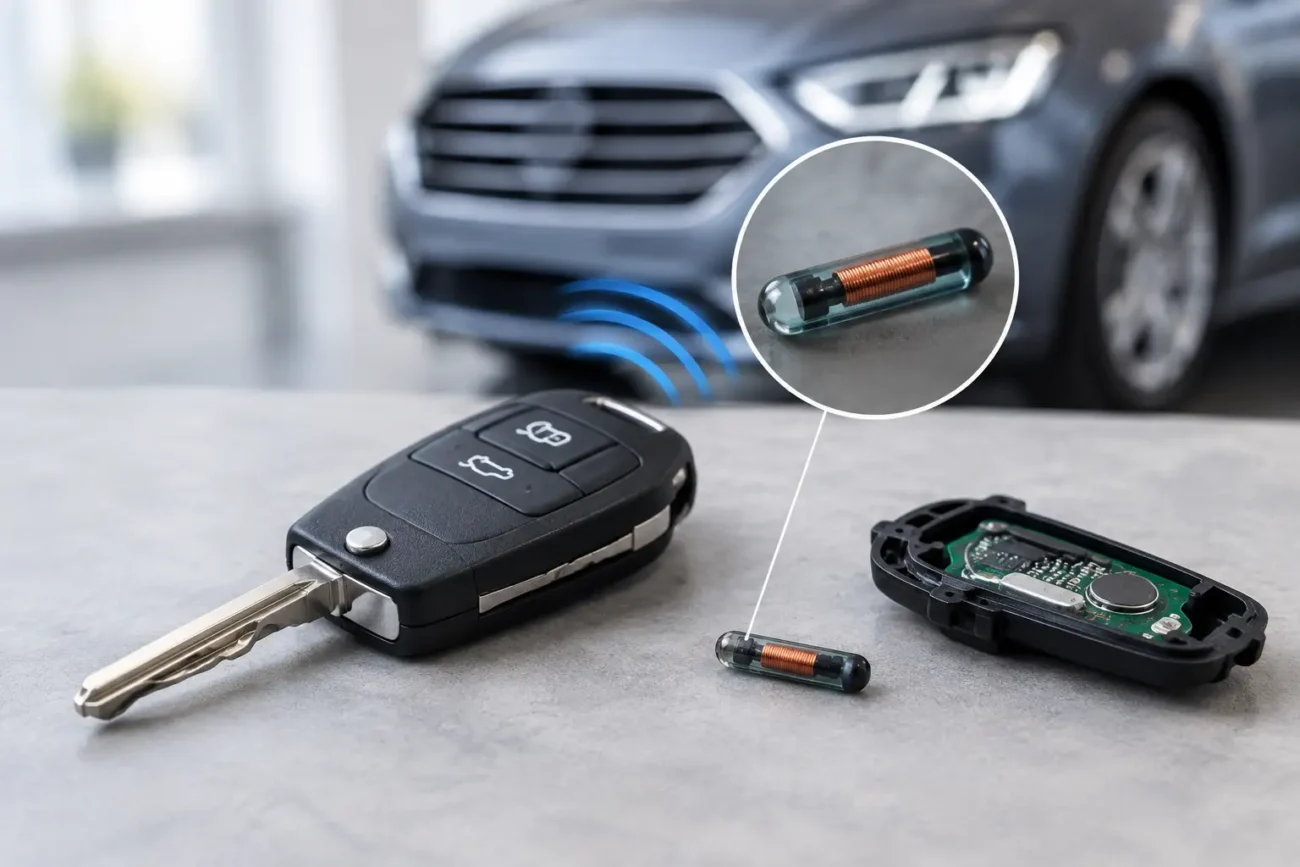
A transponder key blank is an uncut key with an electronic chip housed in the plastic head or remote casing. When the key is placed in the ignition or detected by the vehicle’s system, the car reads the chip’s identification data. If that data is accepted, the immobiliser permits the engine to start.
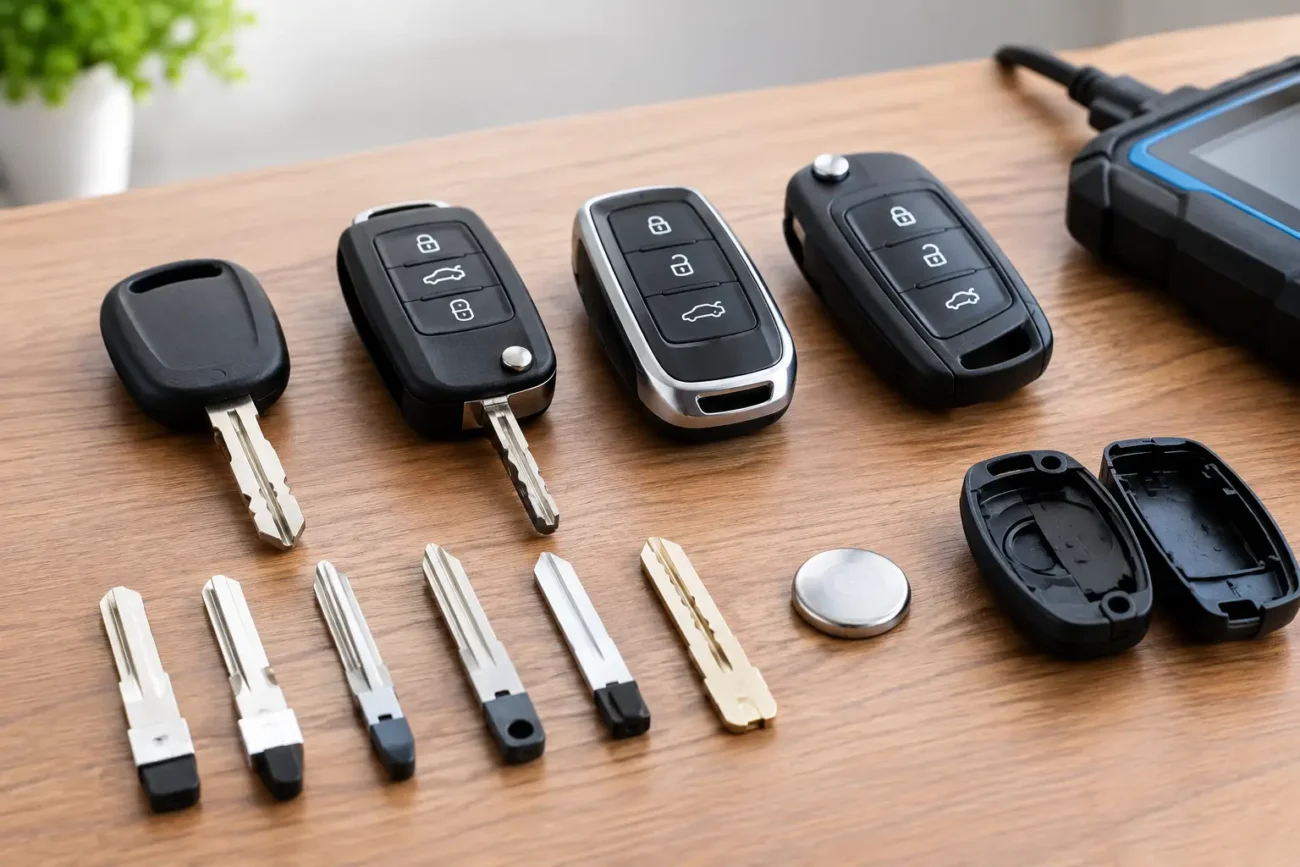
The word “blank” can mean different things depending on the product. It may refer to a basic chip key awaiting cutting and programming, a remote key with an uncut blade, or a smart key supplied ready for the appropriate programming process. Some blanks include a transponder chip already fitted, while others require a separate chip or a compatible electronic board.
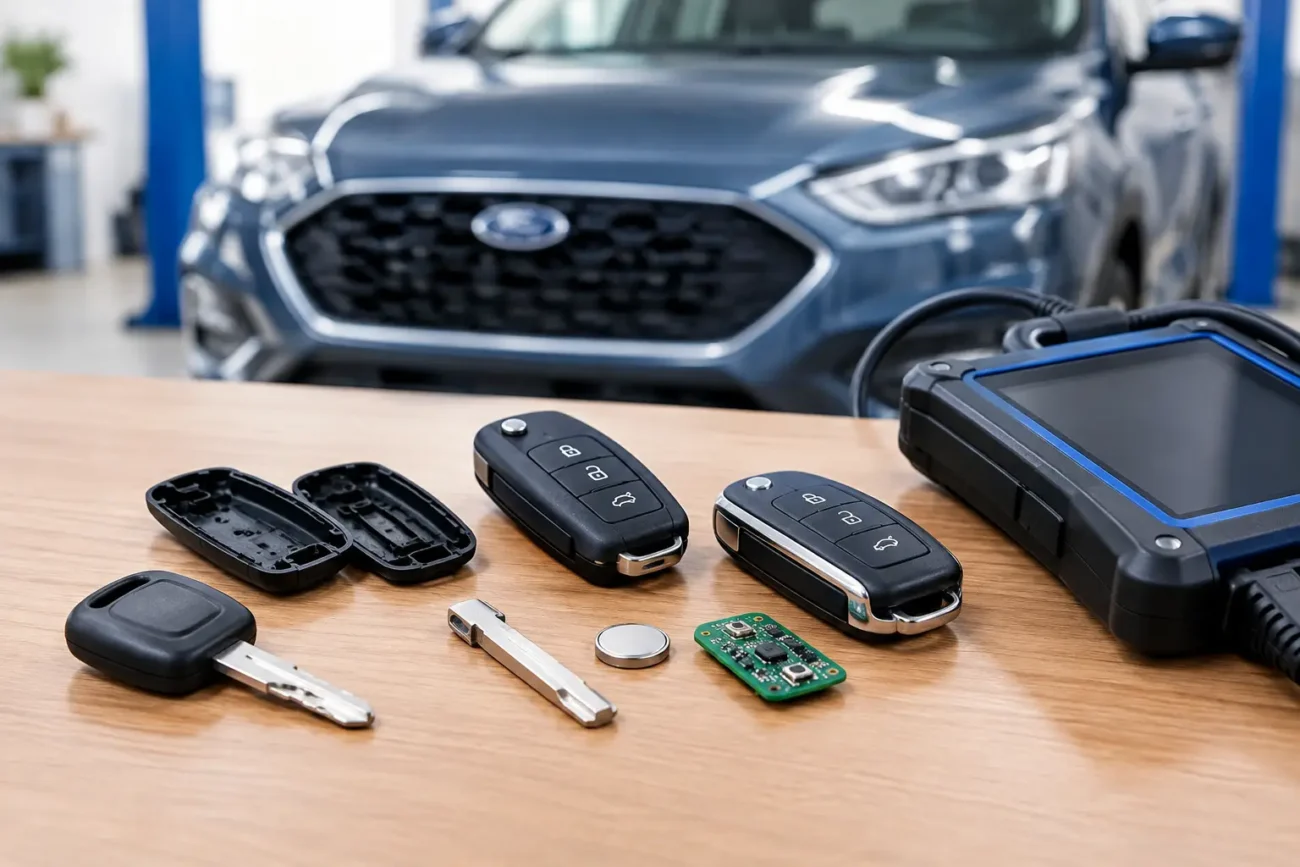
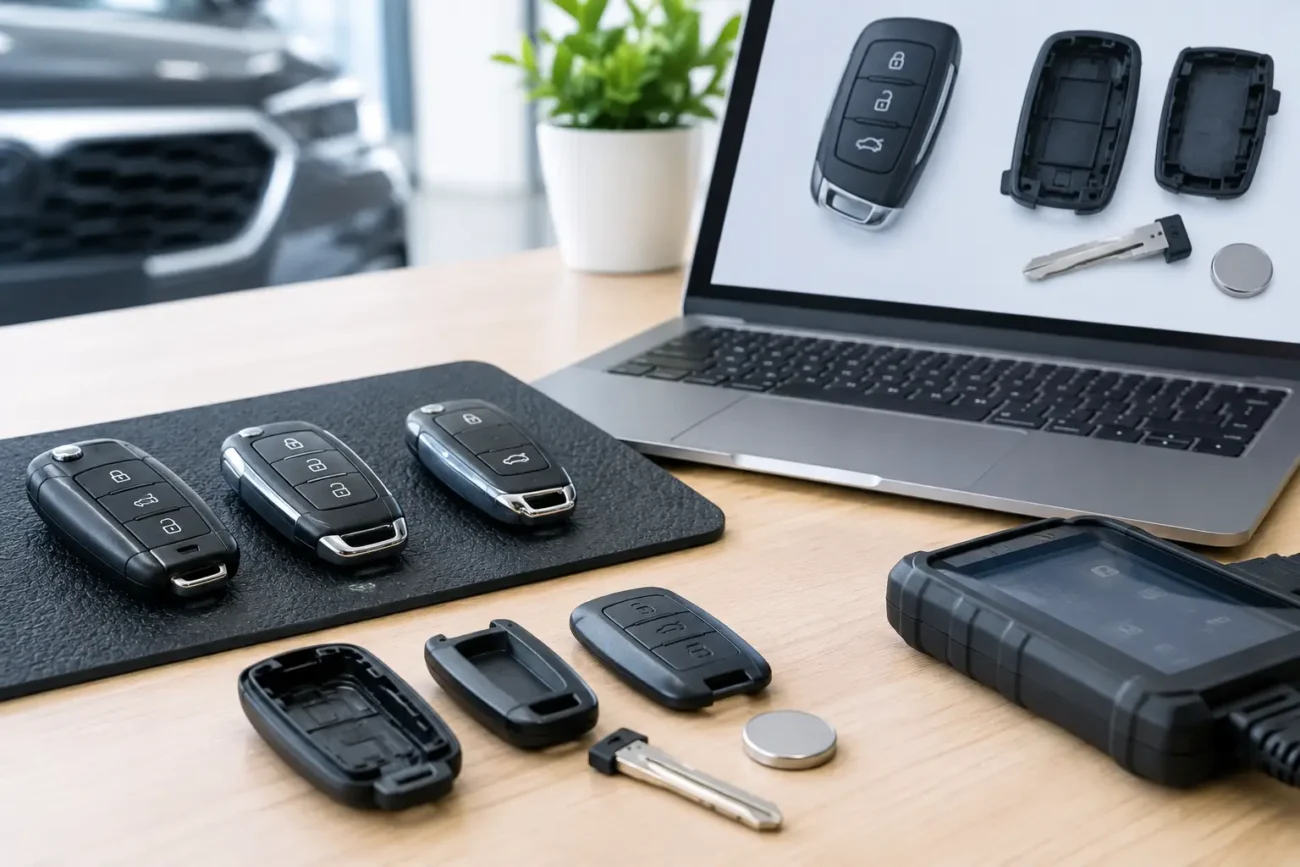
This distinction matters. A replacement shell can restore a damaged key case, but it does not normally provide a new transponder. A blade-only blank can be cut for the lock, but it will not address electronic authorisation. Before ordering, establish whether the job requires a complete replacement key, a remote key, a shell, a blade or a chip solution.
Why Vehicle Make and Model Are Not Enough
Two keys for the same vehicle manufacturer can use different blades, chip families and frequencies across model years, trim levels and markets. A Ford, Vauxhall, Peugeot, BMW or Toyota key may appear familiar at first glance, but visual similarity does not prove technical compatibility.
Manufacturers can revise key systems during a production run. A facelift model may use a different remote board; an earlier vehicle may have a fixed-code chip where a later version uses a more advanced encrypted type. Keyless entry and push-button start add another layer, as the smart key must match both the vehicle’s proximity system and its remote functions.
The safest approach is to identify the existing key wherever possible. Product-specific information such as the blade reference, transponder chip type, frequency, button layout and part number is far more useful than a broad vehicle description. If the original key is missing, accurate registration, year, model variant and ignition type become even more important, although these details should still be checked against the product fitment information.
Types of Transponder Key Blanks
Not every transponder blank performs the same role. Understanding the main categories makes it easier to source the right item for the job.
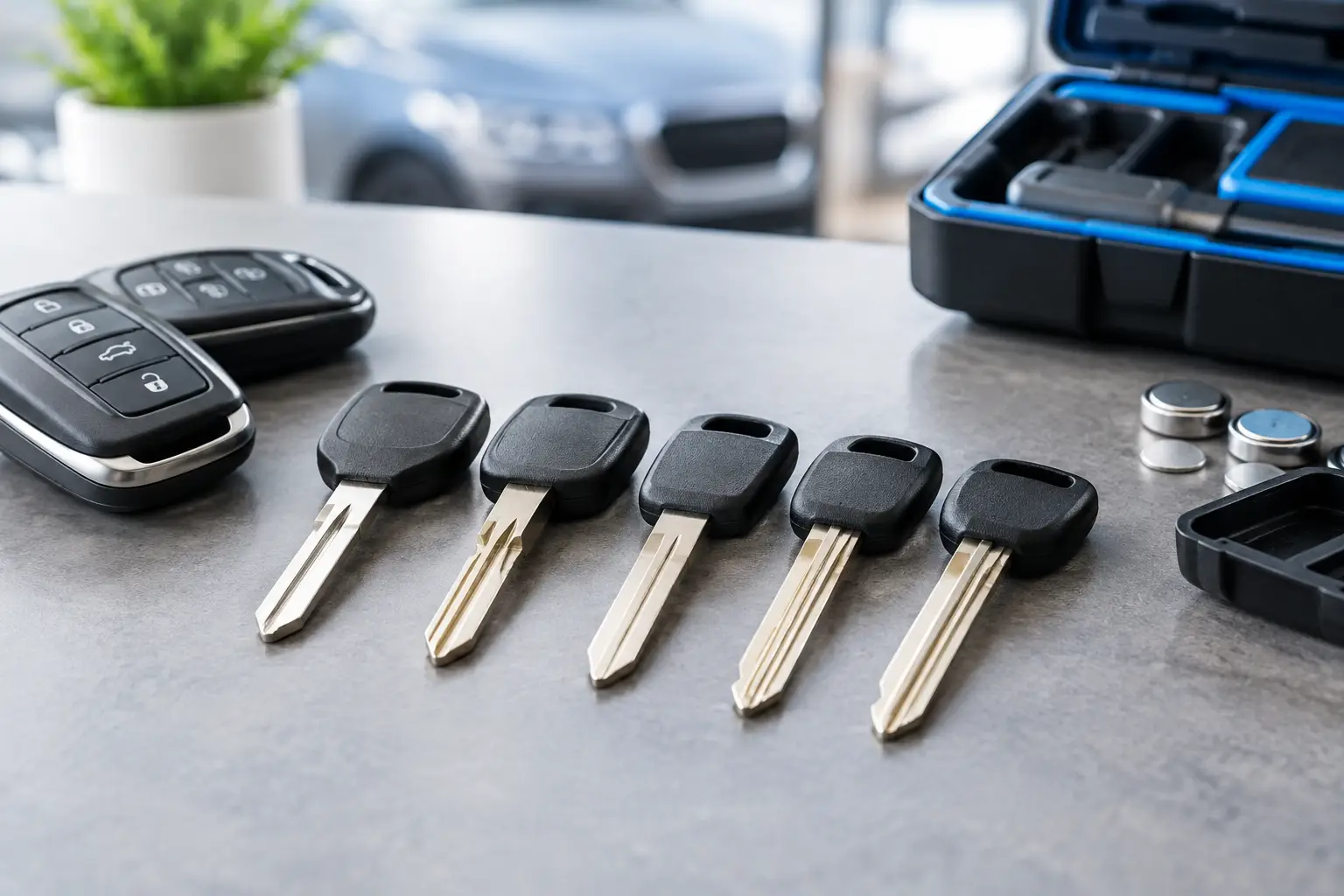
A standard chip key has a conventional metal blade and a transponder in the key head. These are common on many vehicles with no remote locking buttons on the key itself. They are often an economical option when the customer needs a working spare or replacement ignition key.
Remote transponder keys combine central locking controls with an immobiliser chip. They need the right button configuration, blade, frequency and electronic specification. A three-button remote that looks close to a two-button original is not automatically interchangeable.
Smart keys are designed for keyless entry and push-button start systems. Their suitability depends on more than the shell shape. The internal board, frequency, proximity functions and vehicle platform must align with the application.
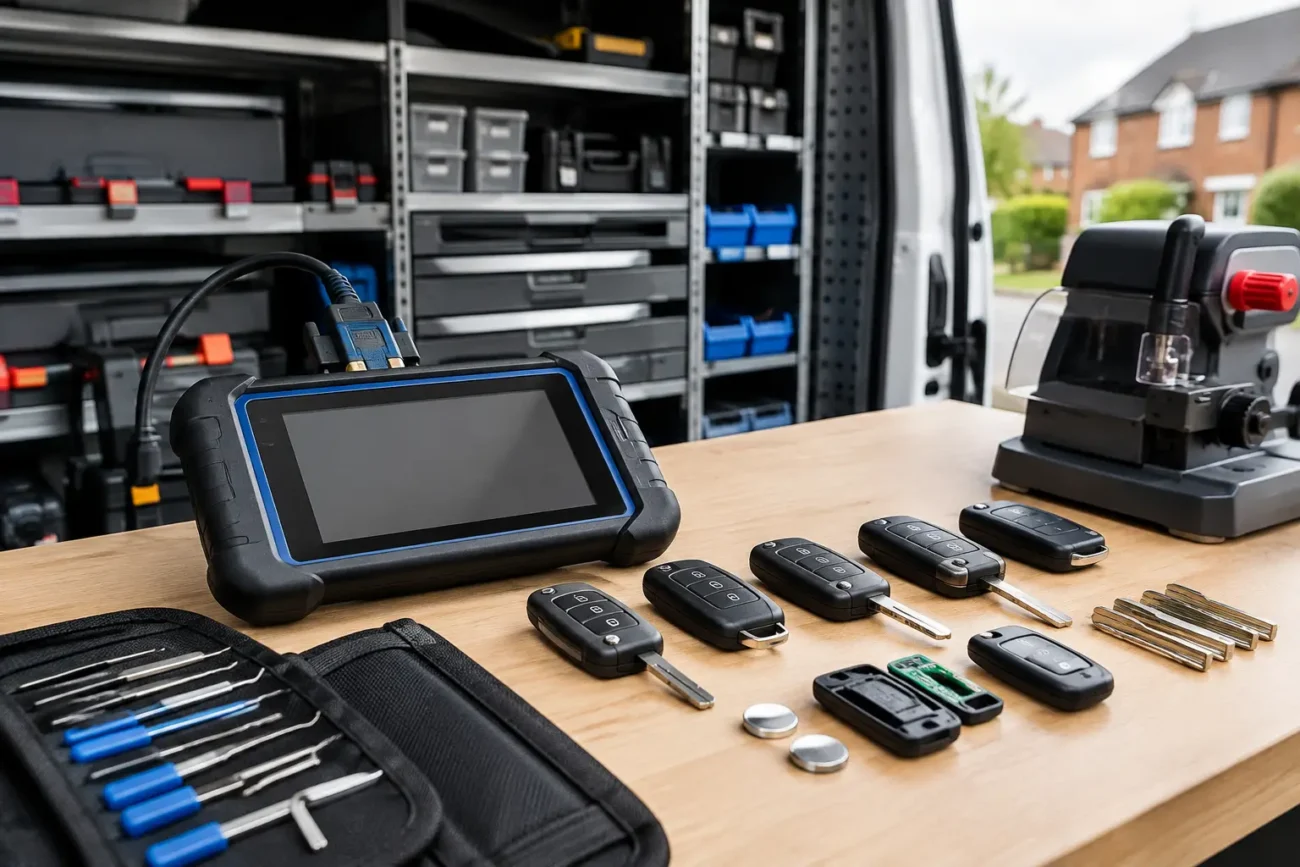
Universal and programmable key solutions can be valuable for trade users with the right programming equipment. They can reduce the need to hold a separate stocked key for every application, but they are not a universal answer to every vehicle. The tool, software coverage and key type must all support the intended vehicle before work begins.
Checking Transponder Key Blanks Before You Buy
A few minutes spent checking specifications can prevent a return, a delayed repair or an unproductive programming attempt. For both retail and trade orders, compare the available details with the original key and the vehicle wherever possible.
- Blade profile: Check the blade reference and physical groove pattern. A correct chip does not help if the blank cannot be cut to suit the vehicle lock or ignition.
- Chip type: Confirm the stated transponder type or chip family. This is one of the most important electronic compatibility checks.
- Remote frequency: For remote keys and smart keys, verify the frequency shown on the original unit or product information. Frequency can vary between versions of similar vehicles.
- Button layout and casing: Match the number and function of buttons, along with the case style. This helps ensure the replacement supports the required remote features and fits the intended key arrangement.
- Part number and board markings: Where available, compare the manufacturer reference or markings on the original key’s board. These details are often more reliable than appearance alone.
Photographs are useful, particularly for confirming casing shape and blade style, but they should be treated as supporting evidence rather than the sole basis for an order. A key can look identical externally while carrying a different internal chip or circuit board.
Chip Type Comes First for Immobiliser Function
The transponder chip is the part that communicates with the immobiliser. Some systems use fixed-code chips, while others use encrypted or rolling-code technology. The right choice depends on the vehicle’s factory system and the programming method available.
For professionals, chip type should be checked alongside the capabilities of the chosen diagnostic or key programming tool. A blank may be technically correct for the vehicle but still require a specific procedure, software function or additional data preparation. For vehicle owners, this is a reason to confirm the product specification before ordering and arrange programming through a suitably equipped automotive key professional where required.
Blade Type Still Matters
Electronic compatibility does not replace mechanical compatibility. The blank blade must be suitable for the key cutting machine and capable of being cut to the vehicle’s original pattern. Some keys use a traditional edge-cut blade, while others use laser or sidewinder styles, flip-key blades or separate emergency blades for smart key systems.
Where the original blade is worn, a direct copy may not always deliver the best result. A qualified key cutter can assess the condition of the source key and select the most appropriate method. The aim is a key that operates the lock and ignition correctly without unnecessary wear.
Programming Is a Separate Stage
Buying a compatible blank does not usually mean it will start the vehicle immediately. Cutting the blade allows the key to operate the mechanical lock, while programming pairs the transponder with the car’s immobiliser. Remote locking functions may also need synchronising or programming separately, depending on the vehicle.
This is where expectations need to be clear. Some older applications can be straightforward for a qualified professional, while later encrypted systems, smart keys and all-keys-lost situations can require advanced tools, security access or specialist data. The correct blank is still essential, but it is only one part of the complete replacement process.
Global Keys Direct stocks a broad range of vehicle-compatible key products and programming equipment for buyers who need practical options without dealership-level pricing. Product details should always be reviewed carefully against the vehicle and original key before purchase, particularly on model-year changeovers.
Common Ordering Mistakes to Avoid
The most common mistake is ordering purely by vehicle make, model and year. Those details are useful, but they do not always identify the exact key system. Another frequent error is buying a replacement shell when the customer actually needs a functioning spare key with a transponder and remote electronics.
It is also easy to overlook frequency markings on remote keys. A replacement may have the correct blade and casing but fail to provide the expected remote operation if the electronics are not right for the vehicle. Trade buyers should also consider whether a key is supplied pre-coded, programmable, virgin, used or supplied with the relevant chip, as each condition can affect the workflow.
For a damaged remote where the existing electronics still work, transferring the original board and chip into a compatible shell may be the most cost-effective solution. For a lost key or a key with failed electronics, a complete transponder key blank is usually the more appropriate starting point. The right route depends on the condition of the original key and the customer’s required outcome.
A careful compatibility check turns a replacement key from a gamble into a planned repair. Start with the chip, confirm the blade and remote details, then make sure the intended programming route is suitable. That extra attention is what keeps a simple key order from becoming a costly delay.
Add a review
Your email address will not be published. Required fields are marked *