
How to Identify Key Blade Types Before You Buy
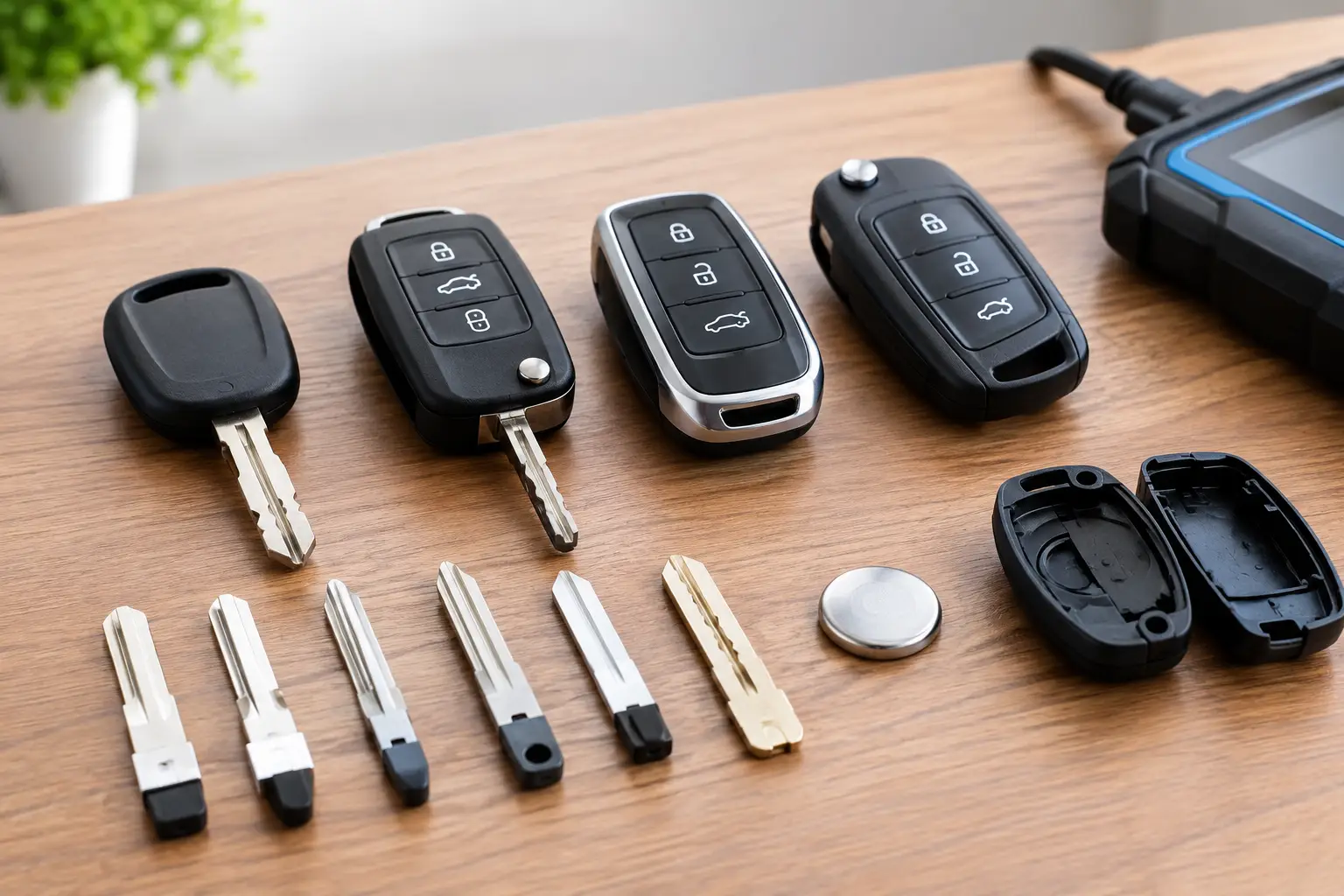
A replacement remote can look correct from the front, have the right number of buttons and still be unsuitable for your vehicle because the blade is wrong. Knowing how to identify key blade type before ordering saves time, avoids unnecessary returns and helps you choose a key that can be cut and used correctly.
For vehicle owners, the simplest starting point is the key already in your hand. For locksmiths, garages and key professionals, it is a matter of confirming the blade profile alongside the vehicle application, remote board and transponder requirements. The blade is only one part of a working key, but it is the part that must physically match the vehicle lock.
What a key blade actually identifies
A key blade is the metal section that enters the door lock or ignition barrel. Its outer shape is known as the blade profile or keyway profile. The grooves, channels and edges along the blank must match the lock design before any cutting takes place.
The cuts on the blade are different. These are the raised and lowered sections created when a key is cut to operate a specific vehicle. Two keys can share the same blade profile but have completely different cuts, so a blank that fits the lock shape still needs to be cut from an existing working key or by a suitably equipped key professional.
On many modern vehicles, particularly keyless and smart-key applications, the emergency blade may be smaller and detachable. Do not assume a smart key has no blade just because the vehicle starts with a push button. The emergency blade is often needed for mechanical door access and comes in several profiles even within the same manufacturer range.
How to identify key blade type from your existing key
The most reliable method is to compare the old blade directly with the replacement blank or product images. Look at it from both sides in good light. The overall outline, shoulder position, tip shape, groove pattern and thickness should correspond.
Check the blade profile, not only its length
Length is useful, but it is not enough. A longer or shorter blank can sometimes be cut to size, whereas an incorrect profile will not enter the lock properly. Pay close attention to the grooves running along the blade. Their number, depth and position are key identifiers.
A blade with a central channel, for example, is not automatically interchangeable with another blade carrying a similar channel. Small differences in the side milling or edge profile can make two blanks incompatible. Product photographs should therefore be treated as a comparison aid, not the only confirmation point.
Look for a blade reference or stamped number
Some original keys and replacement blades carry a reference number on the metal or near the blade base. This may identify a recognised blade family, such as HU, VA, SIP or TOY profiles. Where present, this reference is useful, especially for trade buyers handling a range of vehicles.
Not every blade is marked, and a marking alone should not override the physical comparison. Manufacturers can use closely related profiles across different years and models. Use the reference together with the make, model, year and key style.
Compare the shoulder and blade base
The shoulder is the point where the blade meets the key head, flip mechanism or emergency-key housing. This is an easy detail to overlook. If the shoulder is positioned differently, the blade may sit too far in or not far enough into the lock, even if the profile appears similar.
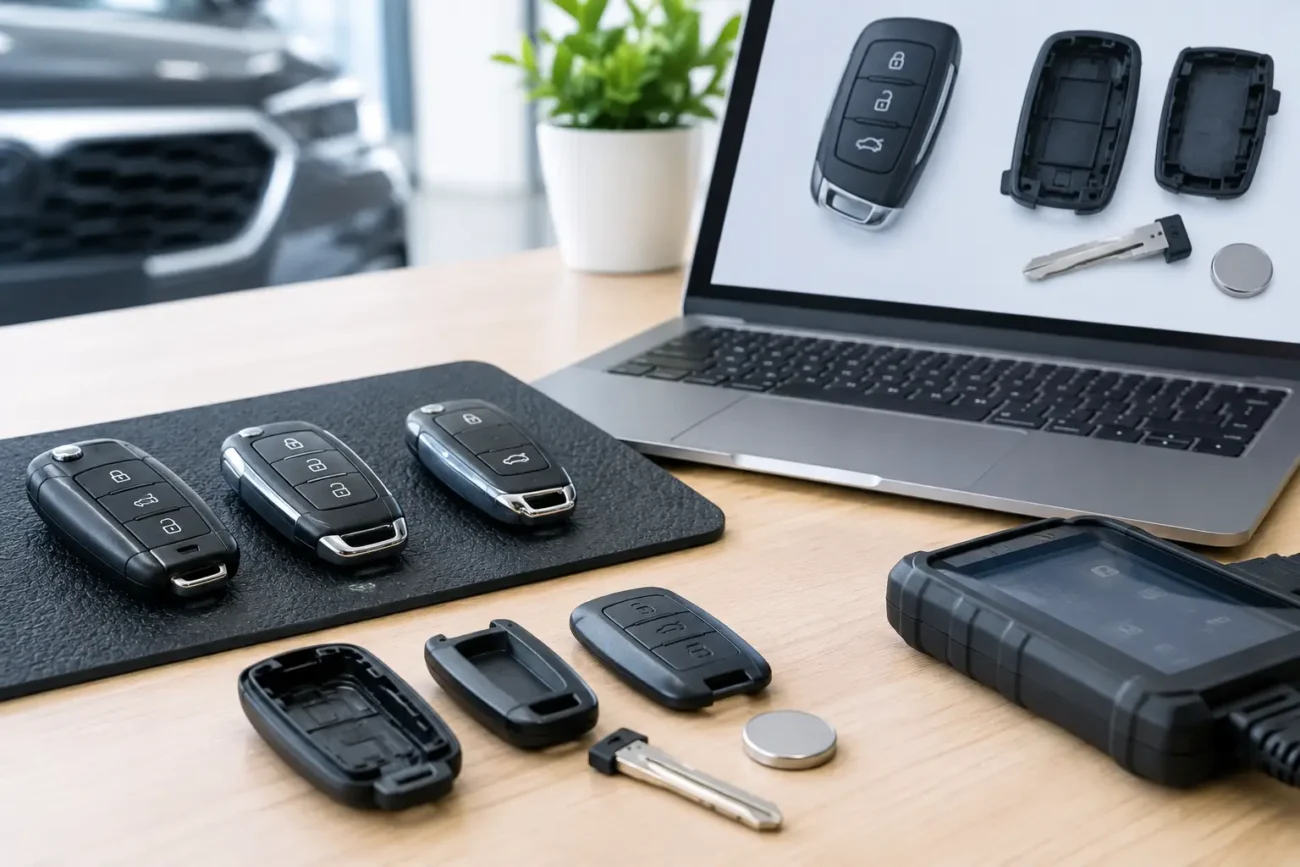
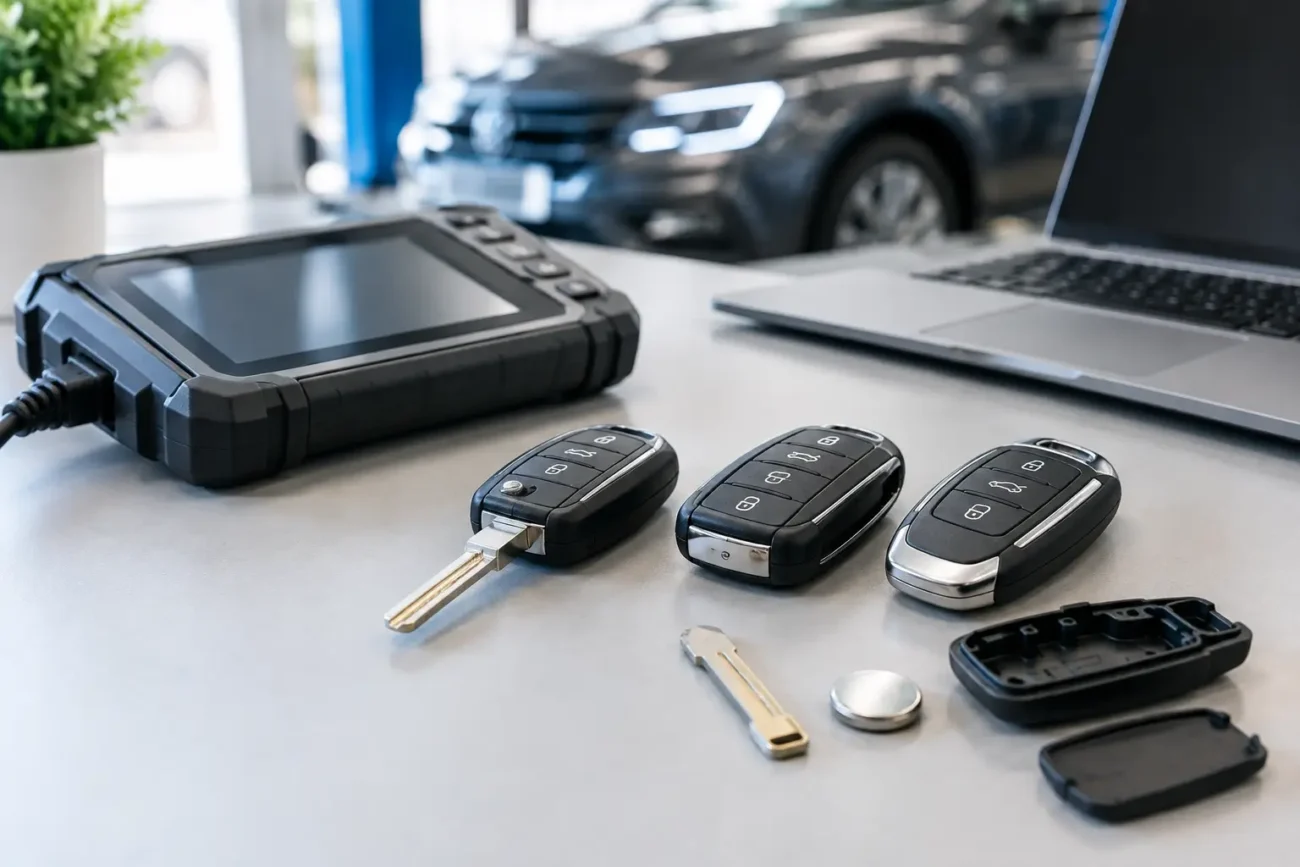
For flip keys, also check the fixing end. Some blades use a round or rectangular mounting section, while others have a slot, notch or retaining hole designed for a specific flip-key mechanism. A compatible blade profile with the wrong fitting end may not install into the replacement shell.
Confirm the vehicle details before ordering
Vehicle information narrows the choice, but it should not be used in isolation. Record the manufacturer, model, year of registration, body style where relevant and whether the key is a standard remote, flip key, proximity smart key or removable emergency key.
The VIN can help a dealership or qualified automotive key professional confirm original vehicle specification, but vehicle production changes can occur during a model year. A listing that covers a particular model may still have more than one blade option. This is common where a manufacturer changed lock systems, remote styles or key suppliers partway through production.
For this reason, product fitment details should be read carefully. Match the blade type first, then check the remote casing shape, button layout, frequency, transponder chip specification and any stated model coverage. If one of these details differs, pause before purchasing rather than relying on the vehicle badge alone.
Why the same vehicle can use different blades
A Ford, BMW, Toyota, Vauxhall or Peugeot key is not identified solely by its badge. Different generations, trim levels, markets and production periods can use different key systems. A facelifted version of the same car may retain the same remote appearance while changing the blade or emergency-key design.
Used vehicles can add another complication. The current key may have been replaced previously with an aftermarket remote, a repaired shell or a non-original-style blade. That does not automatically mean it is incorrect, but it means the actual blade and electronics need checking rather than assuming the key matches factory specification.
Professionals should also be alert to keys supplied with remote-head blades that are interchangeable at a casing level but not at a lock-profile level. A close visual match is useful, yet the profile must be confirmed before cutting stock or fitting a blade to a customer key.
Avoid these common identification mistakes
The most frequent mistake is ordering from a photograph of the remote case alone. Button layout may identify a key family, but it does not guarantee the blade is right. Another is relying on the registration year without considering model generation or production date.
It is also easy to confuse a blade blank with a fully cut replacement. A blank is supplied ready to be cut. It will not operate the lock until cut to match an authorised working key or prepared through the appropriate professional process.
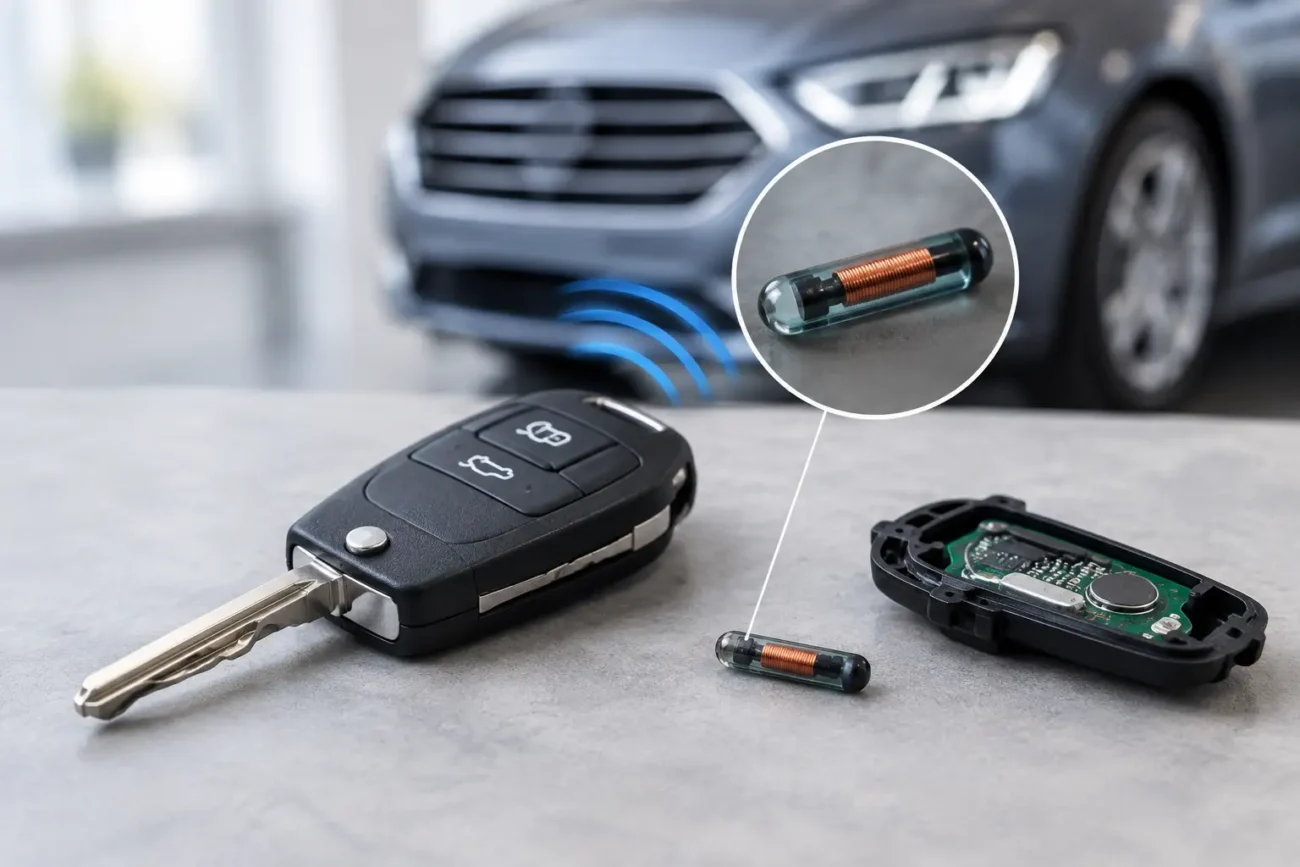
Finally, do not treat mechanical key operation and remote programming as the same job. A correctly cut blade may open the door but the remote functions or immobiliser transponder can still require programming, cloning or configuration depending on the vehicle and key type. Conversely, a programmed remote with the wrong blade will not provide dependable mechanical access.
Identifying a blade when the original is missing or damaged
If the blade has snapped, bent or gone missing, start with any remaining section. Even a partial blade can reveal the profile, groove arrangement and thickness. Clear photographs of both sides, the blade base and the key housing are more useful than a single image taken from above.
Where no original key is available, use verified vehicle information and consult the fitment information for the replacement key or blade. A qualified locksmith or automotive key technician may be needed where identification remains uncertain, particularly when the vehicle uses a high-security, laser-cut or removable emergency blade.
Avoid forcing a suspected blank into the lock to test it. An unsuitable blade can stick, damage the lock or create an avoidable recovery issue. Accurate identification before cutting is faster and more cost-effective than correcting an incorrect order afterwards.
Buy the blade as part of the complete key decision
For a replacement shell, confirm that the blade profile and fixing method suit the shell. For a complete remote or smart key, check the blade alongside the frequency, chip type, button configuration and stated vehicle fitment. For an emergency key, measure and compare the blade carefully because the compact format can hide important profile differences.
Global Keys Direct stocks key products across a broad range of vehicle makes, with product-specific information designed to help buyers compare the technical details that matter. A few minutes spent checking the old blade, vehicle specification and product description can prevent the cost and delay of ordering the wrong key.
The best replacement is not simply the one that looks most like your old remote. It is the one with the correct blade profile, suitable key electronics and confirmed fitment for the vehicle in front of you.
Add a review
Your email address will not be published. Required fields are marked *