
Key Shell Versus Complete Remote: Which Fits?
A cracked case, worn buttons or a key that has been through the wash can make a simple replacement feel more complicated than it needs to be. The choice of key shell versus complete remote comes down to one question: are the electronics inside your existing key still working properly? Get that right first and you can avoid paying for programming you do not need, or ordering a shell when the fault is actually on the circuit board.
For vehicle owners, the usual aim is a reliable spare or a tidy, usable replacement without dealership-level cost. For locksmiths and garages, the priority is identifying the quickest viable repair route while checking every technical detail. In both cases, the right product depends on the condition of the existing remote, not just its outward appearance.
Key shell versus complete remote: the basic difference
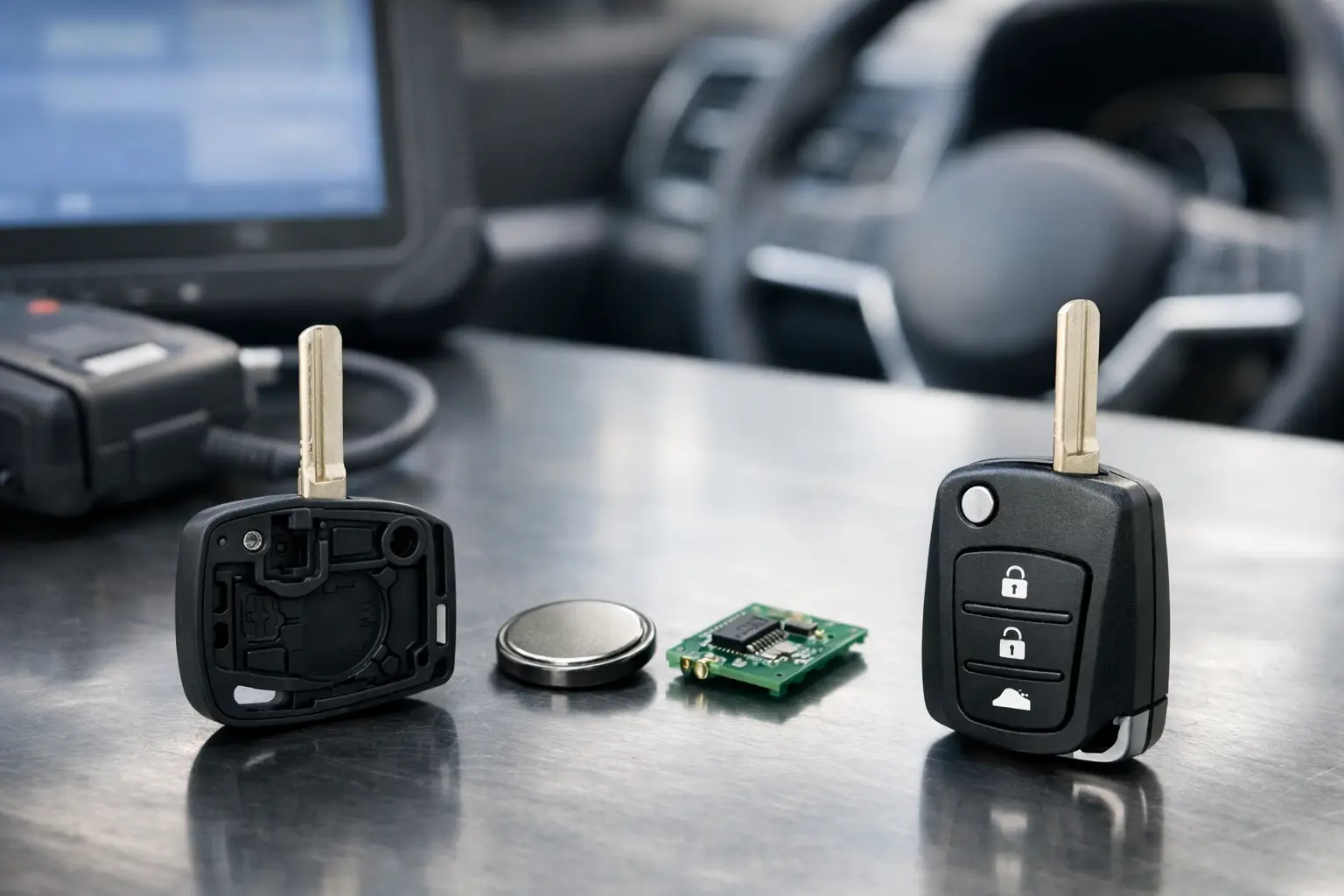
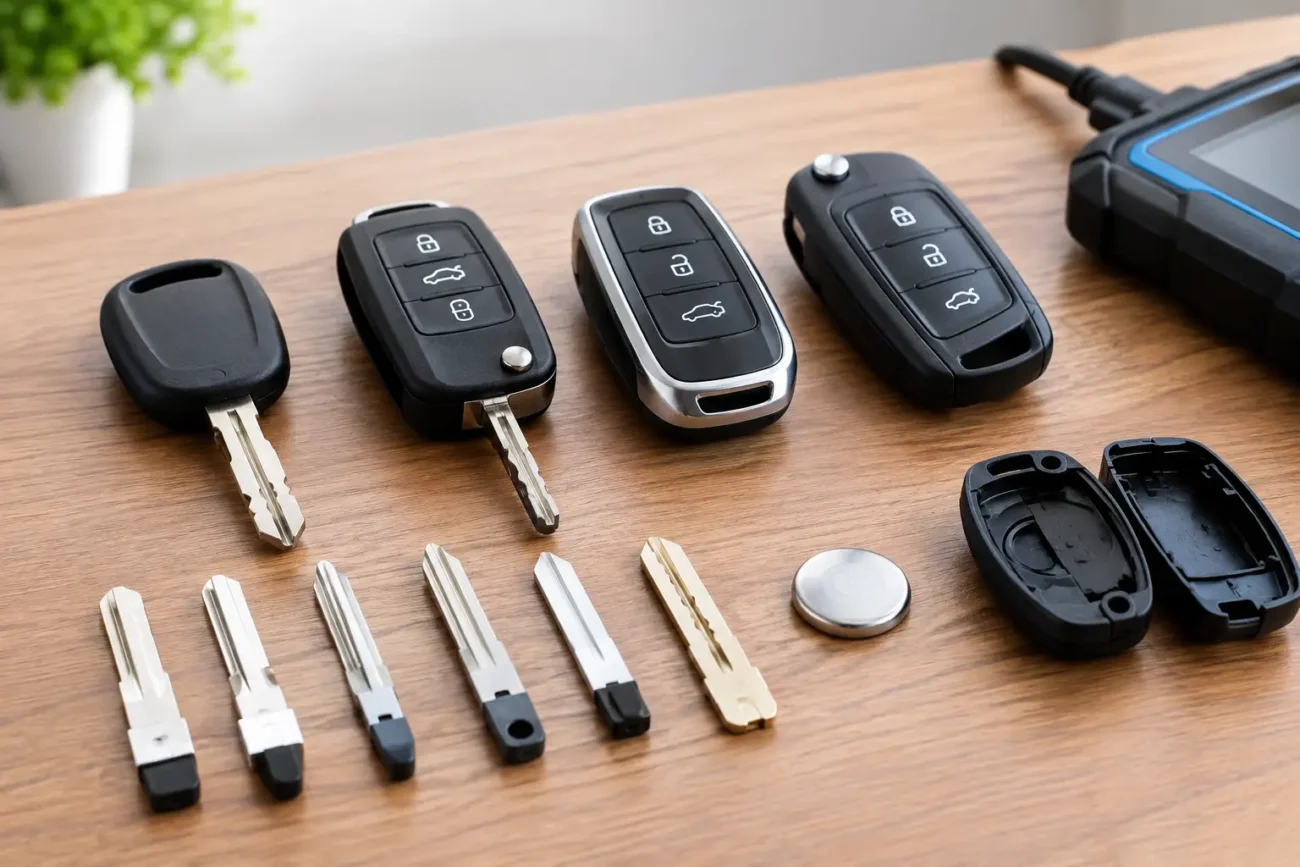
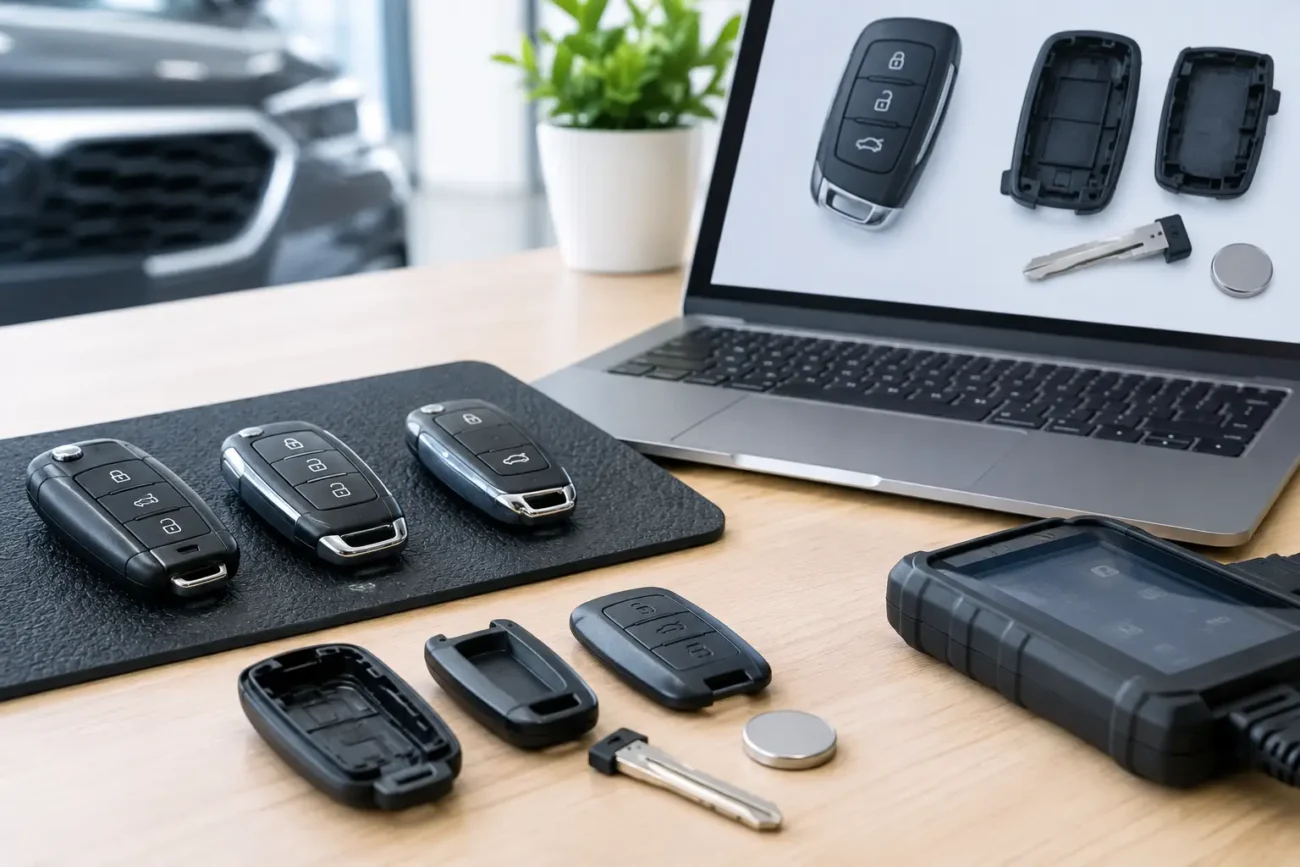
A key shell is the outer housing only. It normally includes the plastic case, button pad, battery cover and, where applicable, an uncut key blade. You transfer the working internal components from your old key into the new shell. Those components may include the remote circuit board, battery, transponder chip and original blade.
A complete remote is a replacement key unit supplied with its own electronics. Depending on the product and vehicle application, it may contain a remote board, transponder chip, battery and an uncut blade. It is intended for situations where the original remote is missing, damaged beyond a casing repair, or electronically faulty. A complete remote will usually require programming to the vehicle, and the blade may need cutting before it can operate the door lock or ignition.
That distinction matters because a shell repair keeps the car’s existing coded electronics. If those electronics are transferred carefully and remain functional, no new immobiliser programming is normally required. A complete remote introduces new electronics, so programming is commonly part of the job.
When a replacement key shell is the sensible option
Choose a key shell when the remote still locks and unlocks the car, starts the vehicle as normal, and has no sign of electronic damage. The common symptoms are cosmetic or mechanical: split casing, detached key ring loop, torn rubber buttons, a loose blade, or a flip-key mechanism that no longer holds securely.
This is often the most cost-effective route. You retain the original circuit board and transponder chip already recognised by the vehicle. For many traditional remote keys and flip keys, the repair can be completed by moving the parts into a matching shell and fitting the blade correctly. If the original blade is undamaged, it can usually be transferred rather than cut again.
The word “matching” is doing a lot of work here. A shell must match the original in more than button count. Check its overall shape, blade profile, battery compartment layout, flip mechanism type and the location of the transponder chip. Two keys for the same manufacturer can look nearly identical but use different blade arrangements or internal board mounts.
A shell is not a cure for a dead remote. If fresh battery power has not restored operation, or the board has corrosion, broken switch contacts or water damage, moving it into a new casing will only give you a better-looking non-working key.
Shell transfers need careful handling
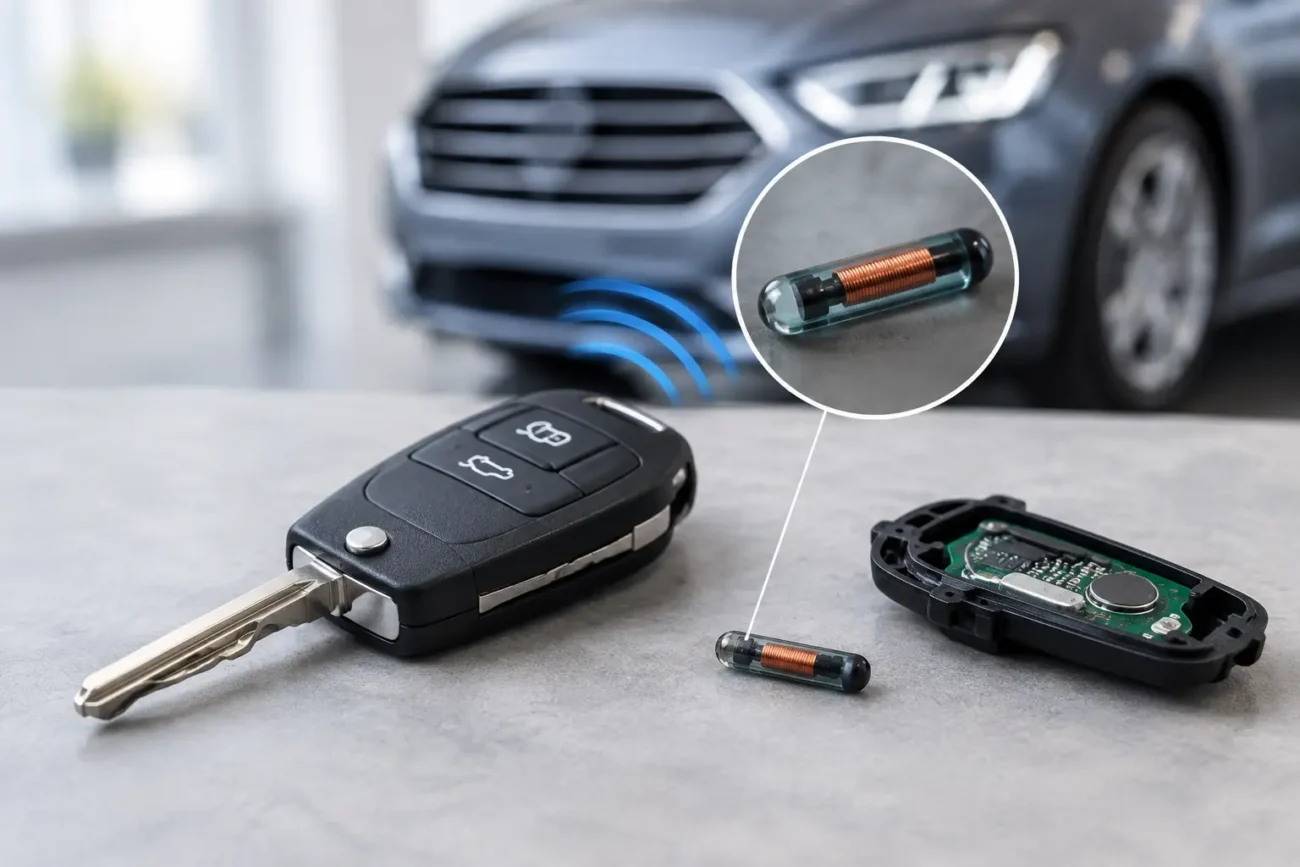
The small immobiliser transponder is easily overlooked. On some keys it is mounted on the circuit board; on others, it sits separately in a small recess in the shell. Leaving it behind means the remote buttons may work after the transfer, but the vehicle may not start.
Do not force the board into the replacement housing. If it does not sit flat, re-check the shell design and board orientation. Pressure on the circuit board can damage button switches or prevent the case from closing properly. It is also sensible to fit a fresh battery while the key is open, provided the battery type and polarity match the original specification.
When a complete remote is the better answer
A complete remote is the practical choice if the original key has been lost, the circuit board has failed, or there is physical damage that extends beyond the shell. It is also useful when a customer needs an additional working key rather than a repair to their current one.
The trade-off is that a complete remote is not simply a case swap. The new unit needs to be compatible with the vehicle’s key system and then programmed using appropriate diagnostic equipment or key programming tools. On certain vehicles, remote central locking synchronisation and immobiliser programming are separate processes. A key can therefore operate the locks but still fail to start the car, or start the car while its remote functions have not yet been configured.
For modern proximity and smart keys, the compatibility checks are even more specific. Frequency, transponder type, printed reference number, button layout and board version can all matter. Some applications may require a key supplied with a suitable chip type, while others are only suitable for particular vehicle years or systems.
A complete remote can be an efficient solution, but only when the product details match the original key and the programming route is known. Professionals should verify the vehicle application before booking in the work. Retail buyers should confirm that they have access to suitable programming support where required.
Check these details before ordering either option
A clear comparison of the old key against the replacement listing prevents most avoidable returns. Use the original key where possible and check these core details:
- The vehicle make, model and registration year, noting that a model can use different key systems across its production run.
- The number and position of buttons, including boot-release, panic or sliding-door functions.
- Any part number, frequency marking or board reference printed on the remote circuit board or key casing.
- The blade profile and whether the key is a fixed-blade, flip-key, proximity or smart-key design.
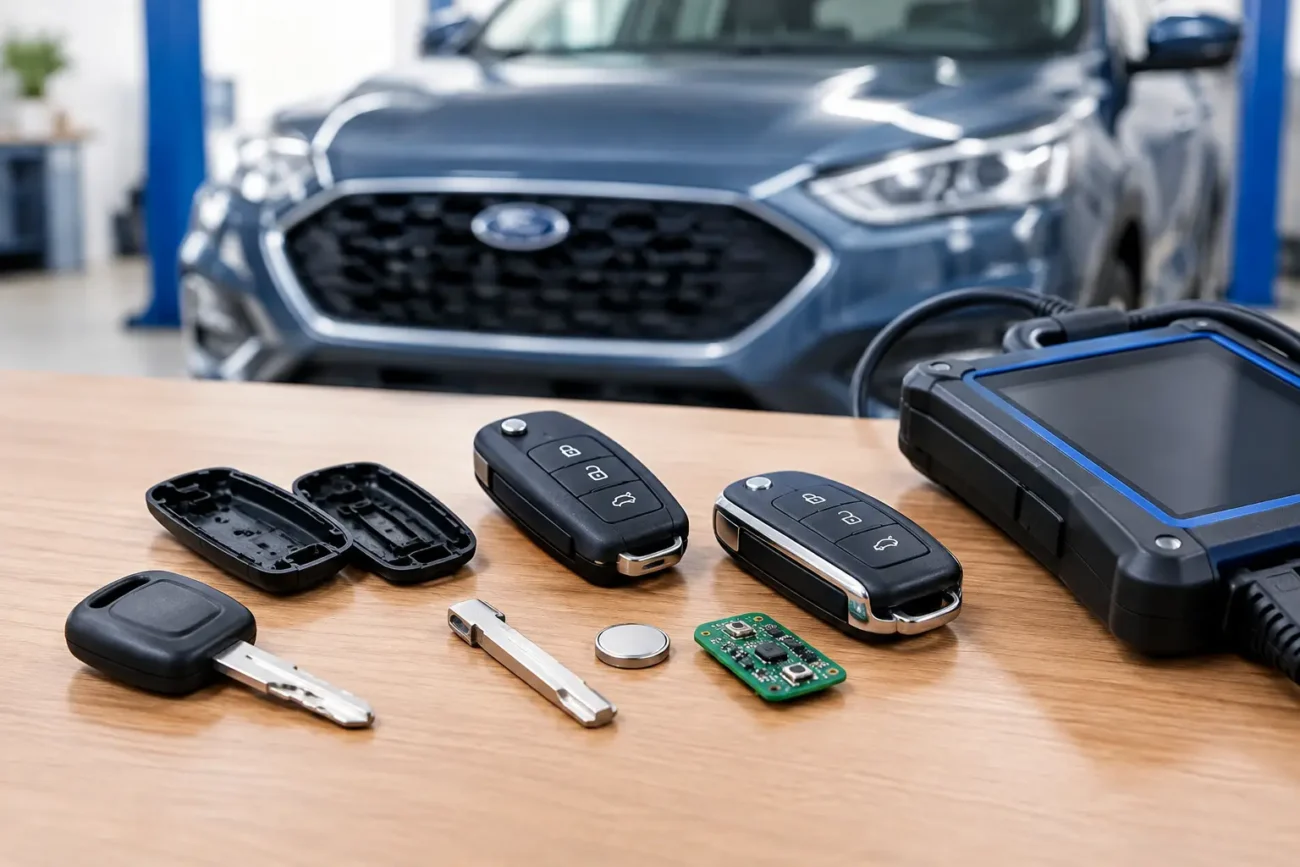
For a shell, compare the internal moulding as closely as the exterior. For a complete remote, check the technical identifiers in the product description, including frequency and chip information where stated. Vehicle fitment is a useful guide, but it should not replace a part-number or board comparison when one is available.
The programming question, answered plainly
A replacement shell using your working original board and transponder does not usually need programming. The vehicle continues to see the same electronics it already recognises. There can be exceptions if the key was already suffering an intermittent fault, but the shell itself does not create a new coded key.
A complete remote generally does need programming. The exact work varies by vehicle. Some older remotes may permit a straightforward central-locking synchronisation procedure, while immobiliser-equipped keys and modern smart keys generally need specialist equipment and the correct programming process. The key blade may also need cutting to match the vehicle.
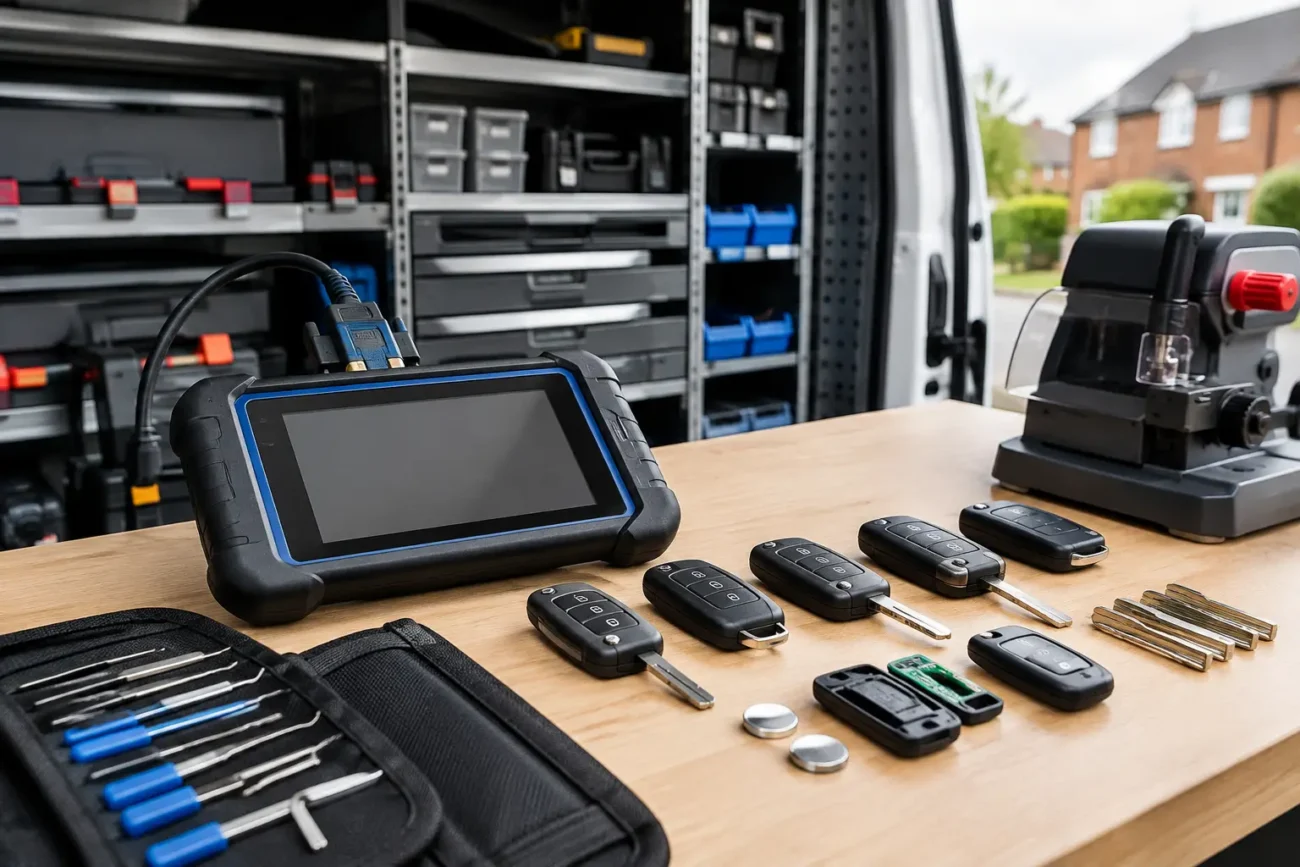
For trade users, this is where the correct remote and the correct tool strategy must meet. A low-cost remote is not good value if its chip type, frequency or board specification is wrong for the job. For vehicle owners, it is worth deciding upfront whether you are replacing a casing only or commissioning a fully operational additional key.
Cost, convenience and long-term value
A key shell is usually the lower-cost repair because you are reusing the parts that carry the coding. It makes sense for a worn key that still functions properly, especially when you want to preserve an original board. It can also be a quick way to restore a key that looks tired or is becoming difficult to use before the casing fails completely.
A complete remote costs more because it adds new electronics and may require blade cutting and programming. Yet it offers better value when the existing remote is unreliable, absent or unsuitable for repair. Trying to save money with a shell when the board has already failed can lead to a second purchase and extra downtime.
The most efficient decision is based on diagnosis, not appearance. Test every button, check whether the vehicle starts consistently, inspect the circuit board if the key has been opened, and compare identifiers before ordering. Global Keys Direct stocks model-specific shell and remote options to support both straightforward casing repairs and professional replacement-key jobs.
A damaged key does not always mean a full replacement is needed. If the electronics are sound, a correctly matched shell can put a familiar key back into daily service. If they are not, choosing a compatible complete remote and planning for programming gives you a cleaner, more dependable route back to a working spare.
Add a review
Your email address will not be published. Required fields are marked *