
Aftermarket Smart Key Review for UK Drivers
A lost proximity key can turn a routine school run, commute or customer booking into an urgent problem. Dealer replacement is one route, but it is not the only one. This aftermarket smart key review looks at what buyers should realistically expect from a replacement smart key, where the savings come from, and which details must be checked before ordering.
The short version is that a well-specified aftermarket smart key can be a practical, cost-effective solution. It is not automatically right for every vehicle or every job, though. Smart keys combine a remote circuit, transponder technology, blade arrangement where applicable, battery housing and vehicle-specific programming requirements. Getting any one of those details wrong can leave you with a key that looks correct but cannot be programmed or does not operate every function.
What is an aftermarket smart key?
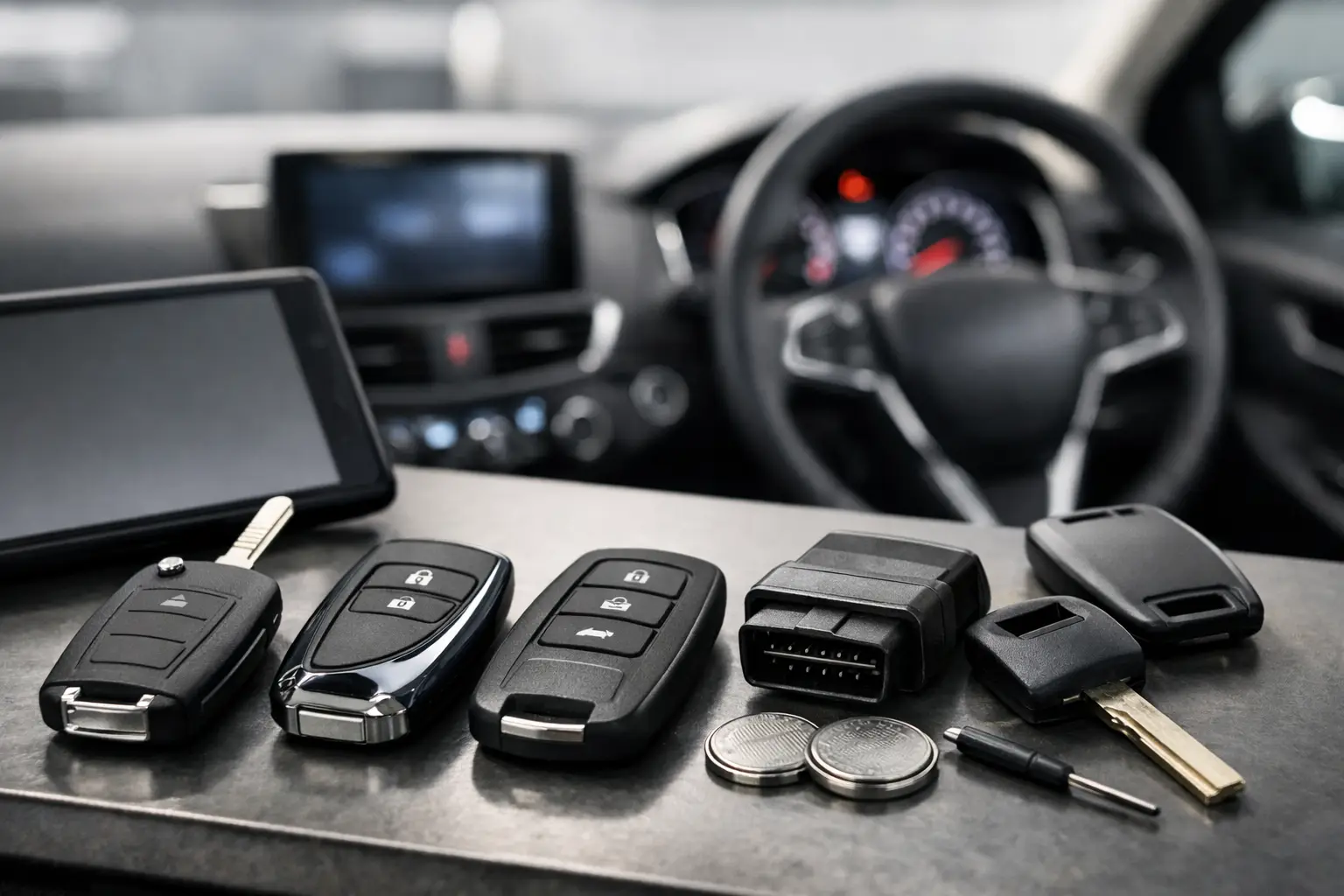
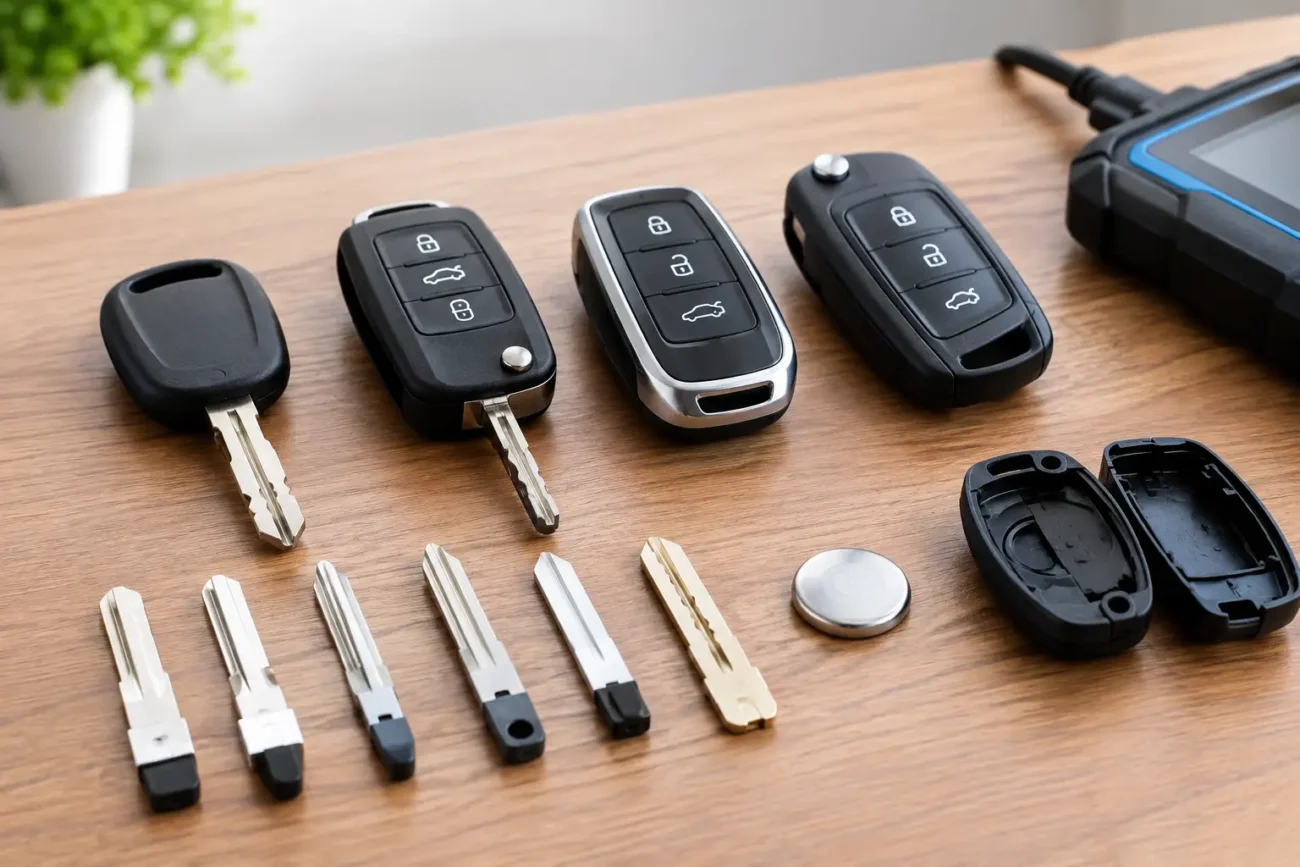
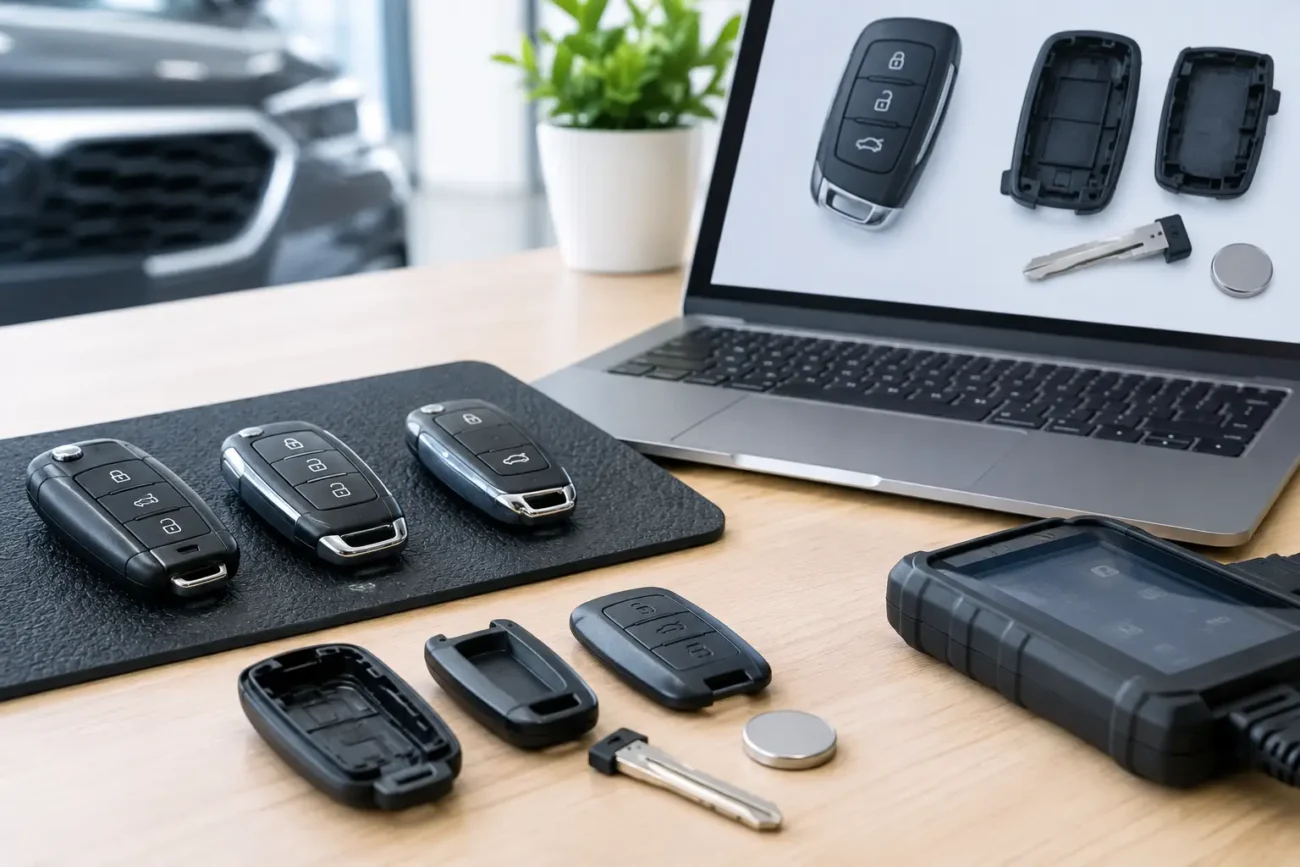
An aftermarket smart key is a replacement key made for use with a particular vehicle platform rather than supplied under the vehicle manufacturer’s own branding. Depending on the application, it may be a complete proximity remote with a circuit board and transponder, a replacement shell for transferring existing electronics, or an OEM-board option where stated in the product specification.
For drivers, the appeal is straightforward: an additional or replacement key without automatically paying dealership-level pricing. For locksmiths, garages and automotive key specialists, aftermarket stock can also provide a commercially sensible option for common jobs, especially when a customer needs a spare key quickly.
The term “aftermarket” is not a quality grade in itself. Products vary by manufacturer, vehicle coverage and specification. The useful question is not whether a key is aftermarket, but whether it precisely matches the vehicle and is suitable for the intended programming process.
Aftermarket smart key review: the checks that matter
A smart key should never be chosen by vehicle badge alone. A listing that says it is suitable for a Ford, BMW, Toyota or Kia may cover several generations of vehicle, but those generations can use different frequencies, transponder types, button layouts and board references.
Start with the existing key whenever possible. Compare the part number, frequency, number of buttons and button icons. Check whether the vehicle uses keyless entry and push-button start, and inspect the emergency blade type if the key includes one. The blade may be supplied uncut, which is normal for many replacement keys, but it still needs to be the correct profile for the vehicle.
The circuit board reference is particularly valuable. Two keys can have near-identical cases while using different electronics. A visual match alone is not enough. Trade buyers should also confirm the vehicle year, model variant and market specification before selecting stock for a customer job.
Frequency and transponder compatibility
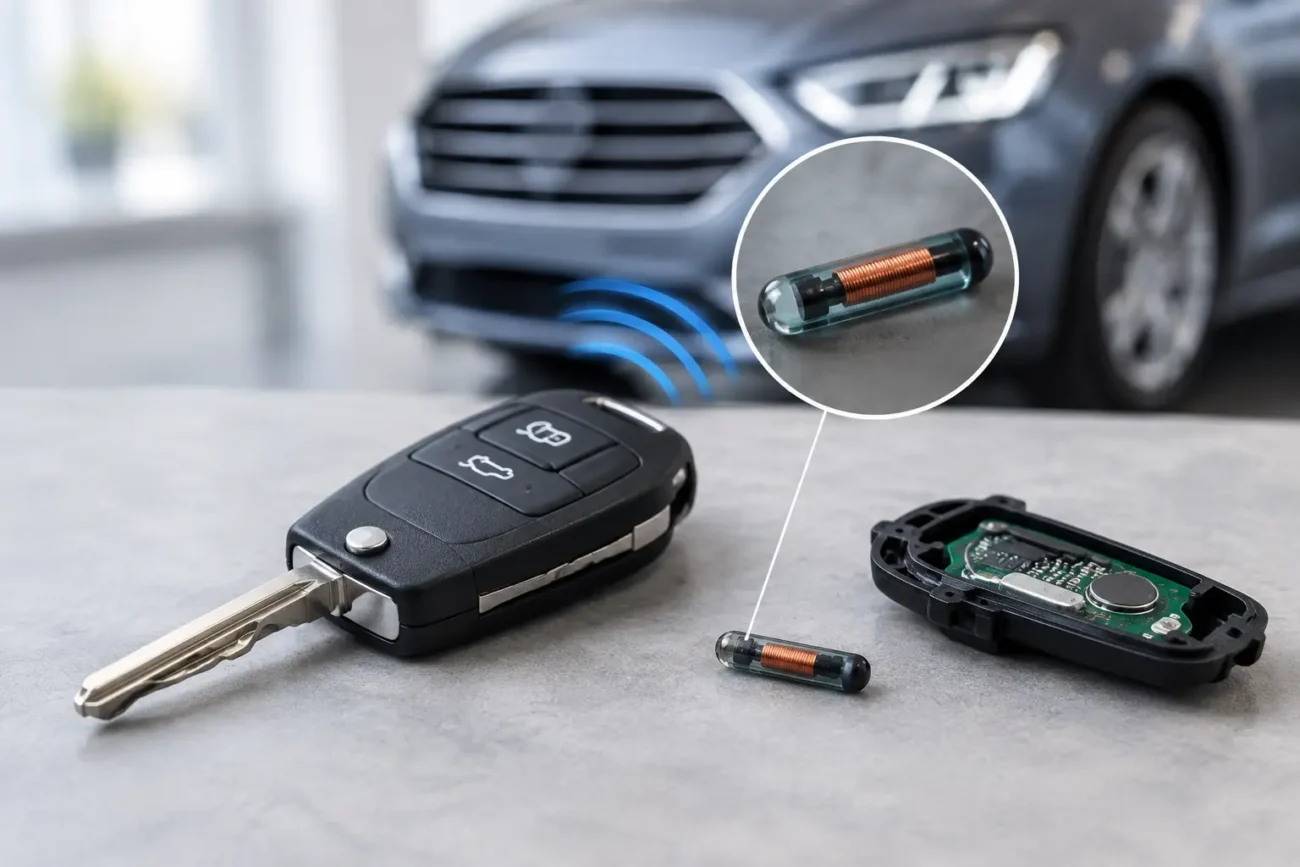
Radio frequency affects the remote locking functions, while the transponder or proximity system is involved in vehicle authorisation. These are separate but equally important elements. A key that operates the central locking but cannot be accepted by the immobiliser system is not a successful replacement. Equally, a programmable transponder does not solve the problem if the remote frequency is wrong.
UK-market vehicles commonly use specific regional frequency configurations, so buyers should not assume that an apparently matching key intended for another market will suit a GB vehicle. Read the product details closely and use the original key information as the benchmark.
Button layout and physical build
Button count matters, but the symbols and functions matter too. A three-button key may be configured for lock, unlock and boot release on one model, while another uses a panic function or a different tailgate arrangement. If a customer requires remote tailgate access, confirm that the replacement supports it rather than treating the third button as a generic feature.
Build quality is also worth assessing realistically. A quality aftermarket smart key should have a secure case fit, responsive buttons, a properly seated battery cover and a blade mechanism that operates cleanly where fitted. These details affect daily use. However, buyers should avoid judging a key only by the feel of the plastic shell. The correct board, chip and programming suitability are more important than a superficial resemblance.
Programming is part of the purchase decision
Most complete smart keys require programming to the vehicle. The exact procedure and equipment depend on the make, model, year and key system. Some vehicles may need specialist diagnostic equipment, a compatible key programmer or professional assistance. A replacement key should therefore be viewed as one part of the job, not necessarily a ready-to-drive product straight from the parcel.
For retail buyers, it is sensible to establish the programming route before placing an order. A local automotive locksmith, garage or qualified key programmer may be able to confirm what is required from the vehicle registration details and the original key. This prevents the common situation where a buyer has the right-looking replacement but no practical route to add it to the car.
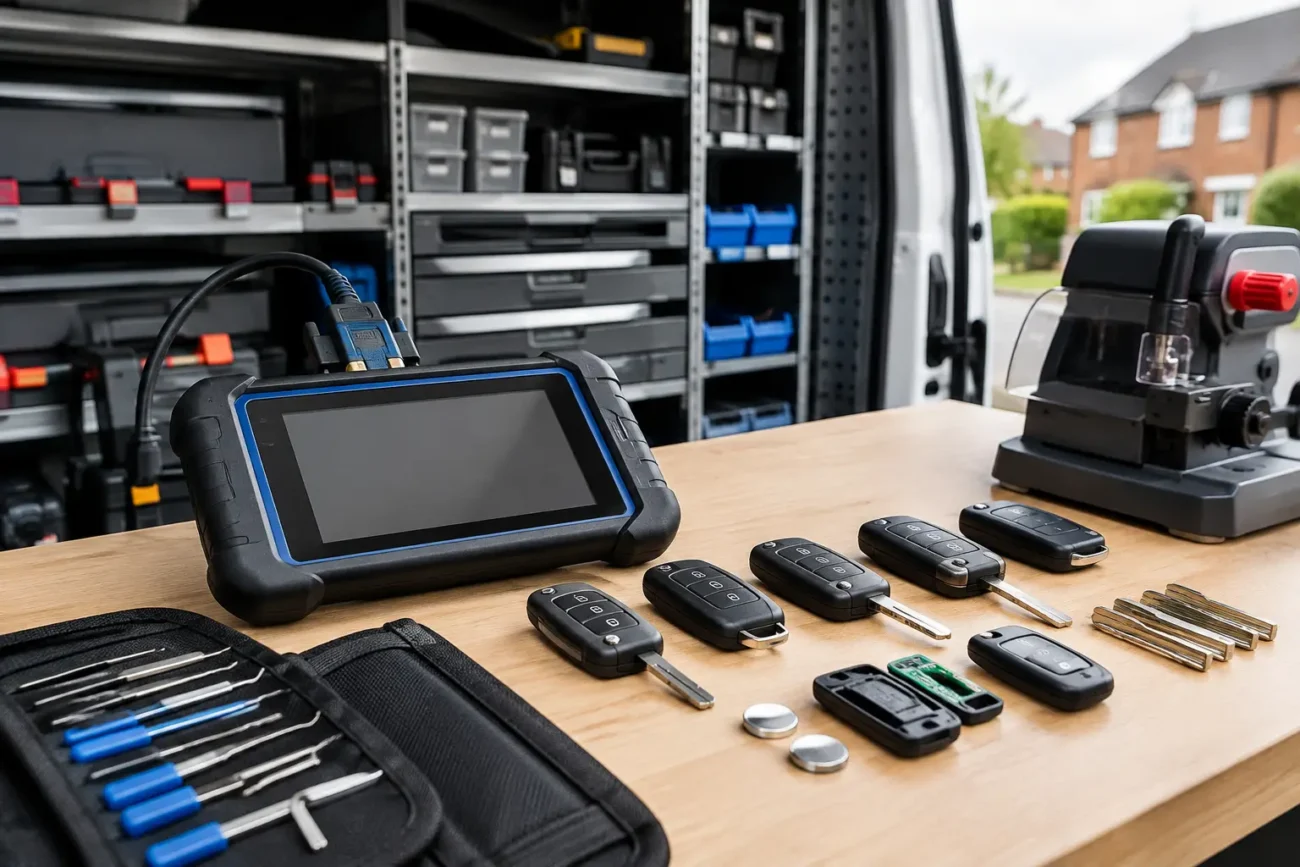
For trade customers, programming support begins with accurate product selection. Confirm whether the key is supplied as a complete remote, whether it is virgin or requires preparation, and whether the chosen tool supports that vehicle application. Stocking a broad range is useful, but controlled identification saves more time than ordering on appearance and hoping for a match.
When an aftermarket key offers good value
Aftermarket smart keys often make the strongest case when a vehicle owner still has a working key and wants a spare. There is less immediate pressure, so the existing key can be checked properly and programming can be arranged at a convenient time. A spare also reduces the disruption and cost that can follow a total key loss.
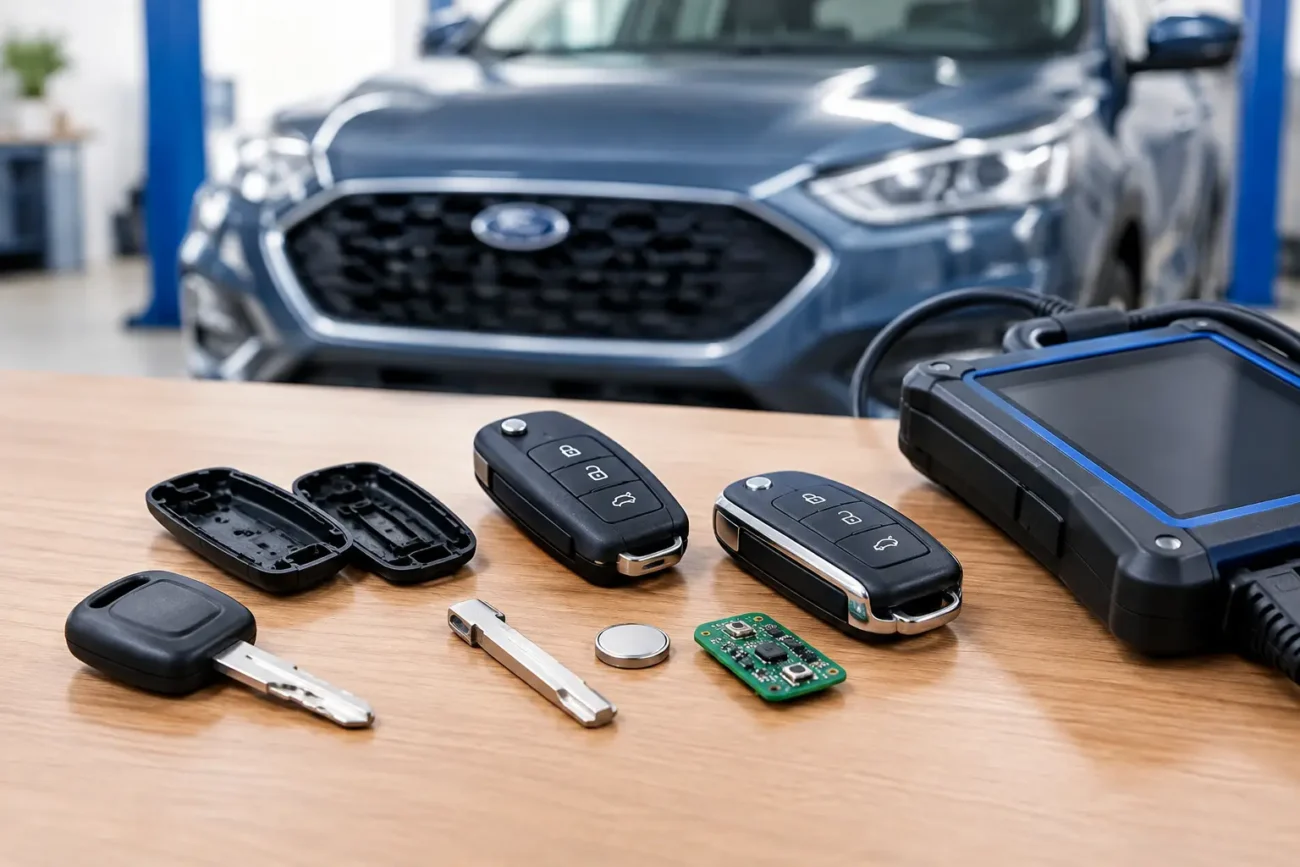
They can also work well where the original casing is damaged but the electronics remain functional. In that situation, a replacement shell may be the better-value option. The original circuit board and transponder are transferred into the new shell, avoiding the need for a new electronic key to be programmed. The shell, blade design and internal fixing points must still match exactly.
For professional users, aftermarket keys can support a faster and more flexible service offering. The benefit depends on selecting products with clear specifications, appropriate quality control and dependable UK availability. Global Keys Direct focuses on these practical details, with model-specific key options for both everyday replacement work and trade requirements.
Where buyers should be cautious
An aftermarket key is not always the correct answer. Late-model vehicles with tightly controlled key systems, unusual regional specifications or uncertain key history can require additional checks before a suitable replacement is identified. If the original key is unavailable, identification may take more work because the part number and board reference cannot be compared directly.
Be cautious with listings that provide only broad make-and-model claims but no frequency, chip, button or compatibility information. Also avoid assuming that a replacement will include an emergency blade, battery or electronics unless the specification clearly says so. Product photos are useful, but written technical details should decide the purchase.
It is also sensible to separate a faulty key from a vehicle fault. Weak batteries, damaged buttons and cracked shells are key-side issues, but intermittent keyless entry can also relate to the vehicle battery, aerials, door handles or other vehicle-side components. Replacing the remote without diagnosing the symptom may not resolve it.
A more reliable way to order
Before buying, gather the old key’s part number and frequency, count the buttons, identify the blade profile and confirm the vehicle’s model year and keyless-start arrangement. If possible, compare the board reference as well. For a complete replacement, check what programming is required and who will carry it out. For a shell, make sure the internal mounting points match your existing electronics.
This takes a few extra minutes, but it is the difference between buying a replacement component and buying a costly guess. For trade work, recording these details on the job file also makes repeat orders and future spares much easier to manage.
A replacement smart key should make ownership simpler, not create another compatibility problem. Choose on specification first, arrange programming with a suitable professional or tool path, and keep a working spare before the remaining key becomes the urgent one.
Add a review
Your email address will not be published. Required fields are marked *