
Remote Programming Equipment: What to Buy
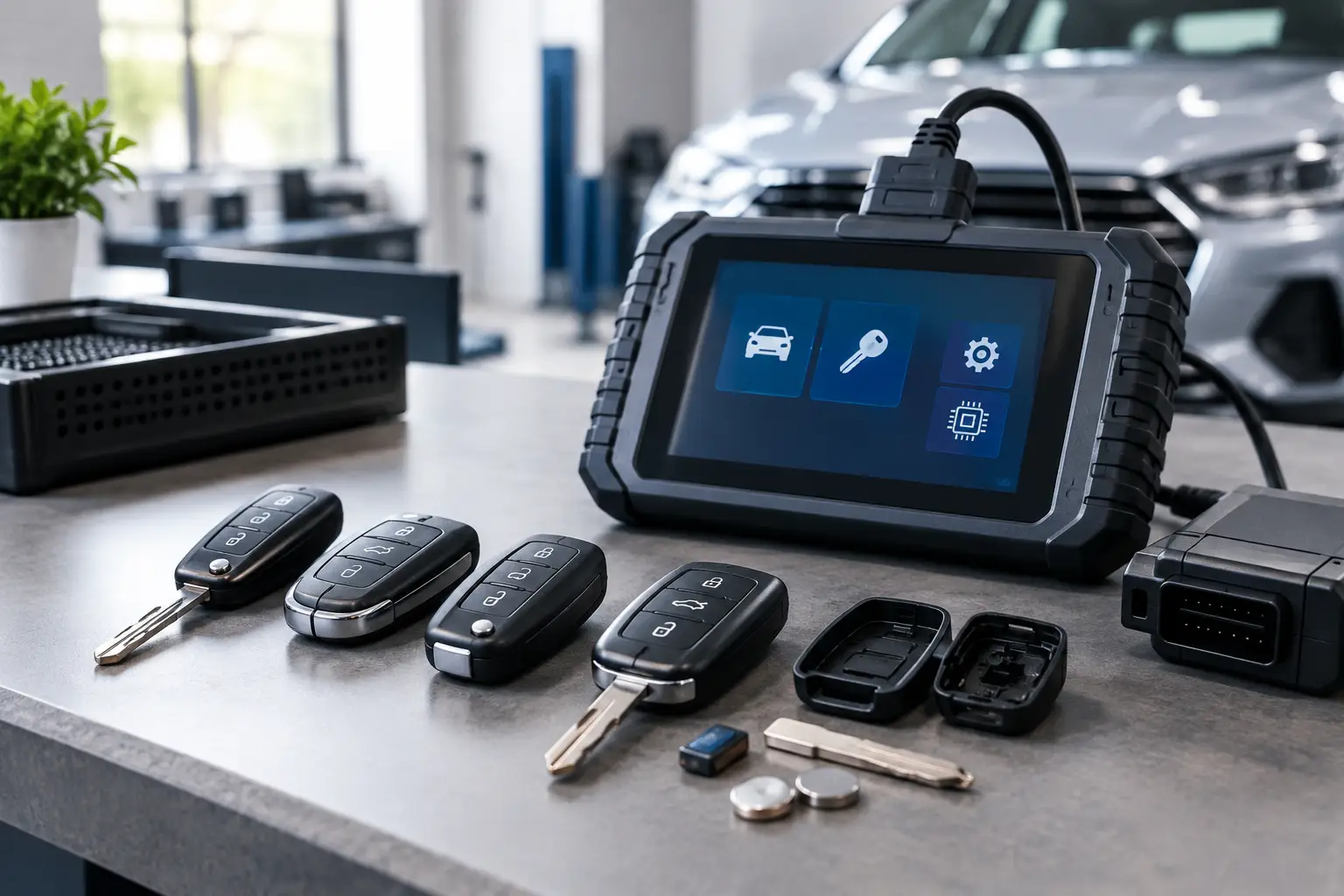
A replacement remote is only useful when it communicates correctly with the vehicle. That is where remote programming equipment earns its place in a locksmith’s kit, a garage workshop or a key specialist’s bench. The right equipment helps identify a remote, confirm whether it is suitable for the job and, where authorised, add or configure a compatible key efficiently.
For professional users, choosing tools is not simply a question of buying the most advanced device available. Coverage, update support, vehicle age, key type and the jobs you actually see every week matter more. For vehicle owners, the priority is usually different: selecting the correct replacement remote and understanding when a professional programming service is the sensible route.
What Remote Programming Equipment Is Used For
Remote programming equipment covers several types of tools used in automotive key work. Some devices communicate with a vehicle through its diagnostic port to support key learning or remote functions on compatible models. Others are designed to read transponder information, test remote frequencies, generate compatible remotes or prepare key data for approved applications.
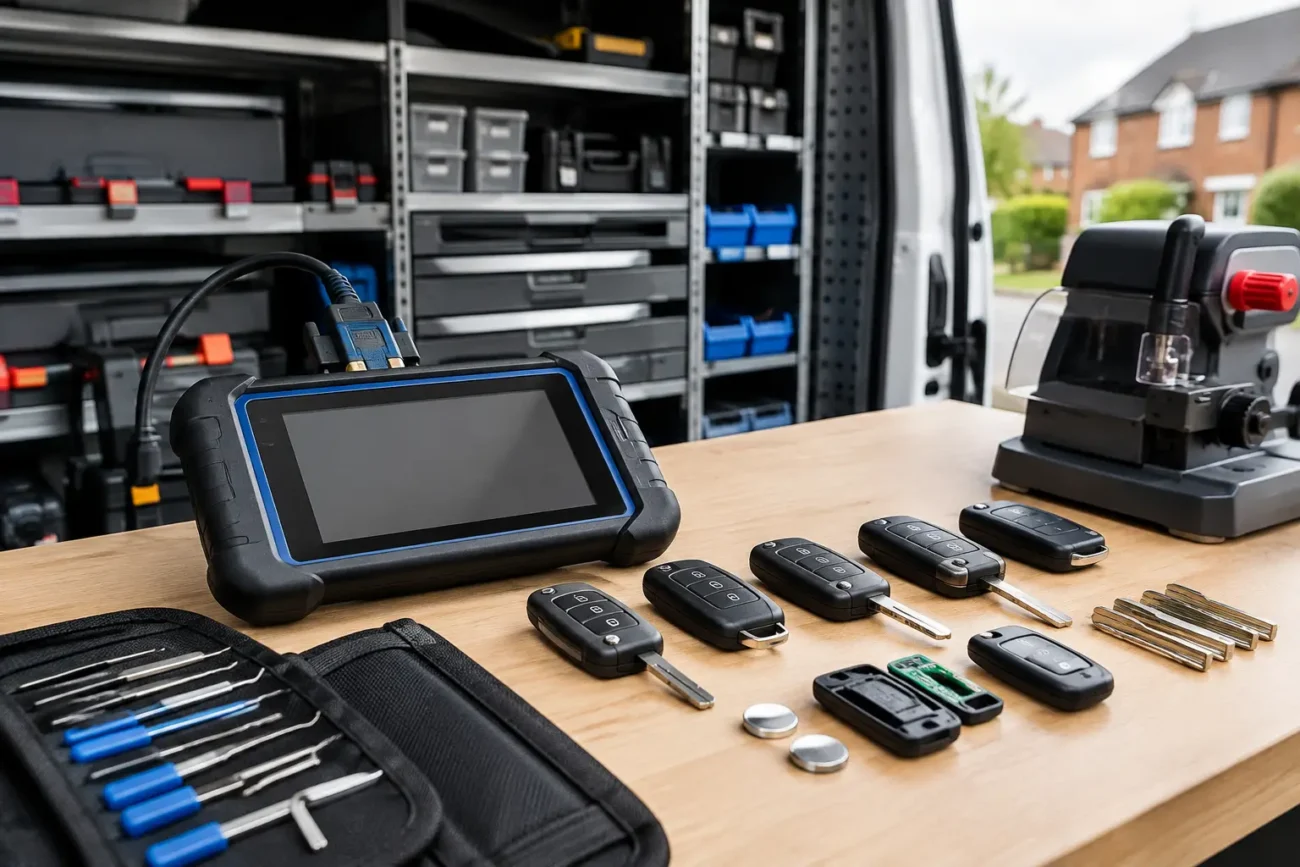
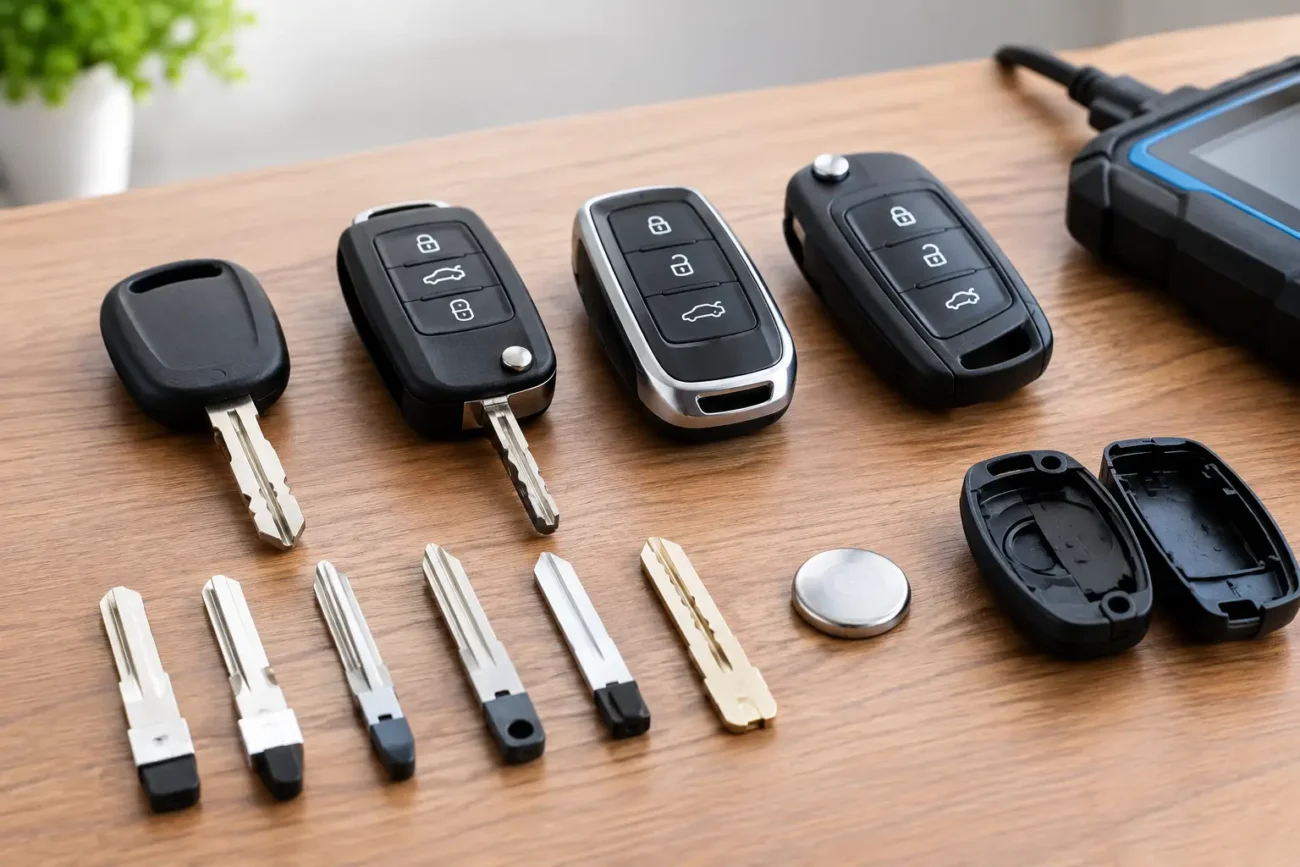
The category also includes supporting equipment that saves time before programming begins. A frequency tester can help confirm whether an existing remote is transmitting. A transponder reader can identify chip information where supported. Key cutting equipment, replacement blades, batteries and suitable remote shells all play a part in completing a replacement-key job properly.
Not every job requires every tool. A worn key shell with a working circuit board may only need a replacement case and blade transfer. A flat battery can look like a remote fault but may be resolved with the correct cell. Conversely, a lost-key or smart-key job may require specialist diagnostic capability and a professional who can verify ownership and assess the vehicle safely.
Choosing Remote Programming Equipment for Your Work
Start with the vehicles you support, rather than a feature list. A busy independent garage working mainly on Ford, Vauxhall, Peugeot, Citroën, Volkswagen Group and common Japanese vehicles may need a different solution from a specialist handling premium smart keys or newer proximity systems.
Compatibility should be checked at several levels. The make and model alone are rarely enough. Confirm the model year, key style, button layout, blade profile, operating frequency and transponder or chip type where applicable. On some vehicles, the part number printed on the original remote or circuit board is the best starting point. A visually similar fob can still use a different frequency, electronics or key profile.
Diagnostic and key programming tools
Diagnostic key programming tools are generally the main investment for automotive professionals. They can offer broad vehicle coverage and guided functions, but their usefulness depends on current software, supported regions and the exact system fitted to the vehicle.
Before purchasing, check whether the tool supports the makes and years you see most often, as well as whether subscriptions, updates or additional accessories are required. Older vehicles and newer encrypted systems can present very different requirements. Broad coverage is valuable, but a tool should still be chosen around real workshop demand rather than occasional edge cases.
Professional tools from established key-equipment ranges can also support remote generation, transponder work and diagnostic tasks. The practical advantage is reduced switching between devices. The trade-off is that advanced functions may require training, tokens, software updates or specialist accessories. Build these ongoing costs into your decision.
Remote frequency and signal testers
A remote tester is a modest but useful addition to the bench. It can help establish whether a customer’s existing fob is transmitting, which is particularly helpful when diagnosing intermittent operation. If a remote has no detectable signal, the issue may be the battery, damaged buttons, a cracked solder joint or a failed circuit board rather than vehicle synchronisation.
Testing before replacing parts avoids unnecessary purchases and speeds up customer conversations. It also helps when checking an aftermarket remote before it leaves the workshop. A transmitting remote is not automatically compatible with every vehicle, but a basic signal check is a sensible first diagnostic step.
Transponder and chip identification equipment
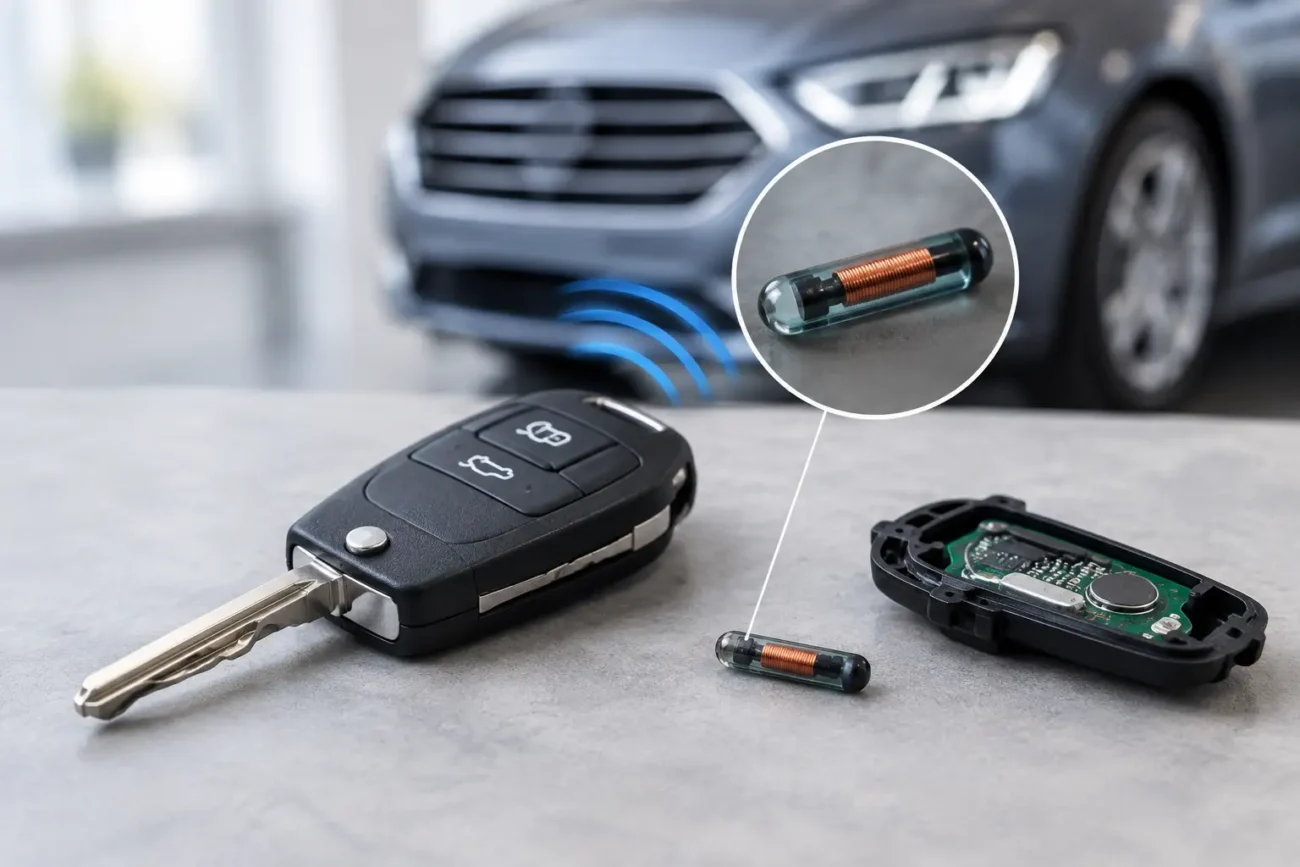
Transponder identification is especially useful when dealing with keys that start the vehicle but have separate remote functions, or with keys where the chip is housed in the head, shell or circuit board. Accurate identification supports better purchasing decisions and reduces the risk of selecting a remote that looks right but cannot be used for the intended application.
For trade users, equipment that reads and identifies supported chips can make stock management more efficient. Rather than carrying multiple near-identical items, you can buy and prepare stock based on the key technologies common to your customer base. Always check the stated capability of the device and the fitment details of the remote or key being ordered.
The Equipment Is Only Part of the Job
A programming tool cannot correct an incompatible remote, damaged vehicle module or incorrect key blade. Successful key work begins with the physical item in hand. Check the number of buttons, case shape, emergency blade type, battery position and circuit-board layout against the original where possible.
For push-button-start vehicles, verify whether the replacement is a smart key, a proximity fob or a standard remote key. These products are not interchangeable simply because they share a badge or similar styling. For conventional flip keys, inspect the blade carefully. A HU66-style blade, for example, is not a substitute for another profile that happens to fit the same vehicle range in a different year.
The vehicle’s condition matters as well. Low vehicle voltage, faults stored in relevant modules, damaged aerials or water-damaged original keys can all affect the outcome of authorised programming work. It is better to identify these issues early than to assume the new remote is defective.
A Practical Buying Approach for Trade Customers
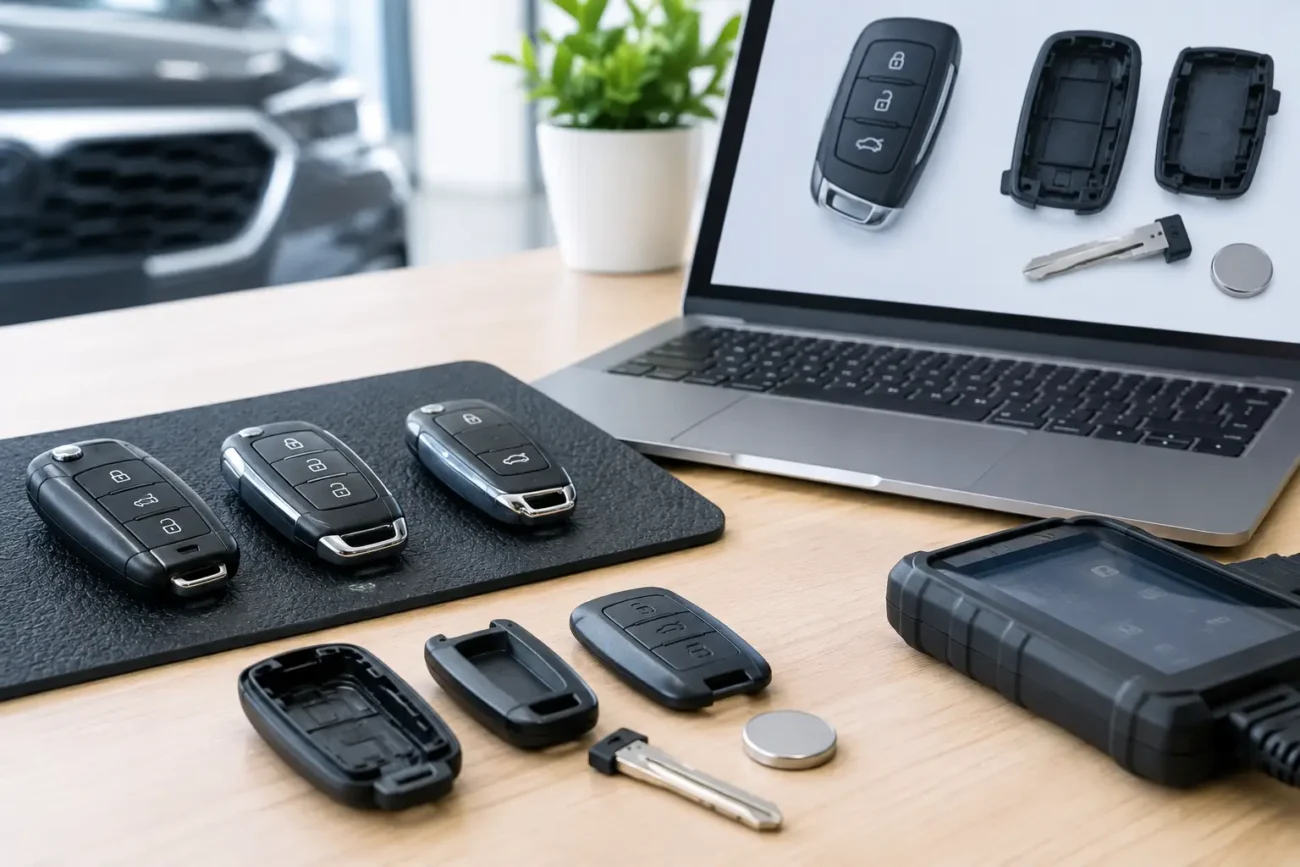
For locksmiths and garages, it makes sense to build a kit in stages. Start with the models you see frequently, then add capability as demand grows. A dependable diagnostic platform, a remote frequency tester, common batteries, replacement shells and a carefully selected range of compatible remotes will cover a large share of routine enquiries.
Keep product records against actual jobs. Note the vehicle, year, original part number, remote frequency, blade type and successful replacement used. Over time, this creates a more useful purchasing reference than a general make-and-model list. It also highlights which items deserve to be kept in stock for fast turnaround.
Consider the balance between original-board solutions, aftermarket remotes and customer expectations. An aftermarket remote can be a cost-effective option when it is specified for the correct application. An original-board replacement may be preferred for certain jobs or customer requirements. Neither route should be selected on appearance alone – fitment details and supported programming methods come first.
Global Keys Direct supplies a broad range of car key products, remote fobs, blades, batteries and professional key tools for buyers who need accurate vehicle coverage without dealership-style delays. For recurring trade work, consistent sourcing and clear product identifiers are often as valuable as the programming device itself.
What Vehicle Owners Should Know Before Buying
If you are replacing a damaged or lost remote, do not assume the cheapest fob with the right logo or button count will work. Check the original part number, frequency, blade and chip details before ordering. If the original is unavailable, vehicle registration details can be useful, but they do not always identify the exact key specification on their own.
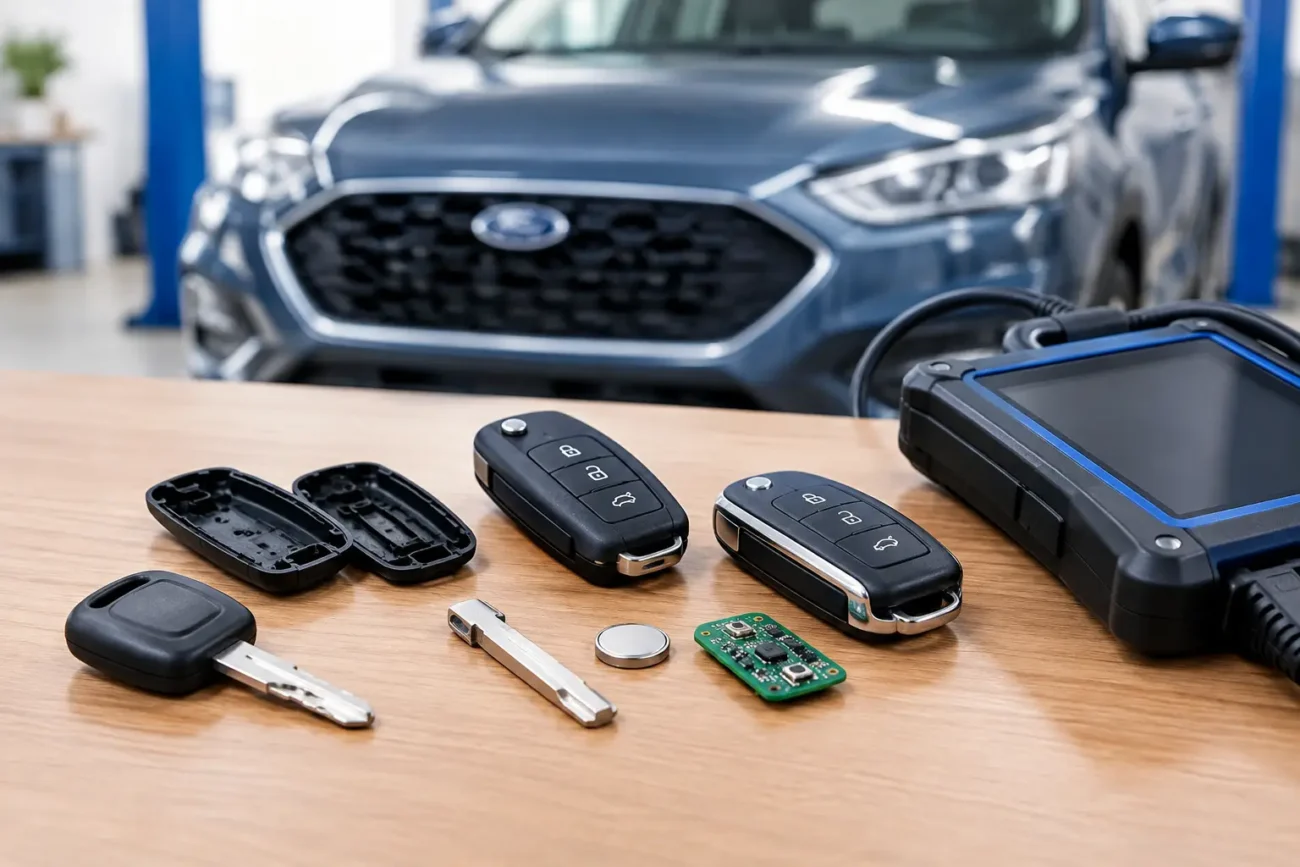
A replacement shell is often the best value option when the internal electronics still work and only the casing, buttons or blade mounting has worn out. If the circuit board has failed, a complete compatible remote may be required, followed by authorised programming where applicable. For many modern vehicles, especially smart-key systems, this is a professional task.
Use a reputable automotive key specialist or garage that will verify ownership and assess the vehicle correctly. Programming functions should only be carried out on vehicles you own or are authorised to work on. This protects the vehicle, the technician and everyone involved in the transaction.
Common Buying Mistakes That Cost Time
The most frequent error is ordering by vehicle badge alone. Manufacturers often use several remote versions across one model generation, and even minor changes in production year can affect the correct part. Another common mistake is overlooking the emergency blade. A remote may programme correctly but still be unusable for manual entry if the blade is wrong.
Battery specification is also easily missed. Fit the correct battery type and make sure the contacts are clean and correctly seated. A weak or incorrectly installed battery can create symptoms that resemble a programming fault.
Finally, avoid treating programming equipment as a universal shortcut. Good tools improve efficiency, but they work best alongside accurate identification, current vehicle information and a clear understanding of the job in front of you. Check every compatibility detail before ordering, then choose equipment that supports the vehicles your business genuinely handles most often.
Add a review
Your email address will not be published. Required fields are marked *