
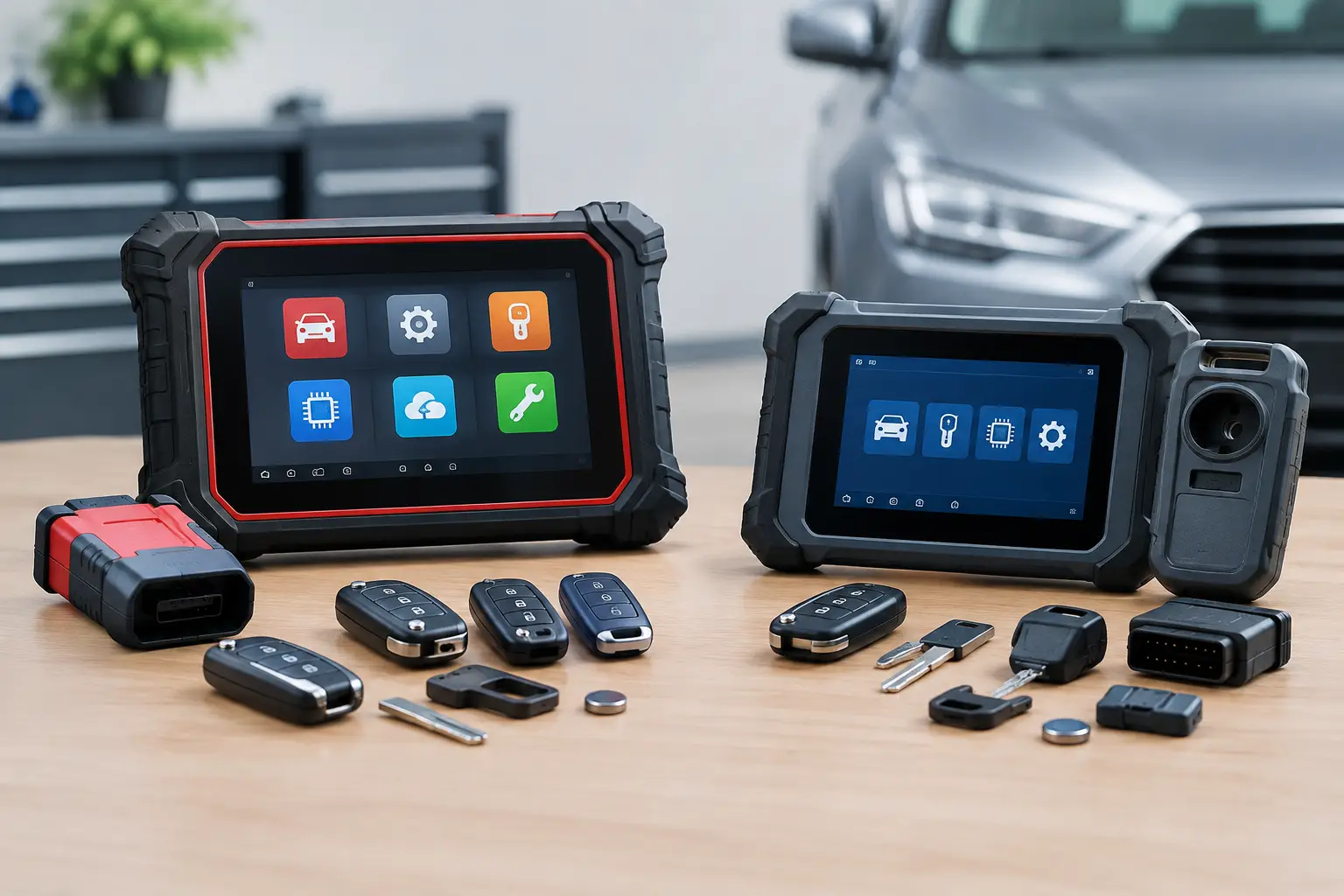
Autel versus Xhorse Programmers Compared
A key job can become unprofitable very quickly when the tool on the bench does not support the vehicle in front of you, needs an extra adaptor you do not have, or requires a subscription renewal that was not allowed for in the quote. That is why comparing Autel versus Xhorse programmers is not simply a question of which brand is better. For locksmiths, garages and experienced key professionals, it is about choosing the right system for the work you carry out most often.
Both brands are well established in the automotive key sector and both offer equipment for transponder work, remote generation, diagnostics-led programming and vehicle-specific solutions. Their strengths are not identical, though. The best purchase depends on your vehicle mix, the level of work you intend to take on, the accessories already in your kit and how much value you place on an all-in-one tablet versus a modular tool ecosystem.
Autel versus Xhorse programmers: the core difference
Autel is often chosen by professionals who want a tablet-based diagnostic and key programming platform. Its key programming devices are designed around guided workflows, broad diagnostic capability and vehicle-based menus. Depending on the model and authorised functions available, an Autel unit may suit workshops that regularly combine fault finding, service functions and key-related work.
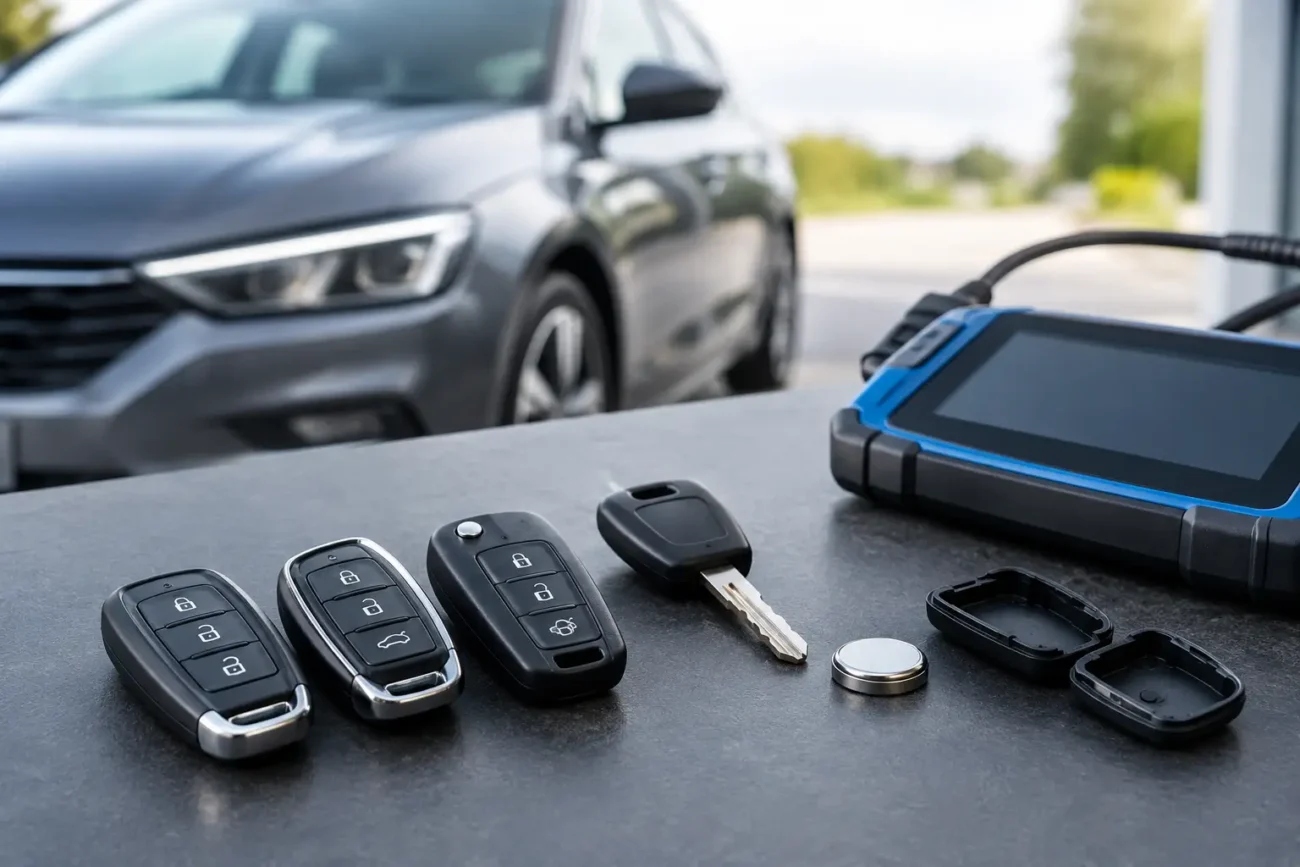
Xhorse is known for its wider tool ecosystem. The range includes handheld remote-generating tools, transponder cloning equipment, specialist programmers and tablet-style devices. This approach can be especially attractive to automotive locksmiths who want to build a kit around the services they provide, adding dedicated tools and accessories as their workload develops.
Neither approach is automatically better. A garage dealing with regular customer repairs may prefer one main device with familiar menus and diagnostic capability. A locksmith handling varied key and remote jobs may favour a modular collection of tools for generating remotes, preparing transponders and supporting specific electronic key tasks.
Choosing by the jobs you actually receive
Start with the vehicles on your job sheet, not the headline functions printed on a box. A tool that covers a large number of makes is useful, but broad coverage does not mean every year, trim level, key type or regional specification is supported in the same way.
For a workshop focused on common UK vehicles, consider whether you need dependable support for the Ford, Vauxhall, Peugeot, Volkswagen Group, BMW, Mercedes-Benz, Hyundai, Kia and Toyota models that pass through your premises. Check the exact vehicle year and system, then confirm whether the work involves a standard remote key, proximity smart key, transponder-only key or a module-based procedure.
Autel can make sense when your technicians benefit from a single, guided interface that also supports diagnostics. If a vehicle already needs a scan before key work can begin, keeping those tasks within one platform can improve workshop flow. This does not remove the need for technical judgement, correct battery support or proof of ownership, but it can reduce unnecessary switching between devices.
Xhorse can be the stronger fit where remote generation and transponder preparation are everyday work. For example, a business that frequently supplies replacement remotes may value the flexibility of compatible universal remote solutions and a dedicated handheld device at the counter or in a mobile kit. The exact options depend on the device, remote type and supported vehicle application, so verify the current product specification before ordering.
Tablet platform or modular tool kit?
This is usually the most practical dividing line between the brands.
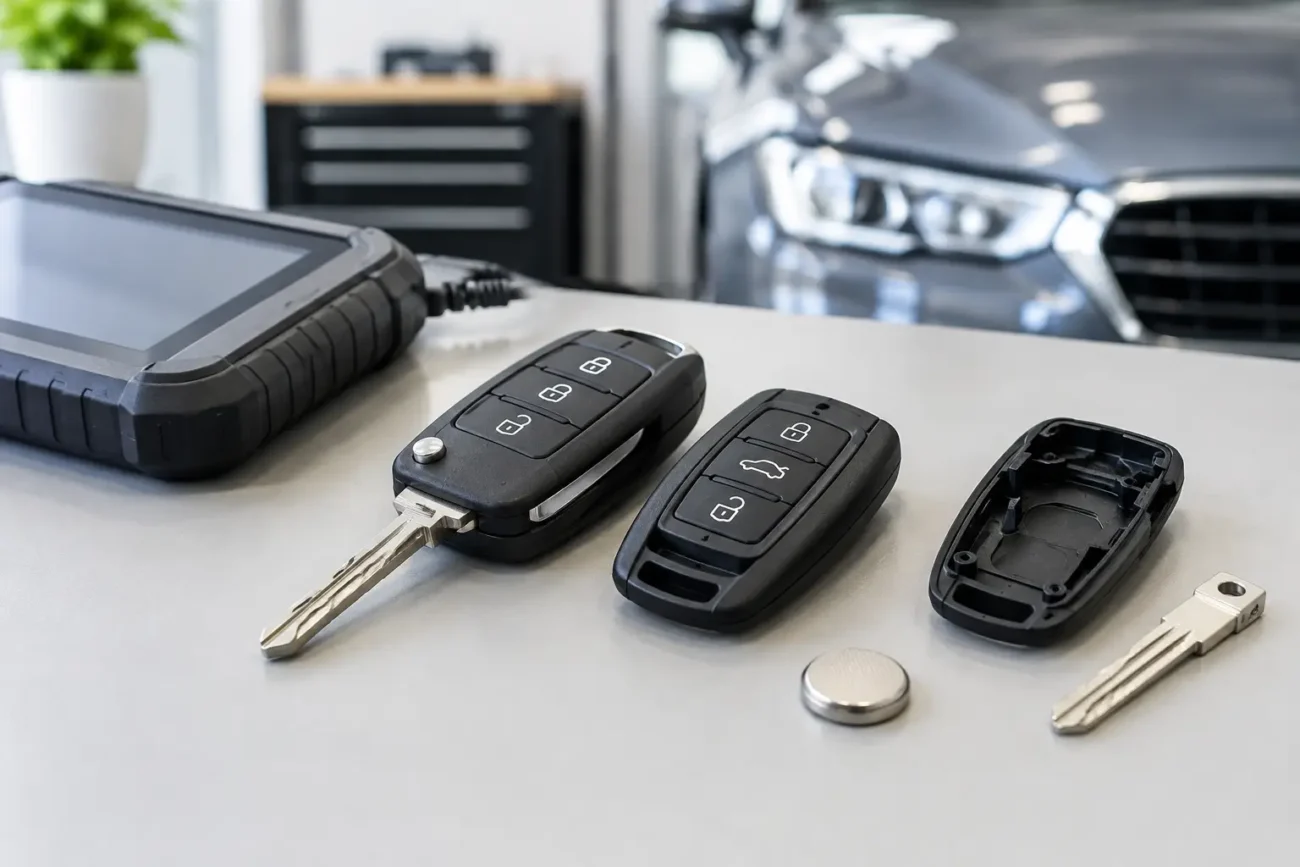
A tablet-based programmer can be easier to introduce in a busy garage. The larger screen, vehicle selection process and guided menus can help technicians follow a consistent route through supported work. It can also be useful where the same member of staff performs diagnostics, servicing and occasional key programming. Autel devices are often considered in this category, particularly where diagnostic coverage is part of the reason for buying.
A modular kit gives a key specialist more freedom to select the device most suited to the task. Xhorse equipment can be built up over time, with separate tools for remote generation, chip cloning, transponder identification and specialist electronic work. That can keep the initial purchase focused, although individual devices, tokens, adaptors and software authorisations need to be budgeted for properly.
There is a trade-off. One platform may simplify training and daily operation, while several dedicated tools can offer greater flexibility across a growing range of key jobs. Think about who will use the equipment. A trained key technician may be happy managing several devices; a general workshop may obtain better value from a system with fewer moving parts.
Coverage is more than a make and model list
The most expensive mistake is buying on a headline such as “BMW coverage” or “Ford key programming” without checking the finer detail. A vehicle badge alone tells you very little about the immobiliser system, key generation, transponder type or required accessories.
Before purchasing either brand, establish the key details you will encounter most often: model year, ignition or smart-key arrangement, number of buttons, blade type, frequency, transponder or chip type, and whether the original key is present. For trade work, also consider whether you routinely receive all-keys-lost jobs, module work or newer proximity systems. These services may require additional equipment, authorised software functions, stable power support and experience beyond a basic programmer.
Do not assume an aftermarket remote or replacement smart key will suit every vehicle simply because it looks similar. Match the part number or relevant product fitment information wherever possible. For remote keys, frequency and button layout matter. For keys with removable blades, the blade profile must also be correct. A well-chosen programmer cannot compensate for an incorrect key or remote.
Updates, subscriptions and ongoing cost
The purchase price is only part of the cost of owning a programmer. Software updates, subscriptions, credits or tokens, cables, adaptors, replacement remotes and batteries all affect the true cost per job.
Autel users should consider the update period included with a device and what happens when it ends. If your work is focused on a stable range of older vehicles, you may not need the newest software immediately. If you regularly see late-model cars, maintaining current coverage could be more important. Check the update policy for the exact device rather than relying on a general assumption about the brand.
Xhorse users should review the costs attached to the particular devices and services they plan to use. A lower entry cost can be attractive, especially for a business beginning to offer key services, but make sure the setup includes the necessary cables, remotes, transponders and any function-specific charges. Calculate the cost against realistic monthly job volume, not the occasional high-value job.
For either system, allow for a suitable battery support unit where required and keep devices updated before they are needed. A rushed update in the middle of a booked job is avoidable downtime.
Training and sensible working practice
Key programming tools are professional equipment, not a substitute for training. The operator should understand vehicle identification, key types, battery voltage requirements and the limits of the selected function. They should also follow lawful procedures, confirm customer authority and retain appropriate job records.
A tool with a simple interface can still produce complications if the wrong vehicle is selected or a weak vehicle battery interrupts a process. Set aside time to learn the menus, read the supplied documentation and practise only on authorised work. For a garage, it may be sensible to nominate one or two trained users rather than expecting every technician to use the programmer without preparation.
Which brand is the better buy?
Choose Autel when diagnostic capability, guided tablet workflows and a central workshop platform are high on the list. It is often a practical route for garages and technicians who want key programming to sit alongside broader vehicle diagnostics.
Choose Xhorse when you need a flexible key-tool ecosystem, carry out regular remote and transponder work, or want to add specialist capability in stages. It can suit locksmiths and key professionals who value dedicated devices for frequent key-related tasks.
The right answer may also be both. Established businesses sometimes use an Autel platform for particular vehicle coverage and diagnostics while keeping Xhorse tools available for remote generation, chip work or other specialist tasks. The investment is justified only where the job volume and vehicle mix support it.
Before ordering, write down the ten vehicles you see most often and check each one against the exact tool, software status and accessories you intend to buy. Global Keys Direct can help you source the programming tools, replacement keys, remotes and consumables needed to keep that setup commercially useful. Buy for the jobs on your bench now, then expand your capability when demand proves it.
Add a review
Your email address will not be published. Required fields are marked *