
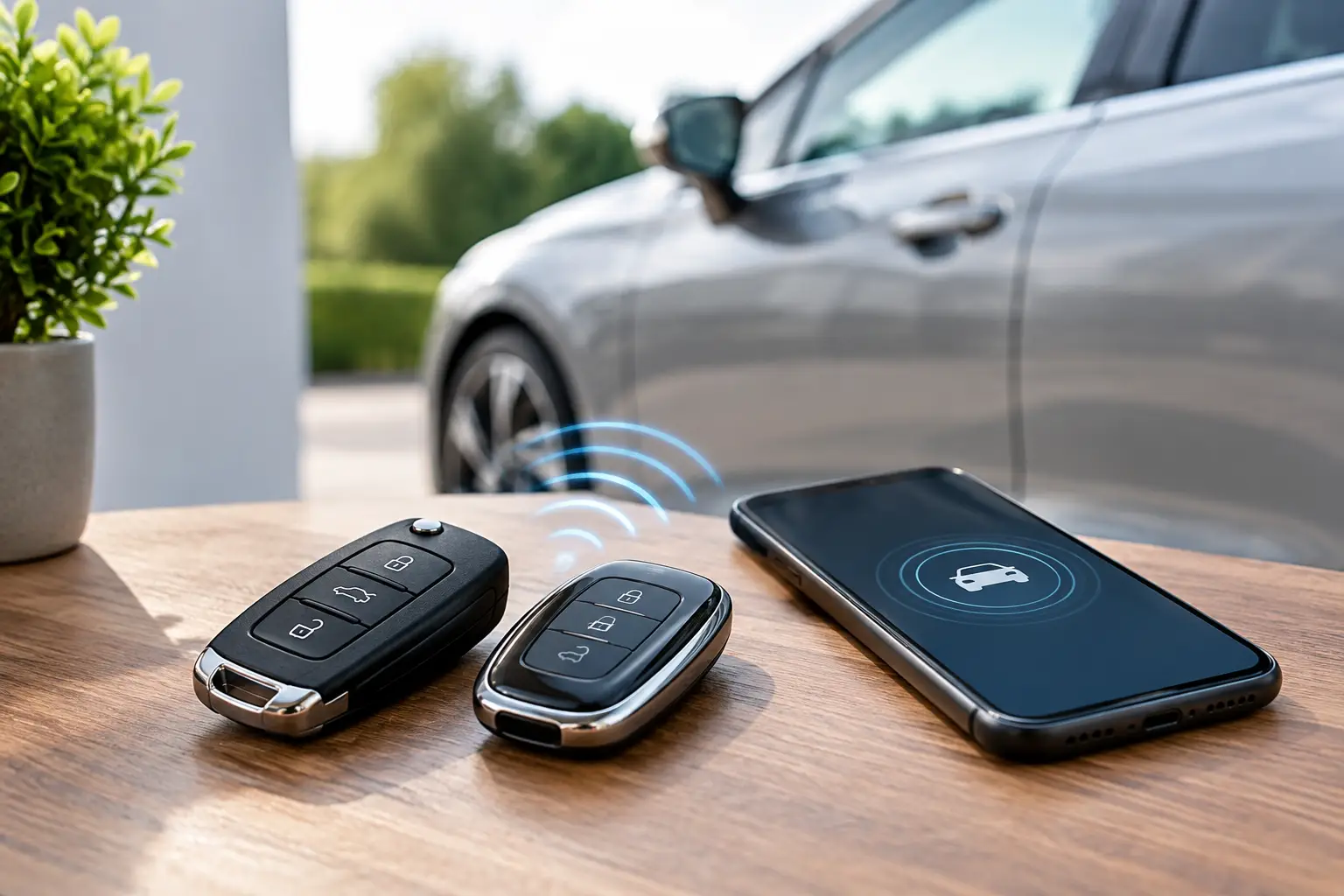
The Future of Keyless Car Security Explained
A keyless car system should make daily driving quicker, not leave owners worrying whether the vehicle is protected on the drive. Yet the technology inside a modern remote fob, smart key or phone-based credential is changing rapidly. For drivers, garages and locksmiths alike, the future of keyless car security will be shaped by better communication between the key and vehicle, more tightly controlled replacement processes, and clearer checks on compatibility.
Keyless entry has become standard across a huge range of vehicles, from family hatchbacks to premium SUVs. It is convenient, but convenience changes the security conversation. Older systems may rely on technology that was suitable when the vehicle was designed but is less resilient against modern electronic threats. Newer vehicles are starting to address that gap with improved encryption, motion detection and more intelligent authorisation.
Why keyless systems need to keep evolving
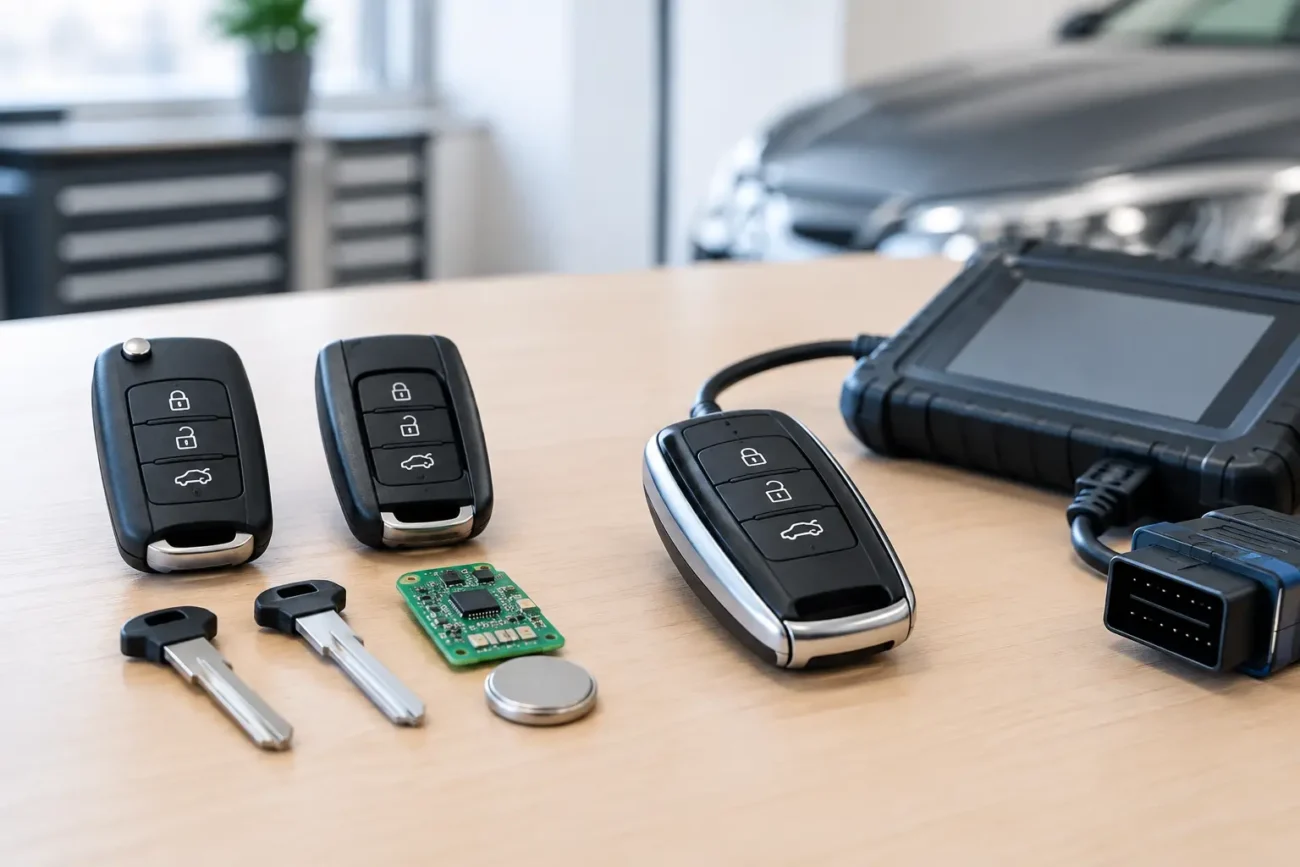
A traditional mechanical key has a physical profile that must match the lock. A remote or smart key has several layers to consider: the blade where fitted, button layout, radio frequency, transponder chip, circuit board specification and the data exchange with the vehicle immobiliser. Every one of those details affects whether a replacement is suitable and whether it can be programmed correctly.
The difficulty is that a keyless system is not static. A vehicle may receive software updates, manufacturers may revise key hardware during a model run, and the same-looking fob can exist in different frequency or chip variants. That is why visual similarity alone is never enough when sourcing a replacement remote. Accurate part numbers and fitment details remain essential.
For vehicle owners, the practical point is simple: security and convenience depend on having a key that is correctly matched to the car. For trade professionals, it means keeping current with vehicle coverage, diagnostic capability and programming procedures rather than treating every key job as identical.
The future of keyless car security: four changes to expect
The next generation of vehicle access systems is unlikely to depend on one single breakthrough. More often, security improves through several layers working together.
- Encrypted, changing credentials: Instead of sending a fixed identifier, newer systems can use changing encrypted data for each interaction. This makes the communication harder to copy or reuse.
- Motion-aware smart keys: Some fobs can enter a low-power state when left still for a period. This helps reduce unnecessary transmissions when keys are stored at home, although the exact behaviour depends on the key design and vehicle system.
- Digital keys with controlled sharing: Selected vehicles already allow access through a compatible smartphone or wearable device. The major advantage is control: permissions can be limited, withdrawn or set for a particular user where the manufacturer supports it.
- Stronger vehicle-side authentication: The car itself will play a bigger role in deciding whether a credential is acceptable. This may include more checks before access is granted and closer integration with the immobiliser and vehicle software.
These developments will not remove physical keys overnight. Many drivers still value a conventional emergency blade, especially when a fob battery is flat or a phone is unavailable. The likely direction is a hybrid arrangement: digital convenience supported by a properly programmed smart key or remote as a dependable back-up.
Digital keys will add convenience, not eliminate key checks
Phone-based vehicle access is often presented as the next step for every driver. In reality, adoption will vary. A digital key can be useful for shared vehicles, fleets and households where temporary access is needed, but it introduces practical considerations around phone battery life, device replacement, app accounts and privacy.
There is also no universal fitment standard from a buyer’s point of view. Features vary by manufacturer, vehicle age, trim level and region. A driver replacing a lost key should not assume that a phone app can take the place of a compatible programmed fob. The vehicle’s original access architecture still determines the correct solution.
For workshops and locksmiths, this means customer conversations may become more detailed. The question is no longer only, “Do you need a spare key?” It may also be, “Which access methods does this vehicle support, and which one will remain practical for the owner?”
Replacement keys will require better information
As security becomes more advanced, precision matters more than ever. This does not necessarily make replacement keys inaccessible or dealership-only, but it does make product selection and programming more specific.
A suitable replacement may need to match the original key’s frequency, number of buttons, transponder type, PCB reference, blade profile and vehicle application. Some keys require programming equipment and diagnostic access; others may need components transferred from an existing fob if the issue is a damaged shell rather than failed electronics. Choosing the right route can save time and prevent needless expense.
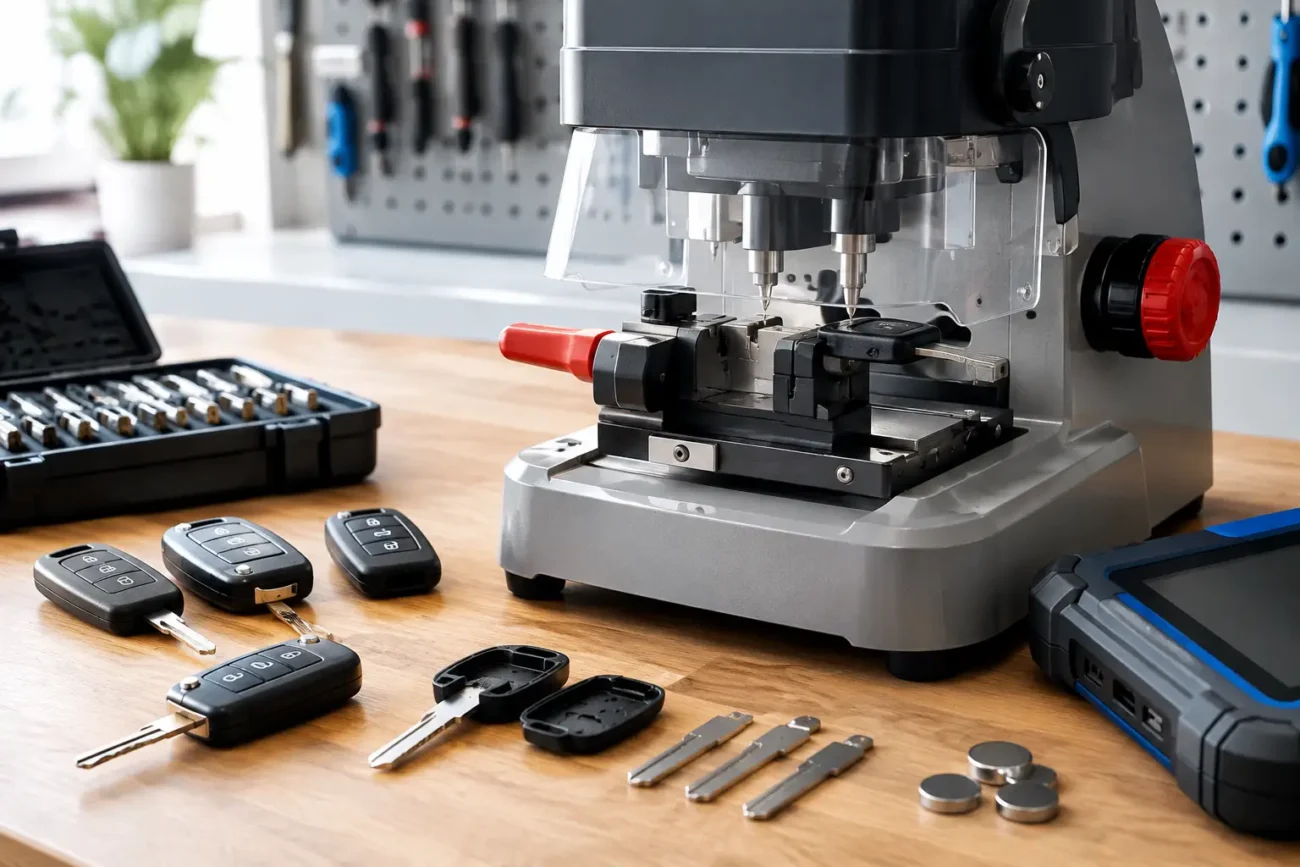
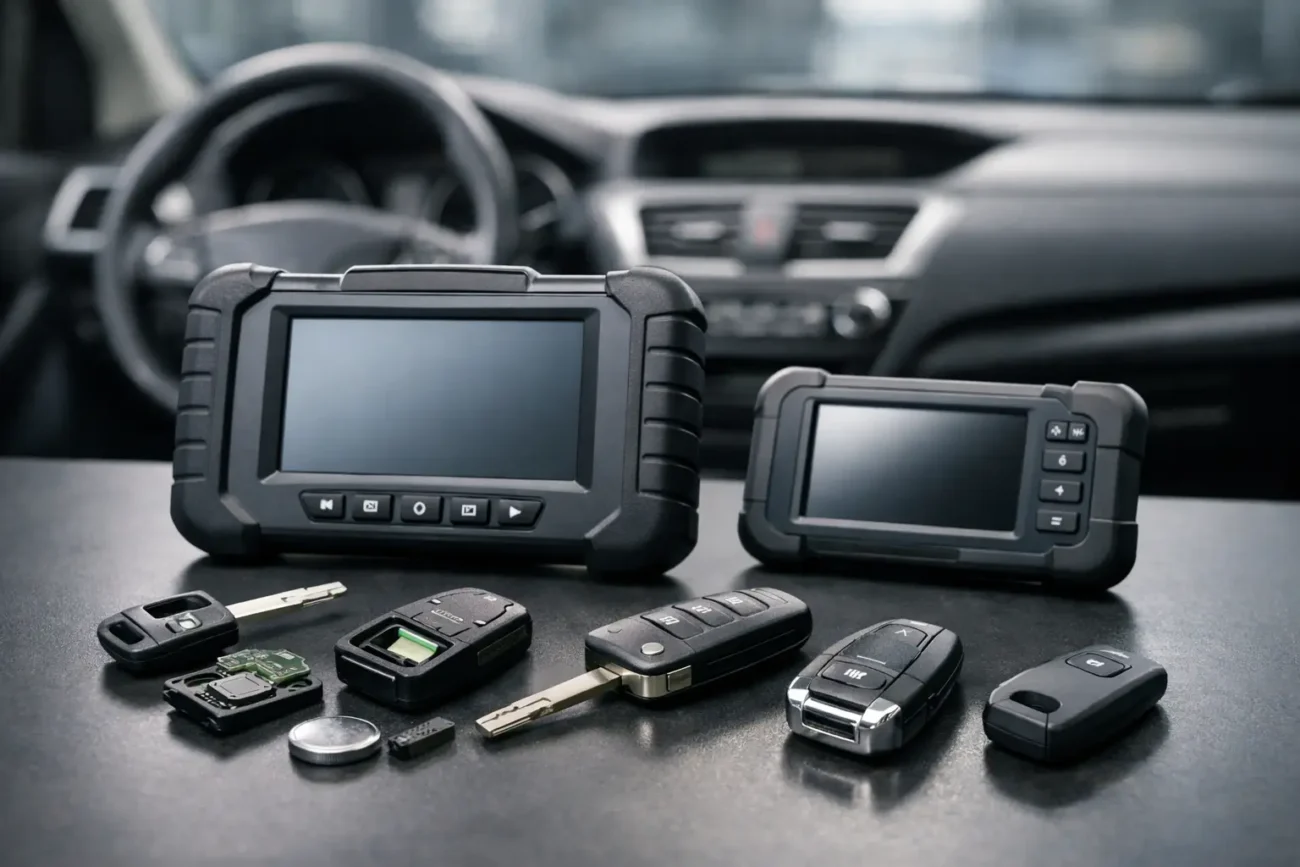
This is where specialist stock matters. Global Keys Direct supports both drivers and trade buyers with replacement shells, remote fobs, key blades, smart keys, batteries and programming tools across a broad selection of marques. The sensible approach is to check the original key and vehicle details before ordering, rather than relying on appearance alone.
Repair can still be the right security decision
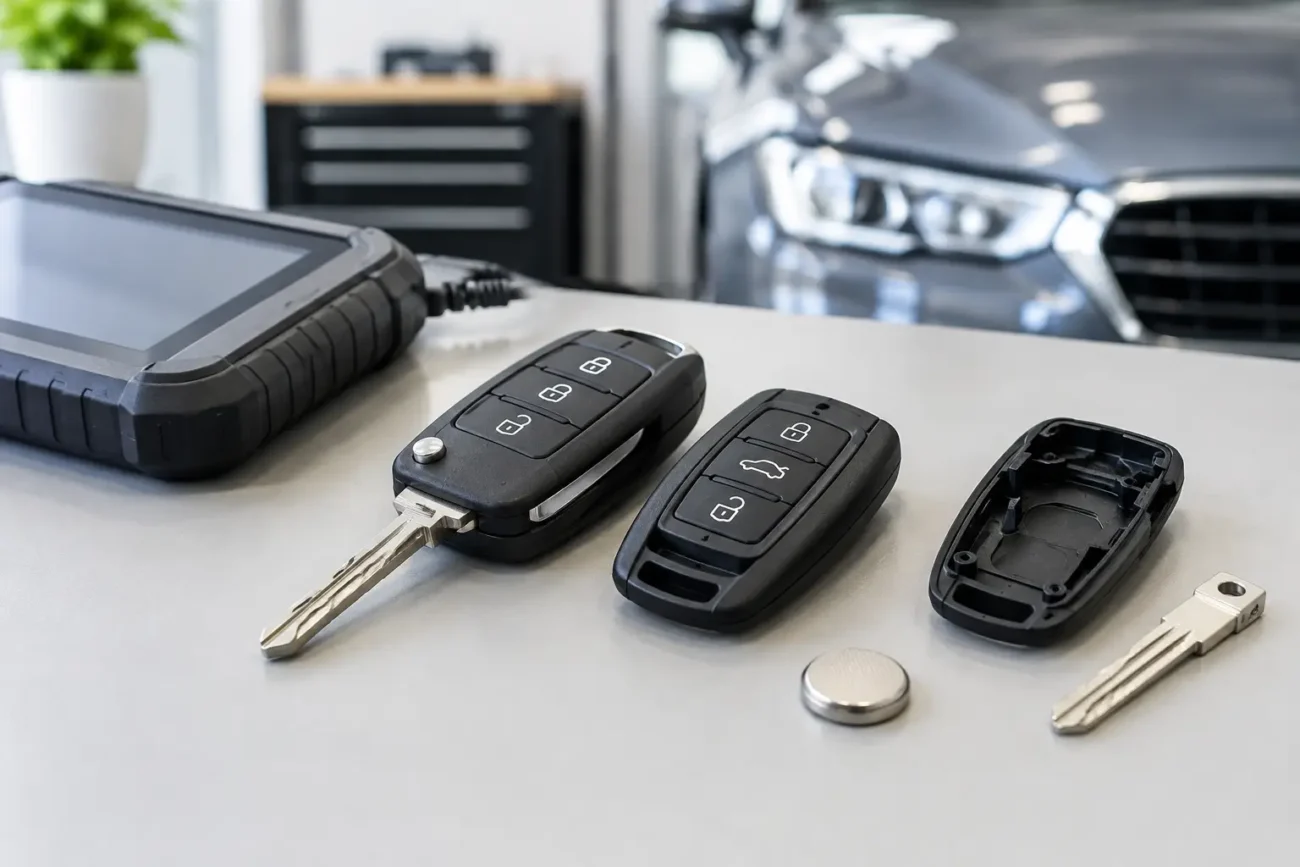
Not every damaged key calls for a full replacement. If the remote electronics still function but the case is cracked, the buttons are worn or the blade has become loose, a compatible replacement shell may restore the key’s physical condition without changing the programmed electronic components.
That can be a cost-effective option, but only when the internal board, chip and blade arrangement are suitable for transfer. Poorly fitting cases or incorrect blade choices can create new problems, particularly on keys with tightly designed housings. Quality parts and careful matching are worth the extra attention.
What drivers can do now without compromising convenience
Good keyless security is partly built into the vehicle, but owners still have useful choices. Keep spare keys in a known location, replace weak fob batteries before they fail, and inspect cases for damage that could expose the circuit board to moisture or impact. If a key starts working intermittently, deal with it early rather than waiting until access becomes urgent.
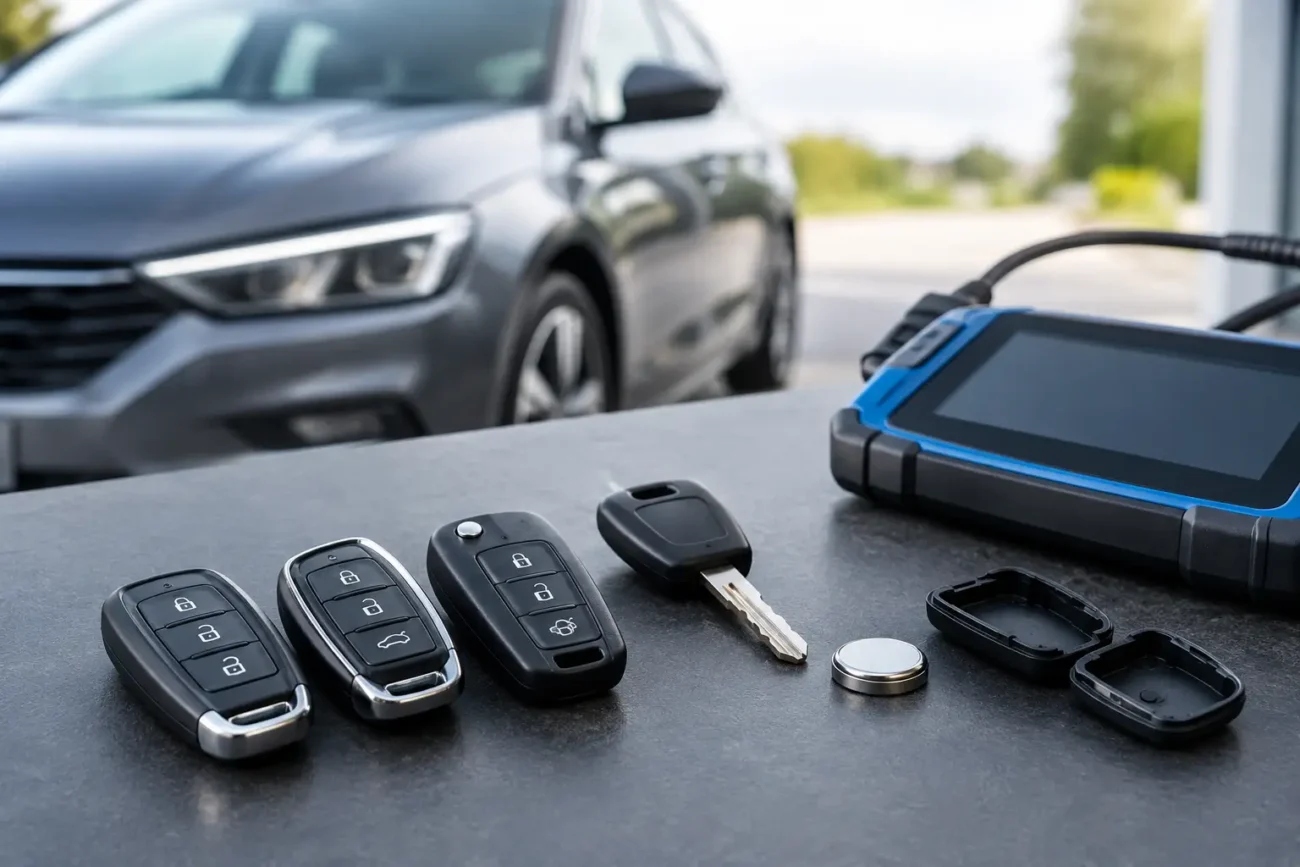
When ordering a replacement, check the identifying details first. Compare the part number on the original fob where available, plus frequency, button configuration, blade type and vehicle model year. For smart keys and transponder remotes, establish whether programming is required and ensure the person carrying out the work has suitable equipment and vehicle coverage.
It is also sensible to consider how many working keys the household has. One functioning key creates a single point of failure. A properly matched spare can be far more convenient than resolving a lost-key situation at short notice.
What this means for trade professionals
For locksmiths, garages and automotive technicians, future-proofing is less about stocking every possible key and more about building a reliable process. Record the vehicle’s exact details, identify the original key specification, verify the required programming method and use tools with current coverage. The right diagnostic and programming equipment can reduce delays, but only when the correct key hardware has been selected first.
Training will matter just as much as equipment. Vehicle security systems increasingly involve electronic modules, coded credentials and software-led procedures. Professionals who understand the limits of a particular tool or vehicle application are better placed to give customers accurate advice and avoid unnecessary parts orders.
The industry will also need to balance security with repairability. Owners should be able to replace worn shells, flat batteries and damaged remotes through knowledgeable suppliers, while the programming and authorisation side remains controlled enough to protect the vehicle. That balance is good for customers, legitimate repair businesses and vehicle security alike.
The most useful preparation is not to wait for a key to fail. Check what you have, confirm the specification of any spare, and keep a trusted route for replacement parts or professional programming when the need arises.
Add a review
Your email address will not be published. Required fields are marked *