
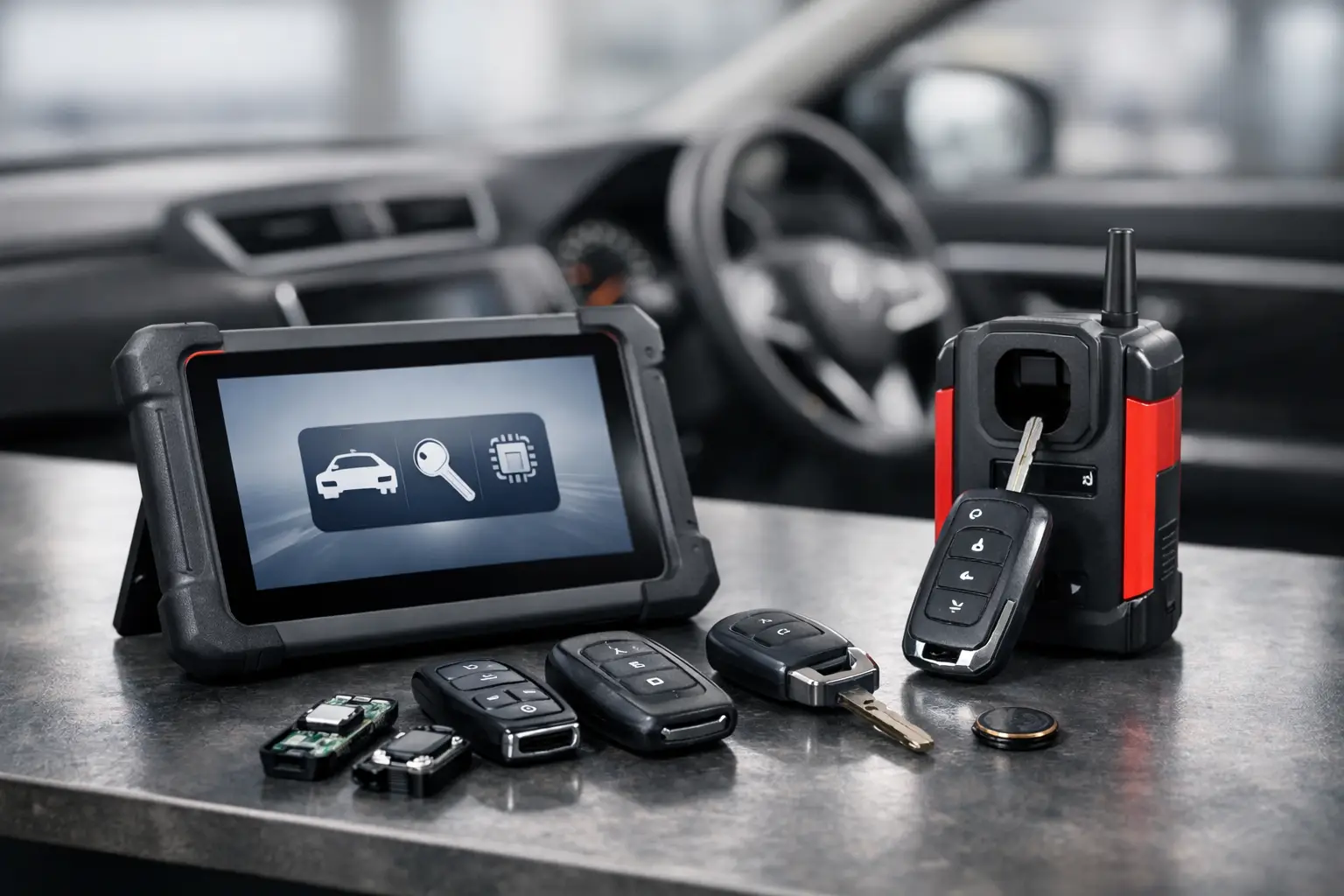
Autel Key Programming Tool Review
When a key job lands on the bench, the programming tool matters as much as the replacement key itself. This Autel key programming tool review looks at what these tools do well, where the limits sit, and which type of buyer is likely to get proper value from them in real UK workshop conditions.
Autel key programming tool review – what buyers want to know first
Most buyers are not asking whether Autel makes a tool that turns on and connects. They want to know whether it will cover the vehicles they actually see, whether it saves time on routine jobs, and whether it justifies the spend compared with the volume of work coming through the door.
That is where Autel tends to make sense. The range is generally aimed at practical diagnostics and key work rather than one narrow specialist task. For a garage, auto locksmith or technician who handles mixed makes, that broad appeal is useful. For a private owner looking to sort one spare key, the answer is less straightforward, because tool cost and learning curve can outweigh the benefit very quickly.
Where Autel sits in the key programming market
Autel tools are widely recognised because they sit in a useful middle ground. They are typically more approachable than highly niche specialist platforms, but they still offer enough capability to be relevant for professional use. That balance is a big part of their appeal.
In day-to-day terms, Autel key programming tools are often chosen by workshops that need one platform to cover diagnostics, IMMO functions and key learning across a broad vehicle mix. If your work regularly includes Ford one day, Vauxhall the next, then BMW or Hyundai later in the week, an all-rounder has obvious value.
The trade-off is that broad coverage never means identical depth on every model. Some vehicle systems are simple and routine. Others depend on exact year, region, immobiliser type and whether additional accessories or software authorisations are required. A sensible buyer checks model-level support rather than assuming every Autel device covers every key job.
The main strengths of Autel key programming tools
The strongest point in any honest Autel key programming tool review is usability. Many users rate Autel highly because the interface is generally easier to navigate than older-style platforms with clumsy menus and limited prompts. That matters when speed affects job profitability.
Another clear advantage is combined functionality. On many Autel platforms, you are not buying a single-purpose key programmer in isolation. You are also buying diagnostic capability, service functions and system access that can help before and after key learning. For garages, that wider scope can make the tool easier to justify as part of everyday workshop use.
Vehicle coverage is another reason these tools stay popular. The better-supported units can handle a large spread of makes commonly seen in the UK aftermarket. That does not remove the need to check exact compatibility, but it does mean one tool can support a broad range of customer jobs rather than sitting on the shelf waiting for one brand only.
There is also a practical training advantage. Because Autel tools tend to be structured logically, they are often easier for technicians to integrate into a workflow. That does not mean no skill is required. It means the tool is less likely to slow down a competent user with poor menu design or vague prompts.
The limitations you should factor in
No serious review should pretend these tools suit everyone. The first limitation is cost versus usage. If you only need to add a spare key for one household vehicle, buying a professional-grade programmer is usually difficult to justify. In that case, sourcing the correct remote, blade, transponder or smart key and using a qualified professional may be the better route.
The second issue is coverage depth. Some Autel devices are very capable on standard add-key procedures but less suitable when work becomes more advanced or vehicle-specific. Lost-key situations, newer immobiliser systems and premium-brand platforms can require deeper capability, extra adapters or more specialist equipment depending on the exact car.
Updates and subscriptions also matter. A tool may be physically capable, but practical access to newer functions often depends on keeping software current. For trade users, that can still represent good value if the tool earns regularly. For occasional users, it is another ongoing cost to think about.
Then there is the question of experience. A quality tool does not replace correct process. Battery support, stable communication, correct key specification and proper vehicle identification all affect the result. If the remote frequency, chip type, button layout or blade profile is wrong, programming success can become irrelevant because the key itself is not suitable.
Which Autel users get the best value
For mixed garages, Autel often makes the most commercial sense. If your workshop already handles diagnostics and service work, adding key programming capability through the same ecosystem can improve efficiency. It can reduce the need to outsource straightforward jobs and give customers a faster turnaround.
Auto locksmiths can also find strong value in Autel, particularly when they need a practical platform for common jobs across multiple brands. Whether it is the best fit depends on the type of work you specialise in. If most of your workload is standard spare and replacement key programming across mainstream marques, Autel can be a strong option. If your business centres on high-security, all-keys-lost or very niche systems, you may need deeper brand-specific solutions alongside it.
For vehicle owners, the picture is more selective. An owner with several vehicles, some technical confidence and a genuine reason to maintain in-house key capability might see the benefit. Most private buyers, though, are usually better served by choosing the correct replacement key components and having them programmed properly, rather than investing in equipment they may use once.
What to check before buying any Autel setup
Before purchasing, start with the actual job list rather than the tool brochure. Think about the vehicle brands you see most often, whether you mainly add spare keys or tackle lost-key work, and whether diagnostics matter as much as programming. Those answers narrow the field quickly.
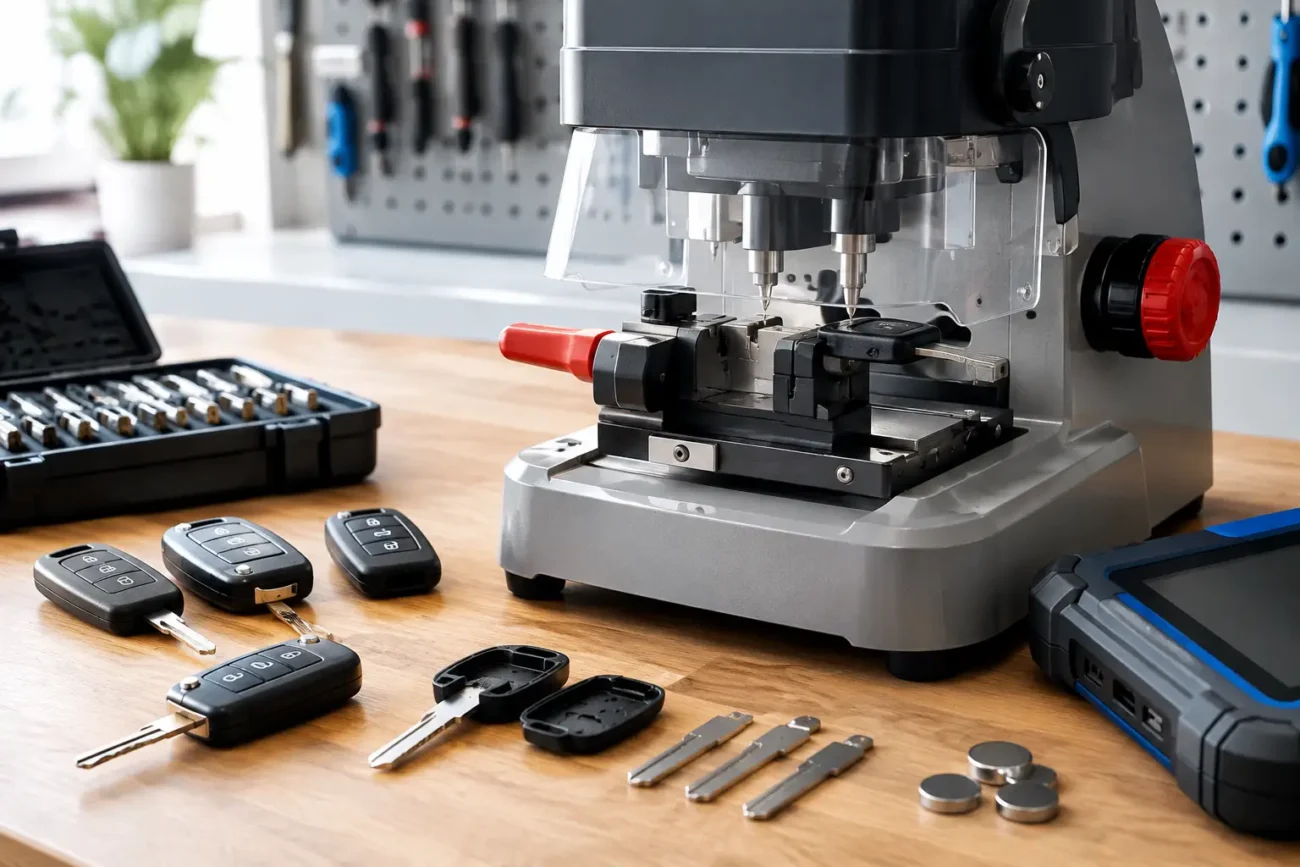
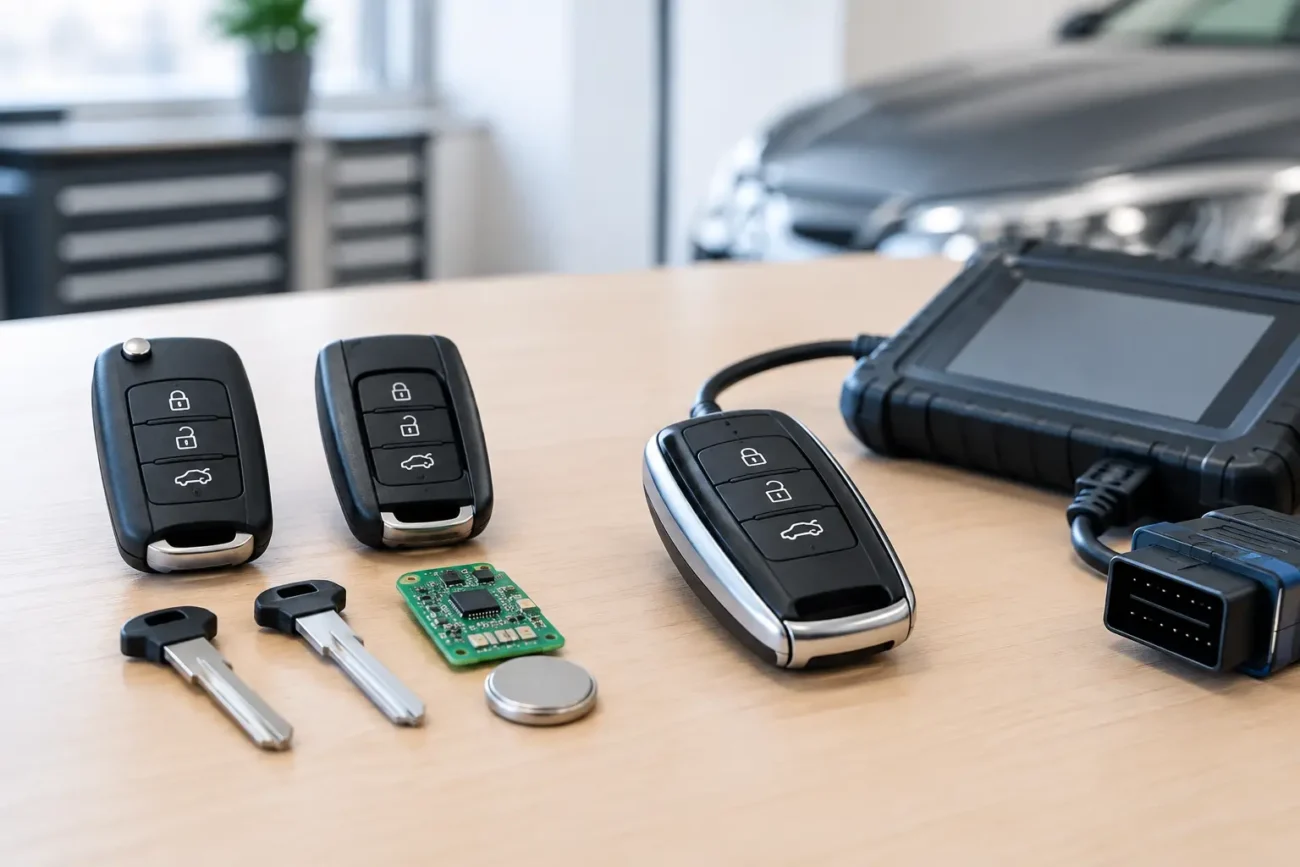
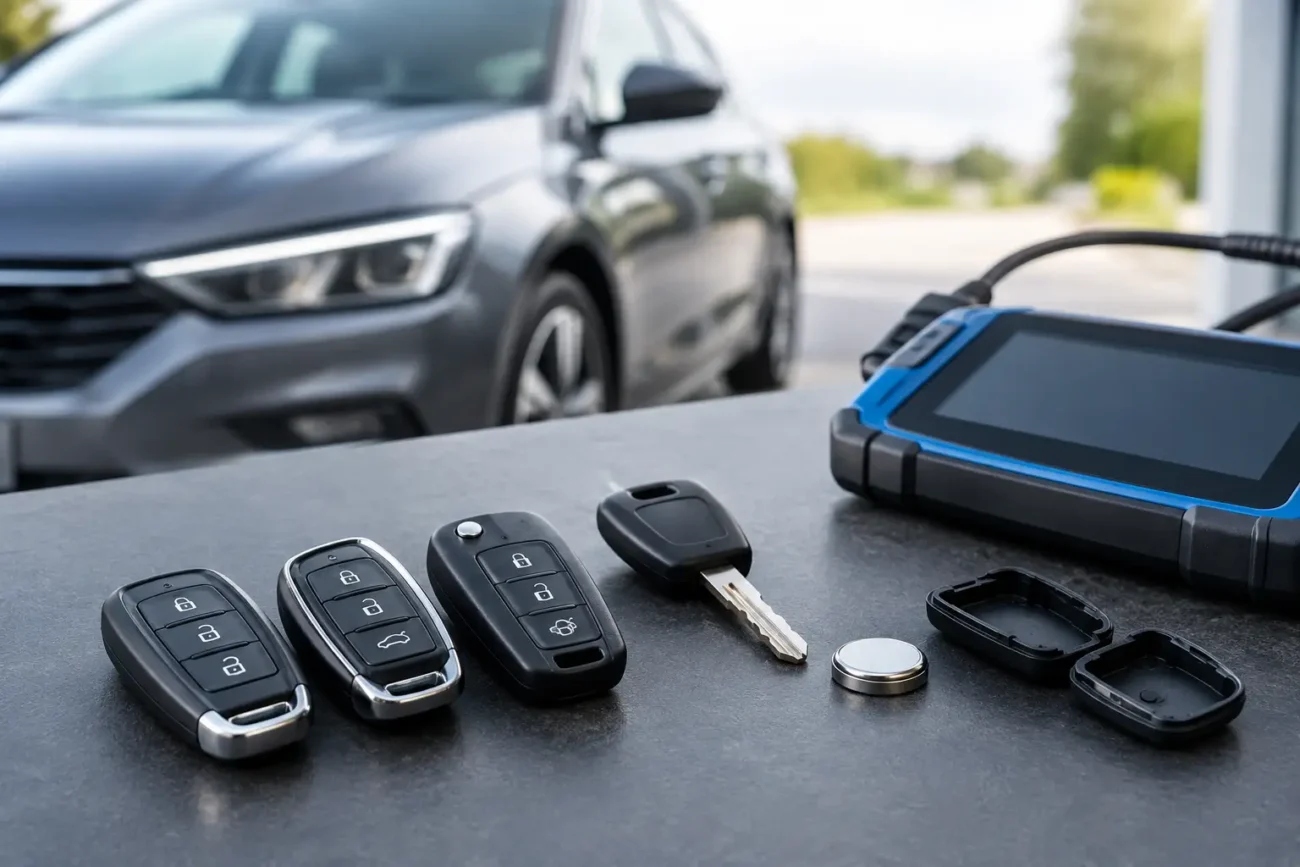
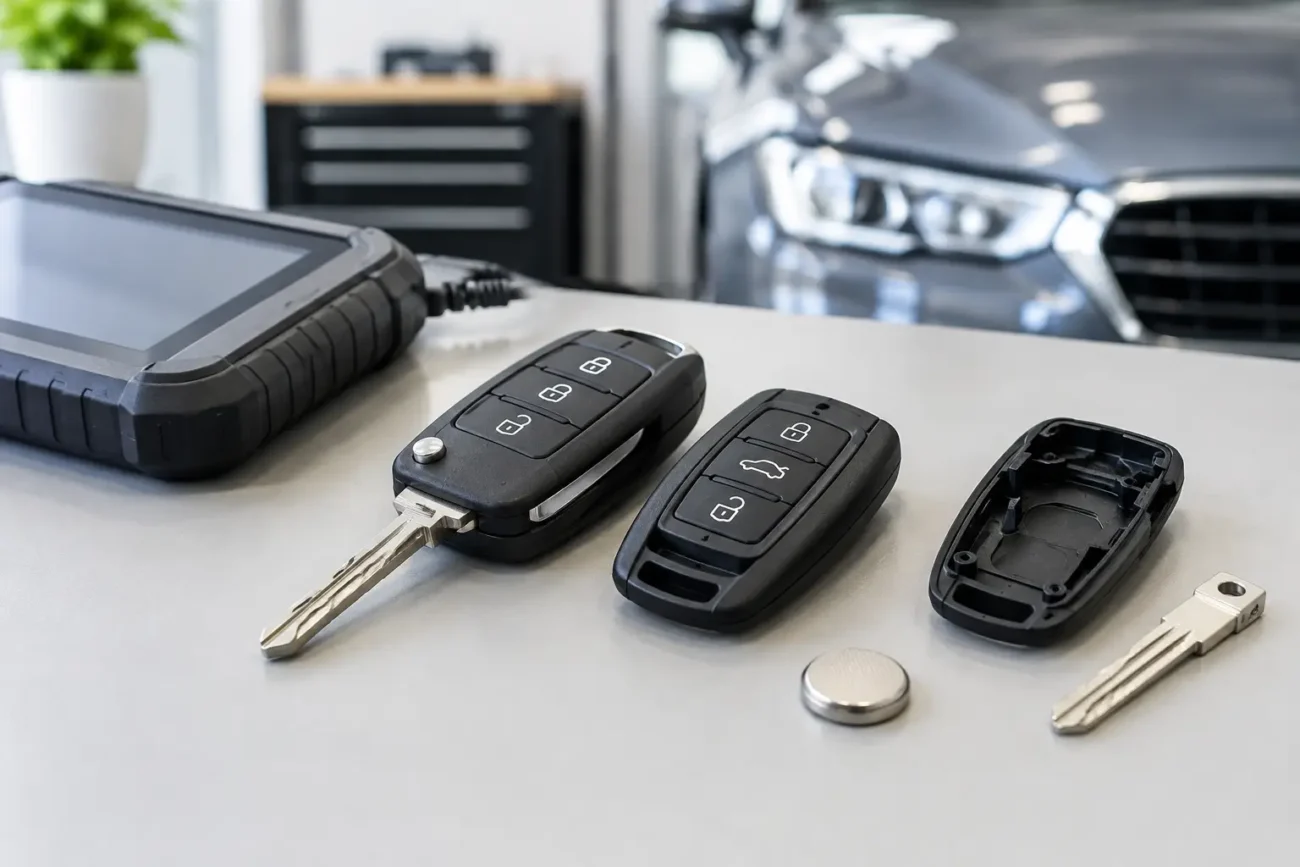
You also need to check exact fitment details on the key side. A programming tool is only part of the equation. The replacement item must match the vehicle requirements as closely as possible. Buyers should verify part number, frequency, transponder chip type, emergency blade type, button count and overall compatibility details before assuming a key can be programmed successfully.
It is also worth checking whether the tool requires extra accessories for specific functions. Some advanced operations may depend on additional hardware, tokens or software support. That is not unusual, but it affects the real buying cost.
For trade buyers sourcing tools and replacement key stock together, using a specialist automotive key supplier helps keep that process cleaner. Businesses such as Global Keys Direct focus on model-specific key products and programming-related inventory, which makes it easier to match the hardware side of the job correctly rather than treating every remote as interchangeable.
Is Autel a good choice for UK trade buyers?
In many cases, yes. For UK garages and locksmiths dealing with a varied car parc, Autel is a sensible option because it offers broad aftermarket relevance, a workable interface and useful overlap between diagnostics and immobiliser functions. That combination is attractive when turnaround time matters.
The key point is to buy with a clear use case. If you need a dependable platform for regular mainstream key programming work, Autel is often a strong candidate. If you expect one tool to solve every advanced immobiliser scenario on every vehicle generation, expectations need to be managed.
Final verdict on this Autel key programming tool review
Autel key programming tools generally earn their reputation by being practical rather than flashy. They are at their best when used by buyers who need broad coverage, straightforward workflows and sensible day-to-day capability across mixed vehicle brands. They are less convincing when bought for one-off use or with unrealistic expectations about universal coverage.
If you are buying for a workshop or locksmith operation, focus on your most common vehicle applications and the exact key types you stock. Get that part right, and an Autel setup can become a productive piece of kit rather than an expensive box that only looks good on the shelf. The smartest purchase is rarely the tool with the longest feature list – it is the one that fits the jobs you actually do.
Add a review
Your email address will not be published. Required fields are marked *