
When Car Key Shells Are the Right Replacement
A remote can still unlock the car perfectly while its outer case is splitting, the buttons have worn smooth, or the key blade has become loose in the hinge. In that situation, car key shells can be a practical and considerably more affordable alternative to replacing the complete remote. The crucial point is understanding what a shell replaces – and what it does not.
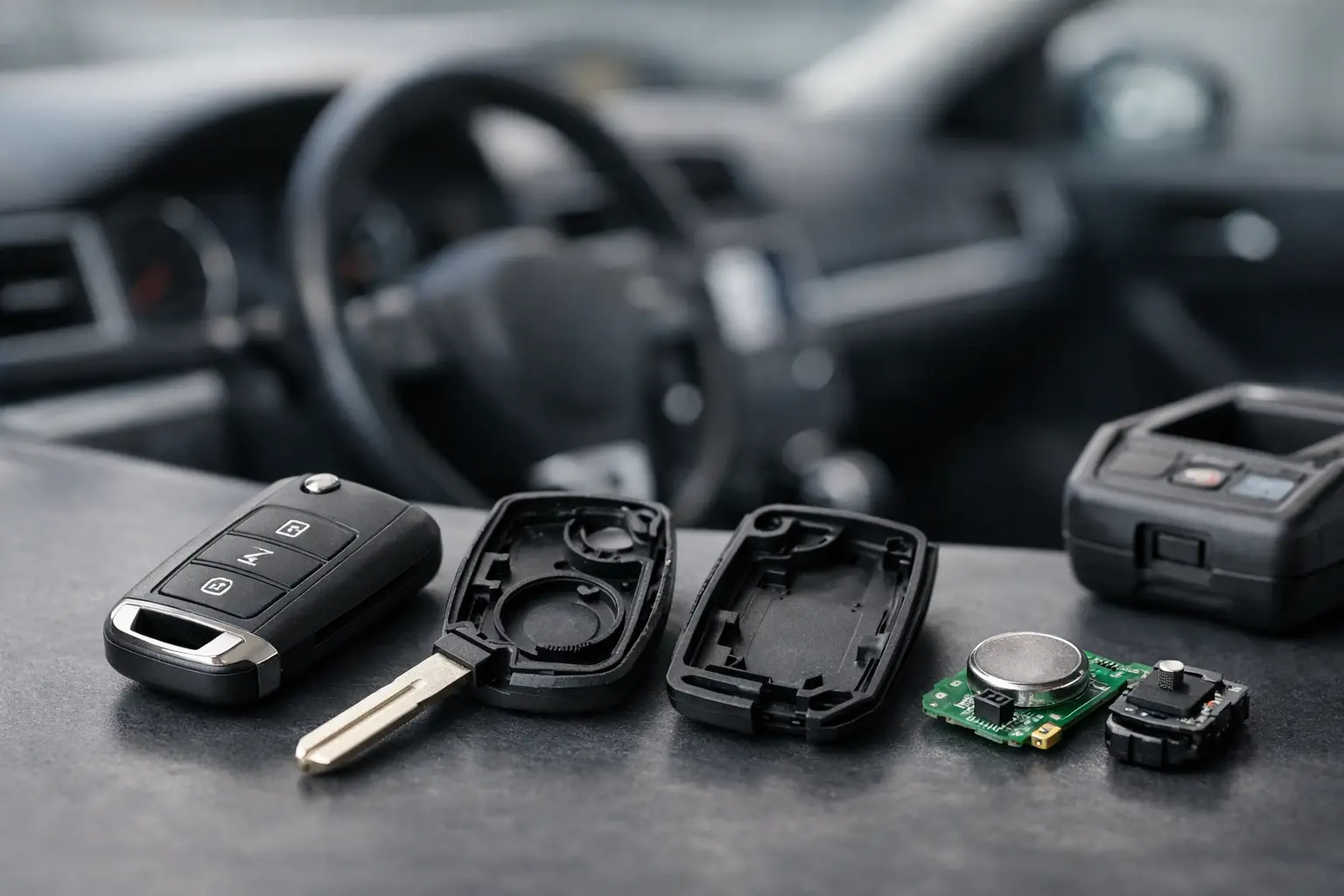
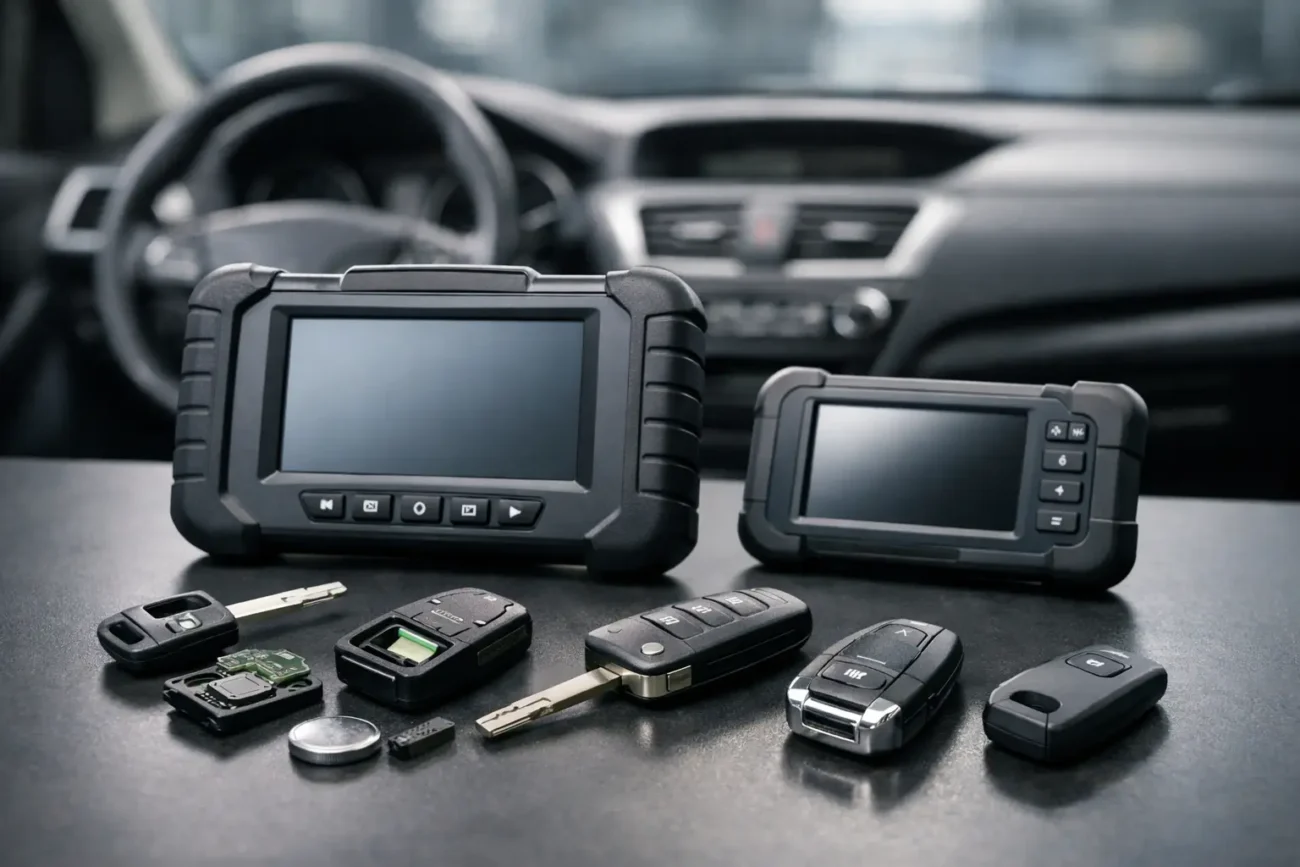
A replacement shell is the empty outer housing of a vehicle key or remote fob. Depending on the design, it may include a new blade, button pad, battery cover, flip mechanism and small internal fittings. It does not normally include the electronic circuit board, transponder chip or battery. Those original components are transferred from the old key into the new case.
For vehicle owners, this can restore a tired key to reliable everyday use without paying for electronics that are already working. For locksmiths and garages, shells are a useful stock item for quick refurbishment jobs, particularly where the customer’s remote board tests correctly but the casing is beyond saving.
When car key shells make sense
A new shell is usually the right answer when the fault is physical rather than electronic. Common examples include cracked housings, detached key rings, missing button covers, damaged flip-key pivots and blades that no longer sit securely in the remote body. A shell can also be worthwhile where the buttons still operate but the rubber membrane has become thin or torn through years of use.
The key test is simple: does the original remote still perform its intended functions? If it locks and unlocks the vehicle, starts the car where applicable, and has no intermittent electrical issues, the electronics may be suitable for reuse. Moving a known-working circuit board and chip into a fresh housing preserves the vehicle’s existing pairing.
This is particularly useful for older Ford, Vauxhall, Peugeot, Citroën, Toyota and Volkswagen Group-style flip keys, where a worn case is often the visible problem. It is equally relevant to many Hyundai, Kia, BMW, Mercedes and Land Rover remote designs, although the exact shell, blade profile and internal layout must always be checked before ordering.
A shell is not a cure for every key problem. If the remote only works at very close range, fails intermittently after fitting a new battery, has suffered water damage, or is missing its transponder chip, a case alone will not resolve it. The vehicle may need a replacement remote, a repair to the original board, or professional key programming. A clean-looking shell cannot correct an electronic fault.
Compatibility is more than the number of buttons
One of the most common ordering mistakes is choosing a shell based solely on the badge or button count. Two remotes for the same manufacturer can look almost identical from the outside while using different circuit board shapes, blade mounts or battery cover arrangements. A three-button key is not automatically compatible with every other three-button version for that marque.
Start with the original key. Compare its button layout, overall shape, flip or fixed-blade design, and the position of its battery compartment. Then check any part number printed on the rear casing, inside the shell, or on the circuit board. This is often the most useful identifier, particularly for remotes fitted across several model years.
The blade matters as well. A replacement shell may be supplied with an uncut blade, but it must have the correct profile for the vehicle and the correct fixing method for the remote. Some blades are retained by a roll pin, while others are held by a screw or moulded into a flip mechanism. The wrong blade type can turn an apparently straightforward repair into an unusable key.
For professional buyers, it is also sensible to compare the board locating posts and transponder chip recess. Aftermarket shells can vary slightly in their internal moulding. A board that sits under pressure, or a chip that has no secure location, should not be forced into place. The shell needs to close evenly and retain the components without bending or trapping them.
What is involved in changing a key shell?
Replacing a car key shell is often a light refurbishment task, but it needs care. The circuit board, battery and transponder chip are small components, and older plastics can become brittle. Before opening the original key, work on a clean, well-lit surface and keep small parts contained. Photographing the internal layout first is useful, especially on flip-key assemblies with springs and hinge pieces.
The old case is opened at its seam, usually with a suitable trim tool or a small flat tool used carefully. Avoid excessive force near the circuit board. Once opened, remove the battery and lift out the board by its edges where possible. The transponder chip may be separate from the board and can be housed in a small recess in the plastic. It is easy to overlook because it may look like a tiny black glass capsule or rectangular chip.
That chip is critical on many vehicles. It communicates with the immobiliser when the key is in the ignition or near the start system. If it is left behind in the old shell, the new key may operate the central locking but fail to start the engine. Equally, it should not be damaged, discarded or placed loosely inside the new housing.
Transfer the board, chip and battery into the replacement case in the same orientation as the original. If the shell includes a new button pad, check that each button aligns with the switch points on the board before clipping the case together. Test the remote functions and, where relevant, confirm the vehicle starts before treating the job as complete.
If a new blade must be cut, it should be matched to the existing working blade by a competent key-cutting service. On some flip keys, transferring the original blade is possible; on others, a new blade is the more sensible option. The correct approach depends on the shell design and the condition of the original blade.
The flip-key spring deserves extra attention
Flip-key shells introduce one additional complication: the spring-loaded blade mechanism. When fitted correctly, the blade should deploy firmly and fold back without catching. If it feels weak, jams halfway or does not sit flush when closed, the spring may be incorrectly tensioned or seated.
This is not a part of the job to rush. A mechanism assembled under the wrong tension can wear prematurely or allow the blade to release unexpectedly. Where a customer key is the only working key, or the spring arrangement is unfamiliar, using an experienced automotive key technician is often the lower-risk choice.
Shell replacement versus a complete replacement key
The cost advantage of a shell is clear when the original electronics remain dependable. There is generally no need to programme the vehicle again after moving the existing board and transponder chip across, because those are the parts already recognised by the car. It is a sensible repair for an otherwise sound key that simply looks worn or has become awkward to use.
A complete replacement remote is the better route where the board is faulty, the original key is lost, the remote has corrosion or water ingress, or the transponder is missing. Complete keys can require blade cutting and programming, and the specification must be checked carefully. Frequency, chip type, button configuration, keyless entry function and model fitment all need to match the vehicle’s requirements.
There is also a middle ground for trade work. A customer may have a functional but badly damaged original remote, plus a spare with failed electronics. In some cases, a suitable shell lets the working internal components be put back into service. The decision should be based on component condition, not just the lowest initial cost.
Choosing a shell that will last
A low-cost casing is only good value if it closes securely, holds the blade firmly and withstands daily handling. Look for clear compatibility information and product images that allow the internal layout to be compared with the original key. Details such as button count, blade style and casing dimensions are more useful than a broad claim that a shell suits a particular brand.
It is also worth considering the condition of the battery and button contacts during the transfer. Replacing a weak battery at the same time can prevent a second strip-down shortly afterwards. If the board contacts are dirty, clean them carefully with an appropriate electronics-safe method rather than scraping them. Any signs of corrosion, lifted switches or damaged soldering point towards a board repair or replacement rather than a cosmetic shell change.
Global Keys Direct stocks replacement key products across a wide range of vehicle makes, allowing buyers to match shell style, blade type and remote layout more precisely. For trade customers managing repeat repairs, recording the part numbers and shell formats that recur most often can also make future sourcing faster and more accurate.
A damaged key case need not mean an expensive dealer replacement or a key that is held together with tape. Check the original components carefully, match the shell by its real identifiers, and treat the transponder chip as the essential part it is. Done properly, a replacement shell gives a working key a second life and puts dependable daily use back in the driver’s hand.

Pingback: Smart Key vs Flip Key: Which Replacement Fits? - GLOBAL KEYS DIRECT LTD
Pingback: How to Order Car Key Parts Without Costly Errors - GLOBAL KEYS DIRECT LTD
Pingback: How to Replace Remote Fob Batteries Correctly - GLOBAL KEYS DIRECT LTD