
How to Order Car Key Parts Without Costly Errors
A cracked remote case, worn buttons or a missing spare key can turn a small inconvenience into a vehicle-off-road problem. Knowing how to order car key parts means separating what is physically damaged from what actually needs replacing, then checking the identifiers that determine compatibility. That approach can save time, avoid dealership-level costs and help trade buyers source the correct component first time.
Start by identifying what has failed
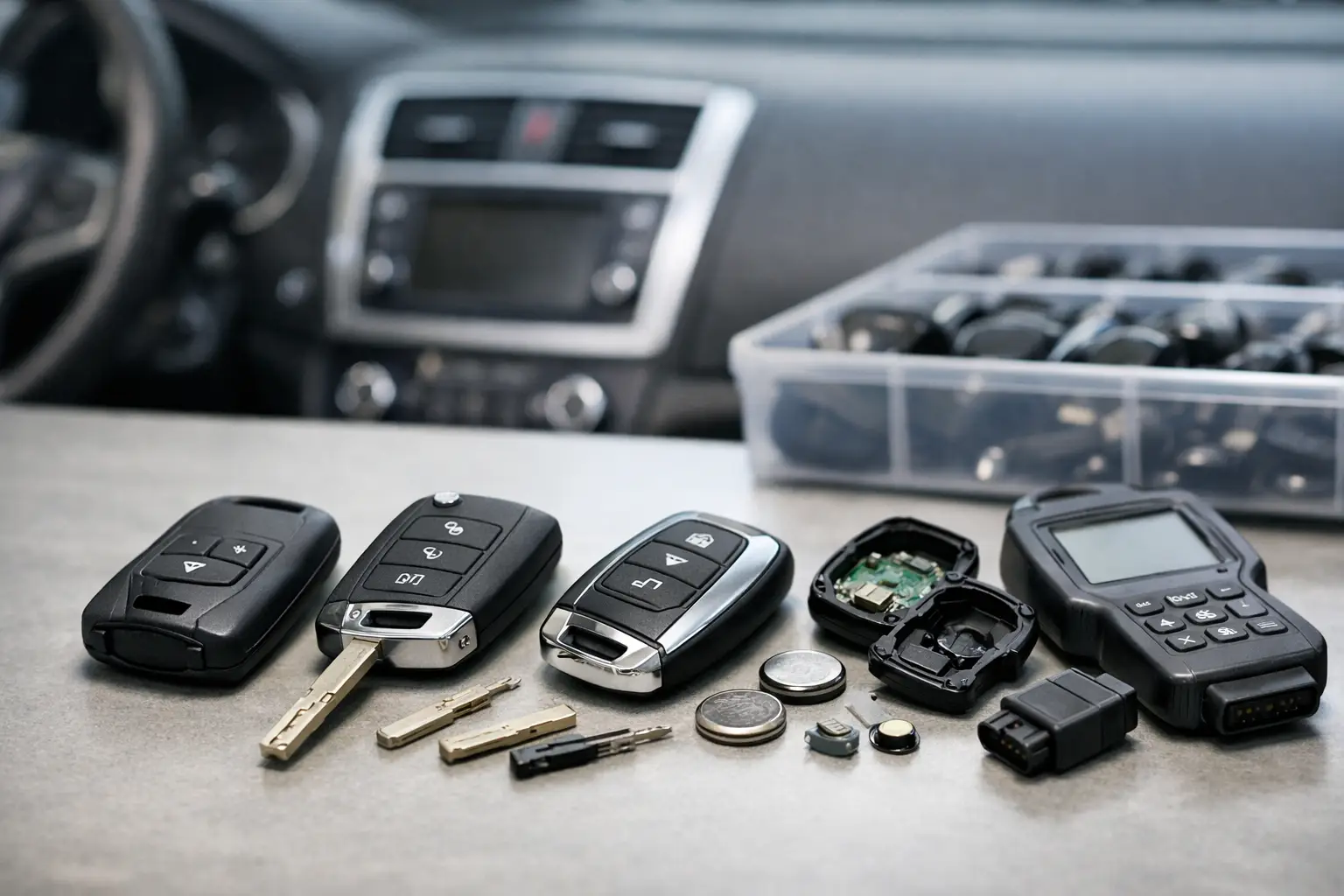
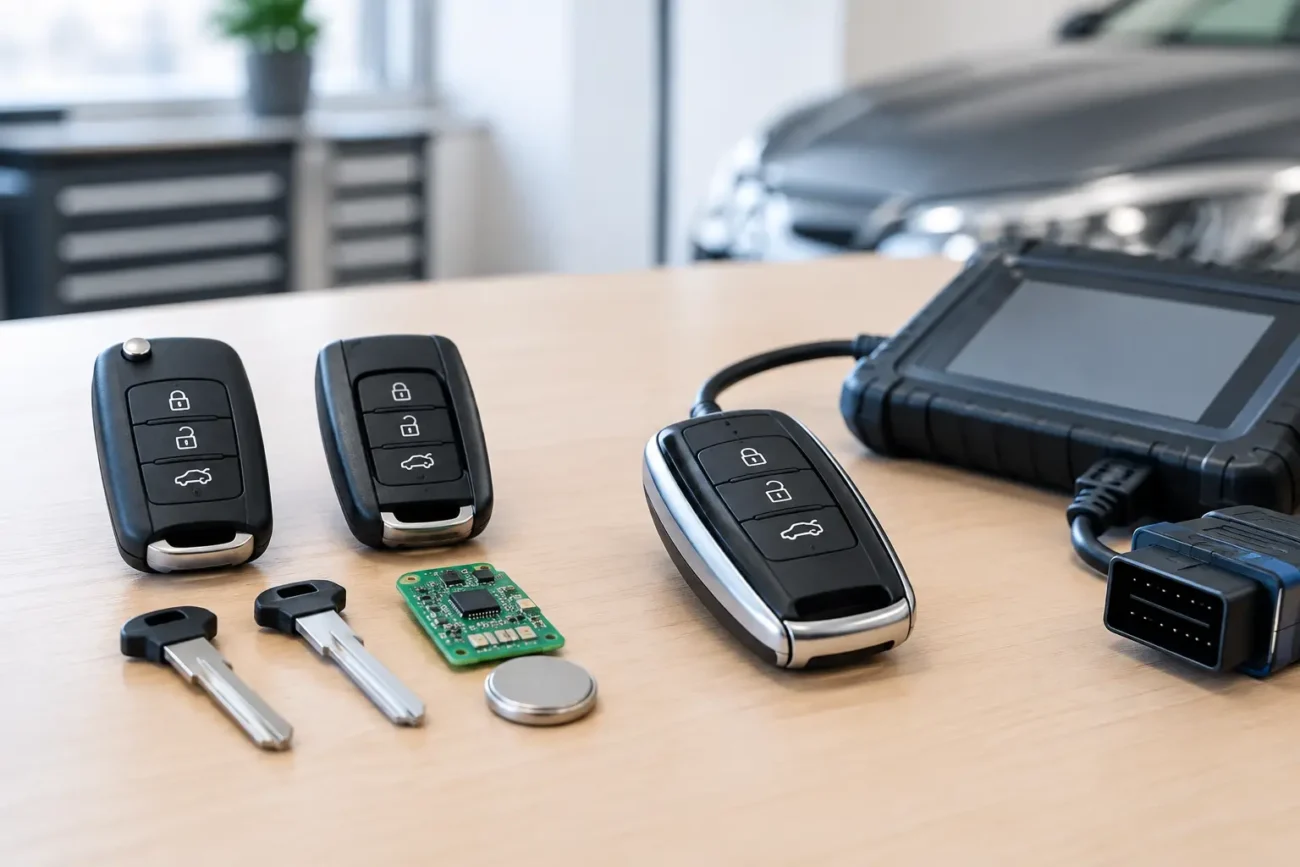
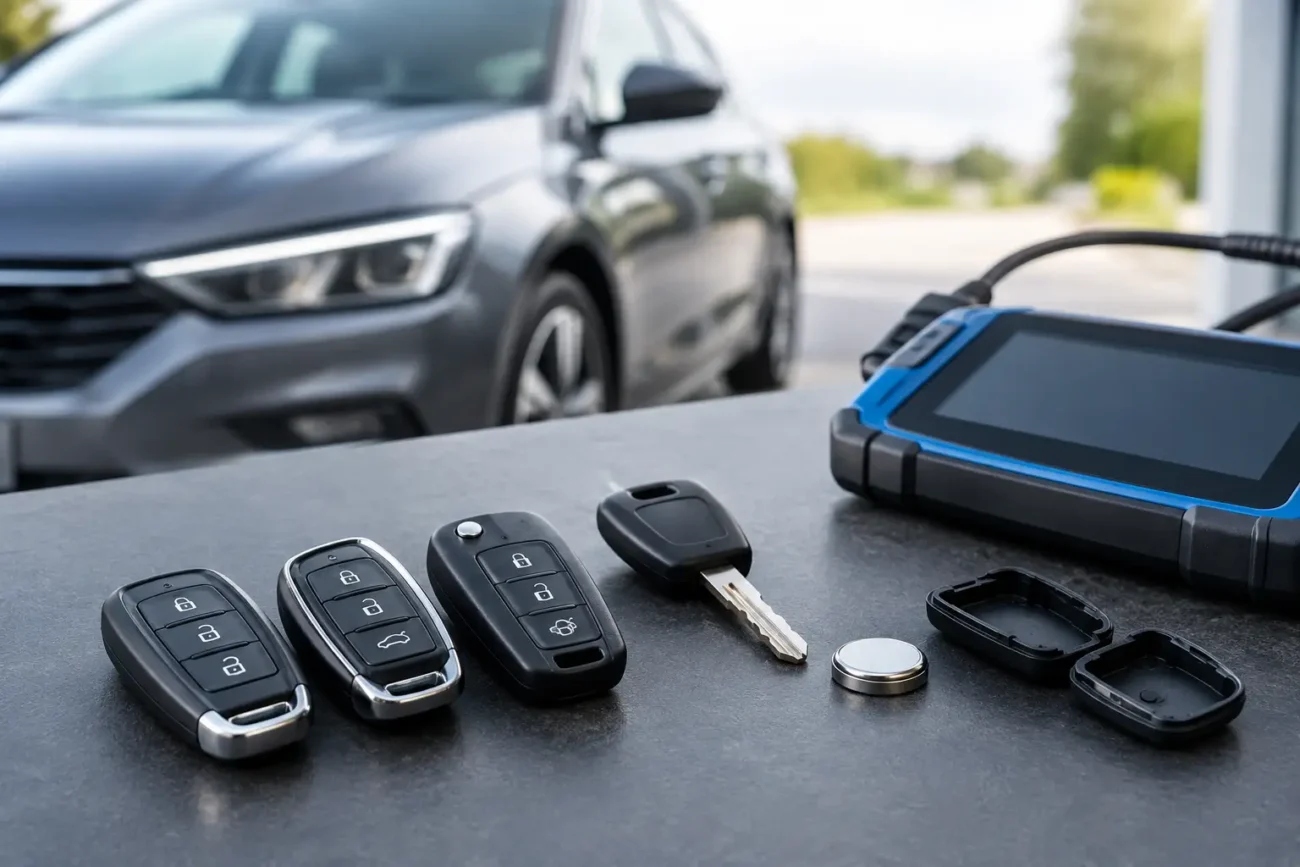
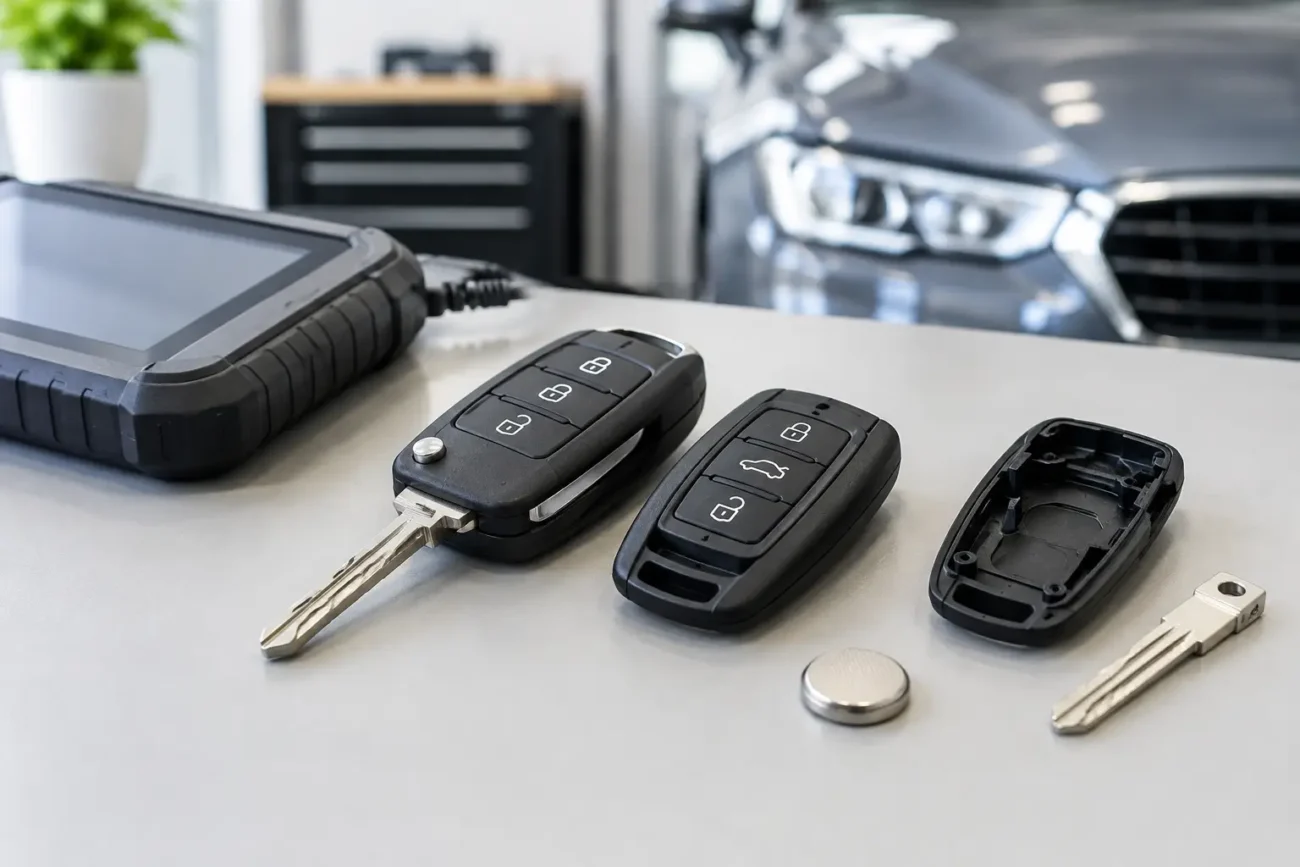
Car keys are not one single part. A traditional remote key may include a plastic shell, button pad, circuit board, transponder chip, battery and metal blade. A proximity or smart key may contain an electronic board, emergency blade, battery tray and a case designed for a specific vehicle system. Ordering the wrong section of the key is one of the most common and avoidable mistakes.
If the key starts the car and operates the locks but the casing is broken, a replacement shell may be all that is needed. The existing electronics and transponder can often be transferred into the new housing, provided the shell matches the button layout and blade arrangement. This is generally the most cost-effective repair for worn buttons, split cases and damaged key rings.
If the remote functions intermittently, begin with the battery and inspect the button contacts and circuit board for damage or corrosion. A new battery is a straightforward maintenance item; a replacement button pad can help where the rubber has deteriorated. But if the board is damaged, lost or no longer communicates with the vehicle, you may need a compatible replacement remote, smart key or complete key solution that requires programming.
For professionals, the diagnosis should include whether the job needs a shell, an aftermarket remote, an OEM-board remote, an emergency blade or a programmable universal key. Buying a complete key when the original board is serviceable adds unnecessary cost. Equally, fitting a shell will not solve an electronic fault.
How to order car key parts accurately
Compatibility is more detailed than vehicle make and year. Many models use several key versions across a production run, and keys that look nearly identical can use different frequencies, chips, blade profiles or internal board layouts. Treat photographs as a useful cross-check, not the only basis for a purchase.
Before placing an order, compare the component against the original key and confirm the available product fitment information. The most useful details are:
- The vehicle make, model, registration year and, where available, exact variant.
- The original key part number, normally printed on the case, label or circuit board.
- The number and position of buttons, including boot-release, panic or sliding-door functions.
- The key blade type and whether it is fixed, flip-out, detachable or an emergency blade.
- The remote frequency, transponder chip type and board reference where these apply.
A part number is usually the strongest starting point because it identifies the key design more precisely than appearance alone. For example, a three-button Ford-style flip key and a three-button Peugeot-style remote may appear broadly similar, but their electronics, blade and programming requirements are entirely different. Even within one marque, a change in frequency or transponder specification can prevent a key from working.
If the original key is still available, inspect both sides of the circuit board before ordering a replacement remote. This is particularly valuable on later smart keys, where the external housing reveals very little about the internal specification. Trade customers should record this information on the job file before the old board is removed or discarded.
Choose the part that matches the repair
A replacement key shell is the right choice when the electronics are known to work. It restores the key’s physical condition without altering the vehicle’s existing coding. Check whether the shell is supplied with a blade, and whether that blade is uncut or requires transferring the old blade. Some shells accept a direct blade transfer; others require a new blade to be cut to the vehicle.
A replacement remote fob or smart key is more appropriate when the original electronic unit is missing or faulty, or when a spare key is required. These products may need key programming and, depending on the vehicle, blade cutting before they can be used. Do not assume that inserting a battery or swapping a case will make a new remote ready to start the car.
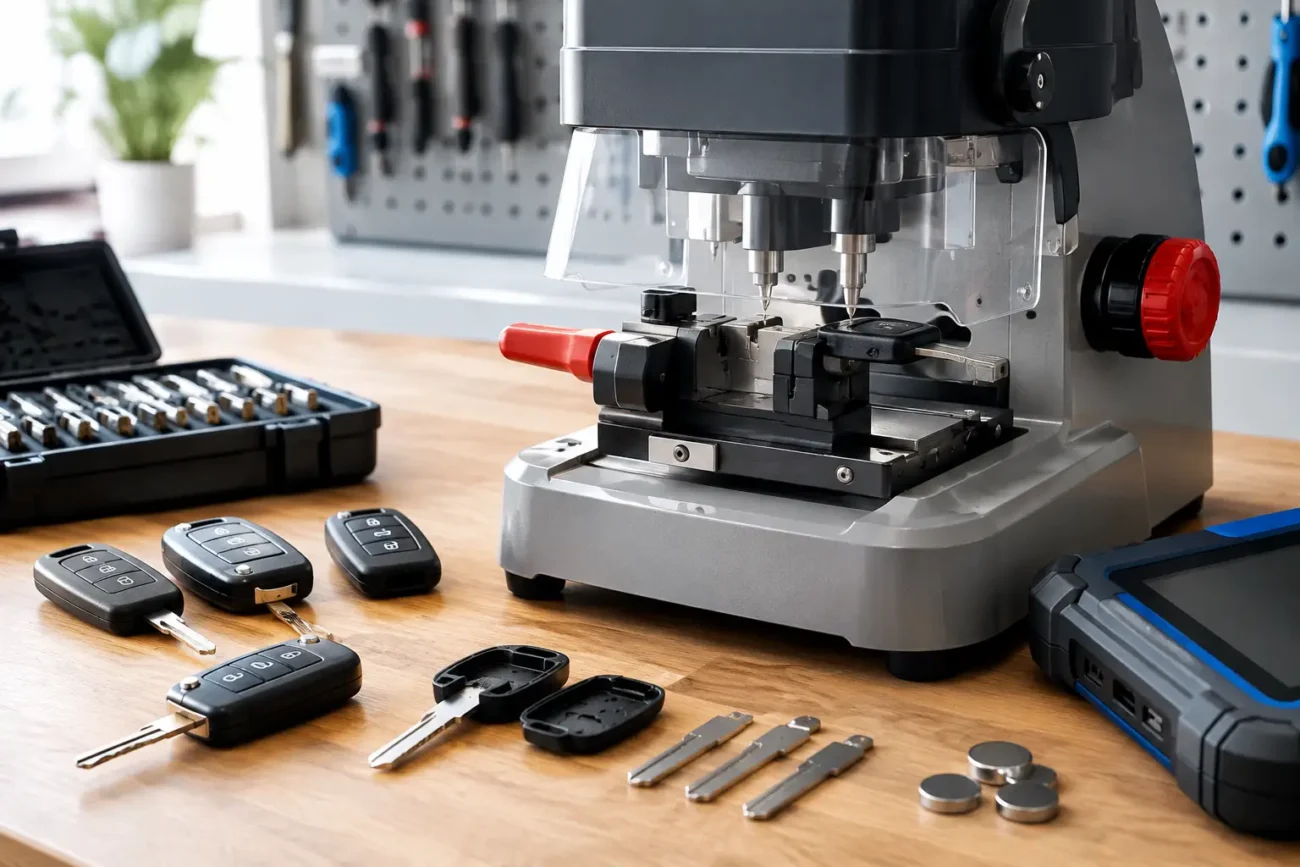
Key blades deserve the same attention as the remote. A blade must match the correct profile, not simply fit inside the shell. Flip blades, HU-style blades, VA-style blades, laser-cut blades and emergency insert blades have different shapes and mounting arrangements. For a replacement shell, compare the hinge, retaining pin position and blade groove as well as the visible blade outline.
For a smart key, check the emergency blade separately. Some proximity keys are supplied without one, while others use a removable insert specific to the vehicle. This matters if the vehicle requires manual entry during a flat key battery or other access issue.
Understand programming before you buy
A physical key component and a working vehicle key are not always the same thing. Many modern vehicles require electronic programming for remote locking, immobiliser recognition or both. The requirement depends on the vehicle, the key type and whether you are retaining the original electronics.
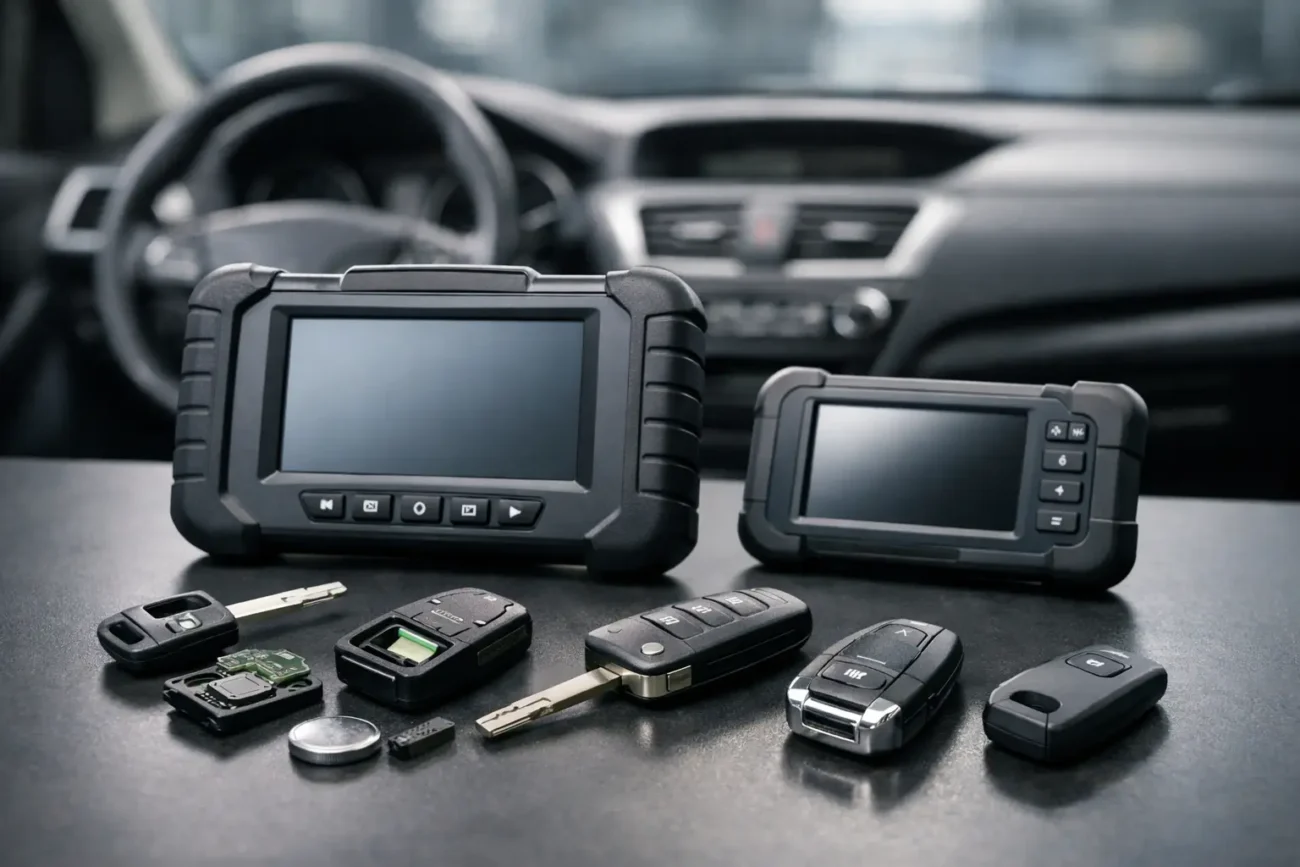
A shell replacement using the existing remote board and transponder will not normally create a new programming requirement. By contrast, a new remote, smart key, transponder chip or universal programmable key will commonly need suitable programming equipment and the correct procedure for that specific vehicle. Professional buyers should also confirm whether the key is supplied blank, pre-coded, reusable or ready for an approved programming workflow.
Vehicle owners without the necessary equipment should arrange programming with a suitably qualified automotive locksmith, garage or key professional. This is safer than making assumptions about a vehicle security system and helps ensure the finished key is tested properly for starting, locking and any additional functions. Keep proof of vehicle ownership available where it is requested.
Avoid the expensive ordering mistakes
The fastest way to delay a key repair is to order based only on the car’s registration plate or a similar-looking image. Registration details can narrow the search, but they may not identify a mid-year key change, an optional feature or a previous replacement key fitted by an earlier owner.
Another common issue is overlooking small differences in button layout. A two-button and three-button casing might share the same overall shape, yet the internal locating points can differ. The circuit board may not sit correctly, the buttons may not press the switches, or the spare function may be unusable. Check the rear case profile and battery location as well as the front.
Battery type also matters. Use the reference printed on the existing battery or product specification, and fit it in the correct orientation. If a remote remains unresponsive after a battery change, do not immediately assume the battery is at fault. A damaged contact, failed microswitch or board fault may be the actual cause.
For trade work, avoid mixing old and new components without documenting the original specification. Photographing the board reference, blade and case before dismantling is a simple habit that protects against uncertainty later in the job. It also makes repeat ordering easier for fleet customers and returning vehicles.
Buy with a clear compatibility checklist
When browsing car key parts, use the product title and technical details together. A suitable listing should give clear fitment guidance and, where relevant, identifiers such as frequency, number of buttons, chip type, blade type or board number. If any of these do not match the original, pause before ordering.
Global Keys Direct stocks a broad range of replacement shells, remote fobs, key blades, smart keys, batteries and programming equipment for popular vehicle makes. That breadth is useful when a repair needs more than one item, but accuracy still comes first: check the listing details against the key in hand rather than relying on a general model match.
For retail buyers, it can be sensible to retain the old key until the replacement part has arrived and been checked. For garages and locksmiths, keep the original parts together with the vehicle record until the completed key has been fully tested. A key repair is only finished when the case fits securely, the blade operates correctly and every required vehicle function has been verified.
The right order starts with careful identification, not guesswork. Take a few extra minutes to check the part number, button pattern, blade and electronics, and you will be far more likely to receive the component that gets the vehicle key back in dependable working order.
Add a review
Your email address will not be published. Required fields are marked *