
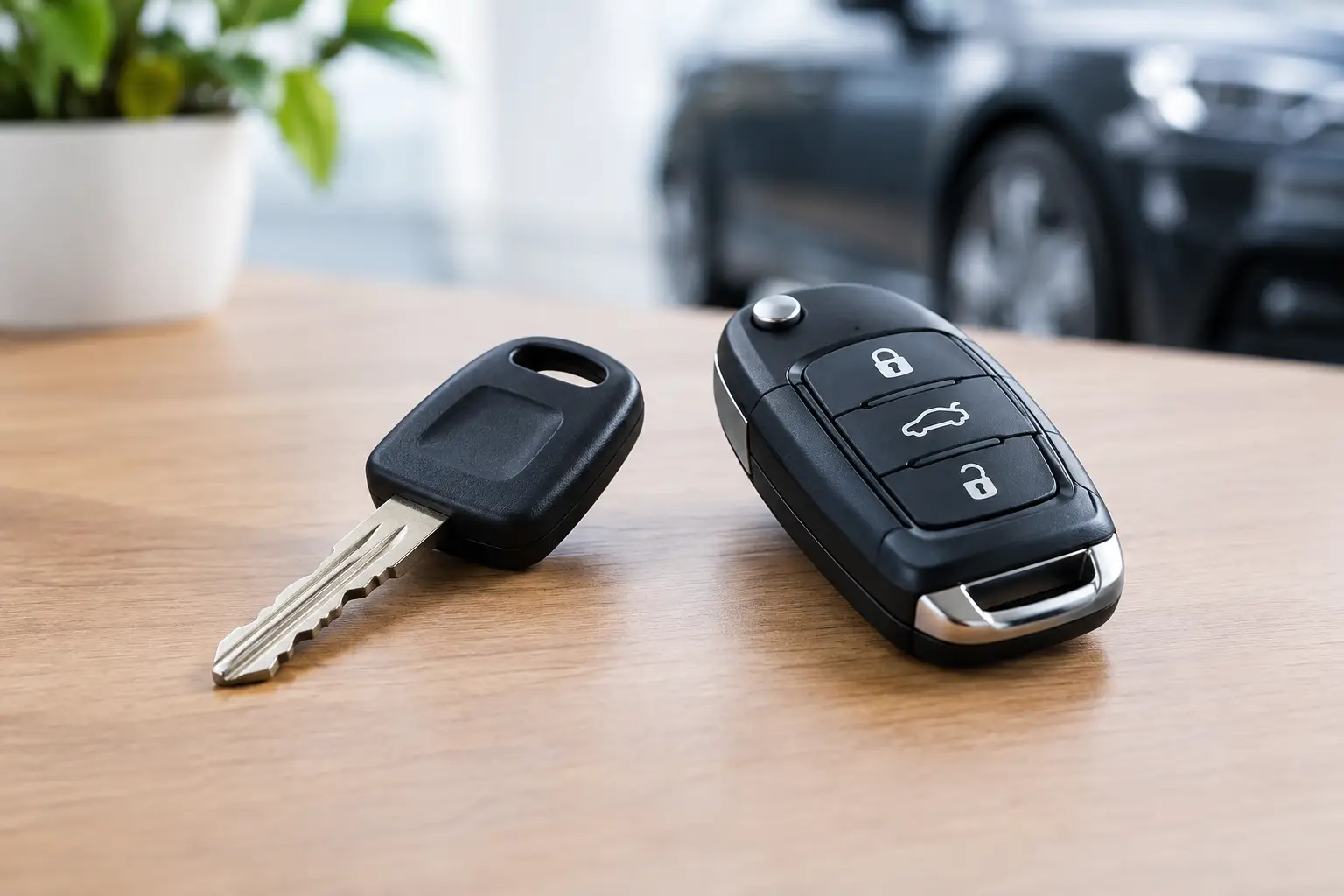
Manual Key Versus Proximity Key Compared
A manual key versus proximity key decision often starts when a spare is needed, a remote is damaged, or a vehicle arrives at the workshop with an intermittent key fault. The two systems offer very different ownership experiences, replacement requirements and costs. Knowing which type is fitted – and exactly what is inside it – prevents expensive ordering mistakes and unnecessary delays.
For drivers, the right answer usually comes down to convenience, budget and how the vehicle is used. For locksmiths, garages and key programmers, it also comes down to frequency, transponder specification, blade profile, PCB layout and available programming coverage.
What counts as a manual key?
A manual key is normally a key that is physically inserted into the driver’s door or ignition to gain access or start the vehicle. At its simplest, it is a mechanical blade with cuts that match the lock. Older vehicles may use this arrangement without electronics.
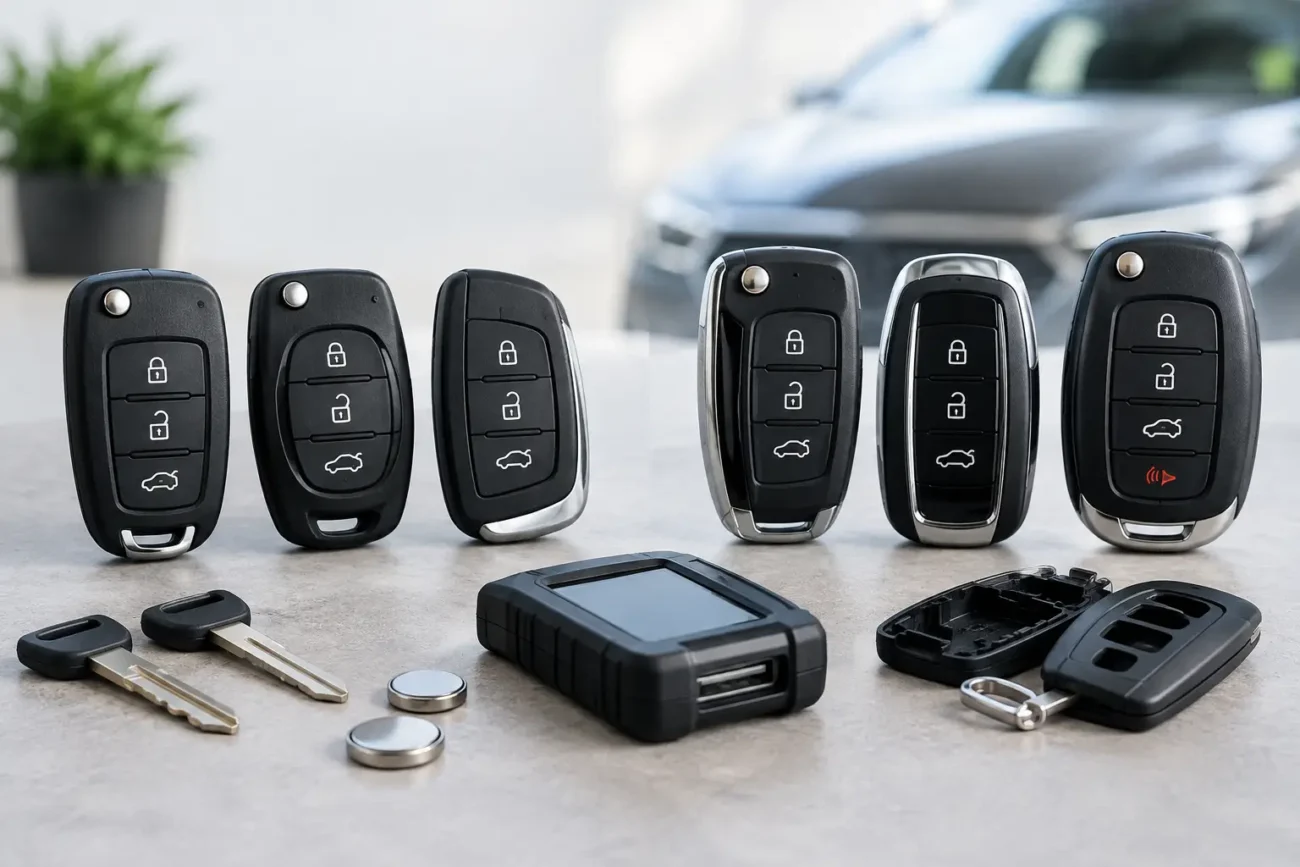
However, many keys described as manual are not entirely mechanical. A conventional vehicle key can contain a transponder chip that communicates with the immobiliser when the key is in the ignition. It may also have remote buttons for locking and unlocking. In that case, the blade turns the ignition, but the electronic chip is still essential for starting the engine.
This distinction matters when ordering a replacement. A blade-only key, a transponder key and a remote key with an integrated blade may look similar at a glance, yet they require different work before they are usable. Cutting a blade does not automatically programme an immobiliser chip, and fitting a new shell does not create a working remote if the original electronics are missing or faulty.
How a proximity key works
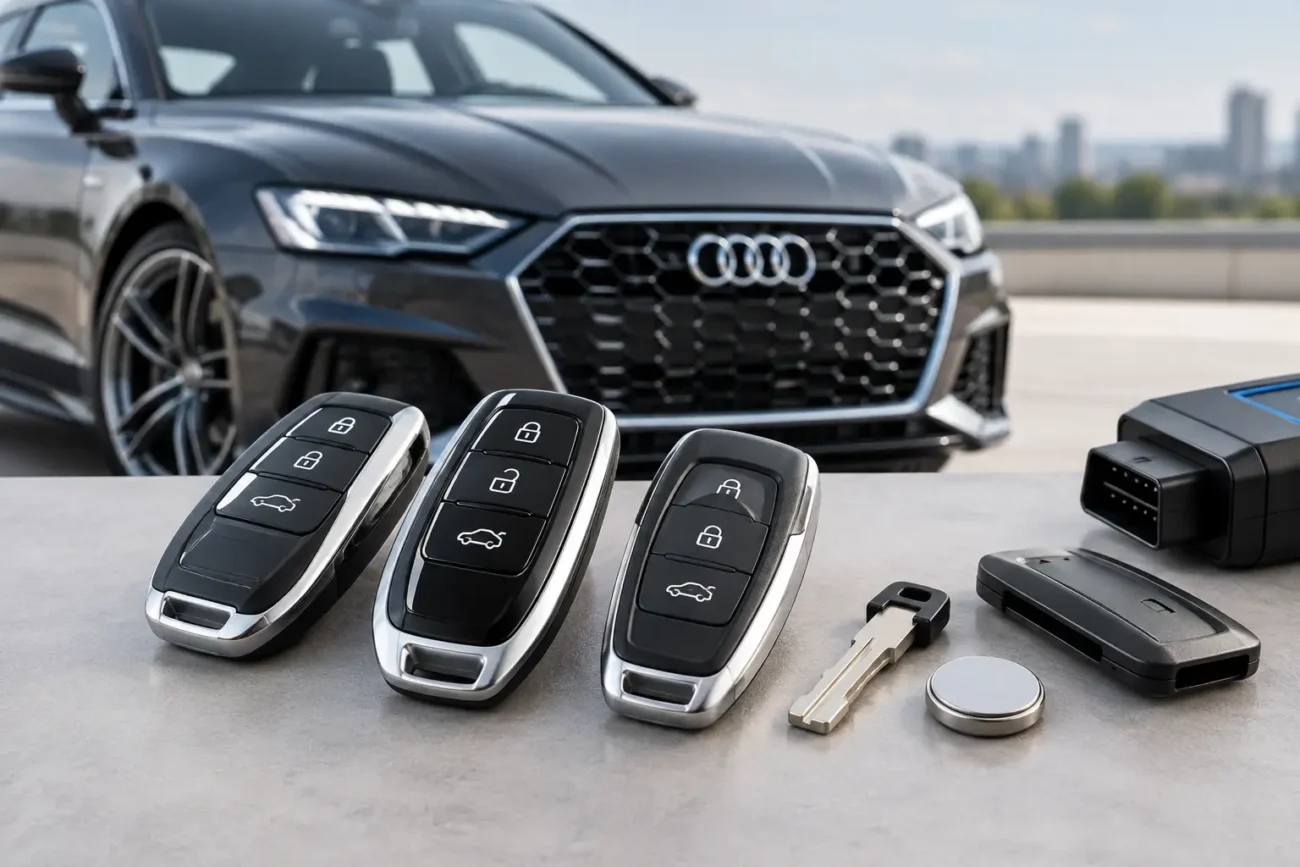
A proximity key, often called a smart key, is designed for keyless entry and keyless start vehicles. When the fob is within the vehicle’s recognised range, the car can detect its presence. The driver can usually unlock the doors by touching the handle or pressing a request button, then start the engine using a start/stop button.
Most proximity keys still include an emergency blade. This may be stored inside the fob or supplied separately, allowing access if the fob battery is flat or the vehicle’s 12V battery has failed. It is a backup feature, not a sign that the car is a conventional ignition-key vehicle.
A smart key combines several elements: a remote transmitter, an immobiliser transponder, proximity electronics, a battery and a specific casing or PCB design. The correct frequency, button arrangement, keyless system type and model-year fitment all matter. Two fobs that look nearly identical can be electronically incompatible.
Manual key versus proximity key: the everyday difference
The clearest advantage of a proximity key is convenience. With the key in a pocket or bag, the driver can often enter and start the car without handling the fob. This is particularly useful for frequent short journeys, parents carrying shopping or children, and fleet drivers making repeated stops.
A manual key is more direct. Insert it, turn it and drive. There is less reliance on proximity detection, and a straightforward mechanical key has fewer electronic components that can be affected by a depleted fob battery, damaged buttons or moisture. For some owners, that simplicity is a genuine benefit rather than a compromise.
That said, convenience should not be confused with reliability in every scenario. Modern smart key systems are generally dependable, but diagnosis can be more involved when a fault occurs. A no-start issue may relate to the key, the vehicle battery, antennas, module communication or programming status. With a basic mechanical key, the possible causes are often narrower, although an immobiliser-equipped transponder key still requires proper assessment.
Cost and replacement considerations
A conventional manual key is often the more economical route where the vehicle does not need remote functions or advanced immobiliser programming. A replacement blade may only need cutting, while a transponder key may need cutting and programming. The final requirement depends on the vehicle, not merely on the appearance of the key.
Proximity keys usually cost more to replace because the fob contains more technology and must match the vehicle system accurately. In many cases, programming is required before the vehicle will recognise the replacement for keyless entry and starting. The emergency blade may also need cutting separately.
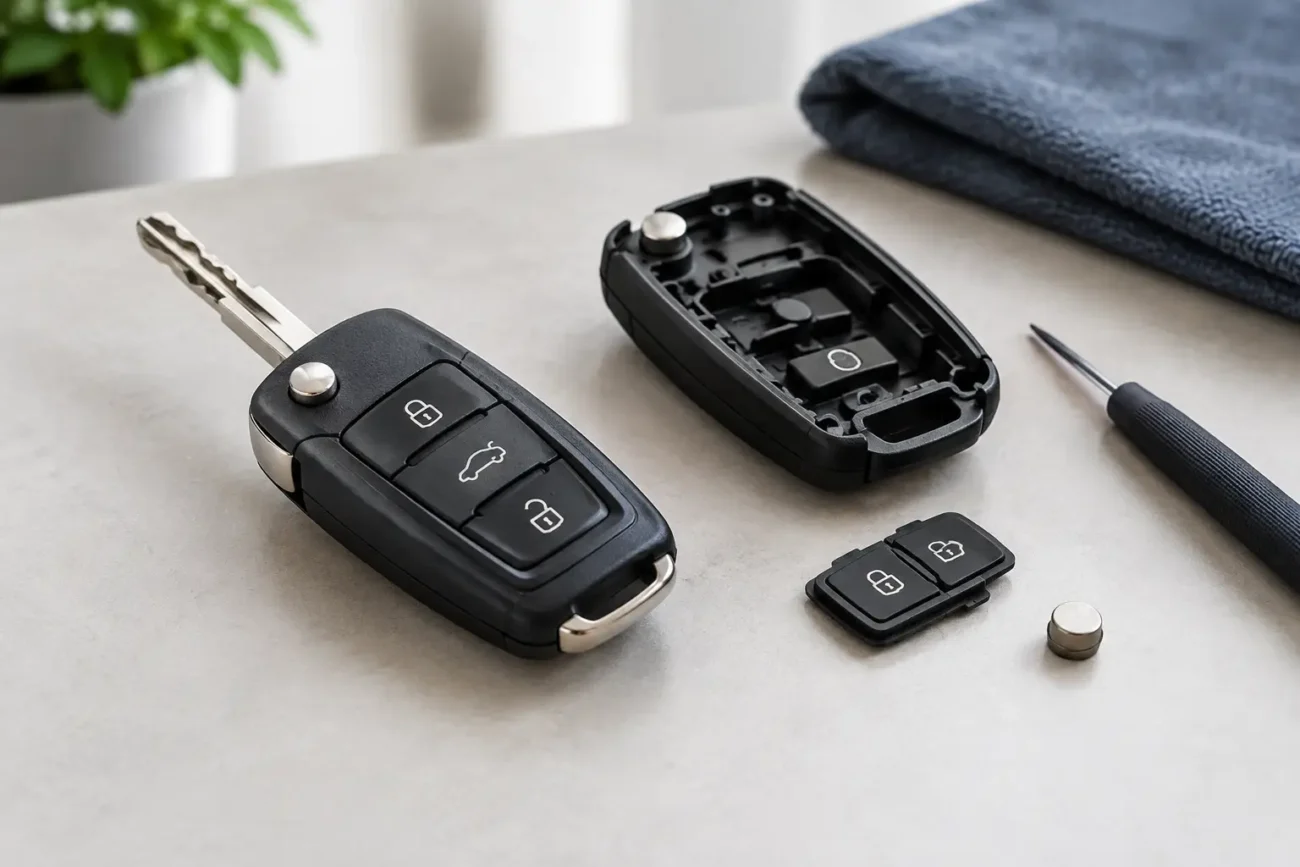
There are cost-effective options when the fault is limited to the outer housing. If the original remote board, chip and battery contacts are in good condition, transferring them into a compatible replacement key shell can restore damaged buttons or a broken casing without programming a new key. This is common with conventional remotes, though smart key shells must be selected carefully to match the internal board, blade style and button configuration.
A worn or broken blade is another separate issue. The fob may be fully operational while the key blade needs replacement or repair. Checking whether the blade is removable, flip-out, fixed or emergency-style helps identify the correct part.
Security and sensible ownership
Both key types are designed to work with the vehicle’s security system, and neither should be treated casually. A mechanical key may be simpler, but modern transponder versions still rely on a coded immobiliser response. A proximity key adds keyless convenience, but owners should keep it secure, avoid leaving it close to external doors when possible and act promptly if it is lost.
Having a working spare is one of the most practical security measures available. It reduces the pressure of an emergency replacement and can make key programming more straightforward on some vehicle systems. For businesses operating vans or customer vehicles, labelled and controlled key storage is equally valuable.
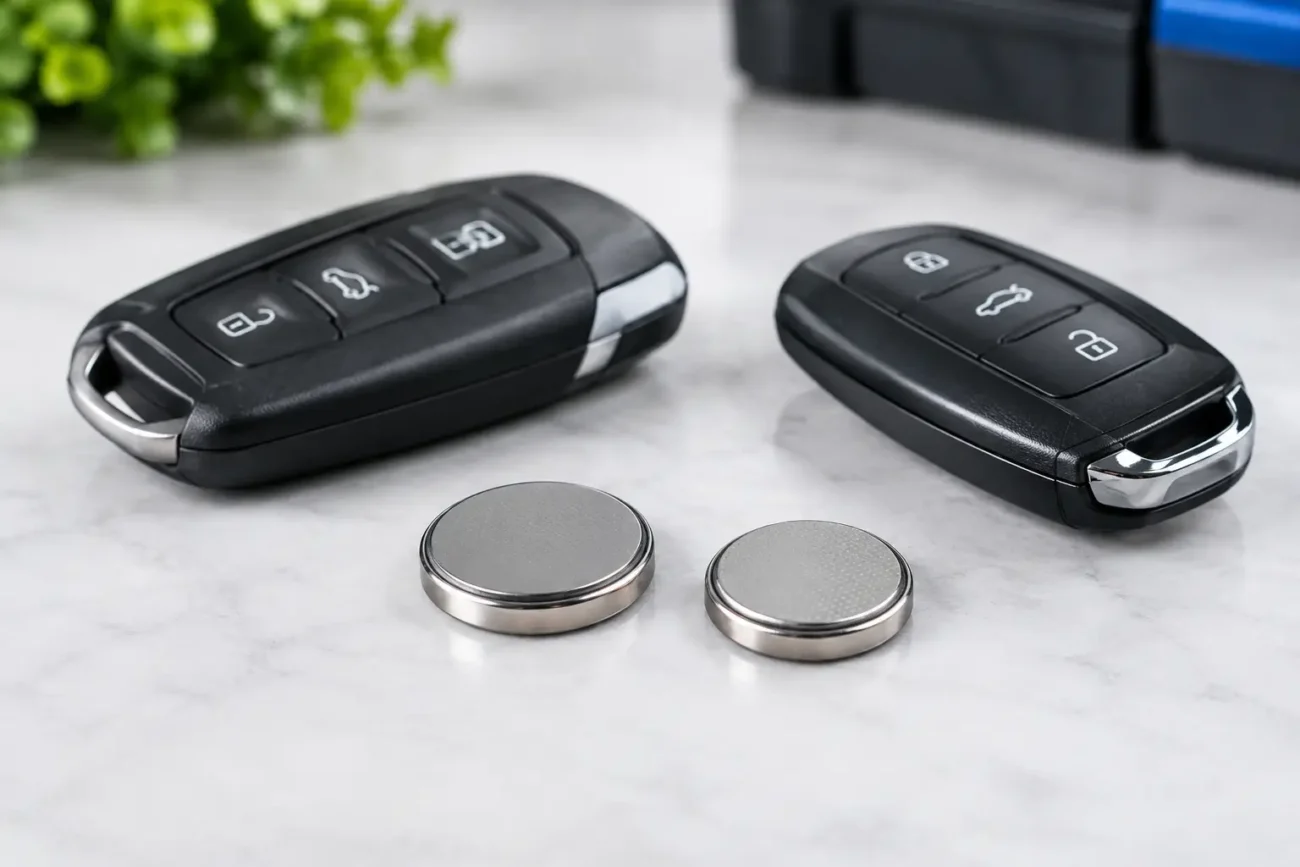
If a proximity fob begins showing reduced range, inconsistent locking or dashboard warnings, replace the battery with the correct type and check for casing damage before assuming the whole key has failed. A fresh battery will not resolve a programming fault, but it can eliminate a common and inexpensive cause of intermittent operation.
What to check before ordering a replacement
Correct identification is more valuable than choosing the cheapest fob that looks similar. Vehicle registration details can help narrow the search, but they are not always enough because manufacturers can use different key versions across the same model range.
Check the original key carefully. Note the number of buttons, button symbols, frequency marking where present, blade profile, keyless or ignition operation, transponder type and any part number printed on the case or internal circuit board. For a proximity key, also compare the emergency blade and the layout of the PCB before purchasing a shell or replacement remote.
Trade customers should confirm whether the selected key is suitable for the intended programming process and diagnostic equipment. A compatible-looking aftermarket remote is not automatically appropriate for every workflow. Product fitment information, supported chip type and vehicle-specific programming requirements should be reviewed before the job is booked in.
Global Keys Direct stocks replacement key products across a wide range of marques, from basic key blades and remote shells to smart keys and professional programming equipment. The most efficient order is the one based on verified specifications rather than visual similarity alone.
Which key type is right for you?
If you are choosing between vehicles, a proximity key suits drivers who value quick access and push-button starting. It is a familiar feature on many newer vehicles and can make everyday use noticeably easier. The trade-off is a more complex replacement path if the fob is lost, damaged or no longer recognised.
A manual key suits owners who prefer a simpler setup, especially on older or work-focused vehicles. It can be less costly to replace, though an immobiliser transponder may still mean programming is required. Do not assume that a physical ignition automatically means a key can be copied as a blade-only item.
Before ordering, place the original key beside the product details and compare every practical identifier. That short check can turn a frustrating key problem into a quick, properly matched replacement.
Add a review
Your email address will not be published. Required fields are marked *