
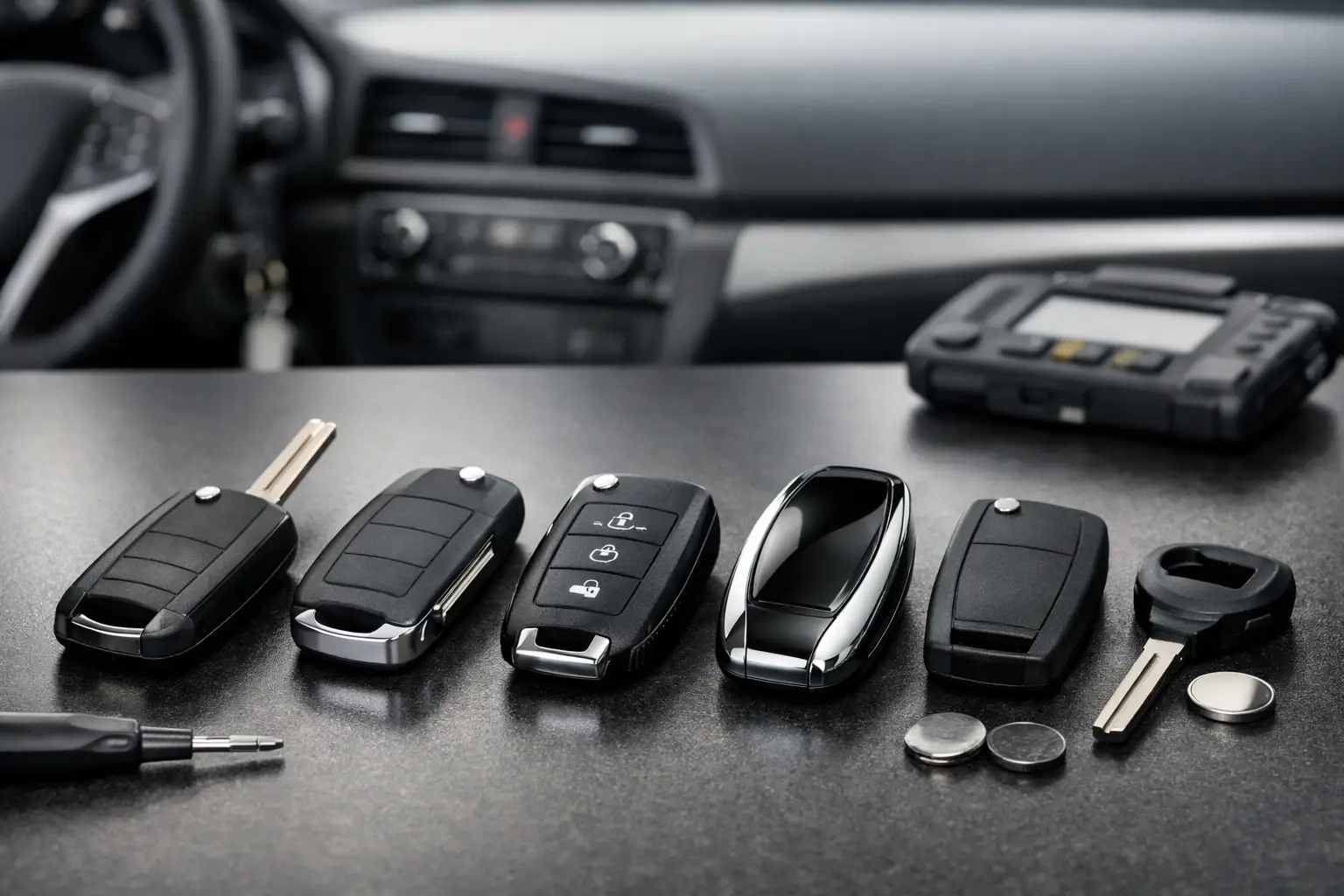
7 Best Car Key Shell Options to Consider
A cracked fob case rarely fails at a convenient time. One day the buttons feel soft, the blade pin works loose, or the shell starts splitting around the keyring loop. If you are looking at the best car key shell options, the right choice usually comes down to fitment detail rather than brand hype.
For many drivers and trade buyers, replacing the shell is the quickest and most cost-effective way to bring a damaged key back into daily use. The electronics may still be working perfectly, but the outer housing has taken years of wear from pockets, ignition use, drops on concrete and constant handling. In those cases, a replacement shell can restore button feel, protect the circuit board and improve reliability without replacing the whole remote.
What makes the best car key shell options worth buying?
A good shell does more than look tidy. It needs to hold the PCB securely, align the buttons properly, accept the correct blade or hinge arrangement and close tightly without flex. Poorly matched shells often create new problems, such as sticky buttons, weak battery contact or a blade that does not sit correctly in the case.
Material quality matters as well. Better housings use harder-wearing plastics, more accurate moulding and cleaner button membranes. That is particularly important for flip keys, where the spring mechanism and pivot points take constant stress. A shell that looks similar at a glance can still be wrong internally, which is why checking the original key carefully is essential.
For professional buyers, the best option is usually the one that saves time at the bench. For retail customers, it is the one that restores the key without dealership-level cost. In both cases, compatibility is the deciding factor.
The main types of car key shells
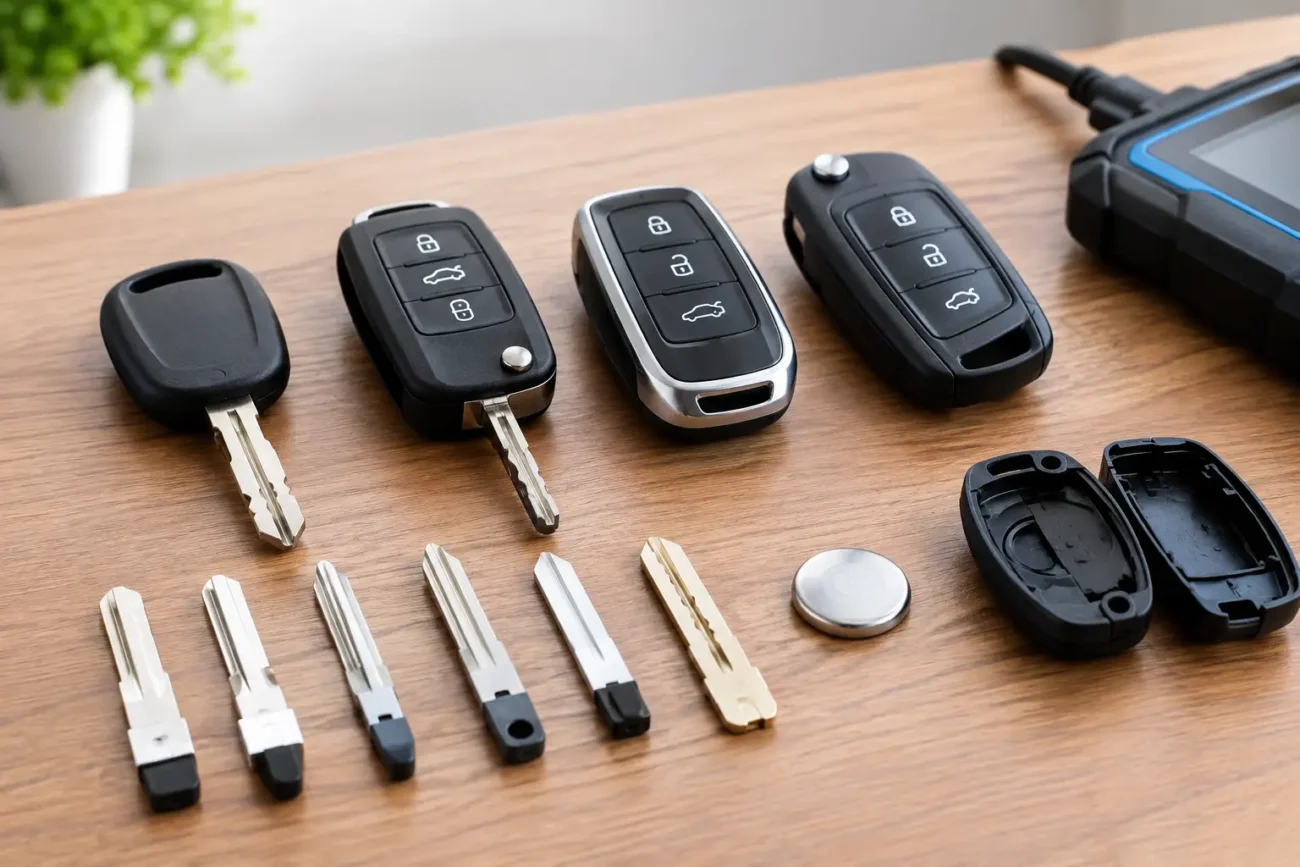
Standard remote key shells
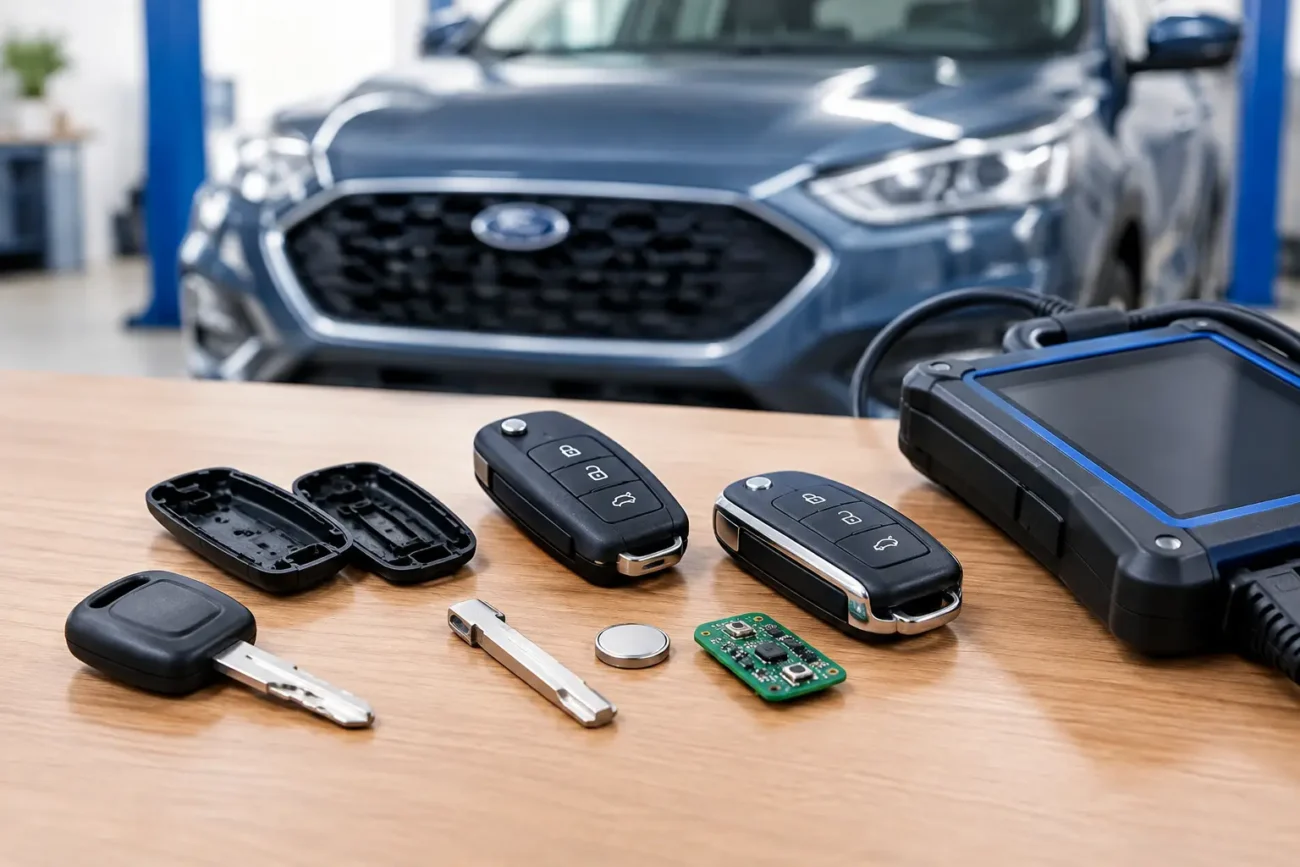
These are common on many Ford, Vauxhall, Peugeot, Hyundai, Kia and Toyota applications, among others. They usually include button pads, battery housing and space for the existing electronics and transponder to be transferred across. If the original remote still locks and unlocks the vehicle, a standard shell swap is often the simplest fix.
The key point here is internal layout. Two shells may share the same number of buttons and a similar shape, but the PCB retention points can differ. Always compare the inside of the case, not just the outside.
Flip key shells
Flip key housings are popular because they combine the remote and folding blade in one compact unit. They are also one of the most commonly damaged styles, especially around the hinge, spring and release button. If the electronics still function, replacing just the shell can make far more sense than replacing the full key.
This style needs extra checks. Blade profile, blade fitting method and spring orientation all matter. Some use a removable blade retained by a pin, while others differ in the way the blade sits in the flip mechanism. If any of those details are wrong, the key may look right but still be unusable.
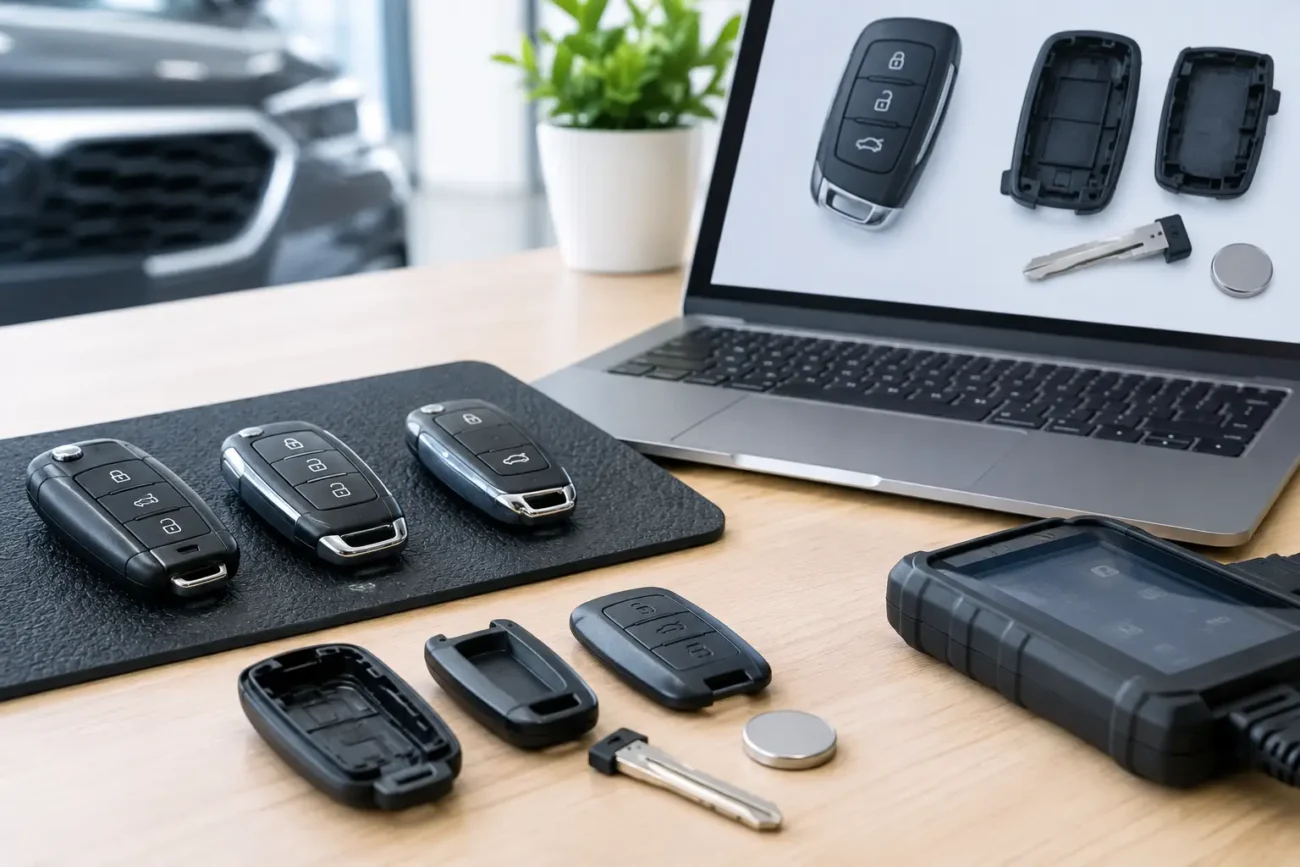
Smart key shells
Smart key and proximity key casings have become more common across BMW, Audi, Mercedes, Land Rover and many newer models. These shells do not use a traditional flip blade as the main operating format, but they still rely on a precise internal fit for the board, battery compartment and emergency key insert.
With smart keys, small differences in shell dimensions can affect how the battery sits and how firmly the board is held. That can lead to intermittent button response or a case that never closes properly. A smart key shell should match the original button count, emergency key style and board layout exactly.
Shells with uncut blades
Many replacement housings are supplied with an uncut blade. This is practical when the old blade is damaged, worn or cannot be transferred over. It also gives trade users flexibility for cutting to suit the job.
That said, an uncut blade is only useful if it is the correct blade type for the vehicle and shell. HU66, VA2, TOY43 and other profiles are not interchangeable, and the method of fitting the blade into the shell is just as important as the blade shape itself.
7 best car key shell options to consider
1. Direct like-for-like replacement shells
These are usually the strongest option when the original electronics are still working. A like-for-like shell aims to mirror the original case layout, button configuration and blade arrangement as closely as possible. For most buyers, this is the safest route because it reduces guesswork.
2. Flip key shell replacements for broken hinges
If the main problem is a snapped hinge or a blade that no longer locks into place, a flip shell replacement is often the practical answer. This suits keys where the remote board is fine but the folding mechanism has failed through wear.
3. Two-button remote shells for older vehicle setups
Many older Ford, Peugeot, Toyota and Vauxhall keys use simple two-button formats. These can be ideal shell replacement candidates because the electronics are often durable even when the casing is heavily worn.
4. Three-button and four-button shells for central locking and boot access
For vehicles with separate boot release or additional remote functions, button layout becomes more critical. A shell with the wrong membrane can make one function awkward or unusable, even if the board technically fits.
5. Smart key casings for push-button start vehicles
These work well when the casing is cracked, the battery door is loose or the outer finish is badly worn. They can restore protection for the internal board and improve everyday handling, provided the emergency key insert and internal structure match.
6. Shells supplied with blade options
These are useful for garages and locksmiths handling mixed vehicle jobs, particularly where the old blade is bent, snapped or missing. The benefit is convenience, but only if the blade profile and mounting style are checked first.
7. Heavy-use aftermarket shells for trade work
Some aftermarket shells are chosen less for cosmetic finish and more for dependable day-to-day use. Trade buyers often prioritise secure fit, consistent moulding and reliable button action over visual details. For customer repairs, that can be the better result.
How to choose the right shell without wasting time
Start with the original key in hand. Count the buttons, compare the case shape and inspect the internal board layout if possible. If it is a flip key, check the blade profile and how the blade is secured. If it is a smart key, confirm the emergency key style and battery arrangement.
Part numbers help if they are visible, but visual comparison still matters. Manufacturers can use very similar housings across different years and trim levels, with small internal changes that affect fitment. For that reason, it is best not to order on vehicle model alone.
Trade buyers will already know this, but it is worth stressing for retail customers: shell compatibility is not just about make and model. You should also check frequency where relevant to the complete remote format, chip type if a transponder is involved, blade type, button layout and any product fitment notes.
Common mistakes when buying replacement shells
One of the most common issues is assuming that any shell with the same logo shape or outer styling will fit. In practice, the inner moulding is what determines whether the board sits securely and whether the buttons actuate correctly.
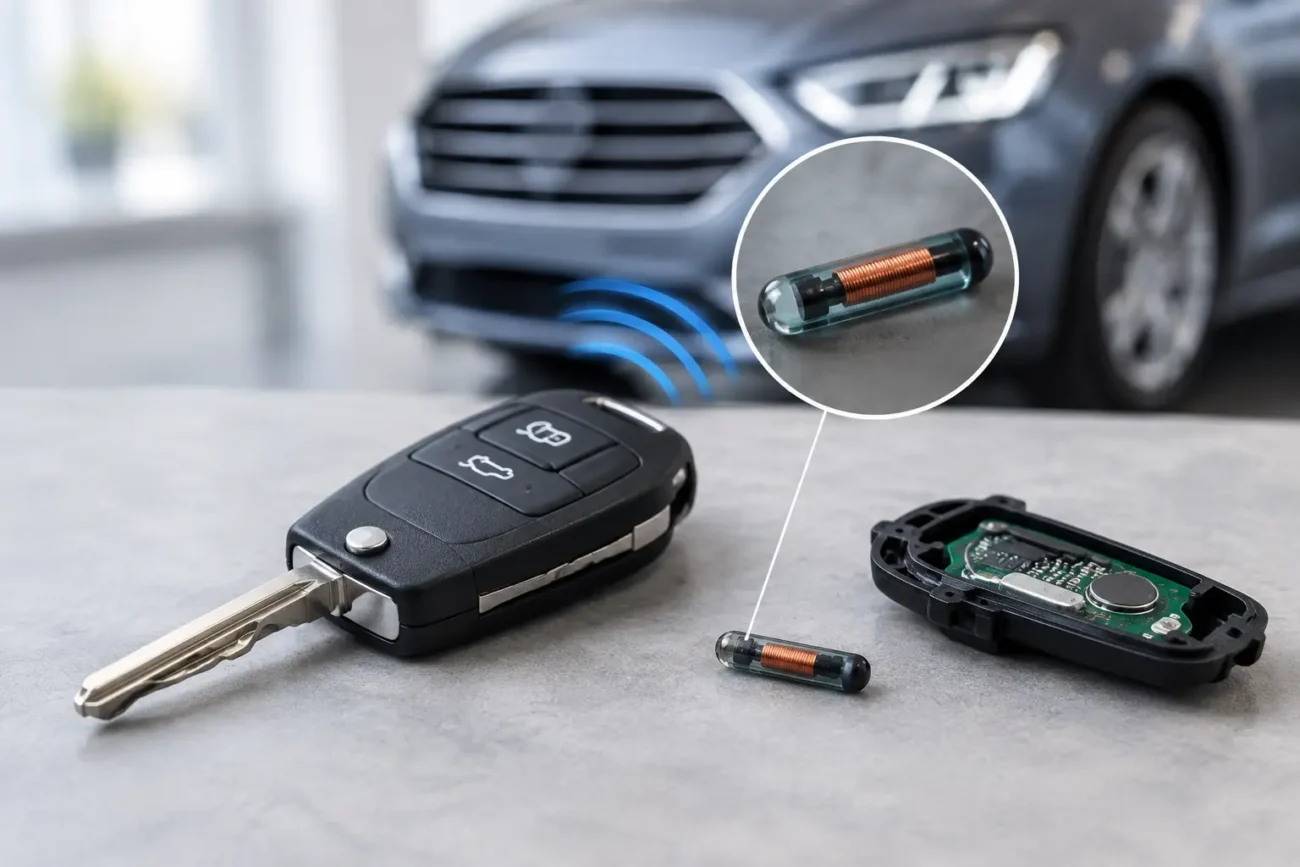
Another mistake is overlooking the transponder. On some keys, the immobiliser chip is separate from the remote board and must be transferred carefully into the new shell. If that chip is missed, the remote buttons may work while the vehicle still will not start.
It is also easy to underestimate wear on the original blade. If the shell swap goes well but the blade itself is badly worn, the key may still feel poor in use. In that situation, a shell with a new uncut blade may be the better route, especially for professional repair work.
Best car key shell options for retail and trade buyers
Retail customers usually want a replacement that is affordable, tidy and straightforward to fit. In that case, a close-match shell with the correct button layout and internal structure is generally the best choice. It restores function without paying for electronics that are not needed.
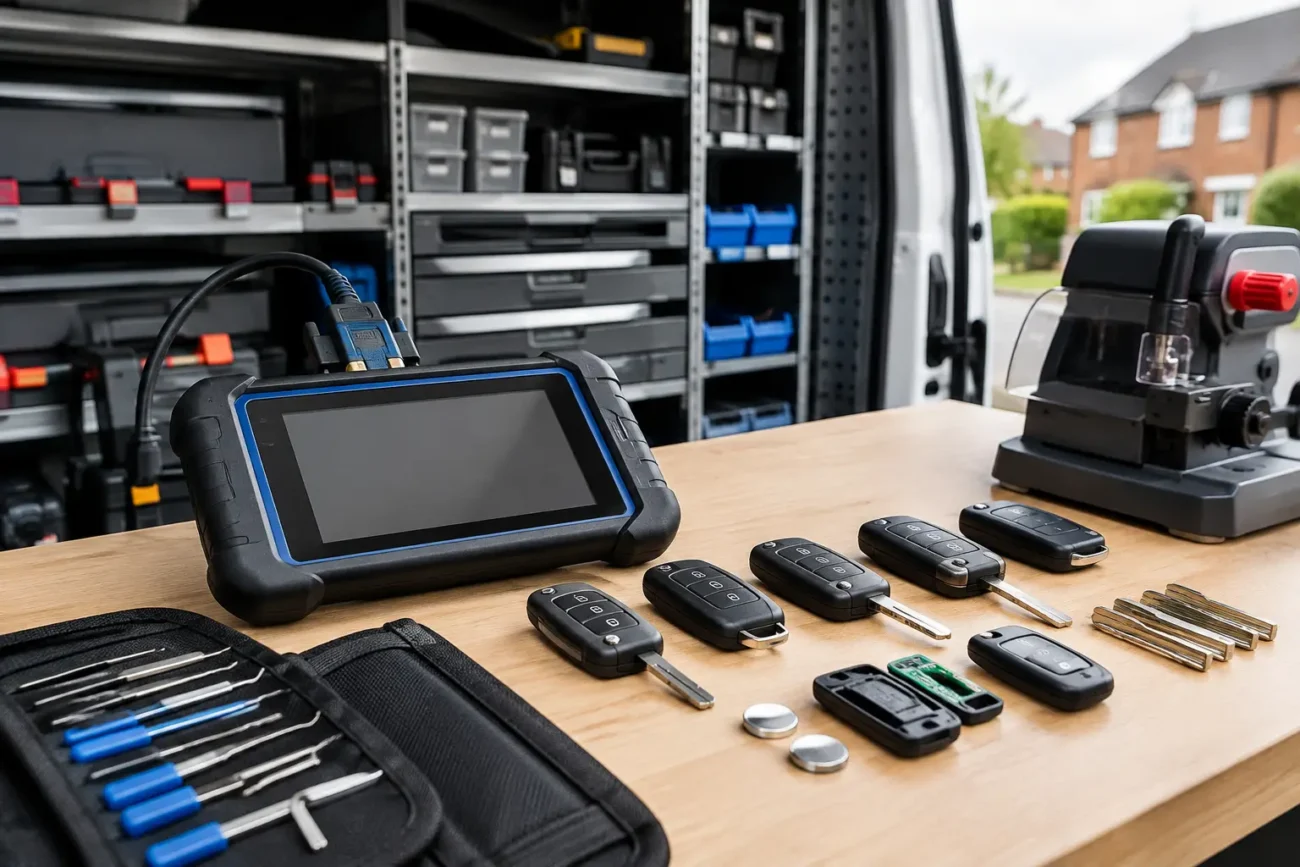
Trade buyers tend to look at consistency, stock range and application coverage. A supplier with broad compatibility across major vehicle makes saves time and reduces job delays. That is why many professionals source shell replacements from specialist automotive key suppliers such as Global Keys Direct, where model-specific options, blades and key-related parts can be checked in one place.
The best result is rarely about choosing the most expensive casing. It is about choosing the shell that matches the original key properly, protects the electronics and holds up to regular use. A careful five-minute compatibility check usually saves far more time than replacing the wrong shell twice.
If your current key still works electronically but the casing is past its best, a well-matched shell is often the smartest fix – simple, cost-effective and much easier to live with every day.
Pingback: How to Test Key Fob Battery Before It Fails - GLOBAL KEYS DIRECT LTD
Pingback: Which Cars Use Proximity Keys? A UK Buyer Guide - GLOBAL KEYS DIRECT LTD
Pingback: Universal Remotes Versus Original Remotes - GLOBAL KEYS DIRECT LTD