
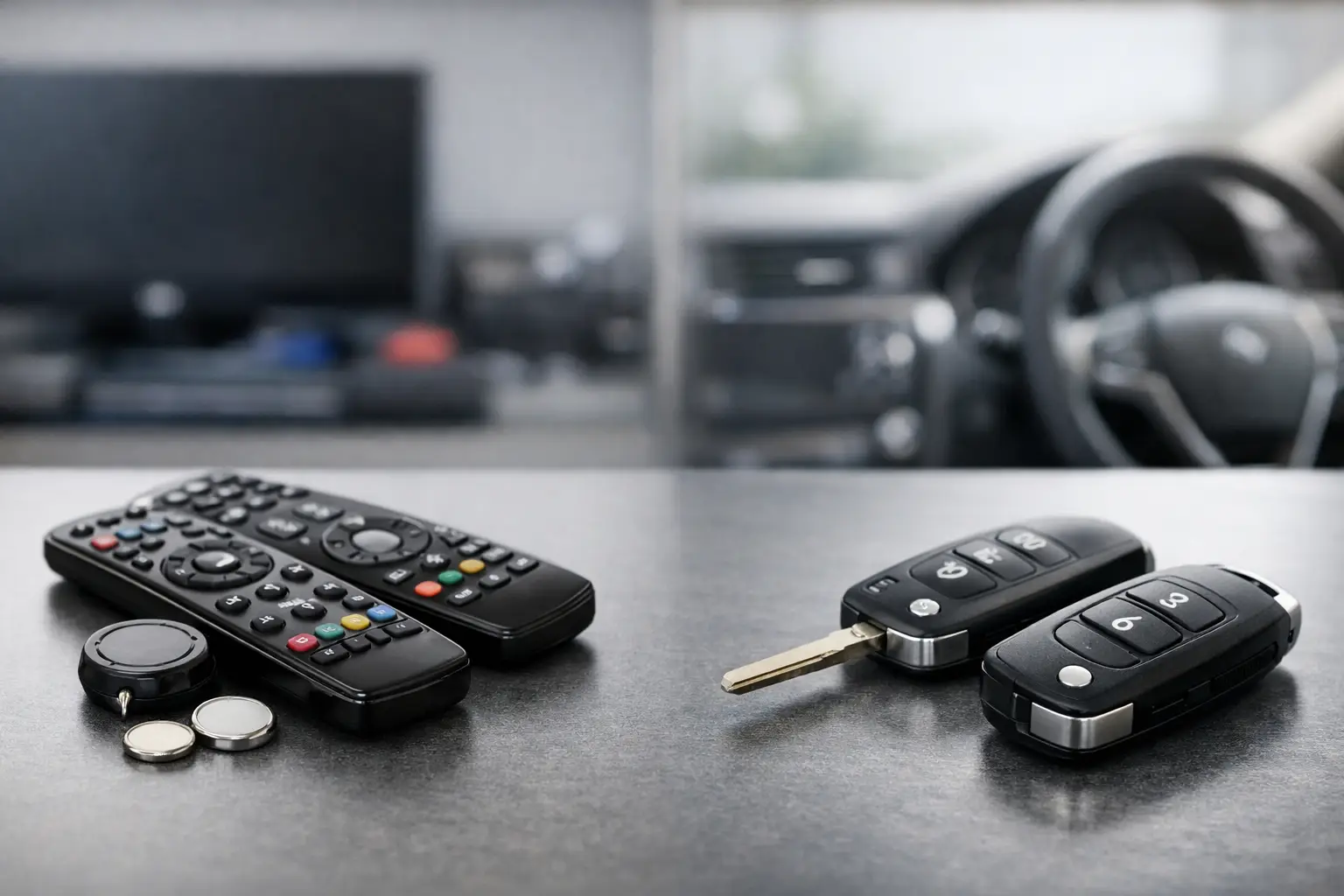
Universal Remotes Versus Original Remotes
A lost, damaged or unreliable car remote creates a simple question with a less simple answer: should you replace it with an original-style unit or a universal remote? In the debate around universal remotes versus original remotes, the best choice depends on the vehicle, the required function and whether the remote needs to operate the immobiliser as well as the central locking.
For a driver, the priority is usually getting back to a dependable spare key without unnecessary dealership cost. For a locksmith, garage or key programmer, the calculation also includes stock flexibility, programming time and the confidence that a remote will suit the job in front of them. Neither option is automatically better. The right one is the one that matches the vehicle’s technical requirements.
What counts as an original remote?
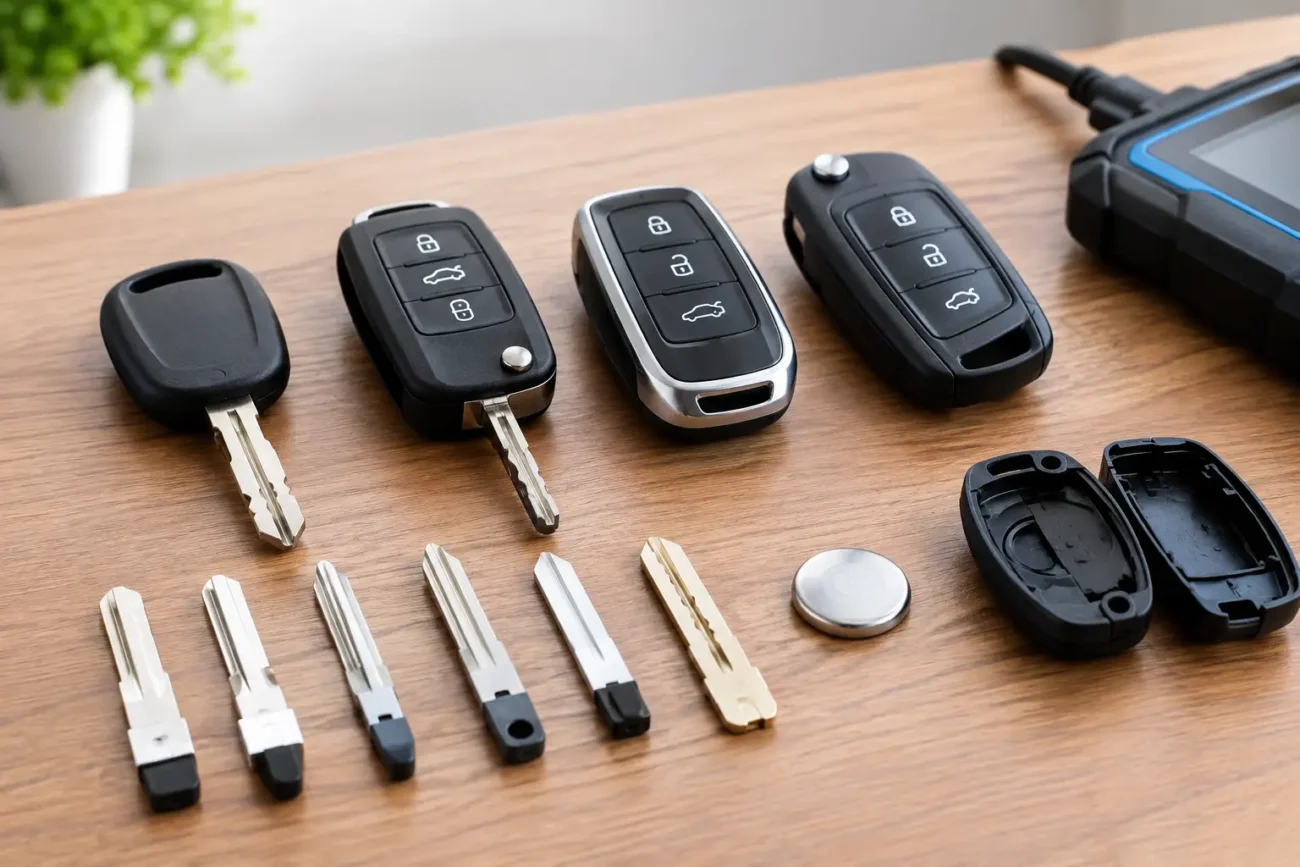
An original remote is generally a replacement designed around a specific vehicle application. It may match the factory key’s case shape, button layout, blade arrangement, frequency and electronic specification. Depending on the product, this can mean an OE-style replacement, an original-board solution, or a model-specific aftermarket remote built to replicate the relevant design and function.
The key point is not the word “original” on its own. Buyers should identify the exact details of the existing key first. That includes the part number where available, frequency, number of buttons, blade type, transponder chip specification and the vehicle’s make, model and year. A similar-looking fob can still be unsuitable if the internal electronics or chip type differ.
Original-style replacements are often the straightforward route when the customer wants the closest possible match to the key already in use. They can be particularly useful where casing fit, button positions and key blade profile matter, or where a vehicle uses a specific smart key design.
What is a universal remote?
A universal remote is a programmable device designed to cover multiple vehicle applications rather than one fixed model. It is not a one-size-fits-all answer for every car. Instead, its electronics can be configured using compatible programming equipment and suitable vehicle data, allowing a professional to prepare the remote for a supported application.
For trade users, this flexibility can reduce the need to hold a separate remote for every make and model. A quality universal solution can be a practical addition to a working stock range, especially for common jobs where speed matters. It can also help when a customer needs a spare promptly and a model-specific remote is not immediately to hand.
However, universal remotes have boundaries. Vehicle coverage varies by product and software version, and some applications need a specific remote type or original-board arrangement. The remote may also need a separate blade, shell or transponder solution. Always consult the product fitment information and the capabilities of the programming tool before committing to a job.
Universal remotes versus original remotes: the main differences
The most noticeable difference is flexibility. An original-style remote is usually purchased for a known application. A universal remote is bought for a range of possible applications, then prepared for the vehicle through a supported programming process. This makes universal products especially attractive to professionals managing varied daily work.
Cost can differ too. A universal remote can offer strong value when its coverage is used regularly across several compatible vehicles. For a single vehicle owner buying one replacement, a model-specific remote may be simpler and more economical, particularly if it closely matches the existing key and can be programmed locally.
Appearance is another consideration. Original-style units tend to provide the closest visual and physical match, including the correct number of buttons and familiar housing shape. Universal remotes may use a more generic case design, even when their electronic function is appropriate. For some customers this is irrelevant; for others, especially with a premium vehicle or a smart key, it matters.
Programming requirements should never be overlooked. A remote control function and an immobiliser transponder are not necessarily the same thing. A key may need remote synchronisation, transponder programming, blade cutting, or more than one of these processes before it is ready for use. Some vehicles have procedures that are more demanding than others, and some replacement keys are best handled with professional equipment and verified vehicle data.
When an original-style replacement makes more sense
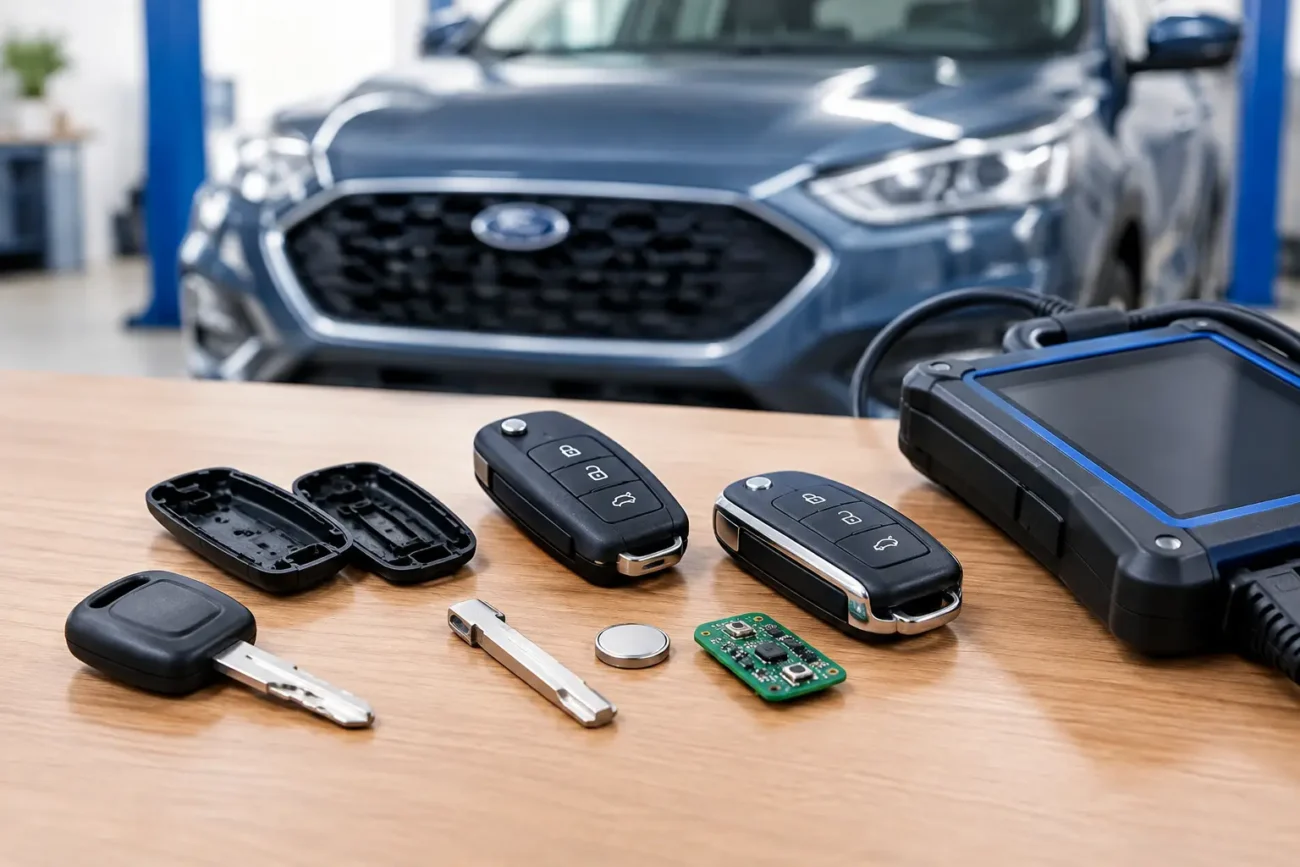
A model-specific replacement is often the sensible choice when the existing key’s details are known and a close match is required. If the customer only needs to replace a cracked shell, worn buttons or a damaged blade, replacing the whole electronic remote may not be necessary at all. A compatible shell and correctly cut blade can restore the key’s everyday usability while retaining the working circuit board and transponder.
Original-style options also suit vehicles with distinctive smart key housings, unusual button configurations or application-specific electronics. Selecting by the precise part number and technical details can reduce uncertainty before programming begins.
For retail buyers, this route is usually easier to understand. Match the existing key carefully, confirm the product description covers the vehicle, and arrange cutting and programming as needed. It is a focused solution rather than a flexible platform.
When a universal remote is the stronger option
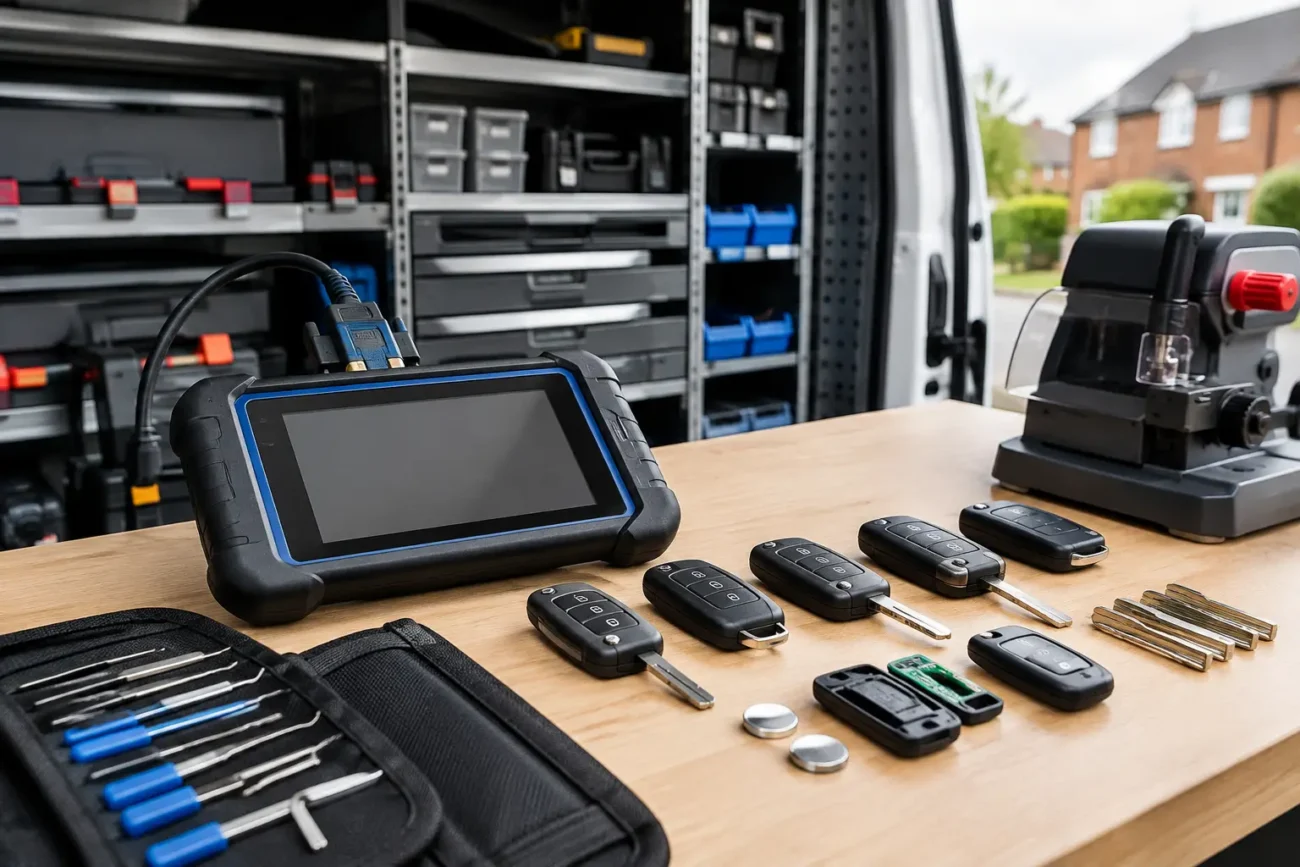
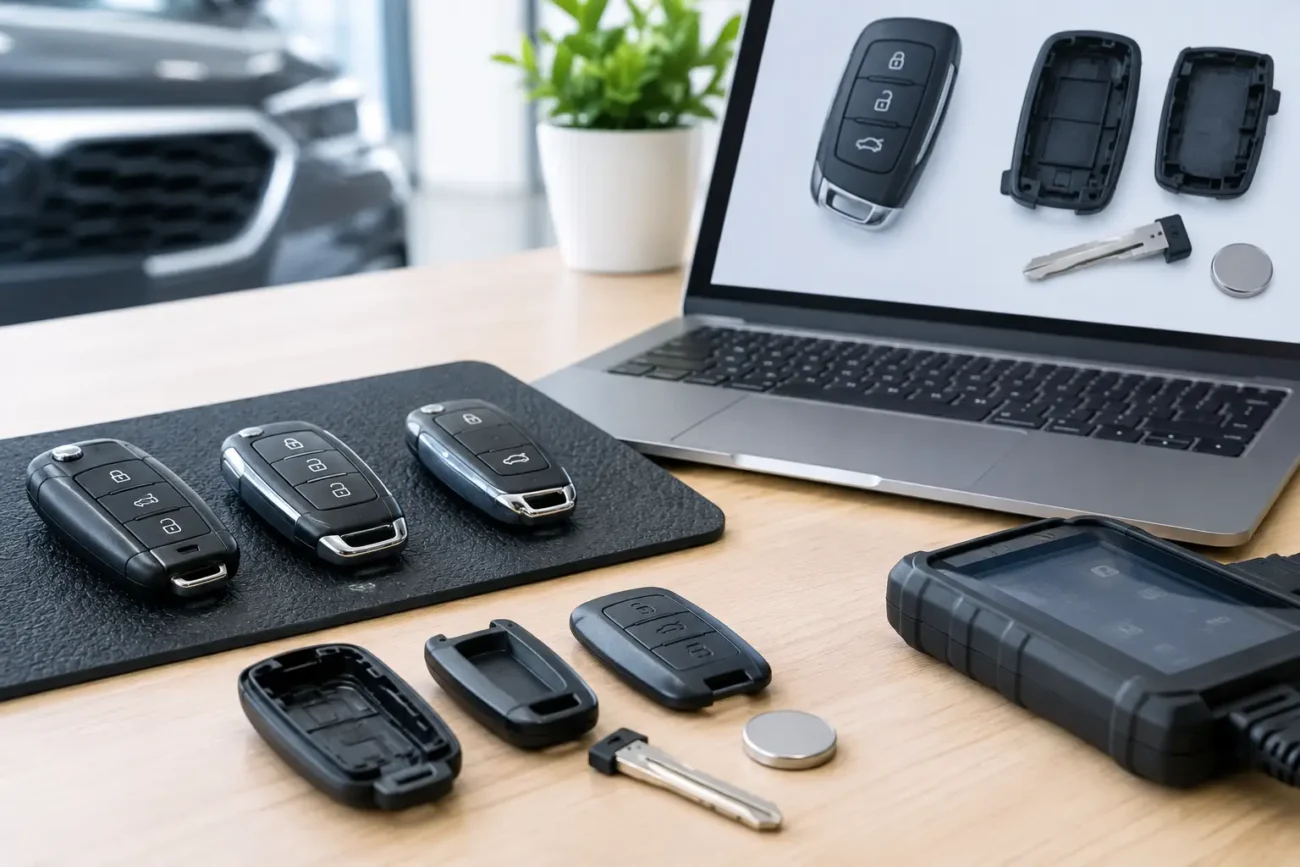
Universal remotes come into their own for locksmiths, automotive technicians and garages completing regular replacement-key work. One programmable product that supports multiple applications can make stock management more efficient and help keep turnaround times tight. The value is not simply in the unit itself, but in having the correct tool, software and technical knowledge to use it properly.
They are also useful for customers whose vehicle is supported but whose exact original-style remote is unavailable or impractical to source quickly. In these cases, a compatible universal remote can provide a reliable working alternative, provided the coverage has been checked and the key is programmed correctly.
That said, universal does not mean interchangeable. Before programming, confirm the vehicle details against the manufacturer coverage list and product specifications. Check the radio frequency, whether the vehicle uses a separate or integrated transponder, the button configuration required, and whether the selected tool supports the application. A remote that programs successfully but lacks the required function is not a completed repair.
Compatibility checks that prevent costly mistakes
The quickest way to avoid ordering the wrong replacement is to inspect the existing key before buying. A part number on the back of the case or circuit board is often the most useful starting point. Where no readable number remains, compare the physical layout and vehicle information with the product fitment details.
Frequency is especially important. Many remotes look nearly identical while operating on different frequencies, and a mismatch may prevent the remote function from working. Button count matters too: a two-button remote is not always suitable for a three-button vehicle, even where the shell appears similar.
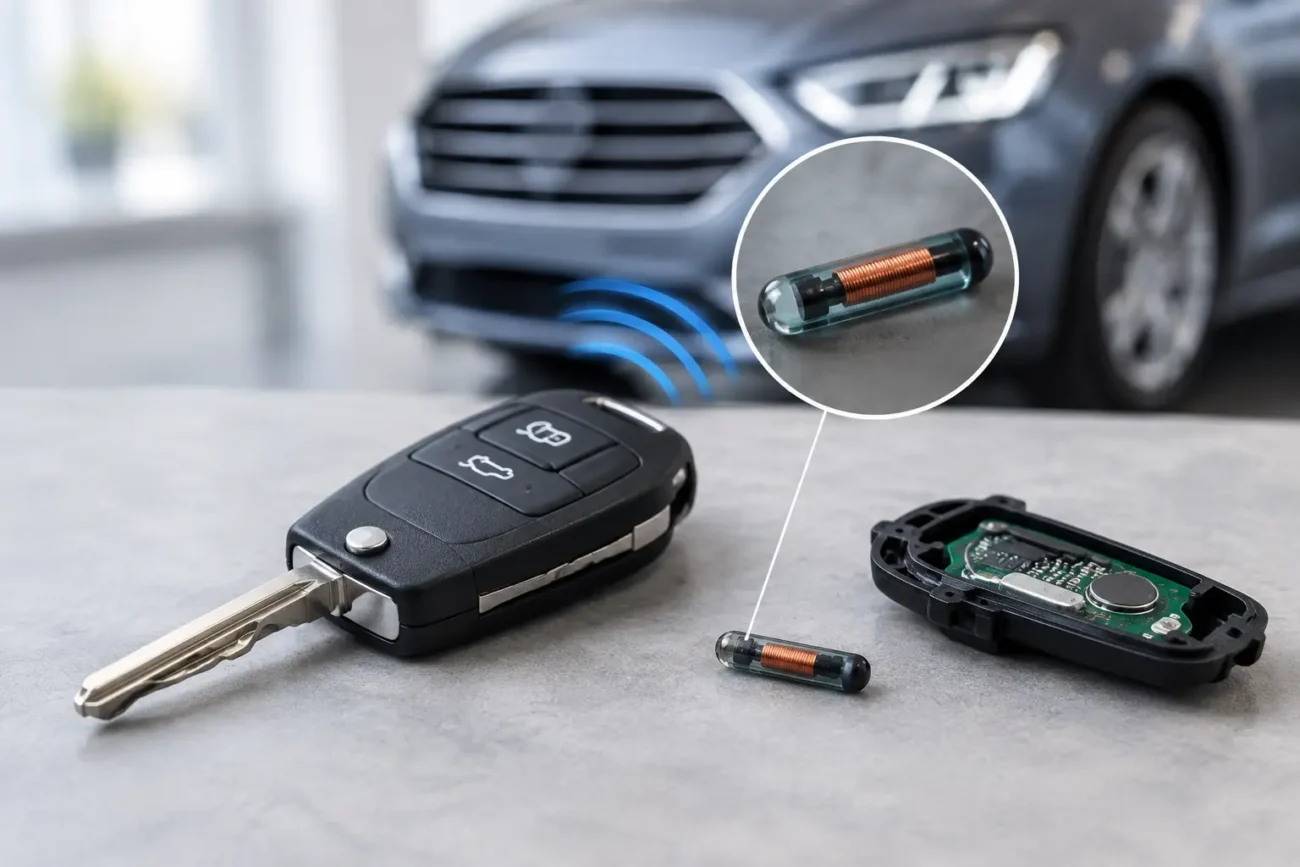
For flip keys, confirm the blade profile and attachment style. For smart keys, check the case shape, emergency blade arrangement and electronic specification. If the remote includes an immobiliser transponder, identify the chip type and establish whether programming equipment is required. A replacement shell does not need coding, but a complete remote or smart key often does.
Trade buyers should also consider the programming pathway before purchasing. Verify that the chosen diagnostic or key programming tool supports the vehicle and the intended remote. Keeping a clear record of the key data, vehicle application and programming outcome makes repeat work more efficient and helps prevent incorrect stock being opened unnecessarily.
Quality is more than the badge on the case
A lower-priced replacement is not automatically poor quality, and a familiar-looking case is not proof of correct fitment. The useful measures are build quality, button response, battery contact design, case fit, electronic reliability and accurate application data. A well-made compatible remote that is correctly selected and programmed can be an excellent replacement solution.
For vehicle owners, it is worth thinking about how the key is used every day. A spare stored at home has different demands from a main key used several times a day. For professionals, the standard is higher still: the remote needs to be suitable for a customer handover, not merely able to complete a test cycle on the bench.
Global Keys Direct stocks model-specific replacement options alongside specialist key products and programming equipment, helping both retail and trade customers source the parts that suit the work required. The practical approach is always the same: match the specification before ordering, then use the correct cutting and programming process.
A replacement key should remove a problem, not introduce a new one. If a vehicle needs an exact physical match, choose a properly checked original-style remote. If you manage varied supported jobs and have the right programming capability, a universal remote can be a highly efficient tool. Start with the vehicle data, not the appearance of the fob, and the right option usually becomes clear.
Add a review
Your email address will not be published. Required fields are marked *