
Flip Key Versus Proximity Key: Which Is Best?
A damaged key case, an intermittent remote or a missing spare can turn a simple journey into a pressing replacement job. When comparing a flip key versus proximity key, the best option is rarely about which looks newer. It depends on the vehicle’s original locking and starting system, how the key is used, and whether you need a complete programmed key, a replacement shell or a spare remote.
A flip key is often the practical choice for cars with a traditional ignition barrel. A proximity key is designed for vehicles with smart entry and, in many cases, push-button start. They perform different jobs, use different technology and bring different replacement considerations.
Flip key versus proximity key: the core difference
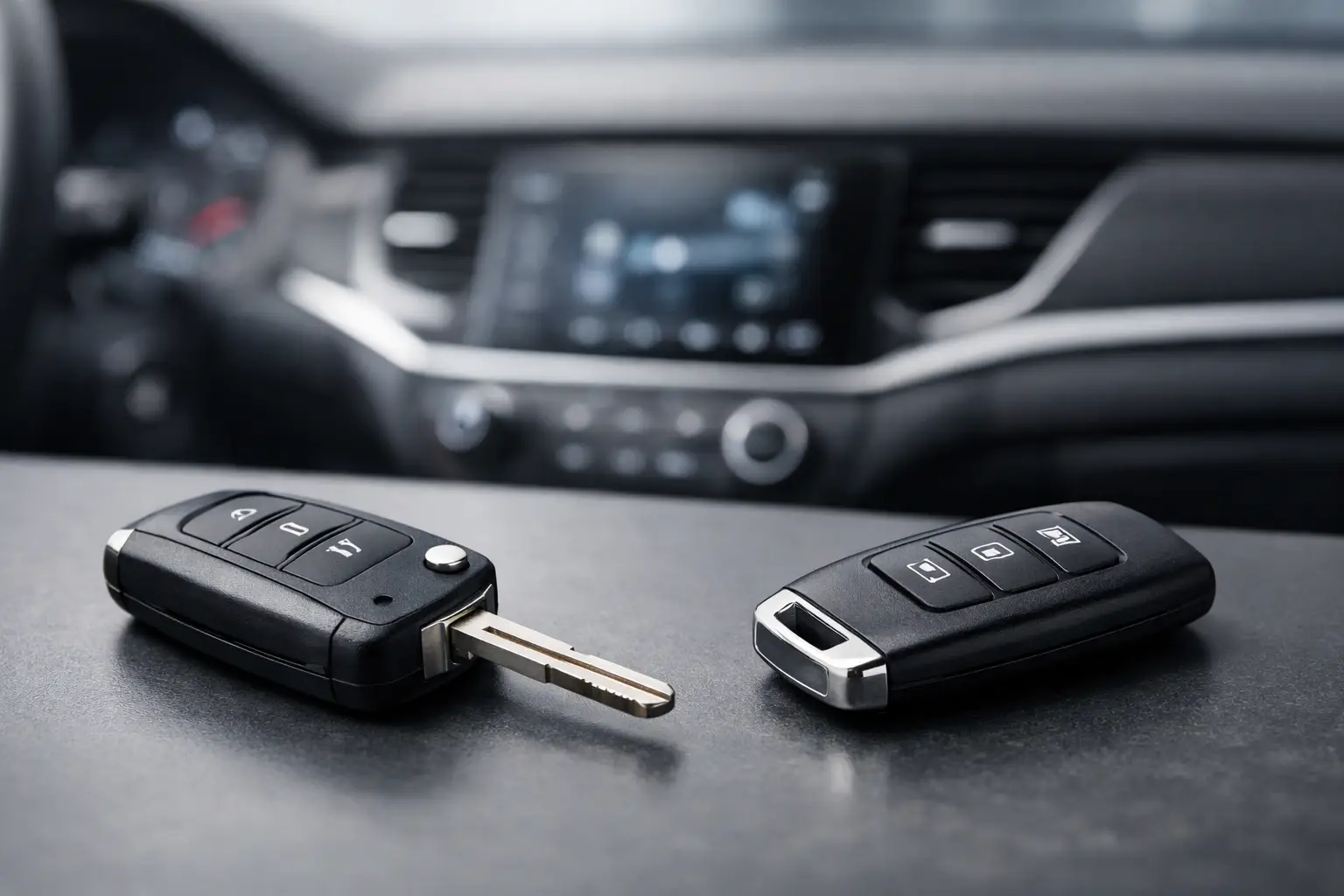
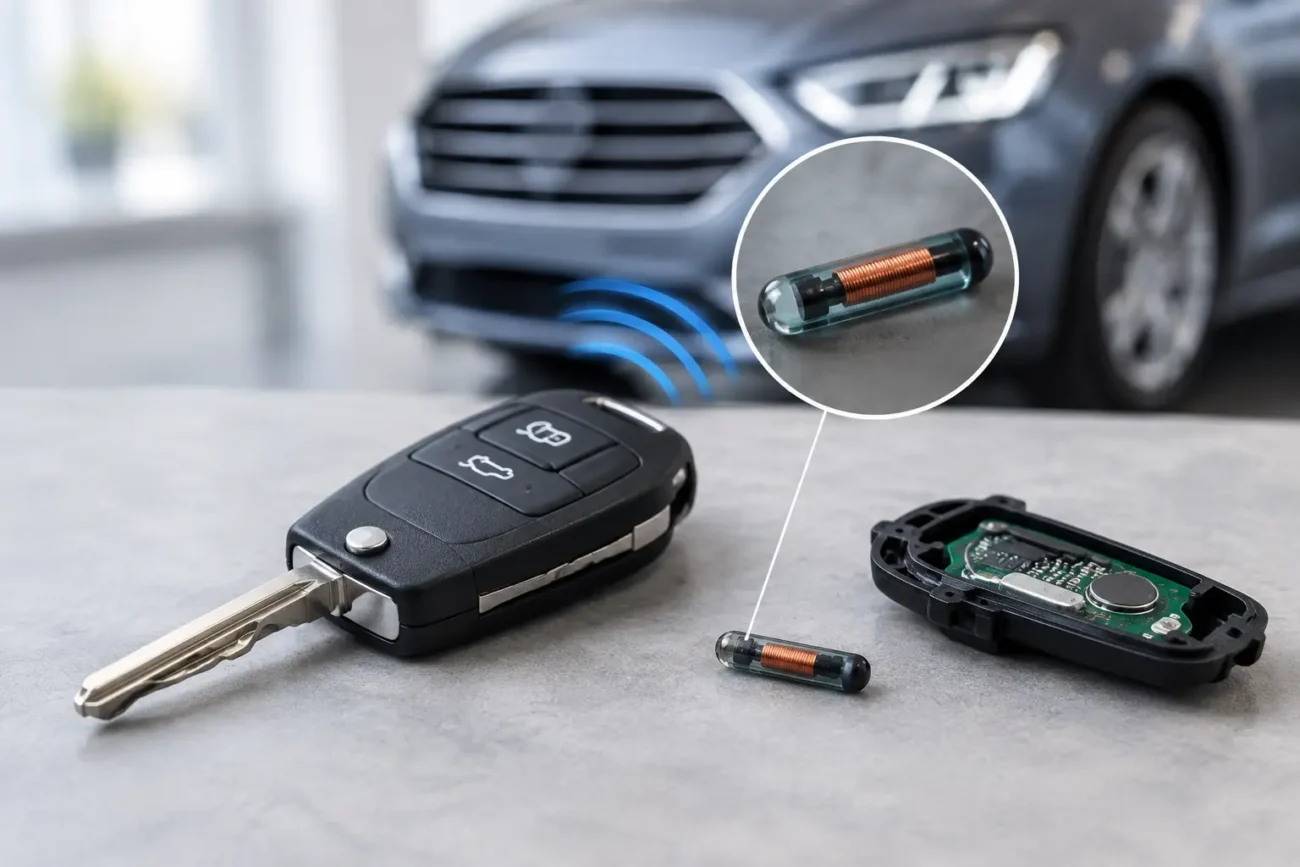
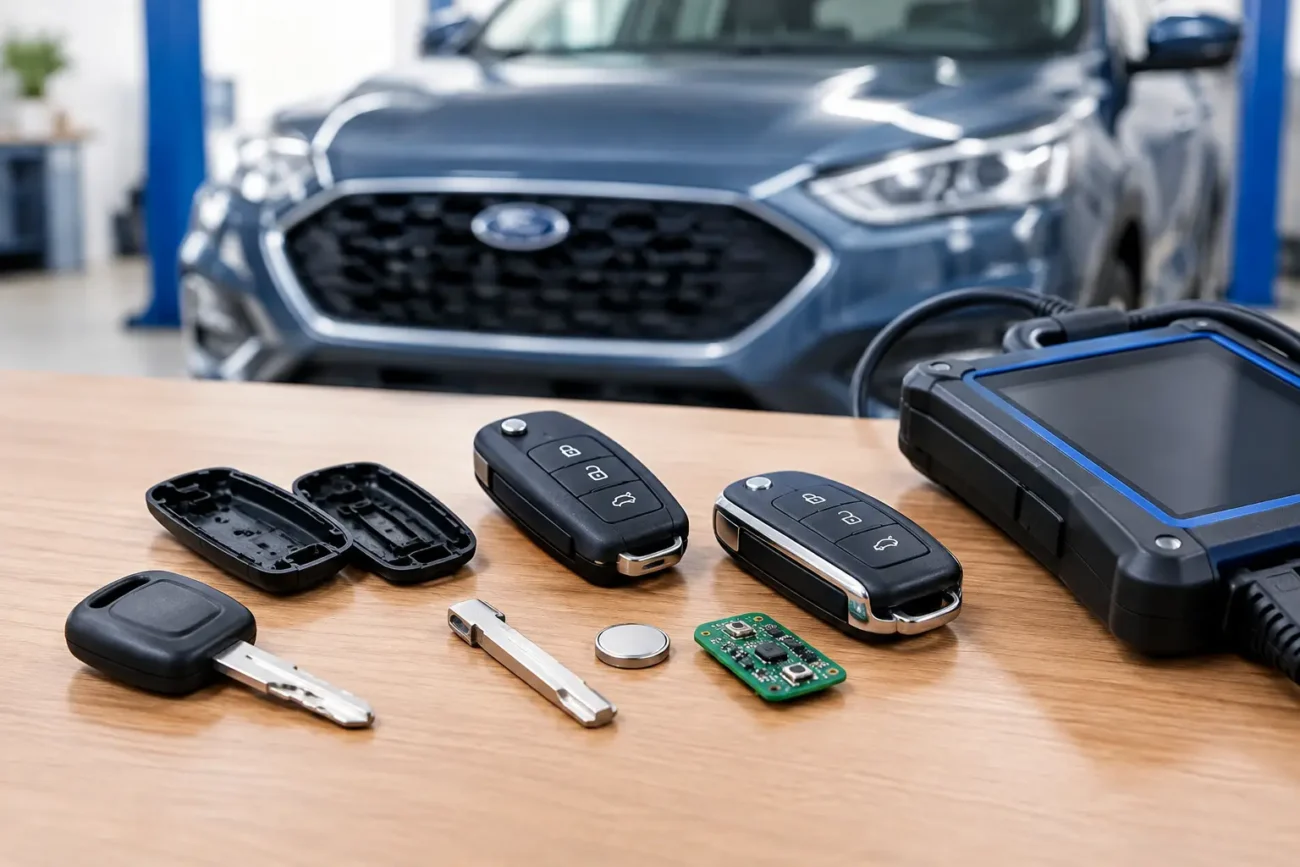
A flip key has a metal blade that folds into the remote fob when it is not in use. Pressing a release button flips the blade out, allowing the driver to turn an ignition barrel manually. The remote buttons commonly control central locking, boot release and, on suitable vehicles, alarm functions. Inside the fob, there may also be a transponder chip that communicates with the vehicle immobiliser.
A proximity key, also called a smart key or keyless fob, is usually blade-free in day-to-day use. With compatible passive entry systems, the car detects the fob nearby and allows the doors to be opened by using the handle. The engine is then started using a button while the key is inside the vehicle. Many proximity keys still contain an emergency blade, normally concealed within the fob, for situations such as a flat vehicle battery.
The distinction matters because a flip key cannot simply be substituted for a proximity key, or vice versa. The vehicle’s receiver, immobiliser system, ignition arrangement and software determine the key type it accepts. A newer-looking fob is not an upgrade if the car was not built to work with it.
How each key feels in daily use
For many drivers, a flip key remains a sensible and familiar format. The folded blade is compact in a pocket, while the physical ignition offers a clear, mechanical action. It also makes it easy to identify whether the key blade itself is worn, bent or damaged. If the remote buttons fail but the blade and chip are sound, a replacement remote shell may be all that is needed.
A proximity key is built around convenience. There is no need to take the fob out to start many compatible cars, and passive entry can be particularly useful when carrying bags, child seats or work equipment. The trade-off is that the fob must have a healthy battery and the car’s smart-entry functions need to be working correctly. A weak key battery can cause reduced operating range, warning messages or an occasional failure to detect the key.
Neither format is automatically more secure merely because it is newer. Vehicle security depends on the design and condition of the full system, not just the external shape of the key. A well-maintained flip key that is correctly programmed is preferable to an unsuitable smart fob bought without checking its specification.
Replacement costs and what you may actually need
The cost of replacing a key is not limited to the fob itself. A complete working key may require the correct blade, remote electronics, transponder or smart-key circuit, battery and programming. In some cases, blade cutting is required as well.
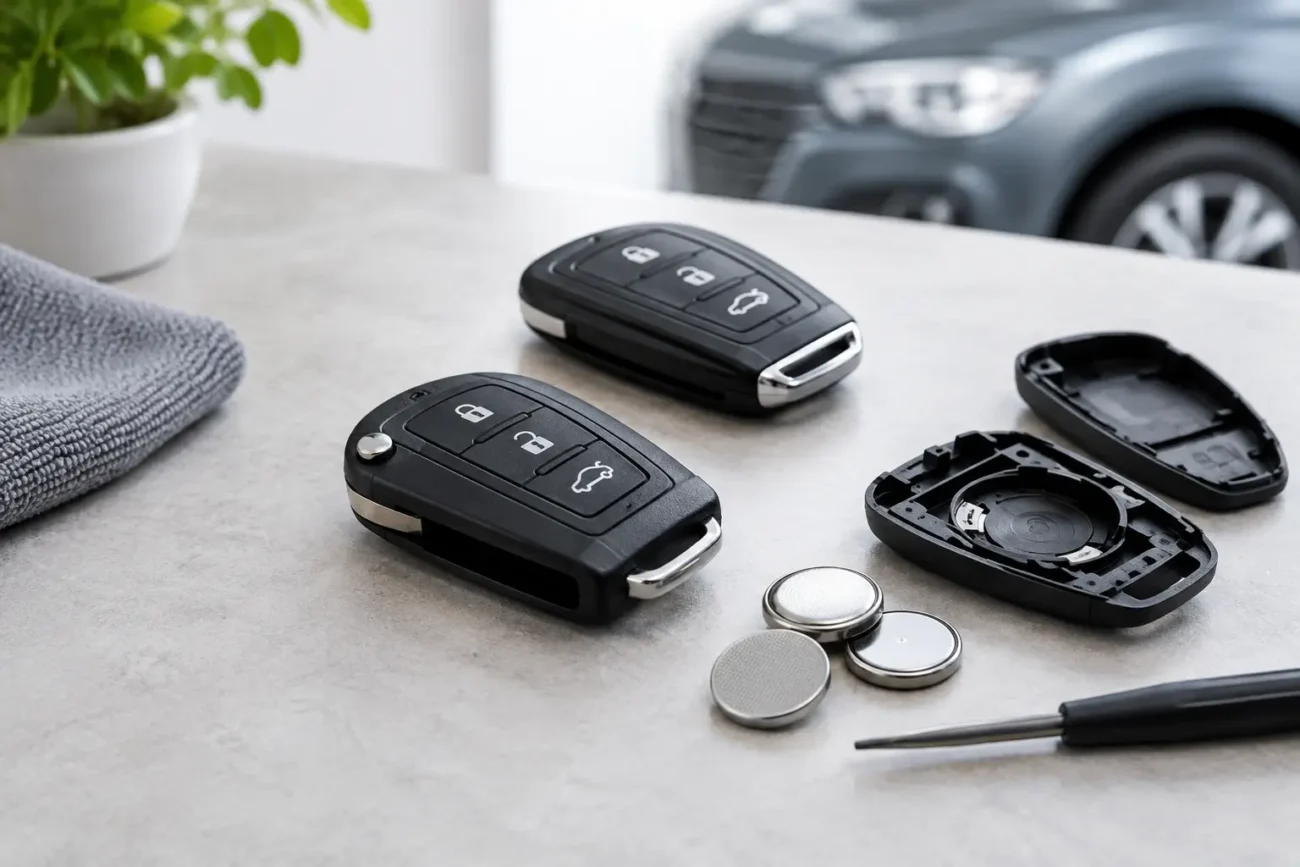
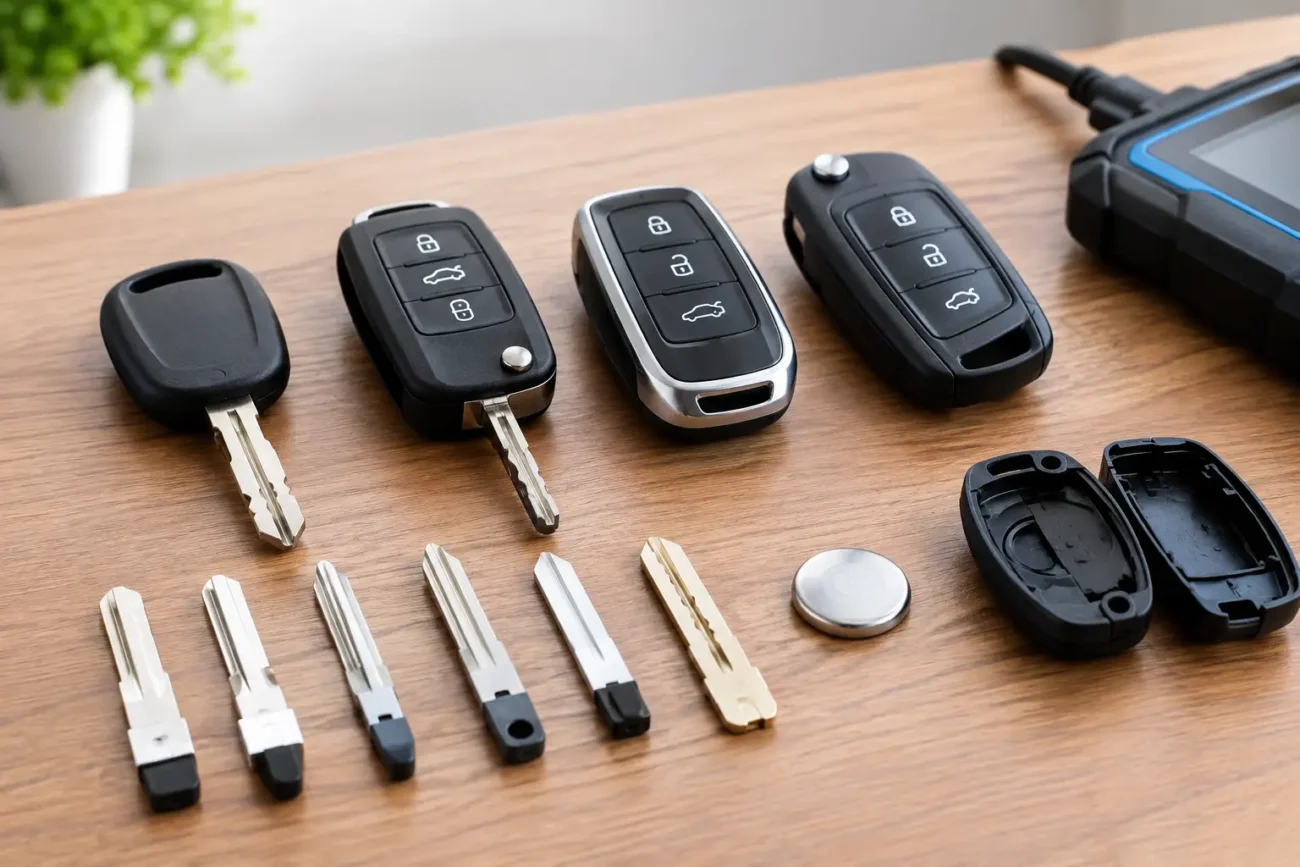
With flip keys, there is often a cost-effective repair route. If the circuit board works but the buttons have worn through, the hinge has failed or the blade no longer folds correctly, an aftermarket replacement shell can restore the key’s exterior. The original electronics and transponder are transferred into the new case, provided the shell is the correct style and has the right blade profile. This avoids replacing working components unnecessarily.
Proximity keys are more likely to be replaced as complete units because the electronics are integral to the smart-key function. However, the right replacement may still vary between a complete ready-to-program key, a compatible aftermarket remote or an OEM-board solution for professional use. The correct route depends on the vehicle and the fault being addressed.
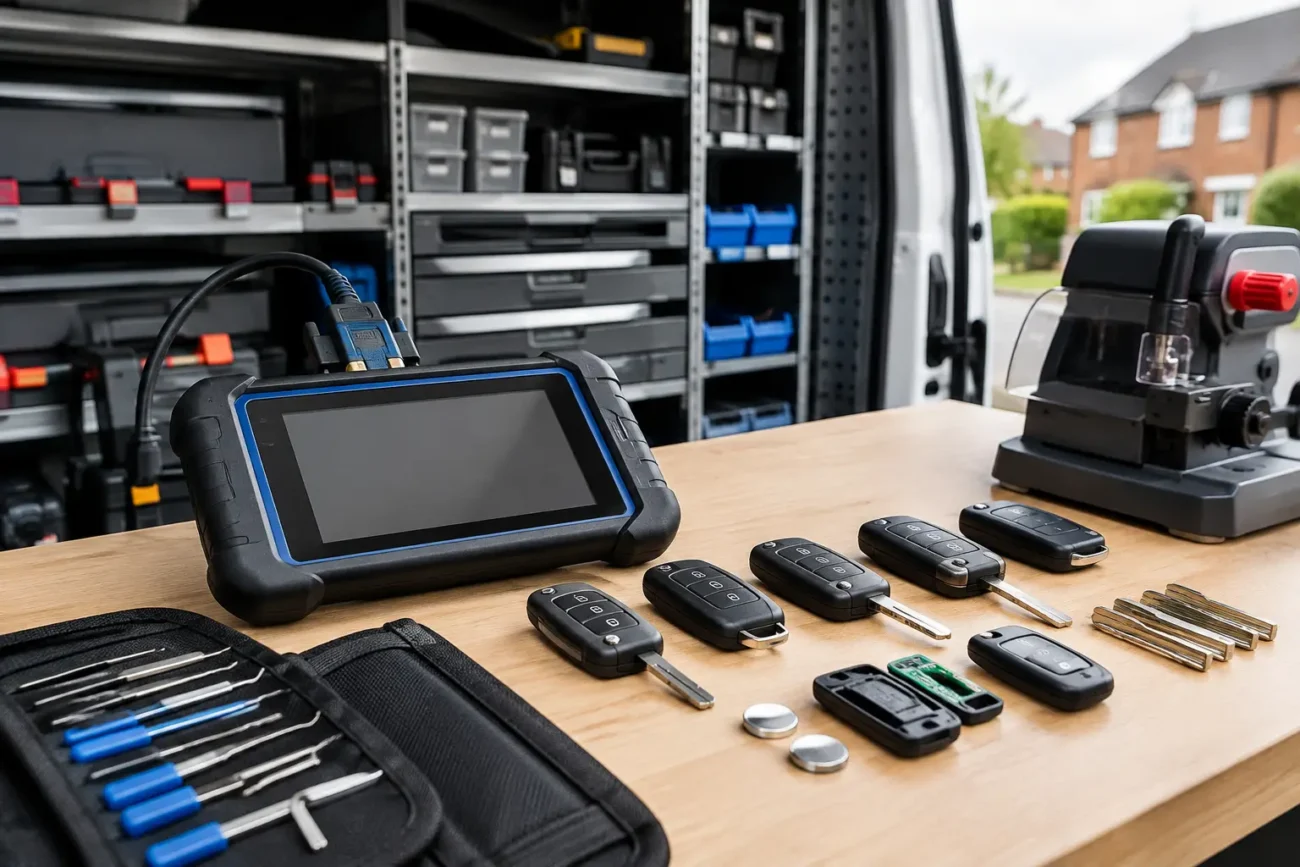
A spare key is often simpler and less costly to arrange before the last working key is lost. For trade customers, having the right stock on hand also reduces delays on routine customer jobs. Global Keys Direct supplies a broad range of replacement shells, remote fobs, key blades, smart keys and programming equipment for this reason.
Compatibility checks matter more than key style
The same manufacturer can use several key designs across different models, production years and trim levels. Two fobs can appear almost identical but operate at different frequencies, use a different transponder chip or carry a different circuit-board reference. Button layouts can also vary, particularly where one vehicle has a separate boot release or panic function and another does not.
Before ordering a flip key or proximity key, check the existing key closely. The most useful details are the part number or reference printed on the original fob or circuit board, the number and layout of buttons, the key blade type, stated frequency, transponder specification and vehicle model year. If the original key is missing, vehicle registration alone may not provide enough information to select the correct replacement.
For a flip key shell, compare the internal battery position, transponder compartment, blade fixing method and hinge layout as well as the outer button arrangement. A shell can look right in a product image but fail to accept the original board if the internal moulding differs.
For a proximity key, establish whether the vehicle uses passive entry, push-button start or a remote-only smart fob arrangement. Check any board numbers and FCC, IC or other identifying markings where available. Professional buyers should also confirm that their chosen programming equipment supports the specific vehicle, model year and key system before starting a job.
When a flip key is the better choice
A flip key is generally the right answer where the vehicle has a conventional ignition barrel and was originally supplied with a flip-style remote. It is also the most practical option when the key’s electronics work but the case has suffered physical damage. Rehousing the board and transponder in a compatible shell can return a tired key to reliable everyday use without altering the vehicle’s original system.
For drivers who prefer a physical blade and straightforward operation, there is nothing outdated about a well-made flip key. It remains a common format across many popular Ford, Vauxhall, Peugeot, Volkswagen-group and other vehicle applications, though the exact key always varies by model and year.
When a proximity key makes more sense
A proximity key is necessary where the vehicle was designed around smart entry and button start. It preserves the convenience features the car was built with and is normally the only appropriate replacement format for that system. It can be especially worthwhile to arrange a spare before a working fob is lost, damaged or begins showing battery-related issues.
That said, proximity-key replacement needs more preparation. A correctly matched fob still has to be programmed to the vehicle where required, and not every aftermarket option suits every smart-key platform. Accurate compatibility details are more valuable than choosing the cheapest fob that appears similar.
A practical choice for drivers and trade buyers
For vehicle owners, start with the car’s original key type and the actual fault. If a flip key’s case has broken, investigate a compatible shell before replacing the whole key. If a smart key has failed or has been lost, identify its reference and arrange the appropriate programming support.
For locksmiths, garages and automotive technicians, it pays to assess the whole job before selecting stock: key format, blade, frequency, transponder, board number and programming coverage. This prevents avoidable returns and gives the customer a clearer answer on what their replacement requires.
The right key is the one that matches the vehicle precisely and restores dependable daily use. Check the details before ordering, keep a spare where possible, and treat the original key as the best reference for selecting its replacement.
Add a review
Your email address will not be published. Required fields are marked *