
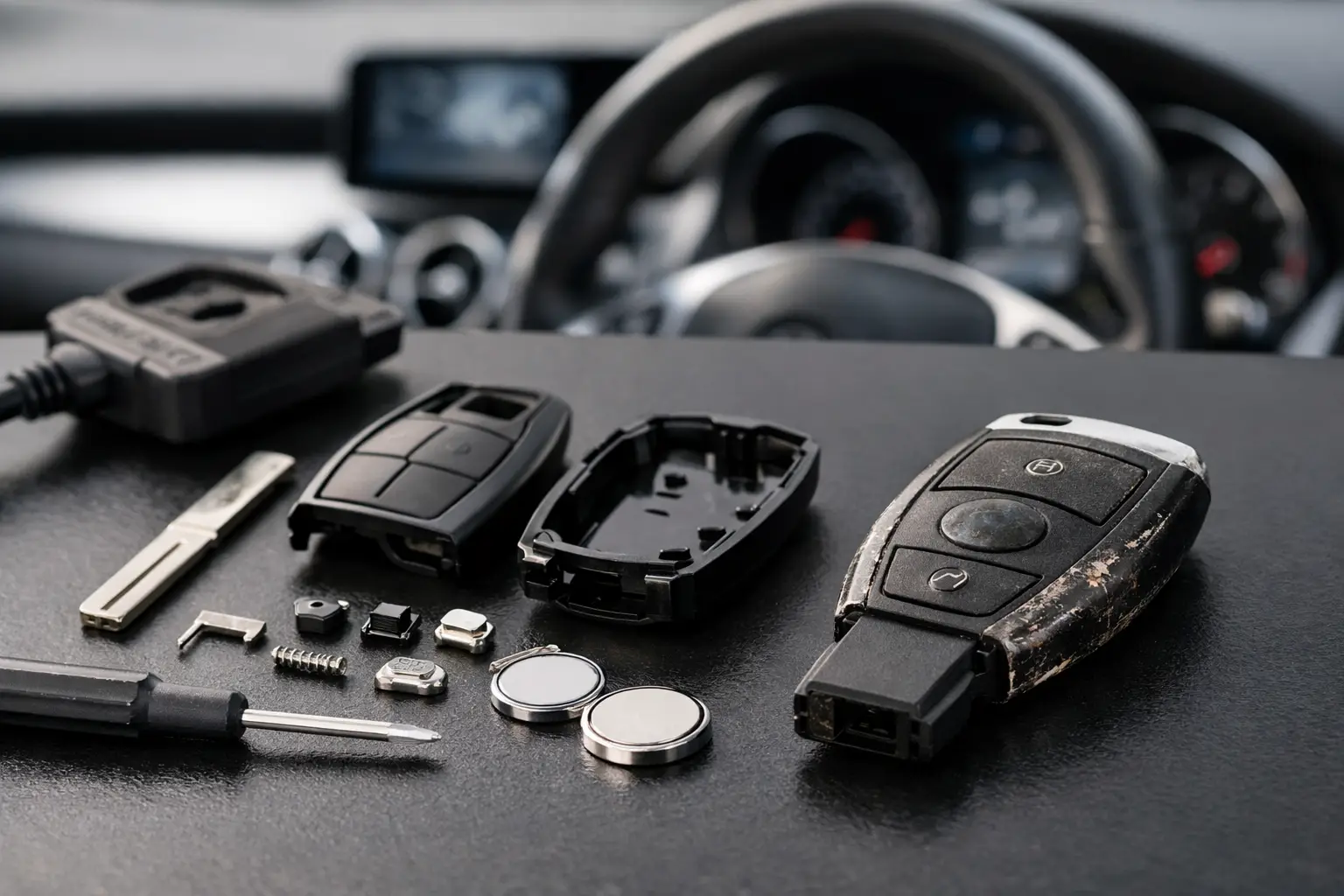
Mercedes Key Repair Kit for a Worn Remote Fob
A cracked Mercedes remote case is more than a cosmetic annoyance. Split seams can expose the circuit board to moisture, loose buttons can make locking unreliable, and a worn blade can leave a driver struggling at the door. The right Mercedes key repair kit can restore the physical parts of the key at a fraction of the cost of replacing a complete remote, provided the original electronics are still working.
For vehicle owners, that often means keeping a familiar key in service without dealership-level replacement costs. For locksmiths and garages, it means a practical repair option for customers whose key has suffered everyday wear rather than an electronic fault. The key is to identify what has actually failed before ordering parts.
What a Mercedes key repair kit usually fixes
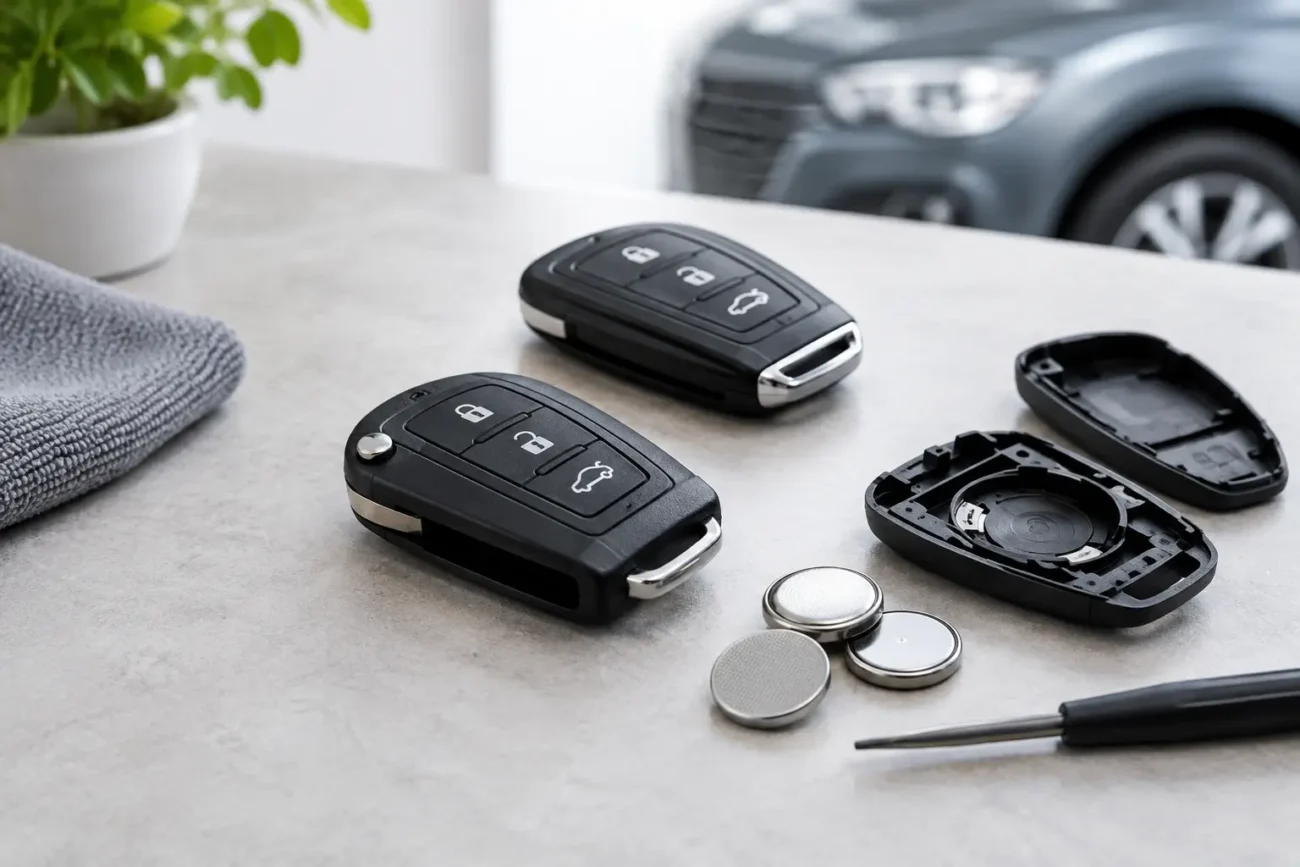
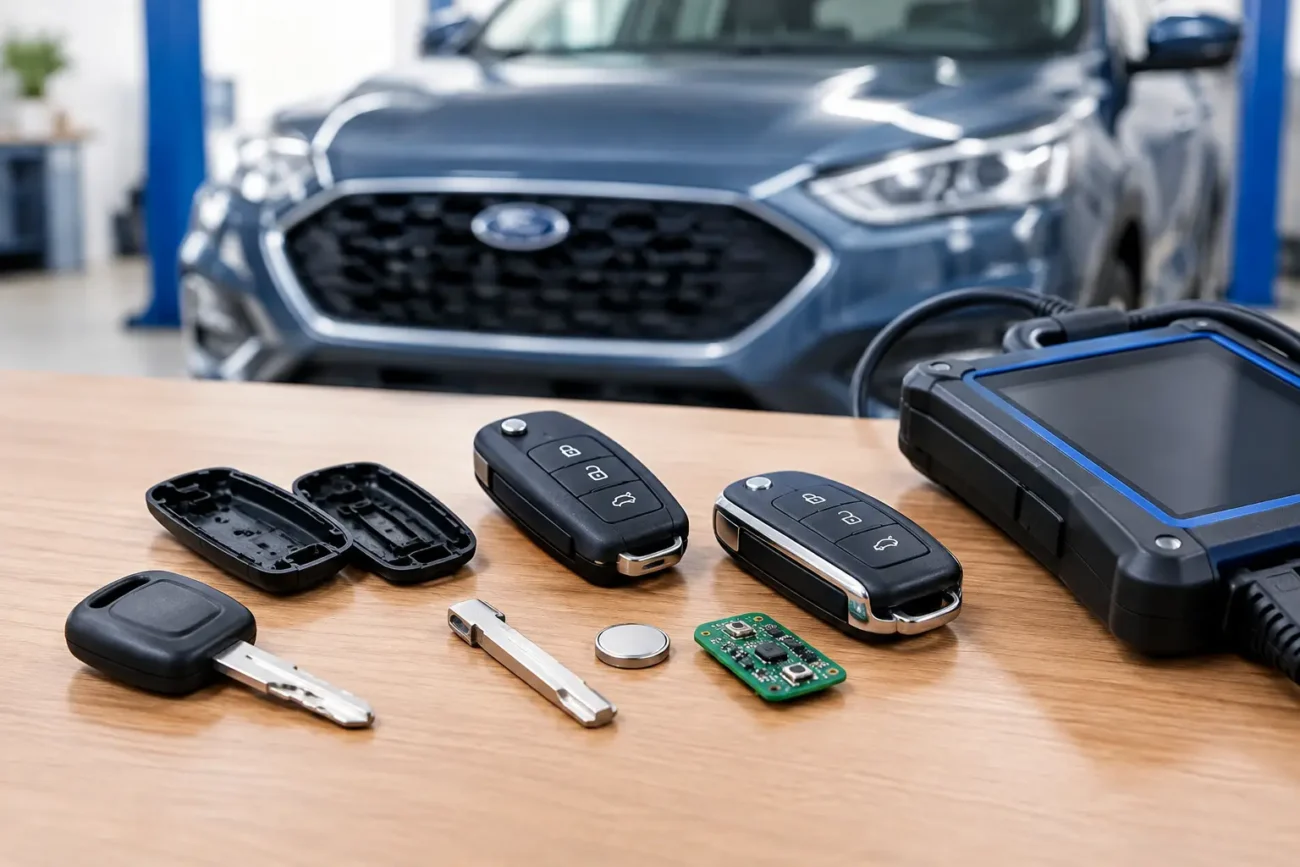
A repair kit is generally intended for the mechanical and external parts of a key. Depending on the key design, it may include a replacement shell, button pad, battery cover, emergency blade or blade blank, and small fittings such as screws or retaining components. It does not normally turn a non-working circuit board into a working one.
This distinction matters. If the remote still locks and unlocks the vehicle, the LED operates as expected, and the car starts when the original key is present, the fault may simply be the housing. A new shell can be a sensible, cost-effective repair. If the remote has stopped transmitting, the battery contacts are corroded, the board is damaged, or the vehicle no longer recognises the key, a shell alone is unlikely to resolve the issue.
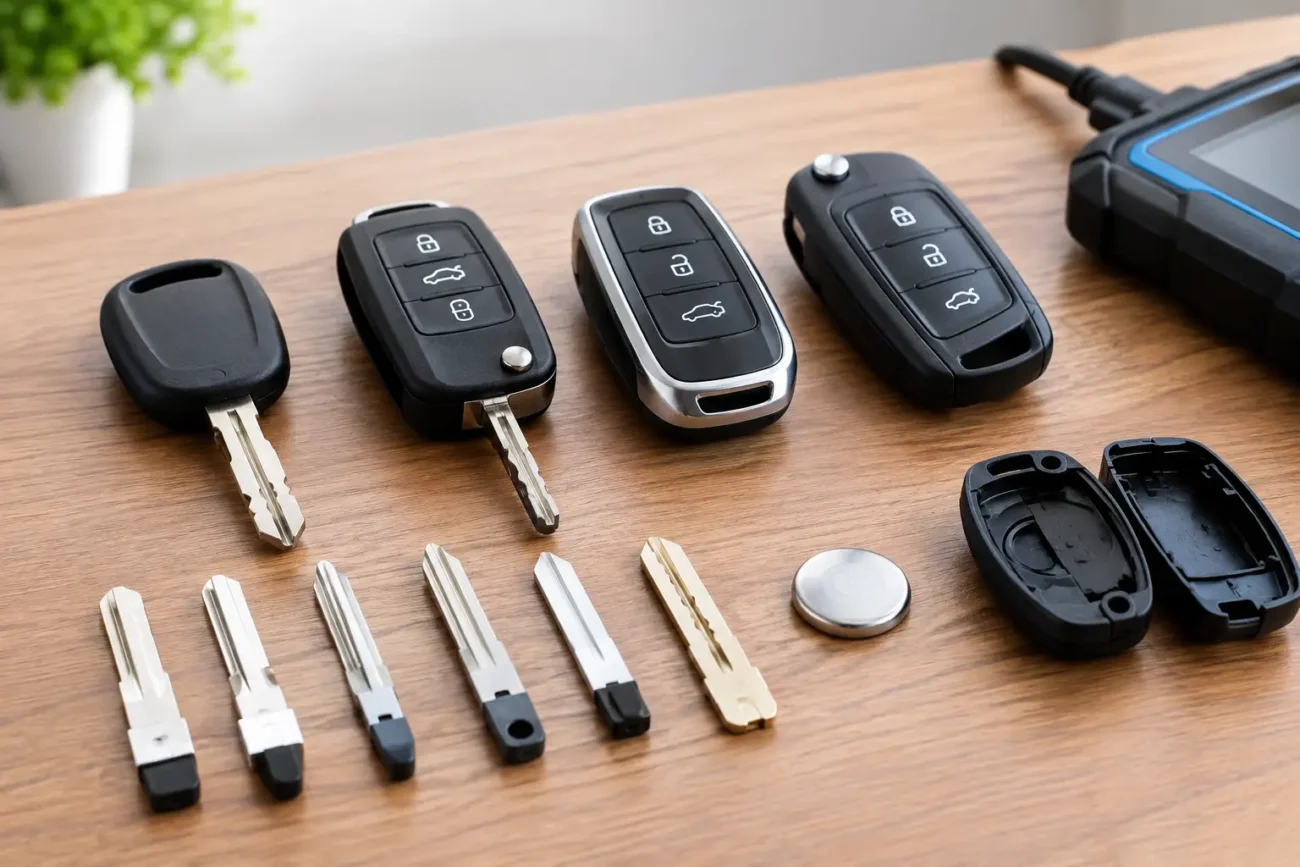
Mercedes keys are supplied in several forms across different model generations. Common examples include older SmartKey-style remotes, chrome-effect remote keys, keyless entry fobs and keys with removable emergency blades. Their outward appearance can be very similar, yet their internal layout, button arrangement and blade fixing can differ. Ordering by appearance alone is risky.
Check compatibility before choosing a Mercedes key repair kit
Compatibility should be treated as the first stage of any repair, not an afterthought. Before selecting a Mercedes key repair kit, compare the damaged key with the replacement listing in detail. Look at the number and layout of buttons, the shape of the emergency blade release, the battery cover style and the position of internal locating points.
Where product information is available, check the key part number and any markings inside the original shell. These details are often more useful than simply entering the vehicle registration or model name. A Mercedes-Benz C-Class, for example, may use different key styles depending on its production year, specification and market.
For a replacement blade or blank, confirm the blade profile and how it attaches to the key. Some keys use a removable emergency blade, while others use a different insert or fixing method. A blank blade may need professional cutting before it can operate the mechanical door lock. It should never be assumed that a blade supplied for one Mercedes key shape will fit another simply because both have three buttons.
Trade buyers should also check whether the repair shell is designed for board transfer only or is supplied with additional components. This avoids unnecessary work at the bench and prevents parts being ordered for the wrong key generation. Global Keys Direct focuses on product-specific compatibility information because accurate identification saves time for both professionals and drivers.
When a replacement shell is the right repair
A replacement shell is usually the strongest option when the original board and transponder system remain intact. Typical signs include broken key rings, worn or missing rubber buttons, cracked plastic around the blade release, a loose battery cover or a case that has started to separate.
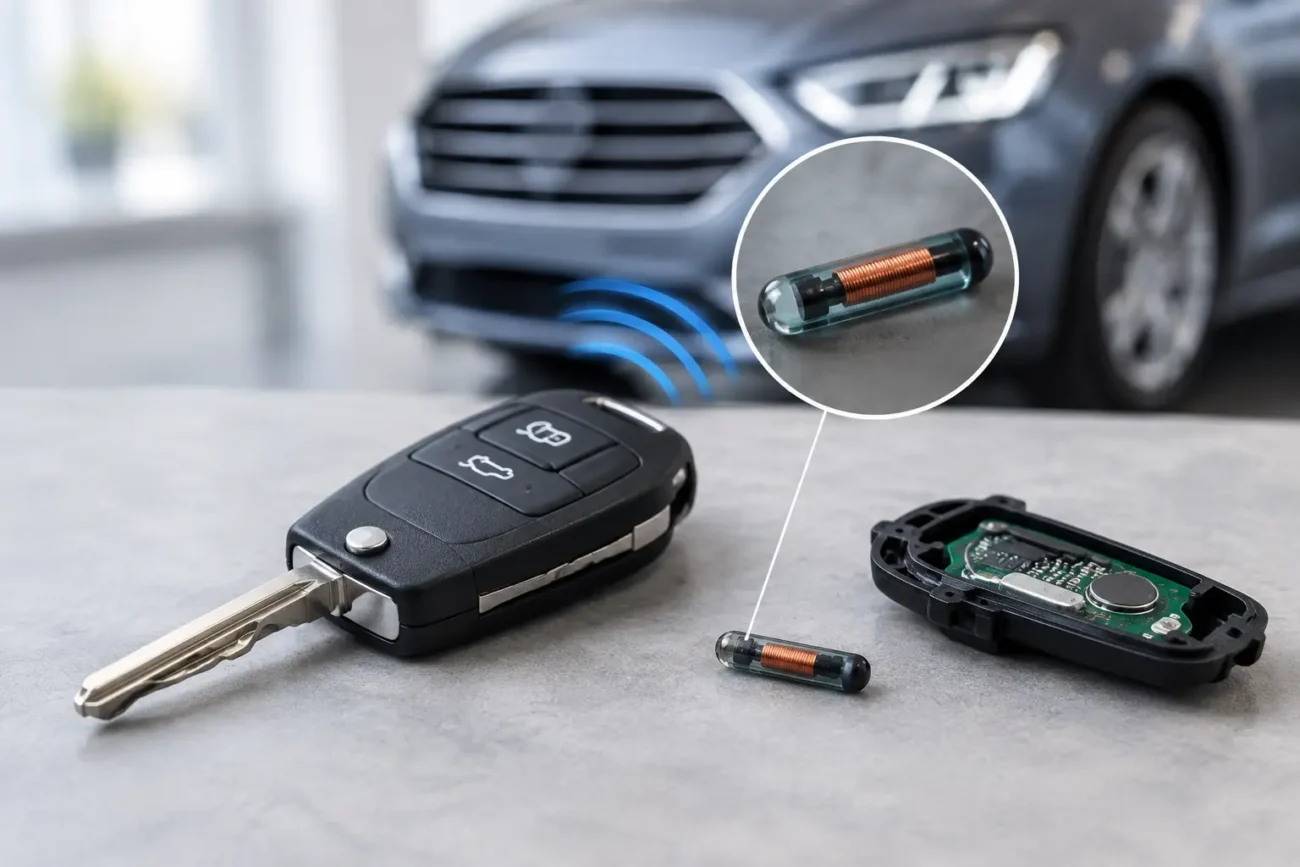
The original circuit board is the valuable part of the key. It carries the remote electronics and, on many designs, the components required for the vehicle to recognise the key. Moving that original board carefully into a compatible shell generally preserves the key’s existing functionality. In those circumstances, programming may not be required because the vehicle is still communicating with the same original electronics.
That is not a blanket rule. Some Mercedes key designs contain delicate components or have specific internal arrangements that make a straightforward transfer less suitable. If there is any uncertainty about the board, transponder arrangement or repair procedure, professional assessment is the safer route. For trade customers, this is where experience with the particular key type matters more than a generic shell replacement process.
A shell repair also makes sense when a customer wants to retain an existing working spare key. The result can be a cleaner, more secure and easier-to-use fob without changing the key’s established electronic identity.
Signs that the fault is not just the case
A repair kit is not a cure for every key problem. A damaged housing can hide an electronic issue, particularly if the key has been dropped, washed, exposed to rain or previously opened with excessive force.
Consider further diagnosis if the key works only intermittently, the remote range has reduced sharply, the buttons do not respond despite a fresh battery, or there is visible corrosion around the battery compartment or board. Likewise, if the vehicle displays a key-related warning or will not recognise the key, the issue may involve the remote electronics, battery supply or a fault that needs specialist testing.
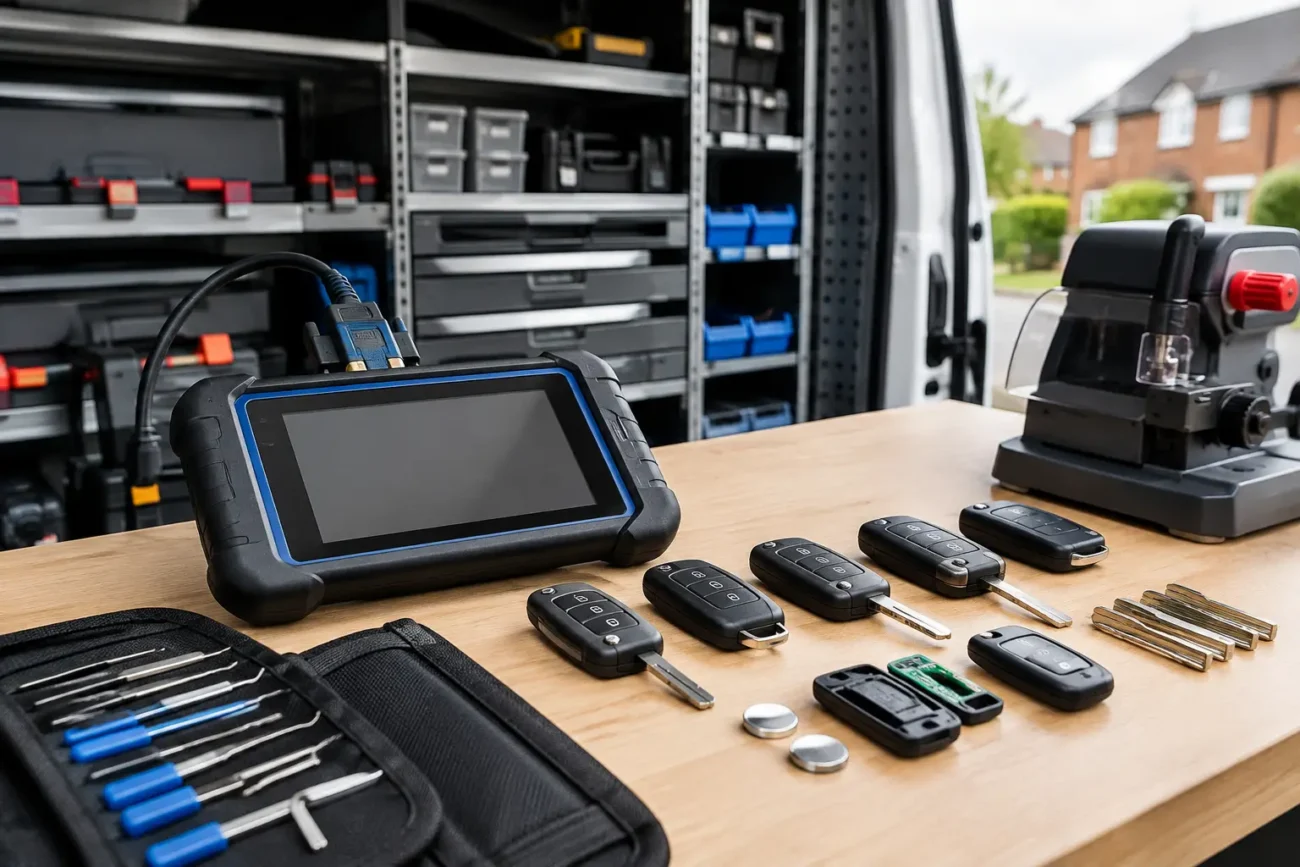
For these cases, a replacement remote or smart key solution may be more appropriate than a shell. Depending on the model and key type, programming equipment and correct key data may be required. This is particularly relevant for automotive technicians and locksmiths handling customer jobs, where a replacement should be selected according to the vehicle’s exact system rather than the external case alone.
Protect the original components during repair
The most common mistake in a key shell repair is treating the original board as though it were an ordinary piece of plastic. It is not. It can be damaged by static, pressure, misplaced clips or incorrect alignment in the new case.
Work on a clean, dry surface with good lighting. Open the original key carefully and note the orientation of every component before removing it. Take particular care with the battery, button membrane, circuit board and any separate transponder element. Do not force the board into the replacement shell. If it does not sit naturally, stop and compare the internal moulding, retaining clips and button positions.
Once reassembled, test every function before relying on the repaired key. Check that the buttons press cleanly, the battery cover closes properly, the emergency blade releases and refits correctly, and the remote functions as it did before the housing was changed. If the key is used for keyless entry or start functions, test these in the normal way after reassembly.
Avoid transferring damage from the old case to the new one. A distorted battery contact, contaminated button membrane or badly worn blade should be dealt with at the same time where suitable replacement parts are available. The best repair is one that addresses the cause of the problem, not just the visible crack.
Shell, blade or complete replacement?
Choosing the correct route depends on the condition of the existing key. If the electronics work and only the exterior is damaged, a shell repair is usually the most economical option. If the blade is worn, bent or missing but the remote remains functional, a correctly matched replacement blade or blank may be all that is needed.
A complete replacement becomes more relevant when the board is damaged, the remote has failed after water ingress, or the key has been lost. That route can involve programming and model-specific technical requirements, so it is not simply a matter of matching the number of buttons. Check frequency, button configuration, chip or transponder type, blade profile and relevant part details before purchasing.
For everyday drivers, the practical question is whether the original key can still perform its electronic functions. For trade customers, the decision also includes workshop time, programming requirements and the confidence that the selected part matches the vehicle system. A low-cost shell is excellent value when it solves the actual fault; it is wasted spend when the original electronics have already failed.
A well-chosen Mercedes key repair kit gives a worn but working key a second life. Start with careful identification, protect the original electronics during transfer, and only move to a complete replacement when the evidence points beyond the case itself.
Add a review
Your email address will not be published. Required fields are marked *