
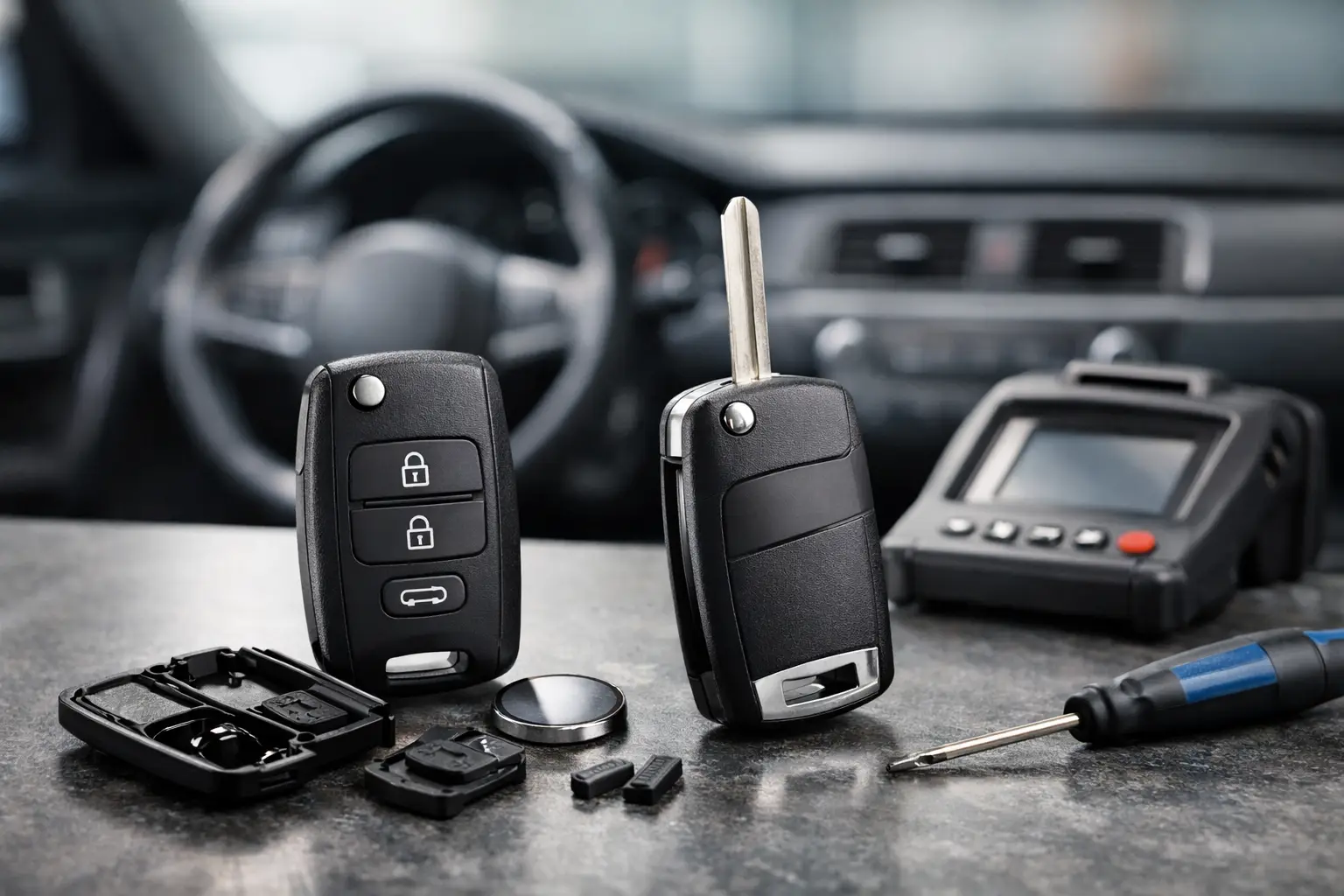
Kia Remote Key Replacement Without Dealer Prices
A lost, damaged or unreliable Kia key can stop a normal journey before it starts. A Kia remote key replacement does not always mean paying dealership-level prices, but it does mean getting the technical details right before you order. The correct button layout alone is not enough. Part number, frequency, transponder chip, blade profile and programming requirements can all affect whether a replacement is suitable for your vehicle.
For Kia owners, the most cost-effective answer is often determined by what has actually failed. A cracked case may only need a replacement shell. A worn blade may need cutting or replacing. A remote that no longer communicates with the car could require a new remote fob, battery, repair or professional programming. Identifying the fault first helps avoid buying a complete key when a smaller, lower-cost part would solve the problem.
Kia Remote Key Replacement: Start With the Key Type
Kia has used several key systems across its model range, including conventional remote keys with a flip-out blade, fixed-blade remote keys, proximity smart keys and push-button-start fobs. The right replacement route depends on the system fitted to your particular vehicle, not simply the Kia badge or model name.
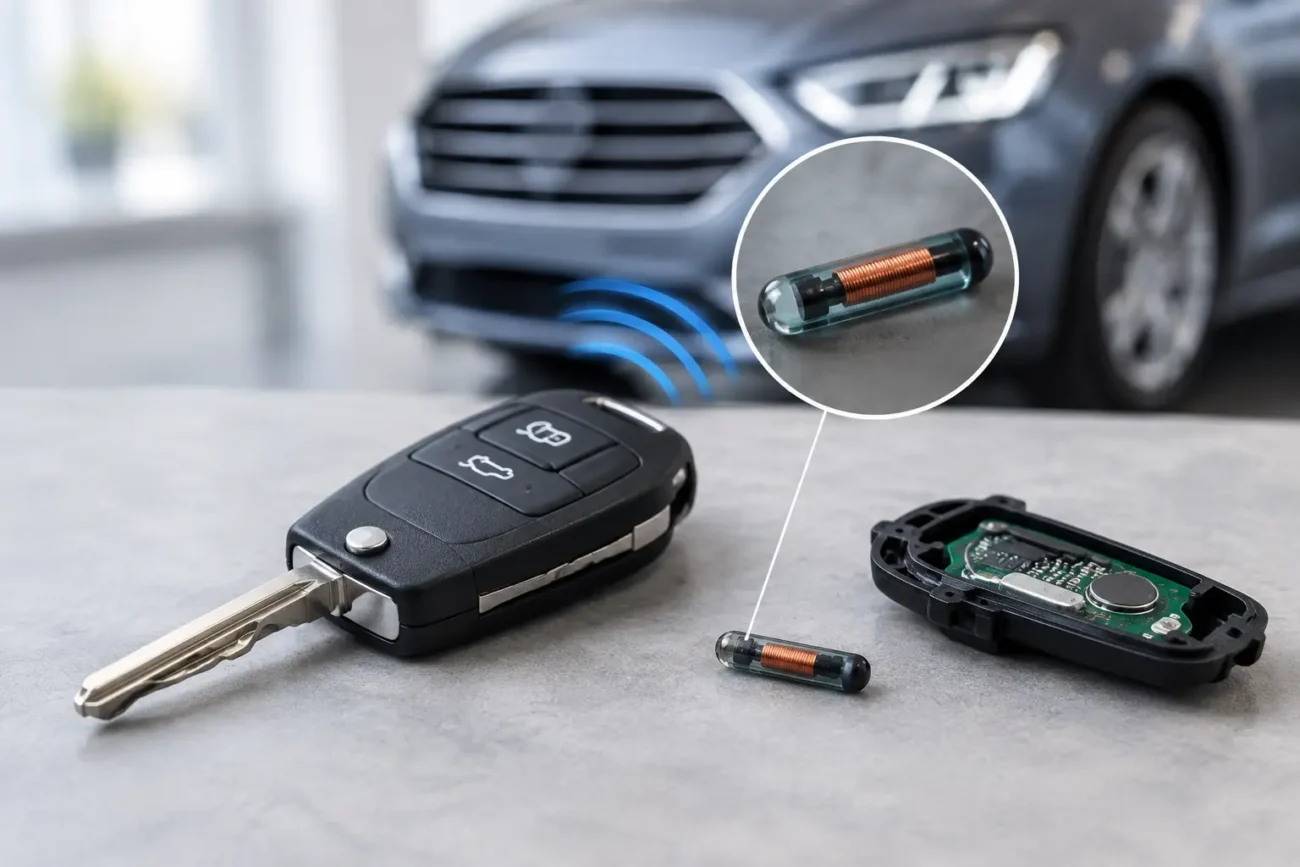
Older Kia models commonly use a remote key with a separate metal blade and transponder chip. Depending on the vehicle and key design, the remote locking function and immobiliser transponder may be housed in the same case but perform different jobs. A replacement shell can restore the buttons and key housing while retaining the original electronic board and chip. This is useful when the casing is broken but the key still starts the car and operates the central locking.
Later vehicles may use a smart key for keyless entry and push-button starting. These fobs contain more complex electronics and are usually specific to a particular frequency, board configuration and vehicle application. They are not interchangeable simply because they look alike. Smart key replacement normally involves key programming by a suitably equipped locksmith, garage or automotive key professional.
Check These Details Before Ordering
The most reliable starting point is the information on the original key. Look for a printed or moulded part number on the rear of the remote, inside the case, or on the circuit board if the housing has already been opened. Match this information against the replacement product details wherever possible.
Model and registration-year ranges are useful guides, but they are not always enough. A vehicle may have been built near a model changeover, supplied for a different market, or fitted with a different key specification. Checking the original part number remains the best way to narrow down the correct option.
You should also compare the number and position of the buttons. Kia remotes may have two, three, four or more buttons, with functions such as lock, unlock, boot release, panic alarm or sliding-door operation on applicable vehicles. A similar-looking casing with the wrong button arrangement may not fit your circuit board correctly.
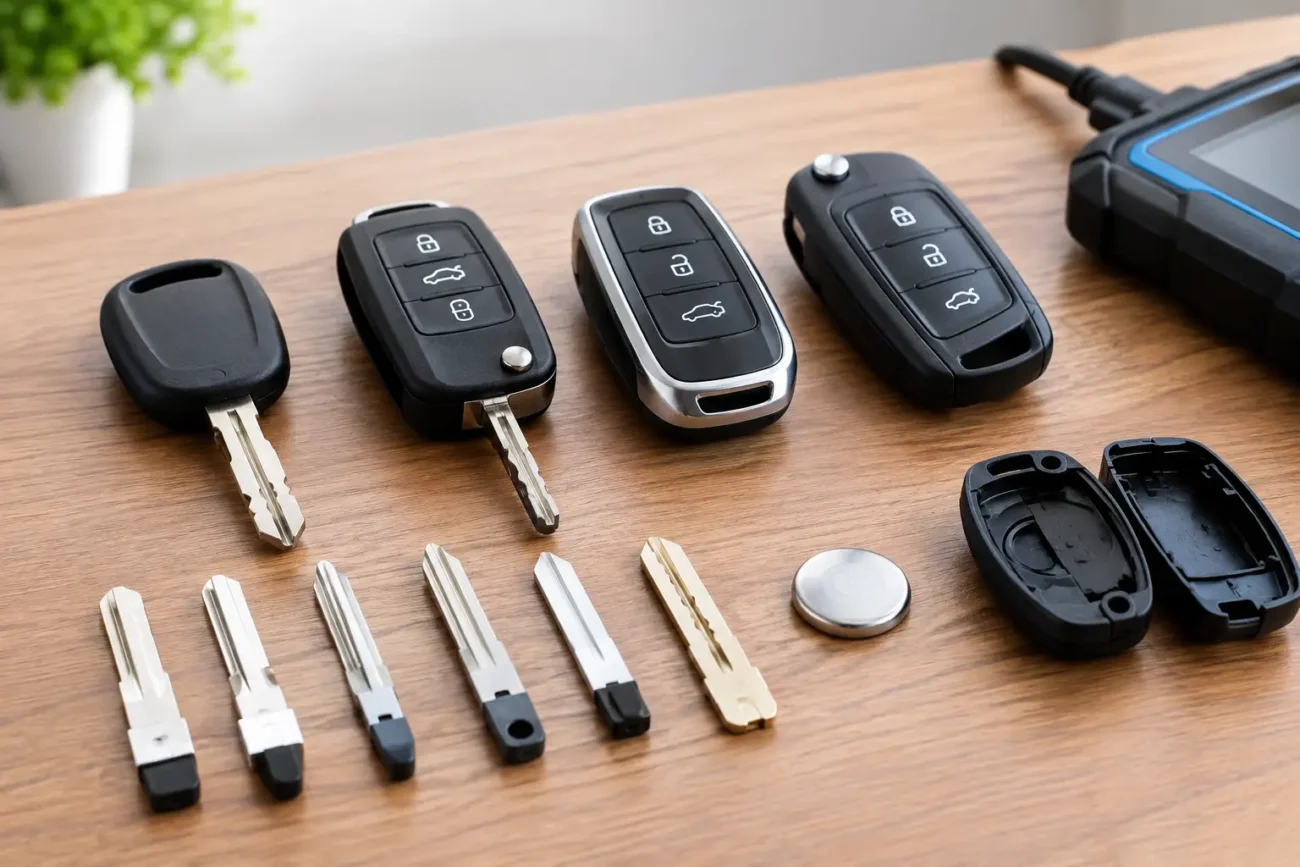
For a key with a metal blade, inspect the blade type as well. The blade profile, fixing method and whether it is fixed or flip-out all matter. A replacement key blade must be suitable for cutting to your vehicle’s lock pattern by a qualified key cutter. A blank blade is not ready to use until it has been cut.
Frequency and chip information are particularly relevant when replacing complete remotes or smart keys. Product descriptions may identify these details, along with compatible models and years. If there is any doubt, compare the original remote carefully or obtain confirmation from a key professional before programming a new unit.
Replacement Shell, Remote or Complete Key?
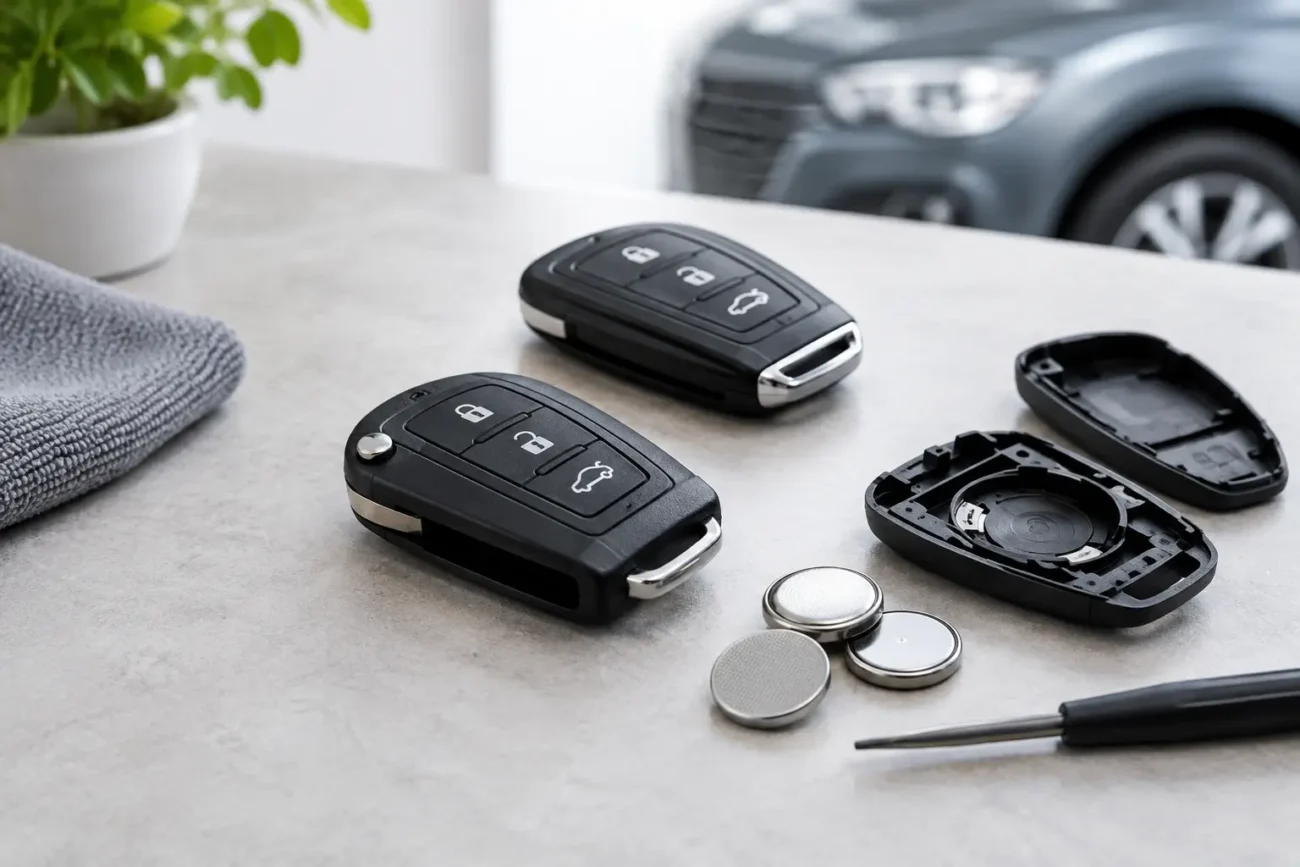
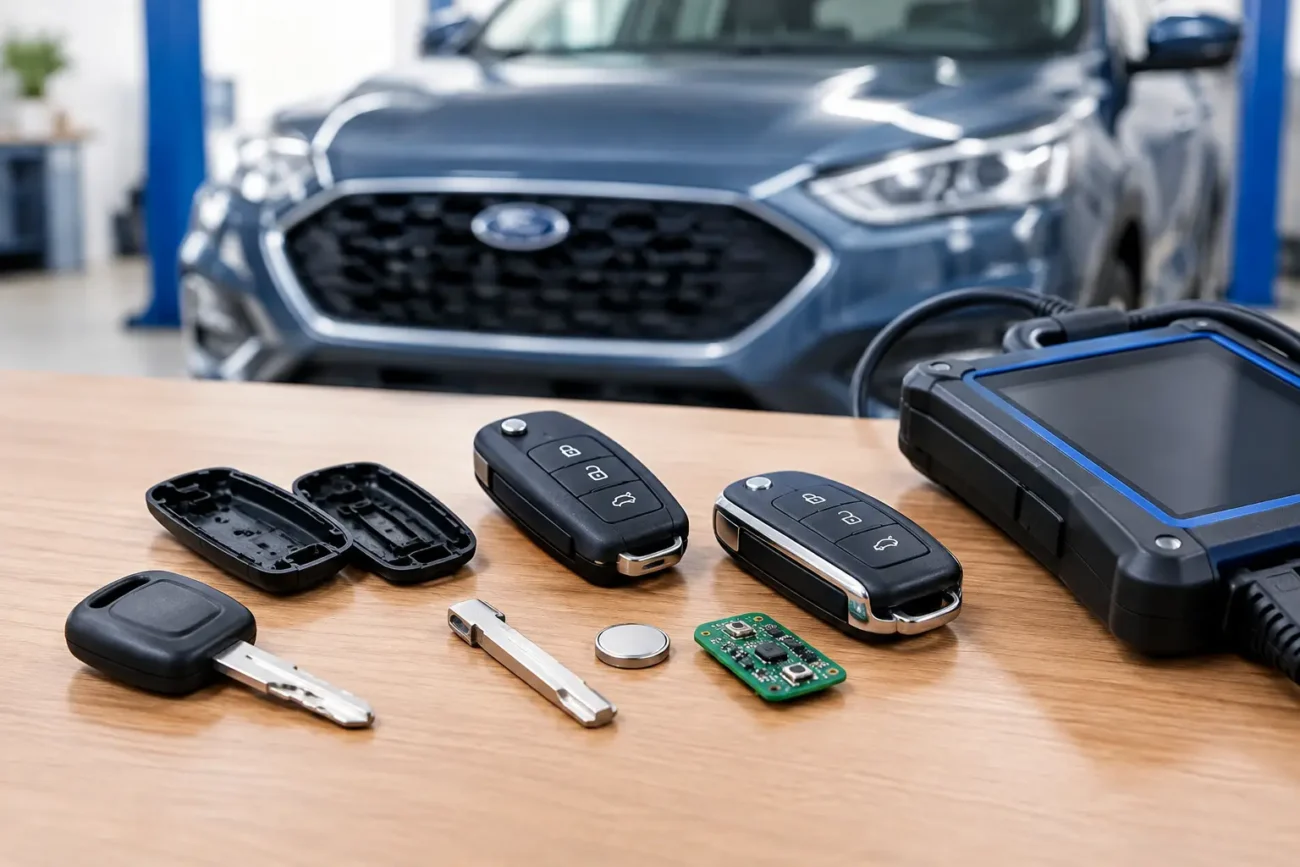
Choosing the right product avoids unnecessary cost and downtime. If the buttons have worn through, the hinge has snapped or the plastic case is cracked, a replacement shell may be the sensible choice. The original remote circuit board, battery and transponder chip are transferred into the new housing, allowing you to retain the electronics already recognised by the vehicle. The metal blade may also be transferred where the design permits, or a replacement blade can be cut.
A replacement remote fob is more appropriate when the electronic board has failed, been damaged by water, or is missing. In this case, the remote locking functions will generally need to be programmed to the vehicle. Where the replacement includes a new transponder chip, the immobiliser function may also need professional programming before the car will start.
A complete Kia key or smart key is usually required after a key has been lost, when no usable original electronics remain, or where an additional working key is wanted. This is often the best long-term option for drivers who only have one key left. Having a tested spare can prevent a minor mishap from becoming an urgent and more expensive recovery job.
Why Programming Is Not the Same as Battery Replacement
A weak battery is a common cause of poor remote performance. Symptoms include reduced operating range, intermittent response or no response from the lock and unlock buttons. Replacing the battery may restore normal remote operation, provided the key has not suffered physical or moisture damage.
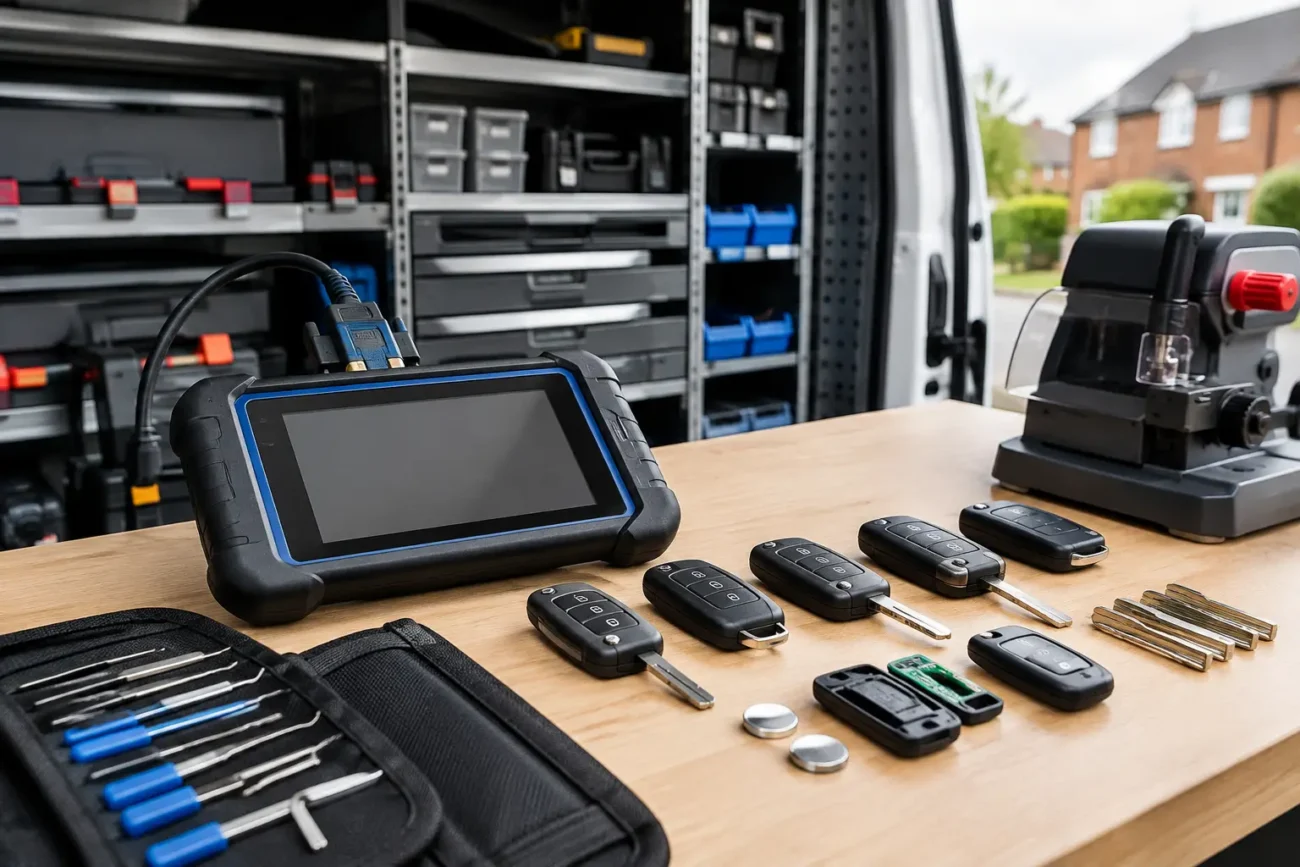
However, a battery change does not replace programming. The vehicle’s immobiliser and remote system use stored information to recognise an authorised key. A newly supplied remote or smart key generally needs to be coded to the vehicle using the appropriate diagnostic equipment and procedure. The exact requirement varies by Kia model, year and key type.
This distinction matters when buying a replacement. A compatible aftermarket remote can offer an economical alternative to a dealer-supplied key, but compatibility and programming should be planned together. Trade customers will typically check the vehicle application, remote specification and programming solution before booking the job. Retail customers can source the correct key or remote first, then arrange cutting and programming through a qualified local automotive key specialist, locksmith or garage.
Avoid the Most Common Ordering Mistakes
The fastest way to delay a Kia key job is to order by appearance alone. Remote housings can share the same shape while containing different circuit boards, chips or frequencies. Equally, a key advertised for a broad model range may have several variants, so the fitment notes should be read in full.
Do not dispose of the old key until the replacement has been checked. The original can provide the part number, electronics, transponder chip and blade needed to complete a shell repair or confirm the correct replacement. If a key has been damaged by water, retain it carefully rather than attempting to use a badly corroded board as a reference without inspection.
It is also worth considering the condition of your remaining key. If one remote has a worn case, weak buttons or a loose flip mechanism, the spare may be close behind. Rehousing a working key or ordering a compatible spare before a complete failure gives you more time to arrange cutting and programming without pressure.
A Practical Buying Checklist
Before placing an order, confirm the vehicle model and year, then compare the original key’s part number, button layout and blade type. For complete remotes and smart keys, check the stated frequency, chip specification and fitment information as well. Finally, establish whether you need a shell transfer, a blade cut, remote programming, immobiliser programming or a combination of these services.
Global Keys Direct stocks model-specific Kia-compatible replacement shells, remote fobs, key blades and smart key options for both vehicle owners and trade buyers. Product specifications are there to help you compare the details that matter, rather than relying on a photograph alone.
A replacement key should restore convenience, not create another compatibility problem. Keep the original key available, verify the specification before ordering, and treat a working spare as useful vehicle insurance rather than an afterthought.
Rất cảm ơn những chia sẻ này. Nếu cần tư vấn du học Hàn Quốc, hãy tìm đến Letco — kinh nghiệm nhiều năm, dịch vụ uy tín. Chi tiết tại letco.vn.