
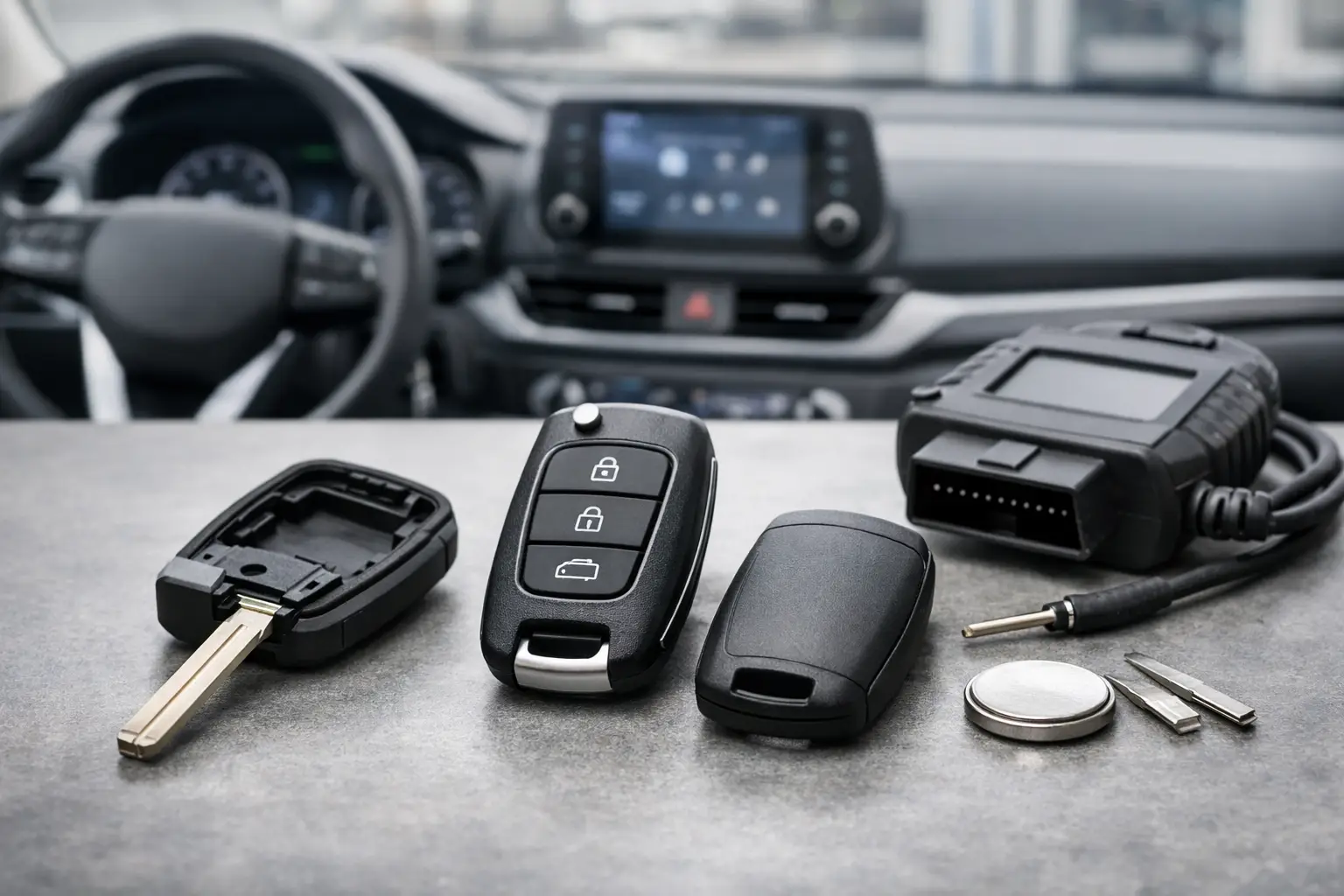
Hyundai Keyless Entry Remote Replacement Guide
A Hyundai keyless entry remote is easy to take for granted until the buttons stop responding, the case splits, or a spare key is suddenly needed. The right replacement can restore everyday convenience for far less than a main dealer route, but Hyundai remote compatibility depends on more than the badge on the front. Button layout, frequency, key blade, internal electronics and programming requirements all matter.
For vehicle owners, the priority is usually a dependable replacement that arrives quickly and fits the car correctly. For locksmiths, garages and key programmers, the priority is reliable stock, clear technical identification and a remote that suits the job in hand. In both cases, checking the original key before ordering saves time, repeat work and unnecessary returns.
What a Hyundai keyless entry remote does
A keyless entry remote sends a coded radio signal to the vehicle, allowing the central locking to operate from a short distance. Depending on the Hyundai model and year, the remote may be part of a traditional flip key, a fixed-blade remote key, or a proximity smart key used with push-button start.
A standard remote generally controls lock, unlock and boot release functions. Some versions include a panic button, while certain later vehicles may use a smart remote that also supports passive entry and engine starting. These systems may look similar from the outside, but they are not interchangeable simply because they have the same number of buttons.
The key blade and the remote system are separate considerations. A replacement may need the correct blade profile to be cut, while the remote electronics and transponder chip need to be suitable for the vehicle. On immobiliser-equipped models, a key that opens the doors but does not start the engine is not a complete solution.
Identifying the correct Hyundai keyless entry remote
The most useful starting point is the existing remote. Check the back of the case, inside the battery compartment and, where accessible, on the circuit board for part numbers, frequency markings and manufacturer references. These details are more reliable than searching by vehicle model alone.
Hyundai produced a wide range of keys across i10, i20, i30, ix35, Tucson, Santa Fe, Kona, Bayon, Getz and other models. Production dates often overlap, and a facelift can introduce a different remote or chip specification. A remote listed for one year range may not suit every car within that range.
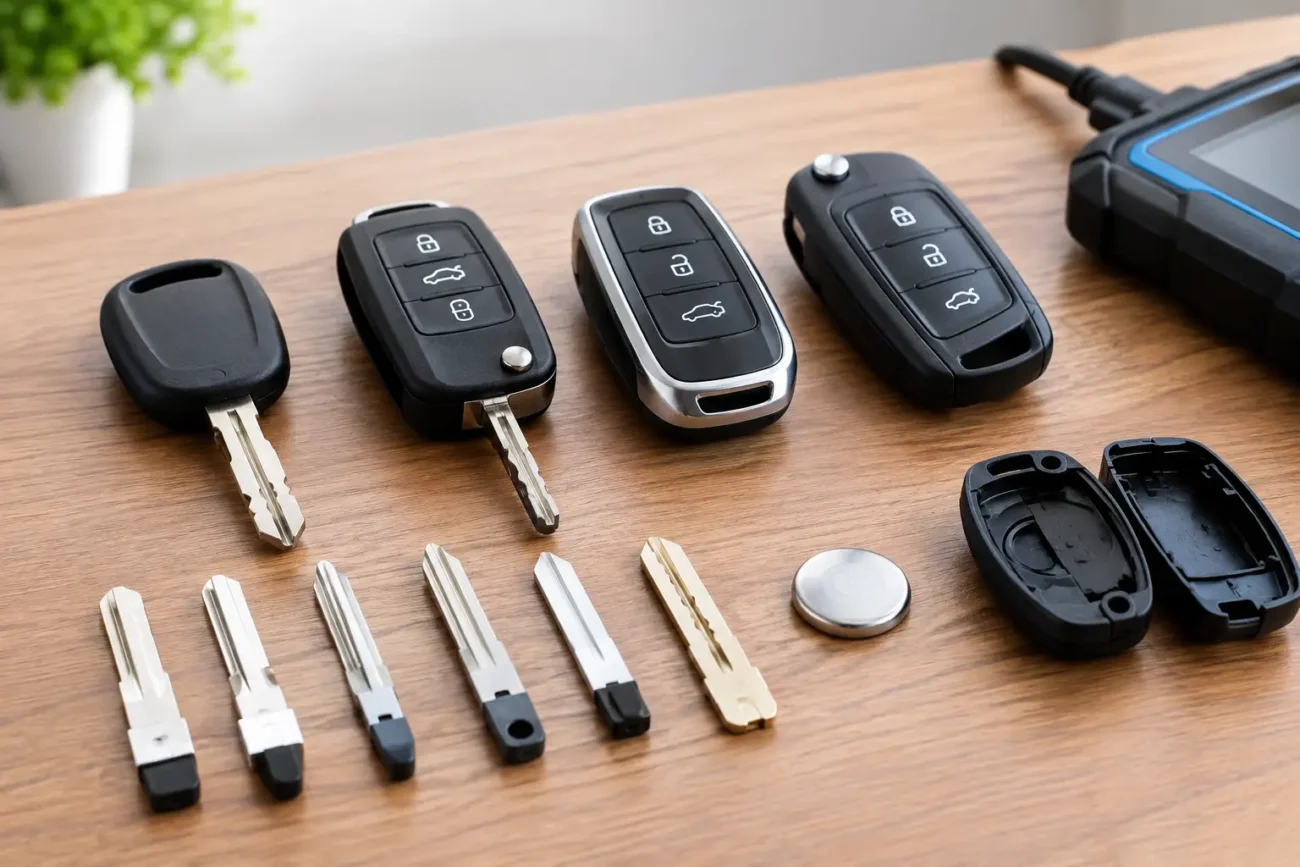
Before buying, compare the following details with the original key or vehicle requirements:
- Button count and button functions, including whether there is a separate boot or panic button.
- Remote frequency, commonly shown in MHz on the original remote or its internal board.
- Blade type and profile for traditional or flip-key designs.
- Transponder chip type and whether a chip is supplied, reusable or required separately.
- Part number, FCC-style reference, board number or any other visible identifier.
- Whether the vehicle uses a conventional ignition key or a smart proximity system.
Photos are valuable, particularly where key shells and remotes have similar outer shapes. Compare the button positions, blade hinge arrangement, battery location and rear casing. If the original remote is missing, use the vehicle registration details, VIN and manufacturer information as supporting references, but do not rely on appearance alone.
Replacement remote, key shell or smart key?
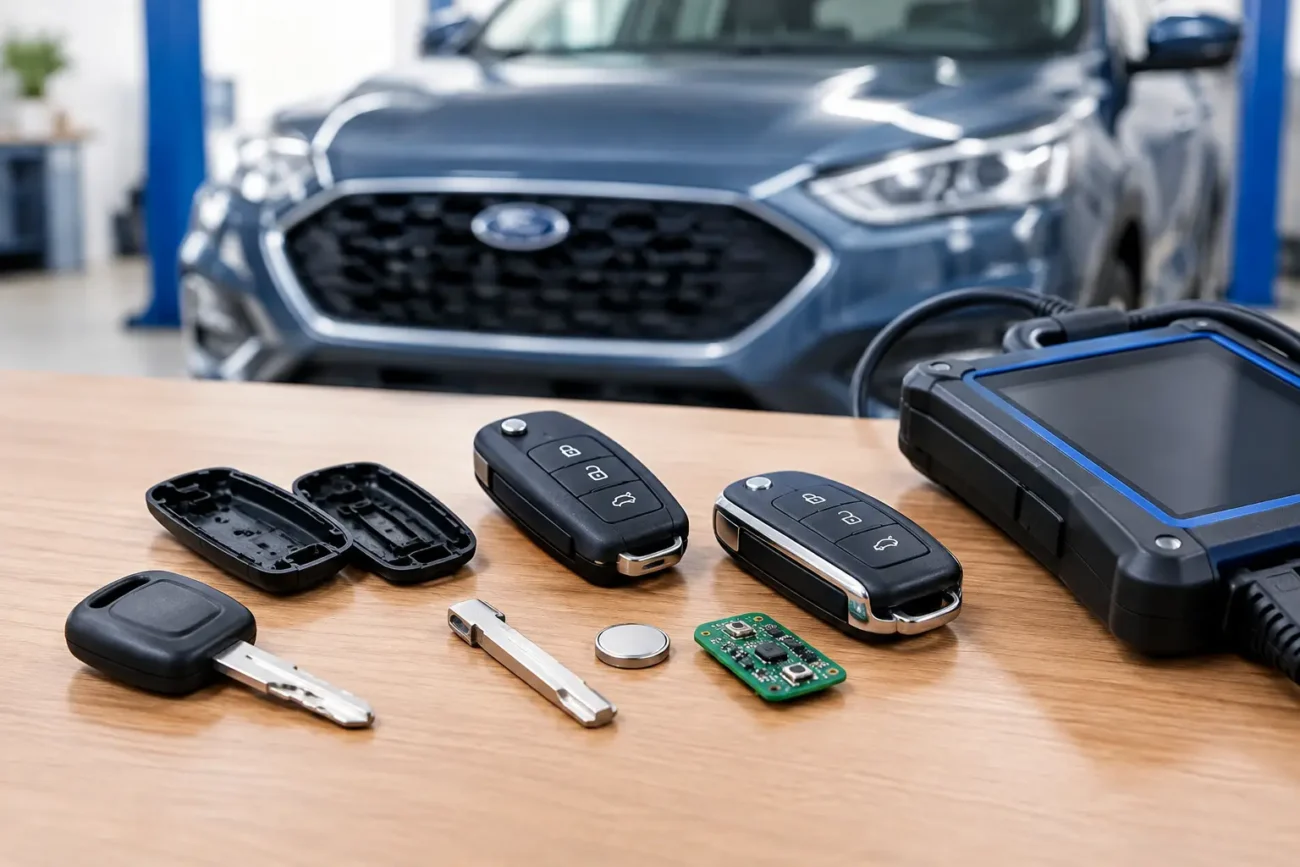
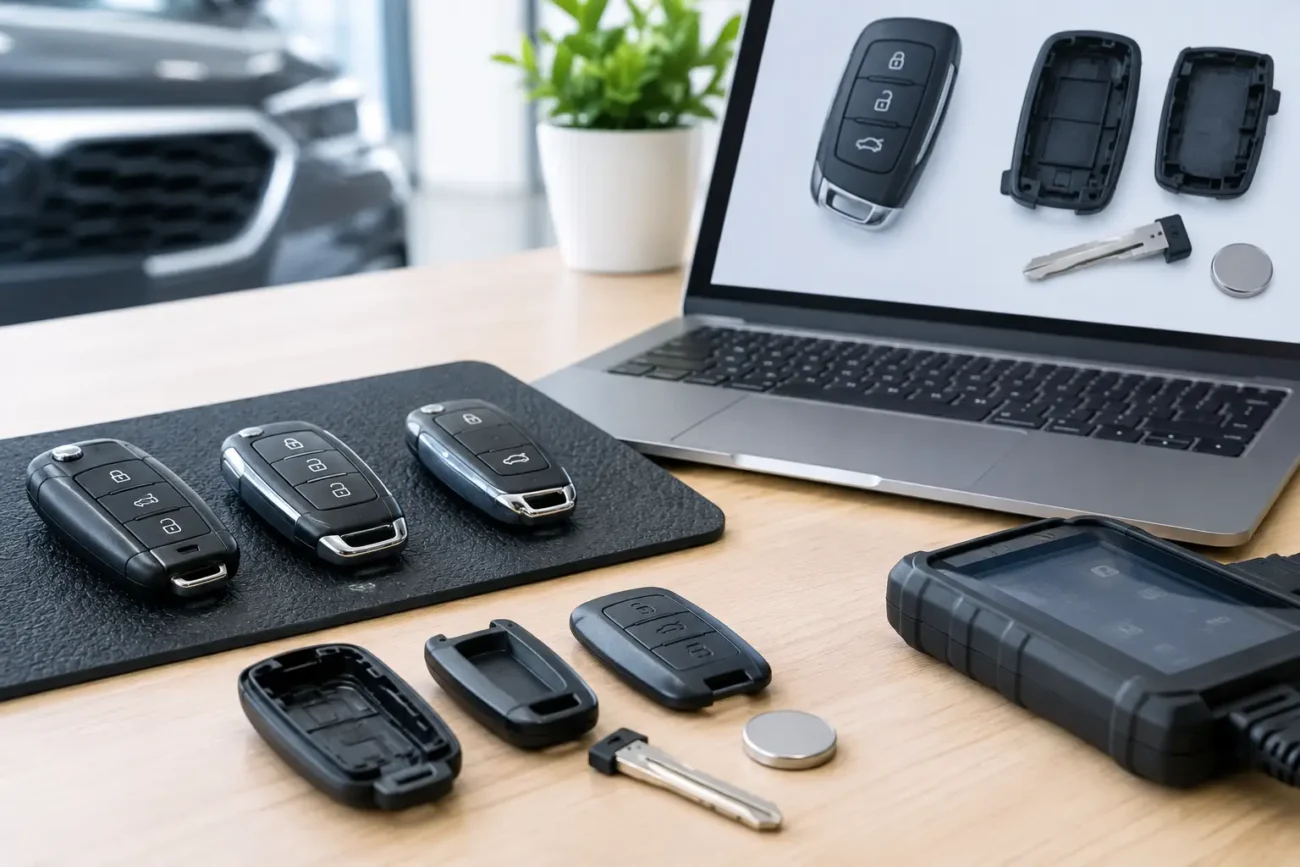
The fault determines what should be replaced. If the remote works but the buttons are worn, the blade is loose or the case is cracked, a replacement shell may be the most cost-effective answer. The existing circuit board, transponder and battery can usually be transferred into the new shell, provided it is designed for that exact remote style.
If the buttons have stopped working despite a fresh battery, the circuit board is damaged, or the remote has been lost, a complete replacement remote may be required. This may include a new board and transponder, but it will usually need cutting and programming before it can operate the vehicle.
Smart keys are different again. They may contain proximity electronics, a mechanical emergency blade and a transponder arrangement specific to the vehicle. Their specification needs especially careful checking, as matching the shape alone is not sufficient.
Why frequency and chip type matter
The frequency is the radio channel used by the remote to communicate with the car. A remote with the wrong frequency may look identical, fit the same shell and still fail to operate the central locking. Frequency can vary by model, market and production year, so it should be treated as a key compatibility check rather than an optional detail.
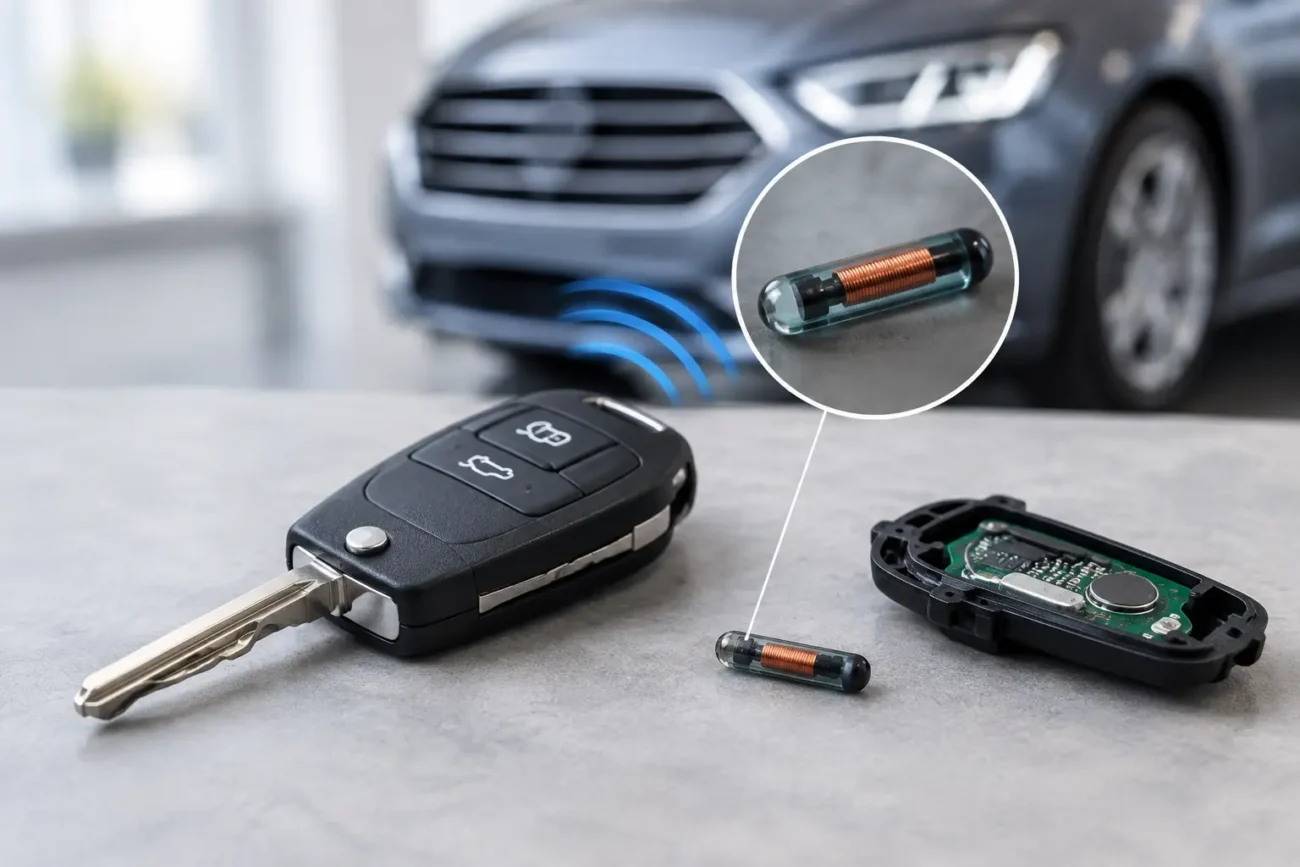
The transponder chip serves a separate purpose. It communicates with the immobiliser and permits the engine to start when correctly programmed. On some Hyundai keys, the chip is built into the remote board; on others, it may be a separate component. A replacement arrangement must match the vehicle’s immobiliser system.
For professional buyers, this is where product descriptions with board references, chip information and frequency details are particularly useful. For retail buyers, the practical rule is simple: match every identifiable specification from the old key, then confirm what programming work will be needed after delivery.
Programming a Hyundai replacement remote
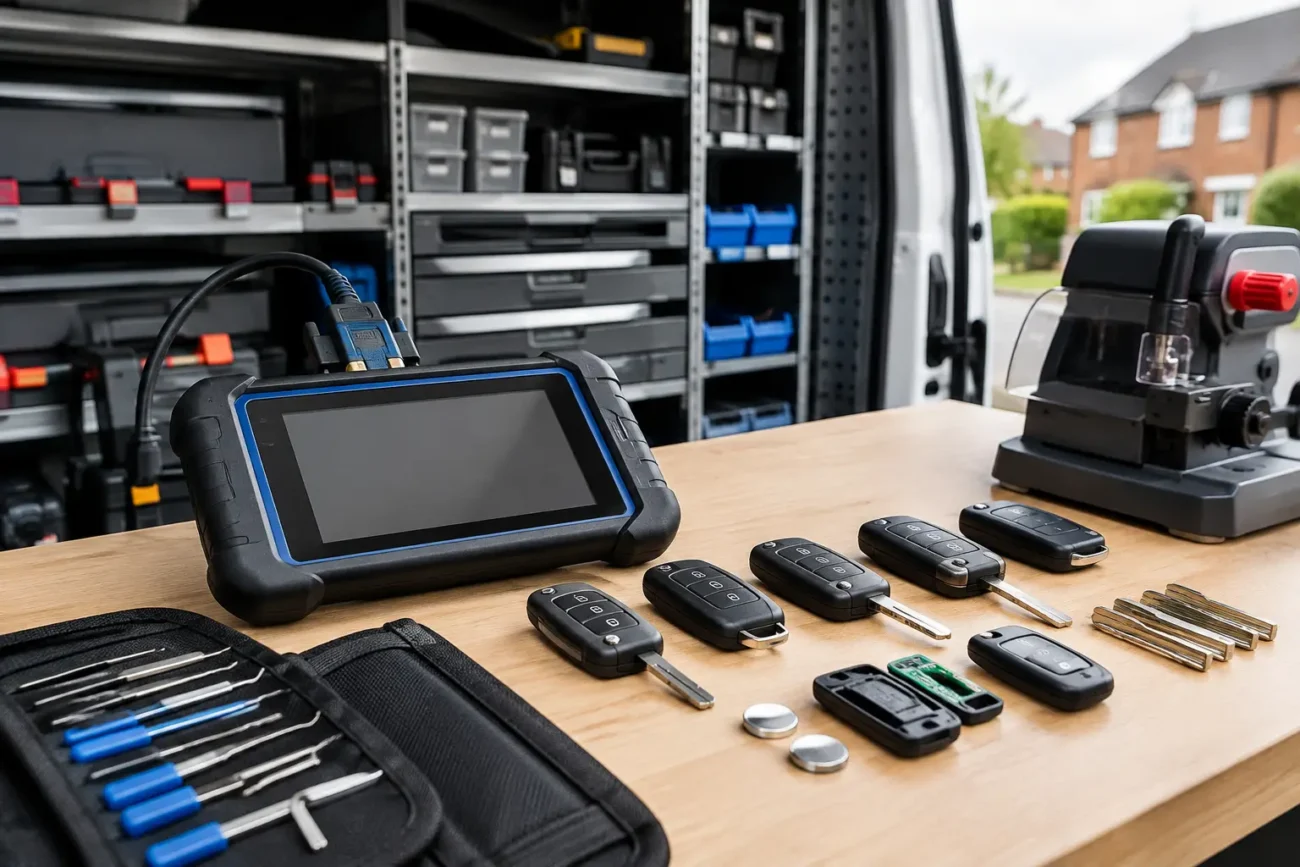
Most replacement Hyundai remotes require programming to the vehicle. The process varies considerably by generation and key type. Some earlier remote functions may have limited manual synchronisation procedures after battery changes, but adding a new remote or key commonly requires suitable diagnostic equipment and, in many cases, an automotive locksmith, garage or key programming professional.
Programming the central locking remote and programming the immobiliser are not always the same task. A key may need remote programming for the buttons and transponder programming for starting authority. Smart keys may require further vehicle-specific procedures. This is why it is worth arranging programming support before ordering a complete remote, particularly when the vehicle has no working spare.
Trade users should also verify whether the remote is supplied ready for programming, whether it is a universal or model-specific product, and whether the chosen programming tool supports the relevant Hyundai system. Tool coverage, software version and vehicle condition can affect the outcome. A quality replacement remote is only one part of a successful key job.
When a battery change is enough
A weak remote battery is often mistaken for a failed key. Reduced range, intermittent button response or a remote that only works close to the vehicle can all point to a battery nearing the end of its life. Replacing the battery is a sensible first check when the casing and buttons are intact.
Use the battery type specified for the remote, normally printed on the cell itself or inside the casing. Fit it with the correct polarity, keep the circuit board dry and avoid touching components unnecessarily. If the remote still fails after a new battery, inspect the button contacts and casing for wear before deciding whether a shell or full replacement is needed.
A battery change does not normally erase the immobiliser programming, although some remotes may need to be resynchronised afterwards. If the key starts the car but the buttons do not operate the locks, the issue is more likely to be with the remote function, battery contacts or pairing than the immobiliser chip.
Choosing a replacement without dealership pricing
Aftermarket Hyundai remote options can provide a practical alternative when the original key is damaged, lost or needed as a spare. The trade-off is that the buyer must take more responsibility for matching the specification and arranging cutting or programming where required. That careful checking is worthwhile, as it avoids paying for an unsuitable key or a repeat programming appointment.
A complete replacement is often appropriate when the original is missing or beyond repair. A replacement shell is usually the better value choice when the electronics are proven to work. Buying a spare while one working key remains can also reduce pressure if the main key later fails or is misplaced.
When comparing products, look for clear fitment information rather than broad claims. A listing should help identify the button arrangement, blade type, frequency, transponder provision and any known part references. Quality matters too: a poorly fitting shell can damage button contact, while inconsistent remote electronics can create avoidable programming issues.
A practical check before ordering
Take a clear photograph of both sides of the existing key, plus the circuit board if the casing is already open. Record every number visible on the case and board, confirm the blade style, count the buttons and check whether the car uses a physical ignition or push-button start. These details make selection far more accurate.
If you are ordering for a customer vehicle, establish whether any working keys are available and what programming equipment or support will be used. If you are ordering for your own Hyundai, ask a local automotive key specialist or garage about programming availability before the replacement arrives. This keeps the process efficient and avoids having a correctly supplied key that cannot yet be put into service.
A Hyundai key is a small component with several jobs to do: access, immobiliser authorisation and, on some models, smart-entry control. Match the technical details carefully, choose the replacement level that suits the fault, and you will have a more dependable result. Global Keys Direct supports that approach with specialist key stock and clear product-focused information for both motorists and trade professionals.
Add a review
Your email address will not be published. Required fields are marked *