
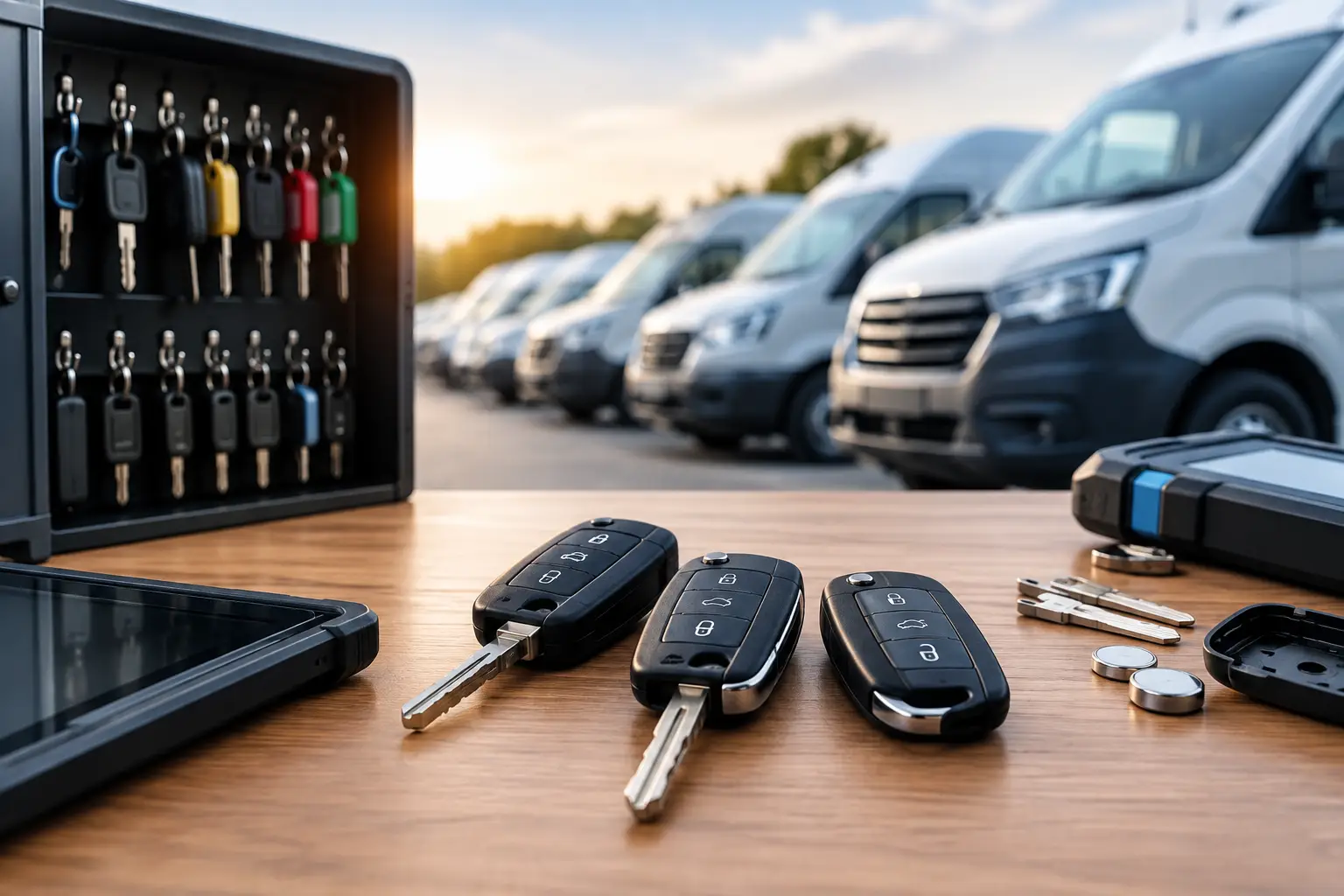
Fleet Key Management for Safer Daily Operations
A vehicle sitting unused because its key cannot be found is more than a minor inconvenience. It can delay a delivery, hold up a technician, leave a driver without transport and create an avoidable security concern. Effective fleet key management gives businesses a clear system for controlling physical keys, remote fobs and smart keys across every vehicle.
For a two-van operation, this may be a locked cabinet and a written handover process. For a larger fleet, it could involve named access, electronic sign-out records, spare-key stock and a clear replacement procedure. The right approach depends on fleet size, vehicle type and how often drivers change, but the principle is consistent: every key should have an owner, a location and a record.
Why fleet key management affects daily operations
Keys are small, portable and easy to overlook until something goes wrong. Unlike a missed service interval, a missing key can stop a vehicle immediately. This is particularly disruptive for businesses running time-sensitive work, including garages, mobile engineers, delivery operators, care providers and trade fleets.
Poor control also leads to unnecessary cost. A key may be replaced in a hurry because a spare was not recorded, stored correctly or checked for condition. Older remote fobs can suffer from worn buttons, damaged cases or weak battery contacts, while smart keys may be lost without anyone knowing which vehicle they belonged to. When records are incomplete, the business may order the wrong replacement or discover too late that programming is required.
A structured process reduces those pressures. It also makes accountability fairer. Drivers know where to collect and return keys, supervisors can see which vehicle is assigned, and the person handling replacements has the details needed to source the correct product without guesswork.
Build a key register that works in practice
A fleet key register does not need to be complicated, but it must be current. The most useful register links each vehicle to its registration, make, model, year, key type and the number of working keys held. It should also identify where each key is stored and who has taken it.
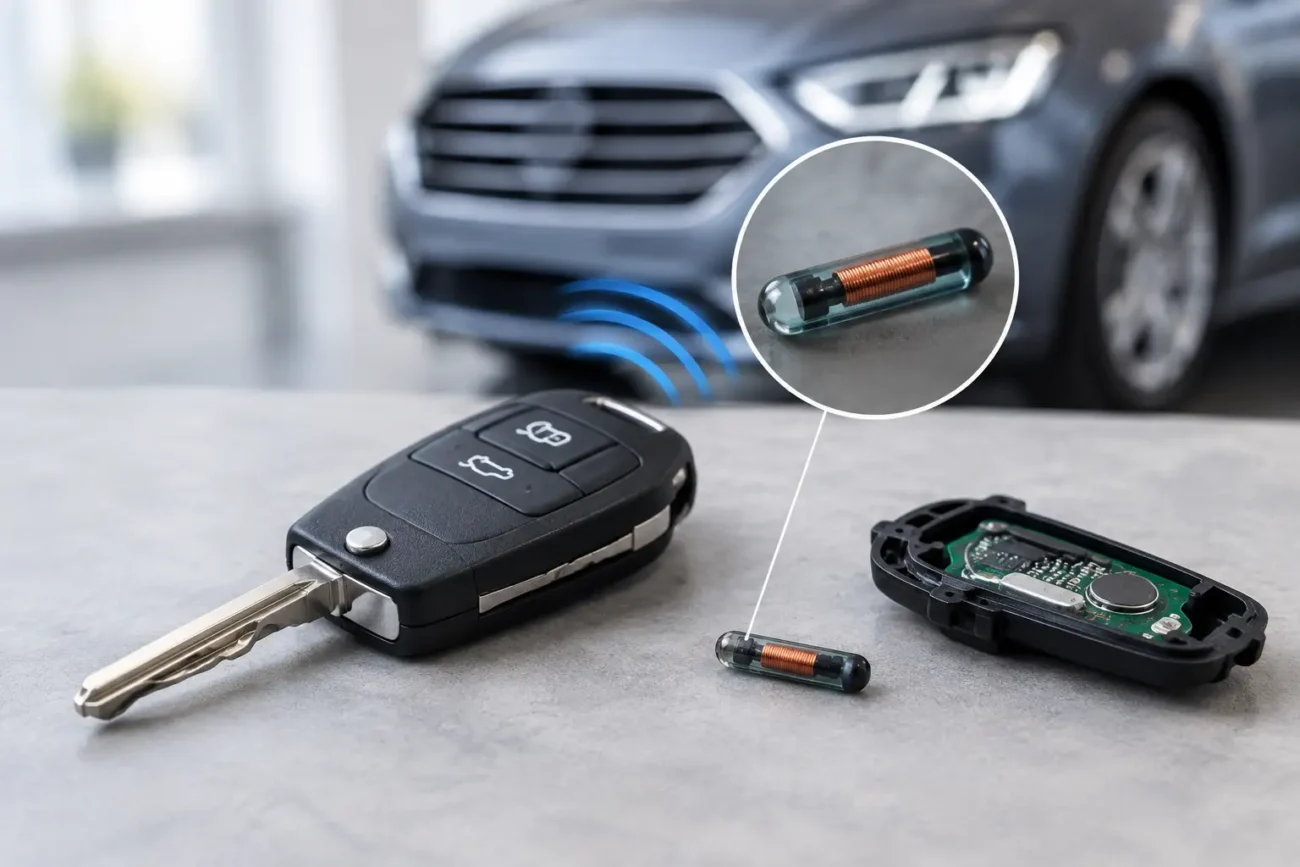
For modern vehicles, record details that matter when ordering a replacement. This can include the number of buttons, blade profile, remote frequency, transponder chip type and any visible part number on the existing key or circuit board. A key that looks similar may not be suitable for the vehicle, so these identifiers are far more useful than make and model alone.
It is sensible to include the date a battery was changed, whether the remote functions correctly and whether the key case is damaged. This turns the register into a maintenance tool rather than a list that is only opened after a key goes missing.
Keep custody records simple
The best sign-out process is the one people will follow during a busy morning. Each collection and return should show the driver, vehicle, time and condition of the key. Paper logs can work for small premises, but a shared digital record is often easier to search and review.
Avoid informal key swapping between drivers without updating the record. It saves a few seconds at the time but can cost hours later when a vehicle needs to leave and nobody can establish who last had the fob. Where several staff share vehicles, a key cabinet with numbered positions and controlled access provides a practical layer of order.
Set a sensible spare-key policy
A working spare is one of the most useful protections a fleet can hold. It allows a vehicle to stay in service when a main key is damaged, misplaced or sent away for assessment. The spare should not travel permanently in the same vehicle as the primary key. If the vehicle and key are lost together, it offers no contingency.
The number of spares required will vary. A director’s occasional-use car may need a different arrangement from a van that completes multiple calls each day. High-use vehicles, vehicles based away from the main site and vehicles with specialist key technology generally justify closer planning.
Store spare keys in a secure, access-controlled location and label them to the fleet record rather than with unnecessarily obvious vehicle details. Review them periodically to confirm they still operate the vehicle. A spare that has a flat battery, cracked shell or untested remote is not a reliable fallback.
Replace worn keys before they fail
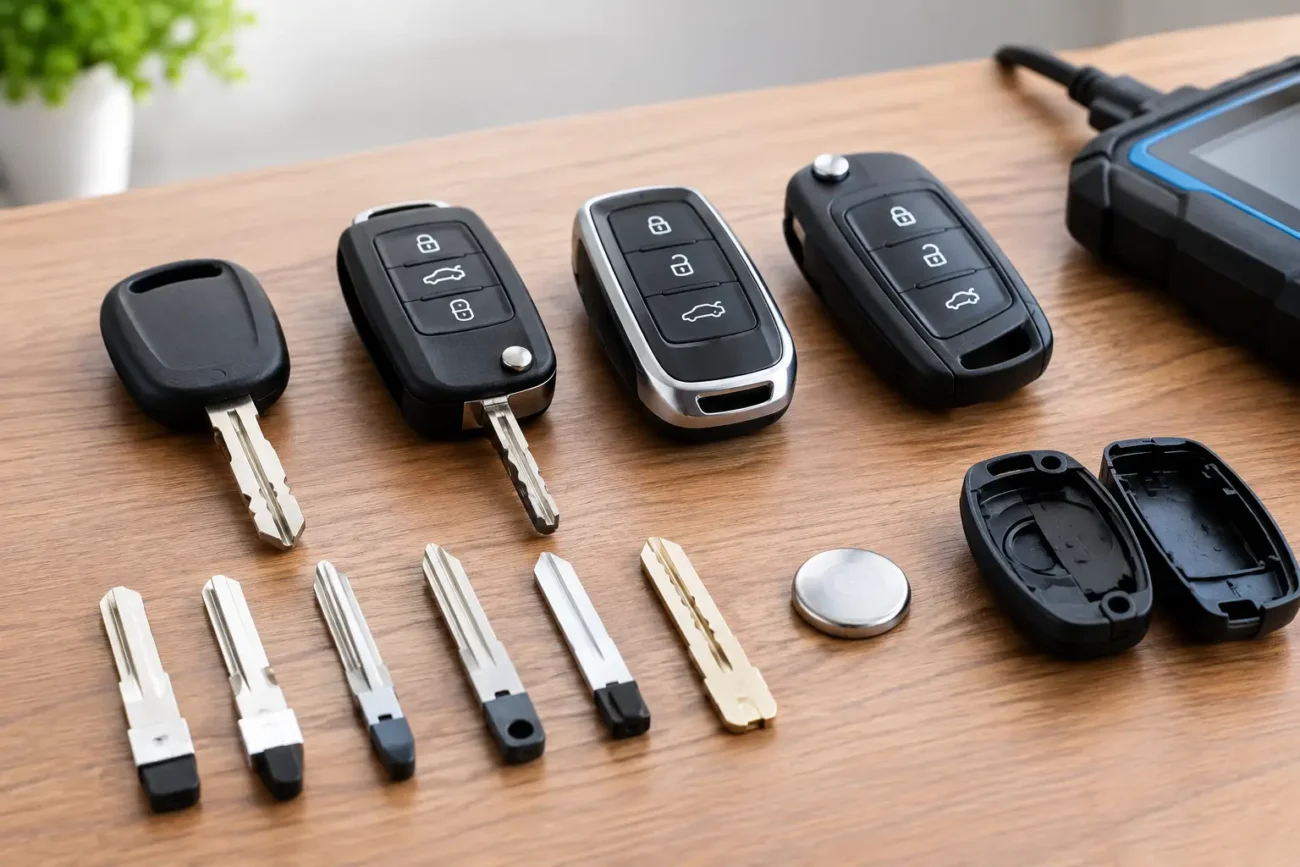
Not every key issue needs an entirely new programmed unit. In many cases, the electronics still work and the problem is mechanical. A worn or split remote shell, sticking button pad, loose blade or tired battery can often be addressed with the correct replacement component.
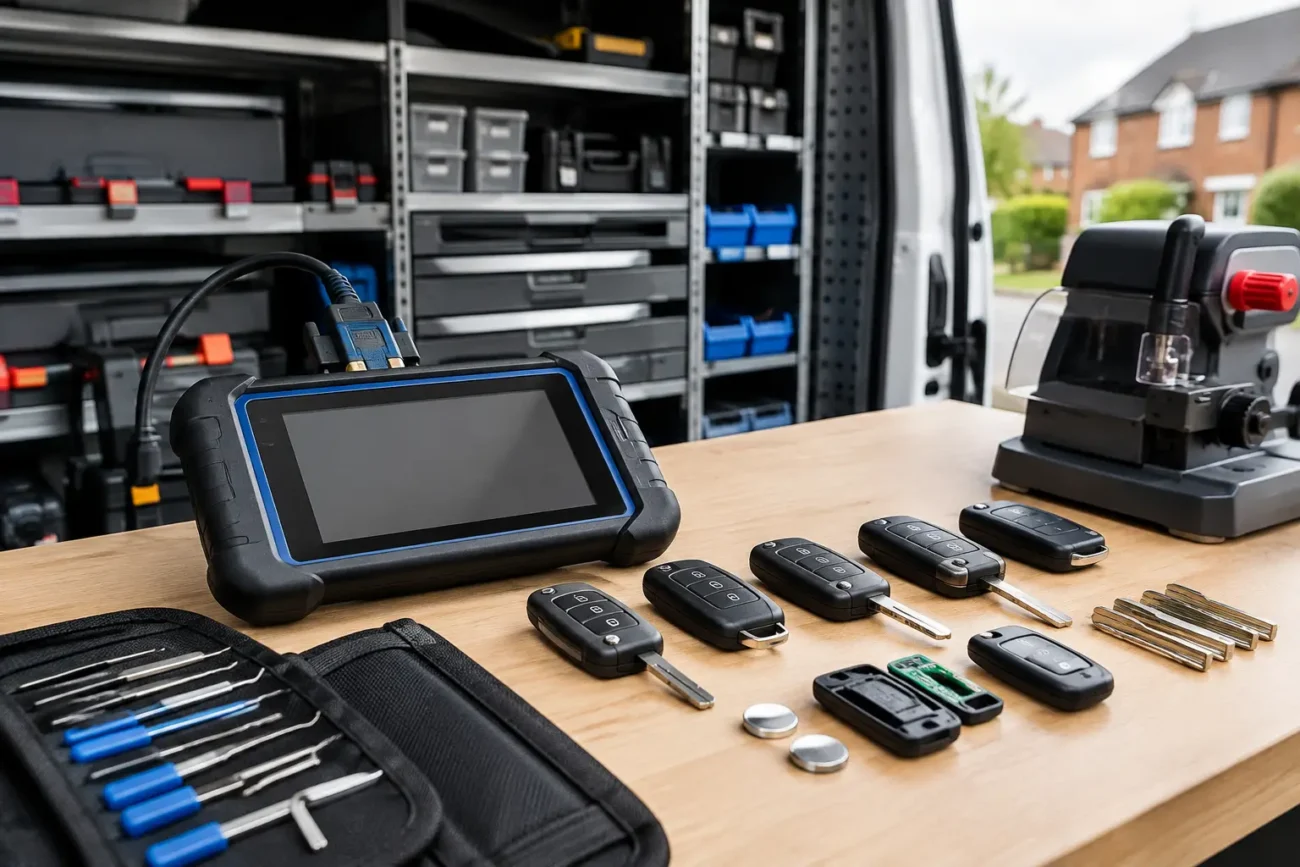
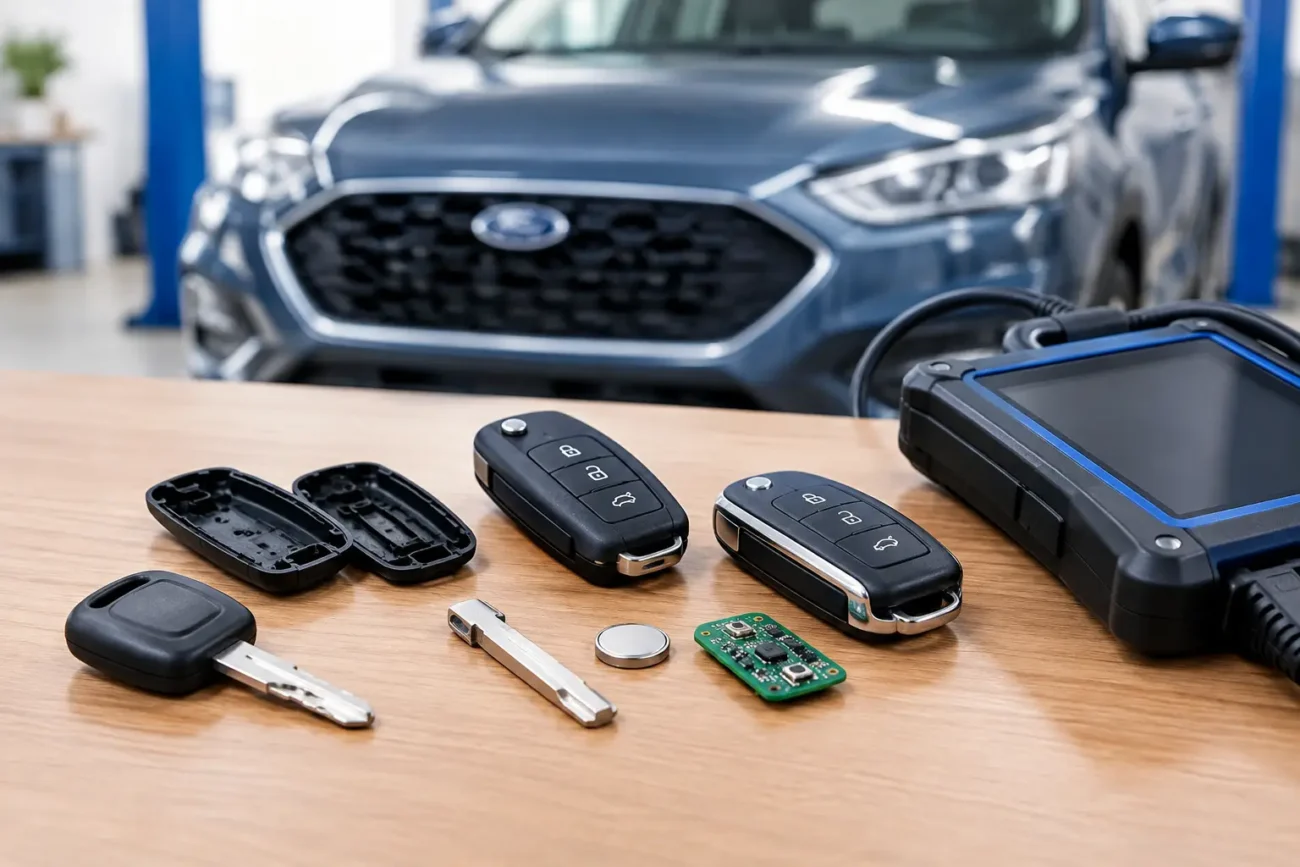
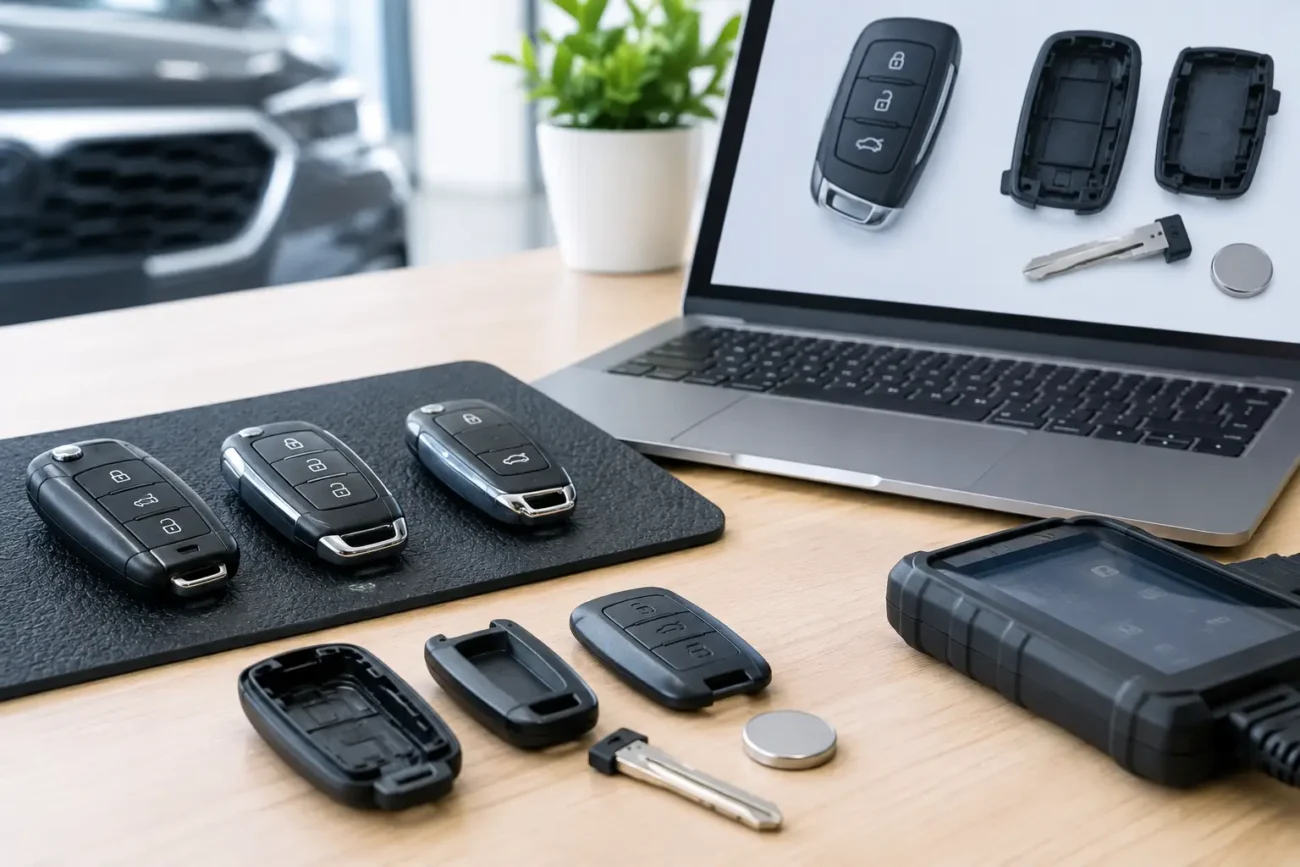
This is where accurate identification matters. Check the button layout, blade type, internal board shape and case style before selecting a replacement shell. For remote fobs and smart keys, check the listed compatibility details against the key in hand. Moving an existing circuit board into a compatible shell may be appropriate for certain products, while other faults will require a replacement remote and professional programming.
Replacing a damaged shell early can prevent a more expensive loss later. A remote that separates from its blade, for example, is far easier to misplace during a shift. Keep a small stock of frequently needed batteries and suitable shells where fleet vehicles are maintained, but only where staff can identify the right item with confidence.
Plan for lost, stolen and non-working keys
A clear escalation route is essential. Staff should know exactly who to contact, what vehicle information to provide and whether the key is believed lost, stolen or simply faulty. These are different situations and should not be treated as interchangeable.
If a key is suspected stolen, act promptly in line with the company’s security policy and seek advice from an appropriately qualified automotive key professional or the vehicle manufacturer. Depending on the vehicle and circumstances, the business may need to assess the security of keys still authorised to operate it. Do not leave sensitive decisions to an informal assumption that the key will turn up.
For a lost or failed key, gather the vehicle registration, VIN where appropriate, existing key details and any part numbers before ordering. This avoids the common delay of receiving a key with the wrong frequency, blade, button configuration or transponder specification. A replacement may also need programming or pairing to the vehicle, so schedule that work before the vehicle is needed for its next shift.
Buy fleet replacements on specification, not appearance
Fleet buyers often need speed, but speed should not mean guessing. Two keys from the same manufacturer can look almost identical while using different electronics, frequencies or blade arrangements. Ordering by photograph alone is a risk, particularly across model years and trim levels.
Before purchasing a shell, remote fob, blade or smart key, verify the product fitment information against the original key and vehicle. Check the number of buttons, frequency, chip type, blade style and part number wherever available. For trade users, retaining photographs of the original key, front and back, alongside board markings can make repeat ordering much more efficient.
Global Keys Direct supplies a broad range of vehicle-compatible replacement key products, including shells, remotes, blades, smart keys, batteries and professional key equipment. For ongoing fleet work, keeping clear key records makes it easier to select suitable parts quickly and helps prevent costly ordering errors.
Review the system after every incident
A missing key, damaged fob or delayed replacement is useful evidence. Rather than treating it as a one-off problem, ask why the process failed. Was the key not signed out? Was the spare inaccessible? Did the register lack the information needed to identify a replacement? Was a worn case ignored until it broke?
A short review can lead to practical improvements, such as clearer cabinet labels, an additional spare for a high-use vehicle or a better record of part numbers. Fleet key management is not about adding bureaucracy to a busy operation. It is about making sure a small but essential item never becomes the reason a vehicle cannot do its job.
The most useful next step is simple: choose one vehicle, check every key associated with it and record the details properly. That single check often reveals the gaps worth fixing across the rest of the fleet.
Add a review
Your email address will not be published. Required fields are marked *