
What Causes Car Key Signal Loss? Common Faults
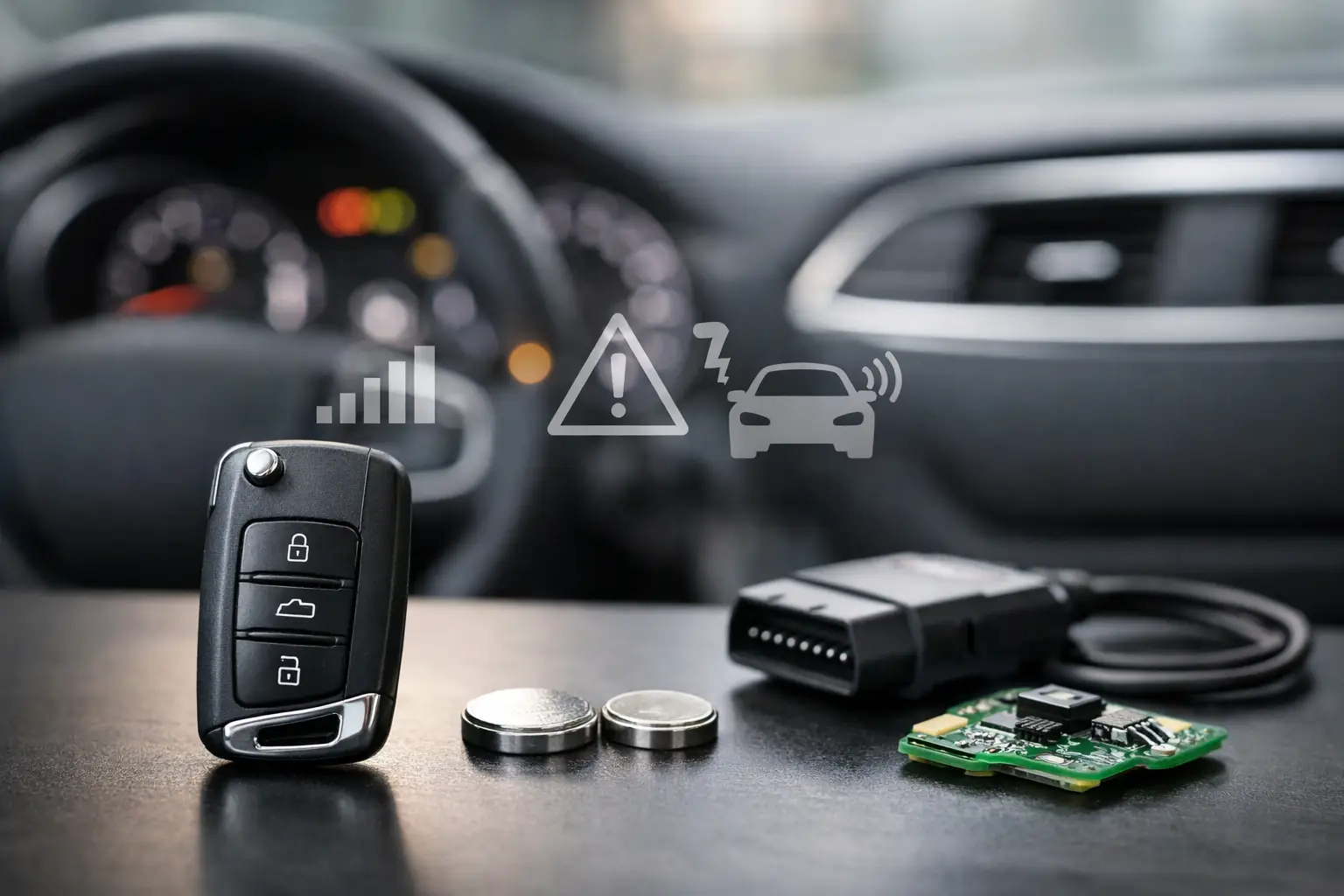
A remote that only works from a few inches away, responds intermittently or stops unlocking the car altogether is frustrating – especially when the vehicle itself appears perfectly normal. If you are asking what causes car key signal loss, the answer is usually found in one of three places: the key fob, the local environment or the vehicle’s receiving system.
Modern vehicle keys are compact radio devices as well as security components. A flat battery, damaged circuit board or incorrect replacement remote can all affect operation, but so can radio interference and faults within the car. Identifying the symptom before ordering parts helps avoid wasted time and the wrong replacement.
The most common causes of car key signal loss
A weak or flat key fob battery
The coin-cell battery is the first item to check. It may still have enough charge to illuminate an LED or operate the remote occasionally, yet lack the stable voltage needed to transmit a dependable signal over normal range. This is why a fob may work only when held close to the driver’s door or windscreen.
Battery drain can be gradual, particularly in keys used daily, keys stored in a cold vehicle or remotes with a button that is being pressed accidentally in a pocket or bag. Corrosion on the battery contacts can create similar symptoms, even with a fresh battery fitted.
Use the battery reference specified for the key, fit it with the correct polarity and make sure the contacts are clean and seated firmly. A battery that is the right physical size but the wrong specification may not provide the expected service life or contact pressure.
Physical damage inside the remote
A key shell can look tidy while the electronics inside have suffered damage. Dropping a fob, sitting on it, exposing it to rain or washing it in clothing can affect the circuit board, battery terminals, microswitches or the aerial section of the remote.
Button failure is often mistaken for signal loss. If lock works every time but unlock does not, the vehicle receiver is less likely to be the issue. The individual button switch or the plastic button pad may be worn or misaligned. Equally, if the fob works only when the case is squeezed, a loose battery terminal, cracked solder joint or damaged casing may be interrupting the circuit.
For some keys, replacing a worn outer shell and transferring the original electronics is a cost-effective repair. If the circuit board itself is damaged, a compatible replacement remote may be required, followed by the appropriate programming or synchronisation procedure for that vehicle.
Radio-frequency interference
Car key remotes communicate using radio frequency, commonly 433 MHz on many UK and European applications, although frequency varies by manufacturer, model and market. Local interference can reduce the effective range or block communication temporarily.
This tends to be location-specific. If the remote fails outside one office, supermarket, station or residential area but works normally elsewhere, interference is a credible explanation. Nearby transmitters, poorly shielded electrical equipment and even certain security systems can create enough noise to affect a low-power fob signal.
Move the car if possible and test the remote again away from the suspected location. Do not assume the key has failed simply because it stops working in one place. Conversely, if it has poor range everywhere, the cause is more likely to be the battery, remote electronics or vehicle receiver.
Faults with the vehicle receiver or aerial
The key fob transmits, but the car must also receive and interpret that transmission. Depending on the vehicle, the receiver may be integrated into a body control module, door module, roof aerial, rear screen aerial system or dedicated receiver unit. A fault in this area can mimic a defective key.
A useful comparison is to try a second working key. If both remotes have weak range or neither operates the central locking, attention should move towards the vehicle side of the system. A discharged vehicle battery, blown fuse, water ingress, wiring issue or module fault can all affect remote locking operation.
This is also where symptoms matter. If central locking works from the interior switch but not from either remote, the locking motors may be fine while the receiver circuit or key recognition side needs diagnosis. A garage, auto electrician or suitably equipped automotive locksmith can test the system without replacing components on guesswork.
Lost synchronisation and programming issues
Some vehicles can lose remote synchronisation after a low vehicle battery, a key fob battery change or certain electrical work. On other systems, the remote locking functions and the immobiliser transponder are separate. That means a car may start normally but the remote buttons no longer operate, or the remote may lock the car while an immobiliser-related issue prevents starting.
A replacement key is not automatically ready to use because the correct process depends on the make, model, year and key type. Remote frequency, button layout, transponder chip type, blade profile and original part number all matter. Smart keys add further variables, including keyless-entry hardware and vehicle-specific programming requirements.
For trade users, confirming the board reference and frequency before programming protects both job time and stock. For vehicle owners, checking the details from the original key or vehicle documentation before buying is the best route to a compatible replacement. A remote that looks identical can still be electrically unsuitable for the car.
Signal loss versus keyless-entry problems
It helps to separate conventional remote locking from passive keyless entry. With a standard remote, you deliberately press a button and the fob transmits. With passive entry, the car detects an authorised smart key nearby and may unlock when the handle is touched.
Passive systems can be affected by a weak key battery, but they can also be influenced by the vehicle’s proximity aerials, door-handle sensors or a smart key left too close to other electronic devices. If the buttons still work but hands-free entry does not, the issue may not be general signal loss at all.
Many smart keys contain an emergency mechanical blade for access if the remote battery is depleted. The exact arrangement differs by vehicle, so refer to the handbook for the approved emergency entry method. Avoid forcing key covers, handles or blades, as damaged housings can turn a straightforward battery or shell replacement into a larger repair.
A practical way to narrow down the fault
Before replacing the key, work through the symptoms in a logical order:
- Test the spare key, if available, in the same location.
- Fit a new, correctly specified battery and inspect the contacts.
- Try the remote away from the location where the problem first appeared.
- Check whether every remote function fails or only one button.
- Confirm whether the vehicle’s central locking works from the interior controls.
These checks quickly establish whether the likely fault sits with one fob, both keys, the immediate environment or the vehicle. They are also useful details to provide when seeking technical support or ordering a replacement.
When a replacement shell, remote or professional test makes sense
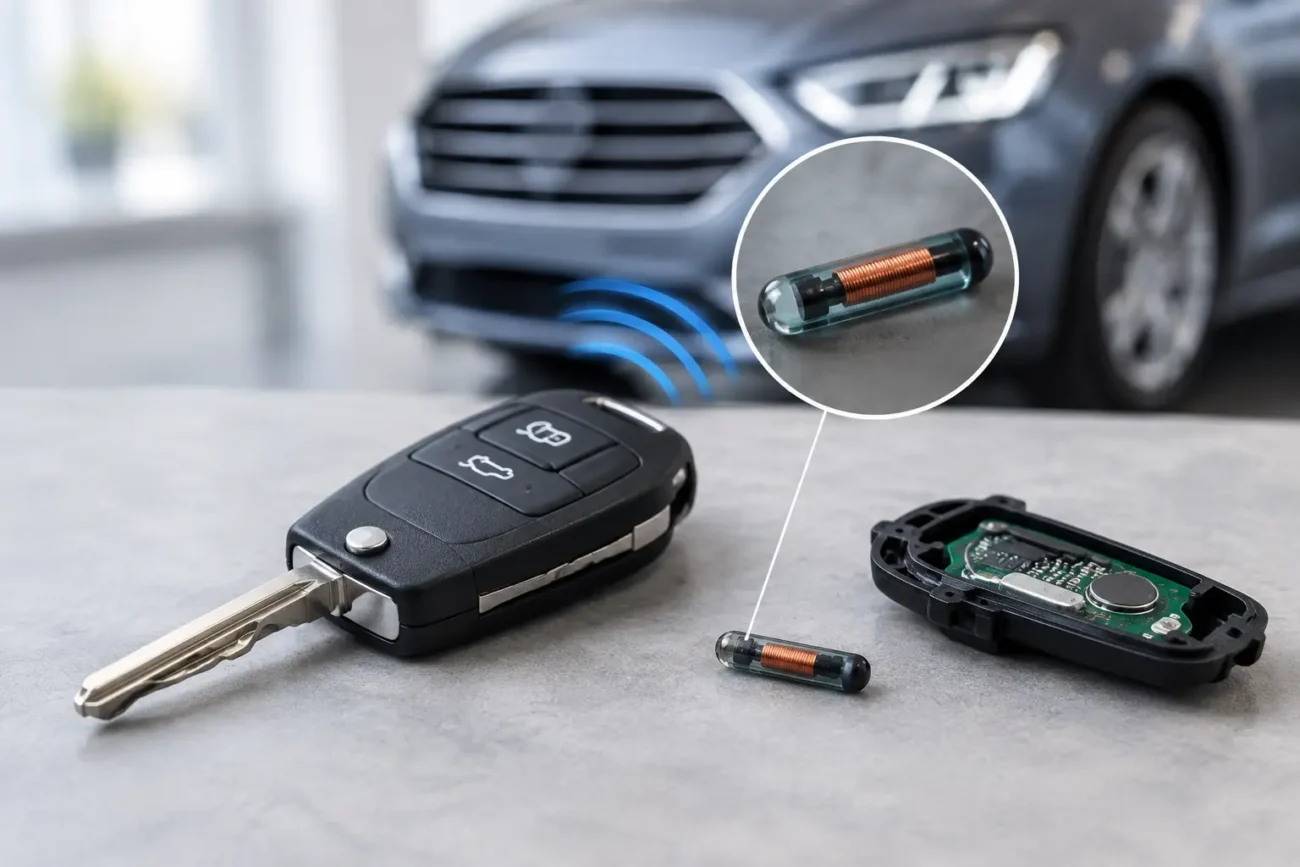
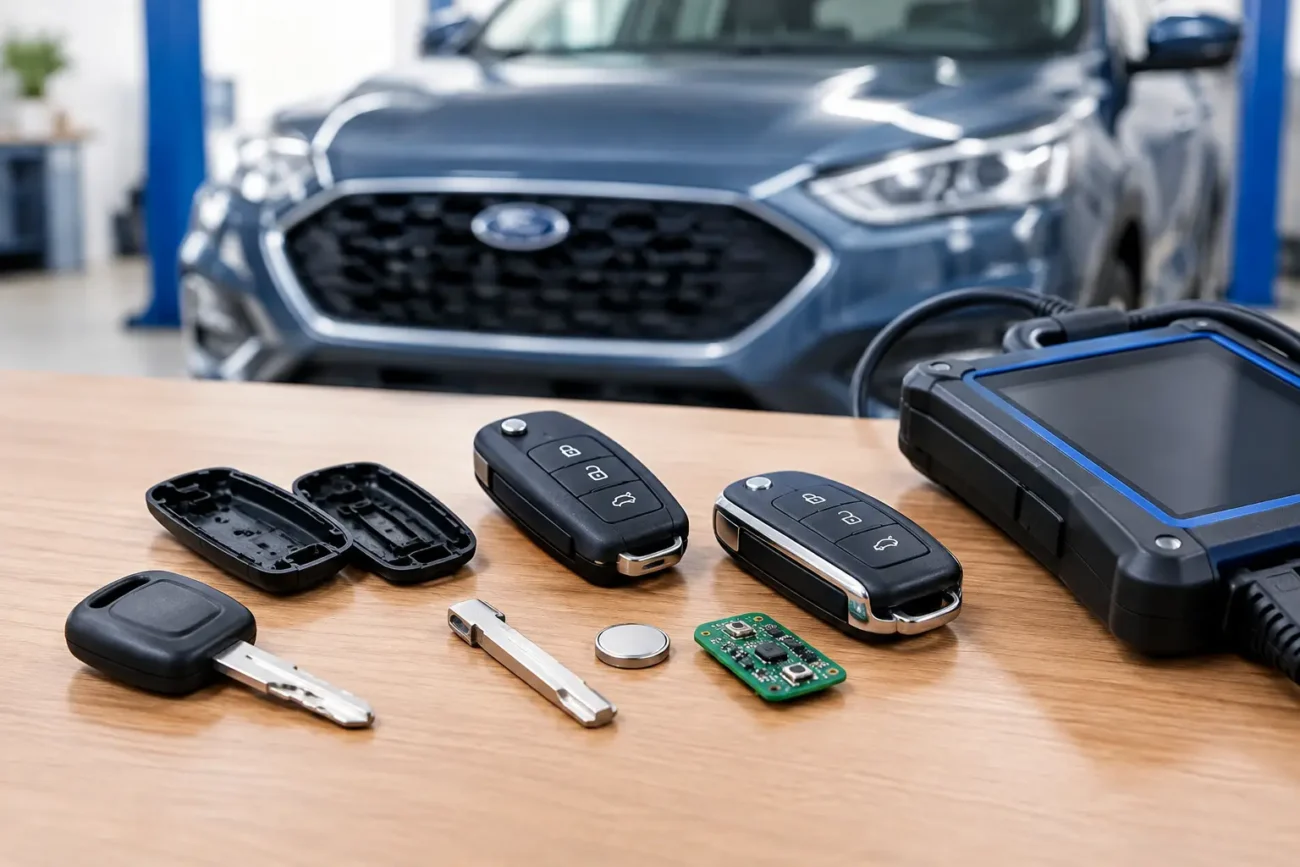
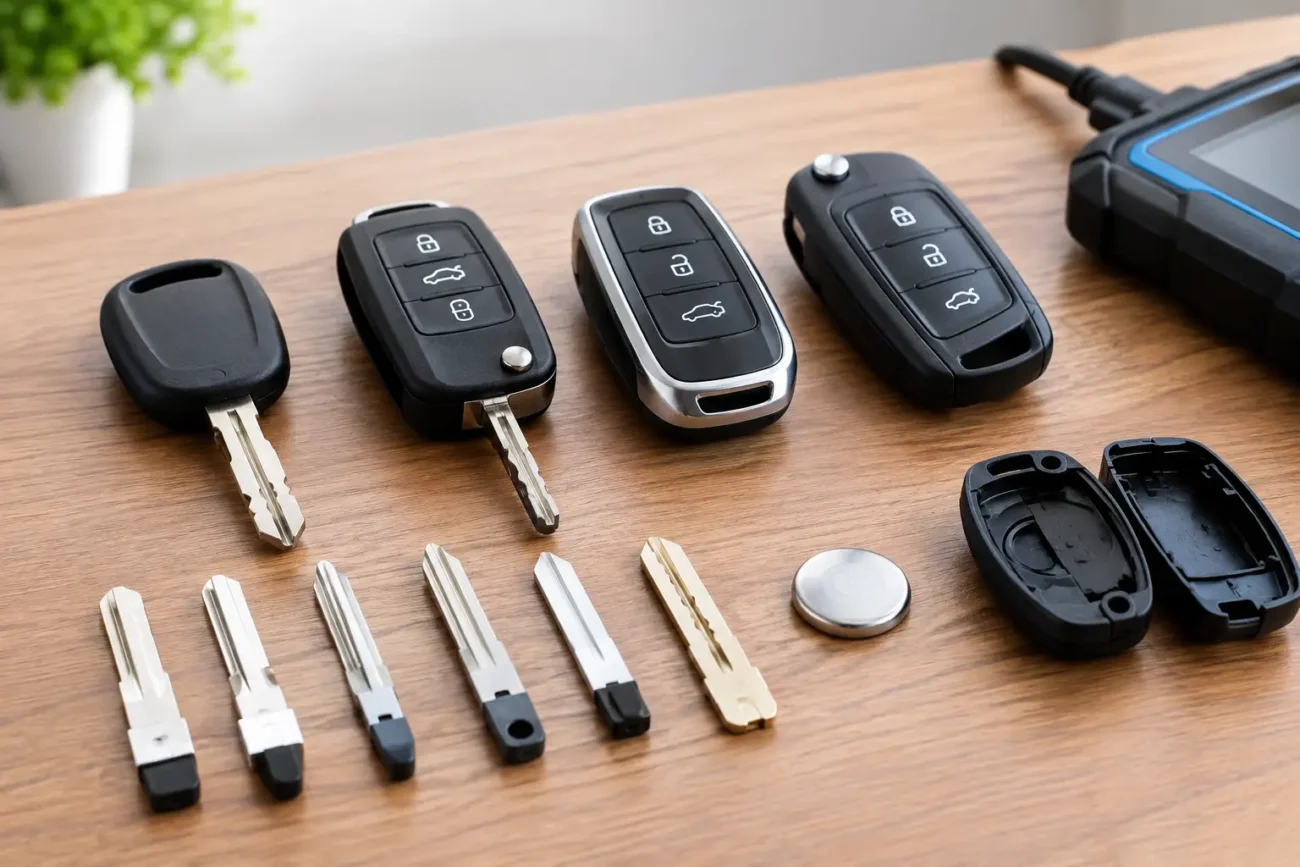
A cracked case, missing buttons or worn blade does not always require a complete key. If the original circuit board and transponder are undamaged, a model-specific replacement shell can restore the key’s physical condition without changing its electronic identity. Care is needed when transferring components, particularly the immobiliser transponder, which may be a small separate chip rather than part of the remote board.
Where the original remote has no transmission, visible corrosion or repeated range problems after a battery change, a replacement remote may be the sensible option. Match the part number where possible, then verify frequency, number of buttons, blade type, chip type and stated vehicle fitment. Visual similarity alone is not enough.
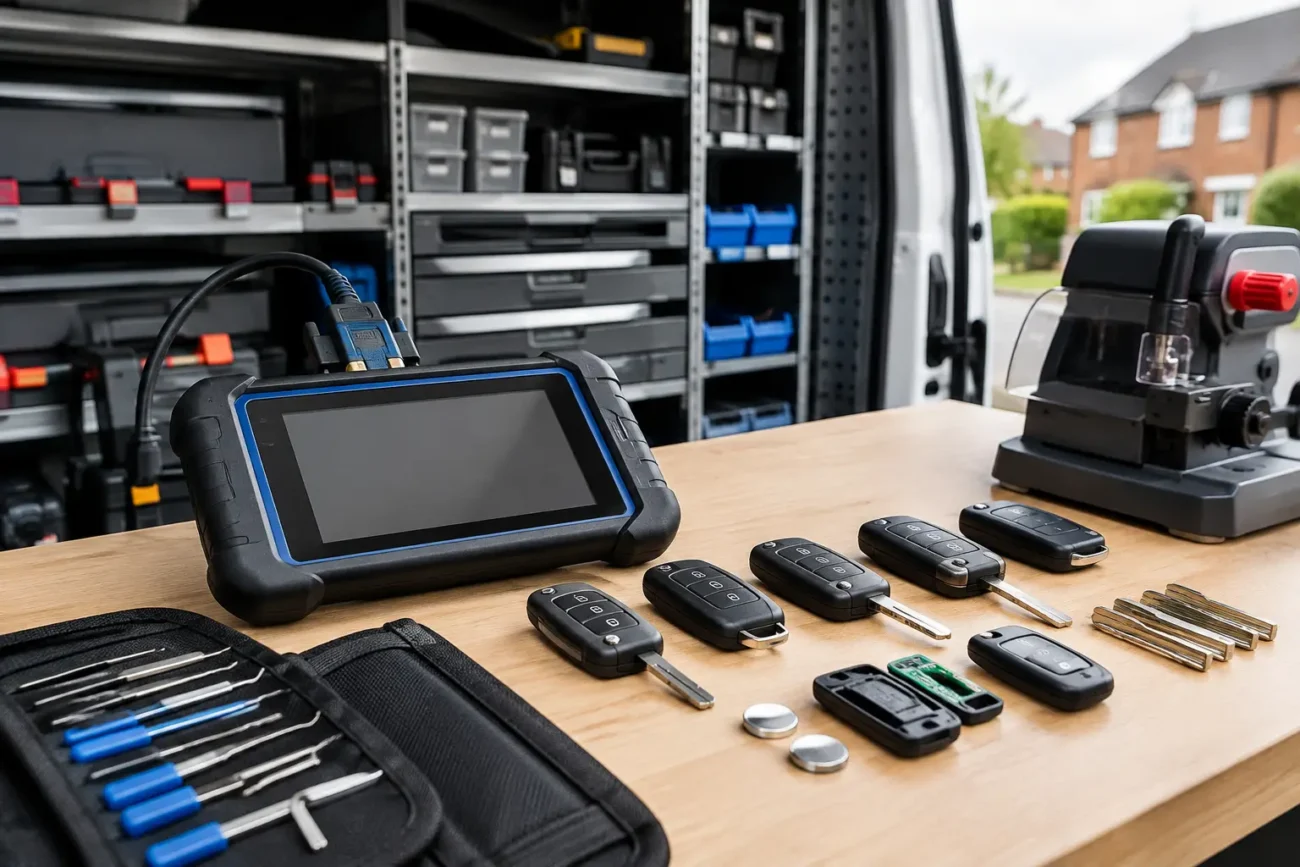
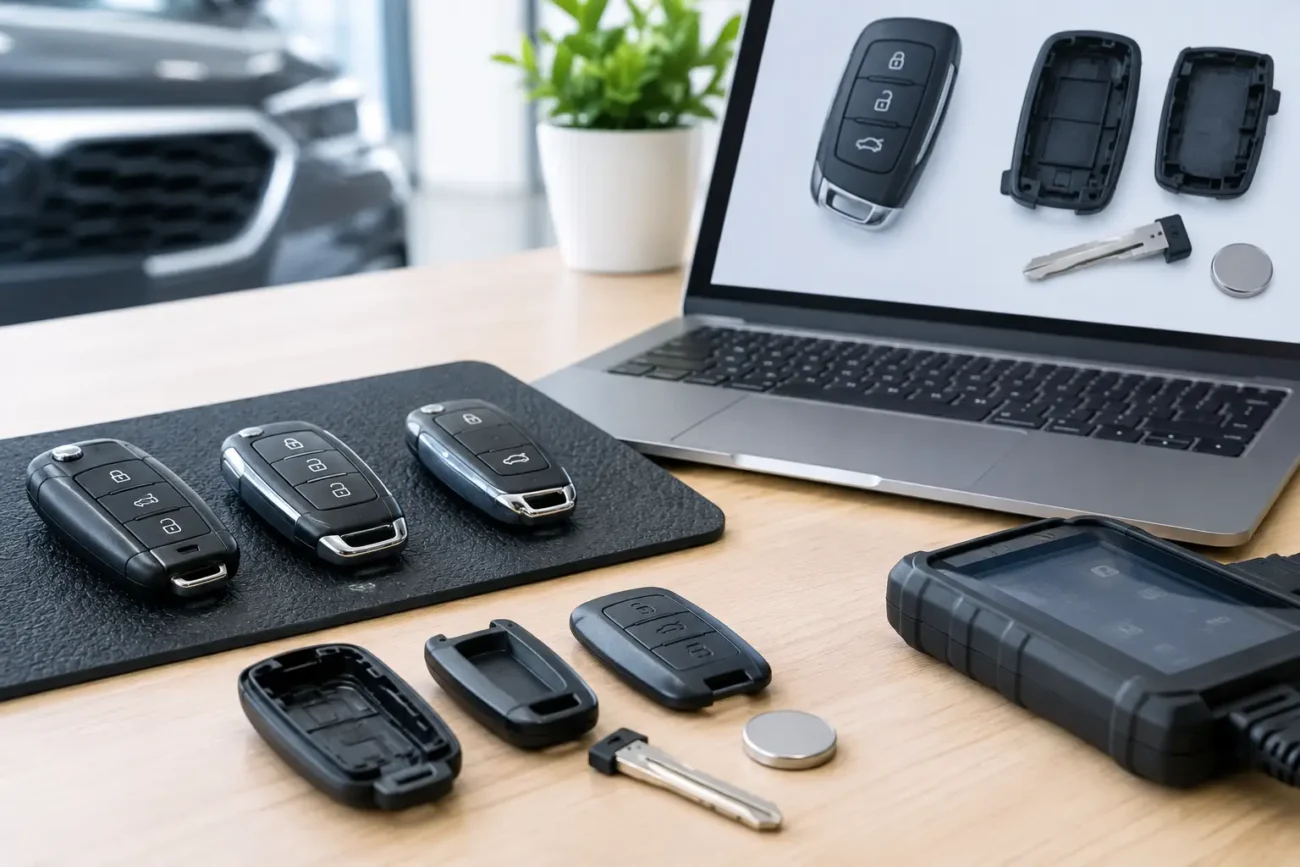
Global Keys Direct supplies a wide range of replacement shells, remote fobs, smart keys, batteries and professional key equipment for major vehicle makes. For any key purchase, accurate identification remains the priority – check the existing key details carefully before ordering.
A key that loses signal is rarely a mystery once the pattern is clear. Start with the battery and a second-key test, then consider interference and vehicle-side faults before replacing parts. That measured approach keeps a simple remote issue from becoming an unnecessary and expensive key replacement.
Add a review
Your email address will not be published. Required fields are marked *