
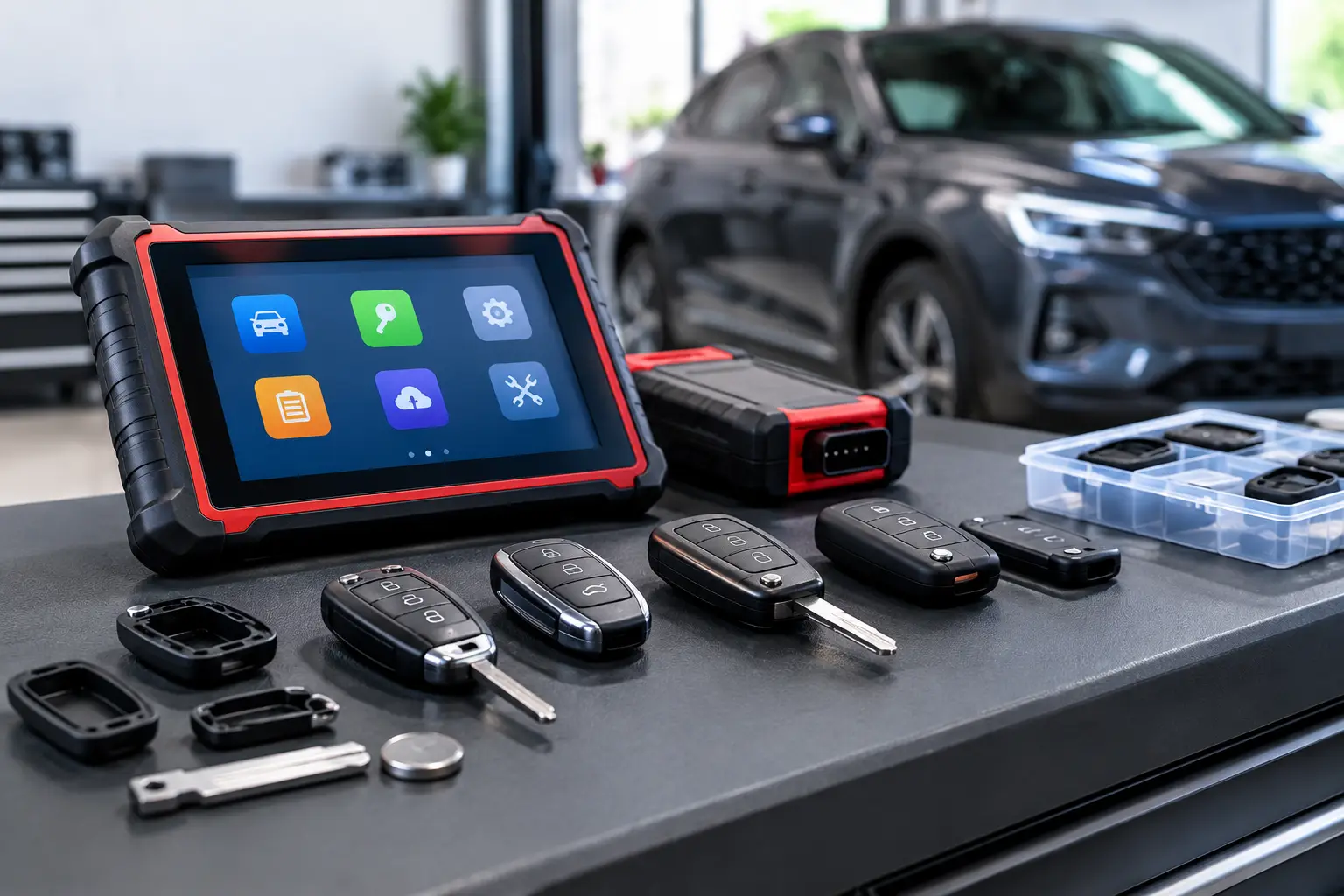
Autel Tools for Faster, Smarter Key Work
A customer is waiting for a spare key, the vehicle has a warning light on, and the job cannot move forward until you know exactly what the car will support. That is where Autel tools earn their place in a locksmith van, garage or key programming bench. The right unit can bring diagnostics, vehicle identification and supported key functions into one practical workflow – provided the tool, software and vehicle are correctly matched.
For professional users, the value is not simply having a screen that communicates with a car. It is reducing uncertainty before a key is ordered, programmed or handed back to the customer. For vehicle owners, it is understanding why a replacement remote and a programming service must be chosen with care rather than treated as a one-size-fits-all purchase.
What Autel tools are designed to do
Autel produces a range of automotive diagnostic and key programming equipment. Individual models vary considerably, but their functions may include reading and clearing diagnostic trouble codes, live data, service functions, vehicle scans, immobiliser-related functions and supported key programming procedures.
The key point is that diagnostic capability and key programming capability are not the same thing. A general diagnostic scanner may be very useful for fault finding, but it may not offer the level of immobiliser access, guided procedures or accessory support needed for professional key work. Likewise, a key-focused platform can be a strong choice for an auto locksmith while offering more diagnostic coverage than they require for regular mechanical repairs.
This distinction matters when buying for the workshop. Paying for features you will not use is inefficient, but choosing an entry-level unit for advanced vehicle key work can create delays, software limitations and an unnecessary second purchase later.
Diagnostic tools versus key programming platforms
A diagnostic-focused Autel unit is generally suited to garages and technicians who need broad system scans, fault-code reading, service resets and data checks across multiple makes. It is often the right starting point where the main job is vehicle maintenance and repair.
A dedicated or key-programming-focused platform is aimed more directly at locksmiths, key specialists and workshops handling replacement smart keys, remotes and transponders. These systems may support vehicle identification, immobiliser functions and guided programming operations on selected makes and models. Some work with additional programmers, cables, adapters or key-related accessories, depending on the application.
Neither option is automatically better. A garage completing occasional spare-key jobs may prefer a capable all-round platform. A professional who programmes keys every day will usually place more value on advanced coverage, workflow speed and access to the appropriate accessories.
Choosing Autel tools for the jobs you actually take on
Start with the vehicles on your ramp or in your diary, not with the longest feature list. Coverage claims should always be checked against the exact make, model, year and system fitted to the vehicle. A Ford key operation may differ significantly between model generations, just as a BMW or Mercedes application can depend on the specific module, key type and market specification.
Before purchasing, consider whether you mainly need the tool for fault diagnosis, service work, spare keys, lost-key situations handled through authorised channels, or a mixture of all four. Your answer should shape the specification you compare.
For a trade buyer, practical questions include whether the tool supports the vehicles commonly seen locally, whether it needs an internet connection for particular functions, and whether subscriptions or software updates are required. It is also sensible to check which cables, adapters or programmers are included and which are separate items. A headline price can look attractive until essential accessories are added.
Retail customers should take a slightly different approach. If you need a replacement key, the first priority is usually buying the correct remote, smart key, shell or blade. A programming tool is not necessarily a sensible purchase for one vehicle and one key, particularly where specialist knowledge or additional equipment is required. Checking the existing key and vehicle details first can prevent an expensive mismatch.
Check the key before you check the tool
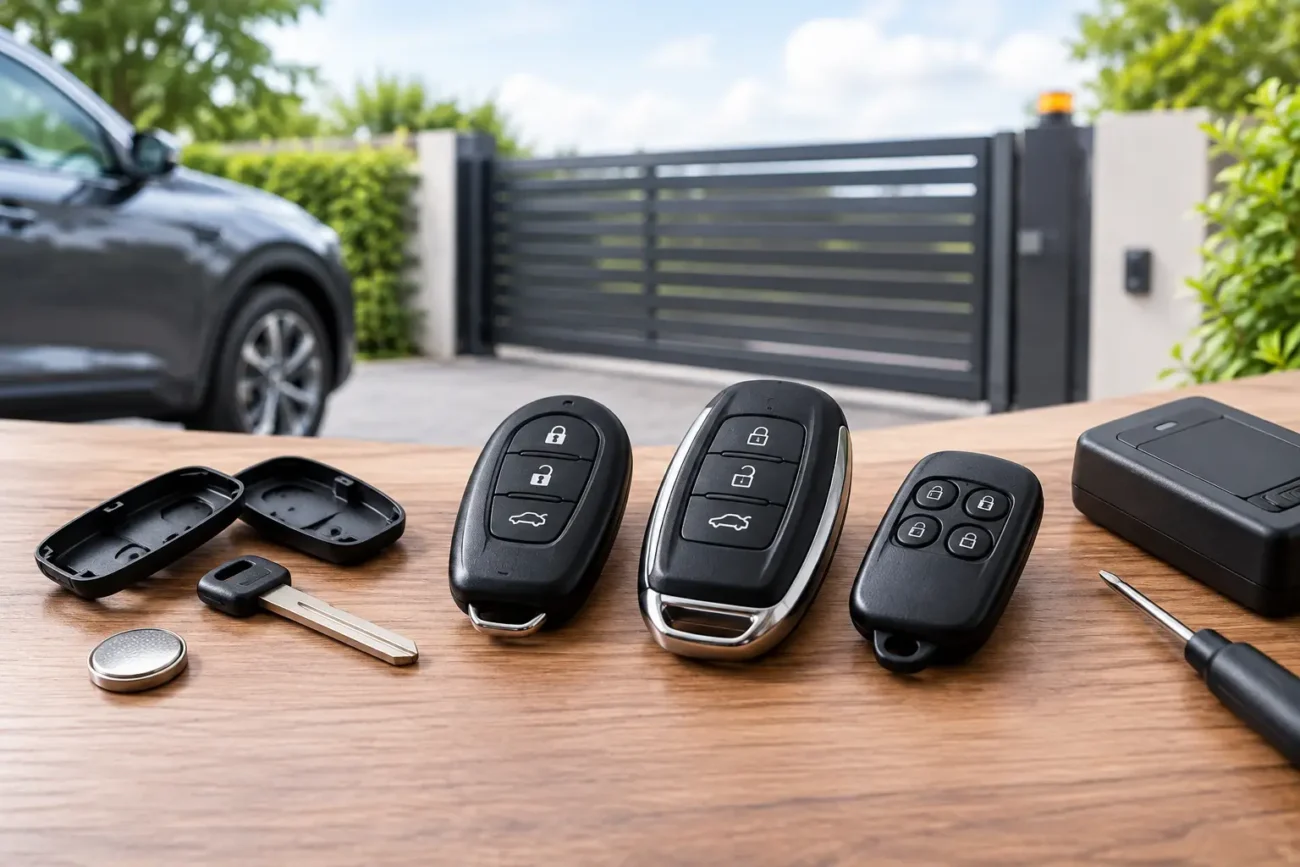
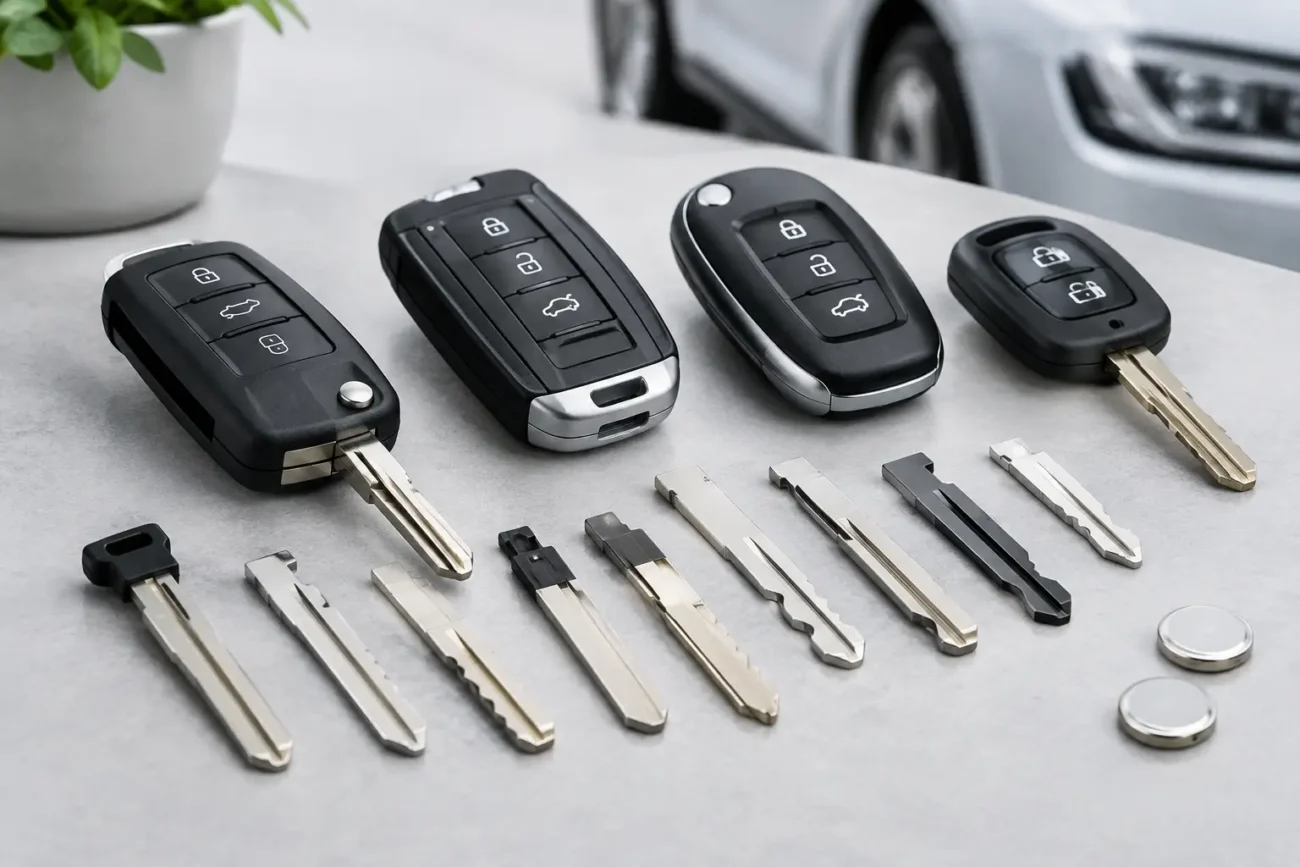
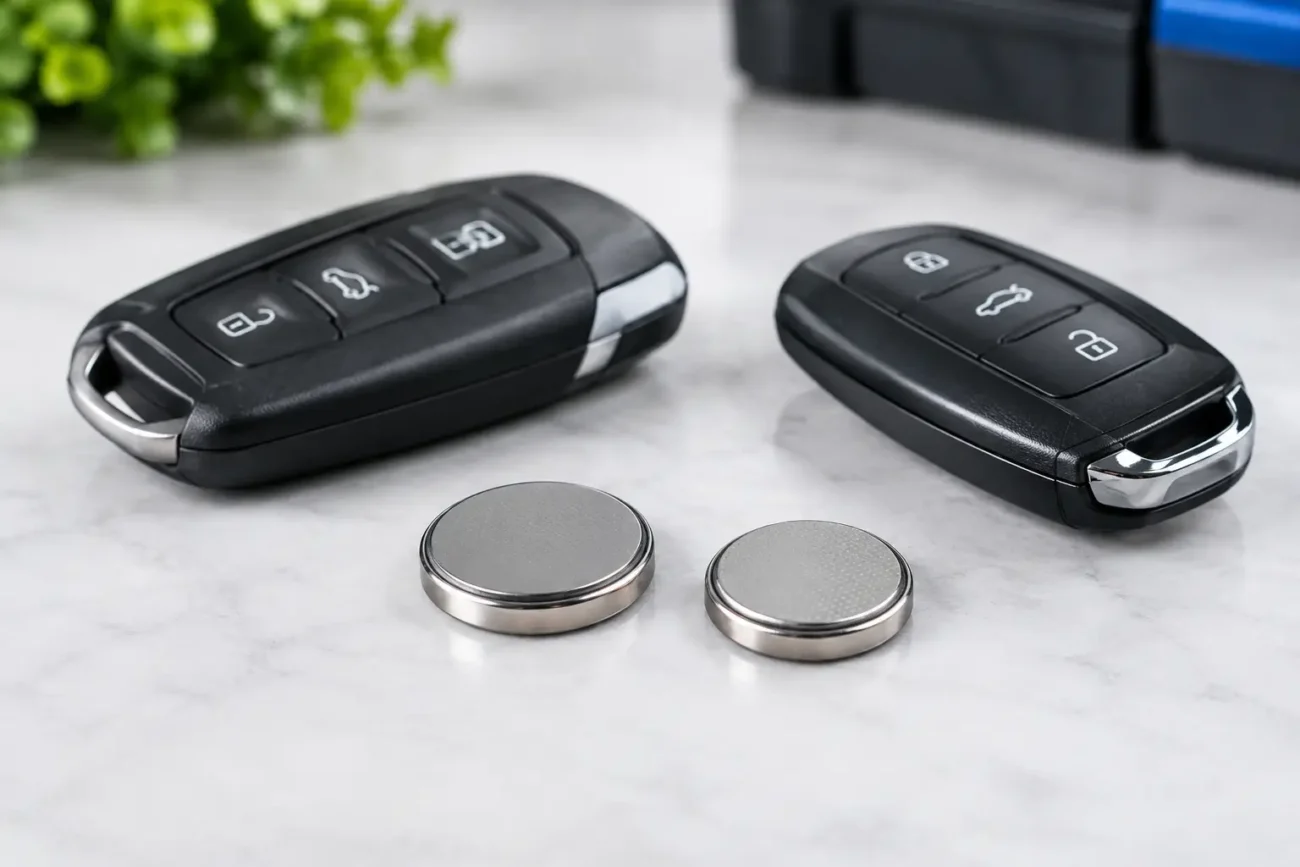
A programming device cannot make an incorrect key specification become correct. The replacement item must match the vehicle’s requirements before any programming process begins. Depending on the vehicle, this can include the part number, button configuration, frequency, blade profile, transponder or chip type, and whether the key uses a rechargeable or replaceable battery.
For smart keys, compare the details on the original unit wherever possible. If the old key is missing, the vehicle identification number and verified vehicle information may help narrow down the correct type, but they should not replace a proper fitment check. Small differences between seemingly identical fobs can affect remote operation, keyless entry or starting authorisation.
At Global Keys Direct, the product details available for replacement keys, remotes and programming equipment are intended to help buyers make this compatibility check before ordering. It remains essential to review the listing specification against the vehicle and original key, particularly where several versions exist for the same model range.
The trade-offs that affect day-to-day use
Tool choice is often presented as a simple question of budget, but workshop efficiency depends on more than the purchase cost. Update arrangements, software coverage, technical confidence and job volume all influence whether a tool pays for itself.
A more advanced platform may save time by guiding the operator through supported processes and providing deeper vehicle information. That can be valuable when the workshop handles a high number of key jobs or works across many manufacturers. However, advanced equipment still needs careful use. Software support can vary by vehicle, and the tool must be kept updated according to the manufacturer’s requirements.
A simpler tool may be more economical for standard diagnostic tasks or a narrow range of vehicle work. The trade-off is that it may not cover newer systems, less common models or specialist key functions. It is better to set realistic expectations at the buying stage than to discover a limitation with a customer’s vehicle waiting outside.
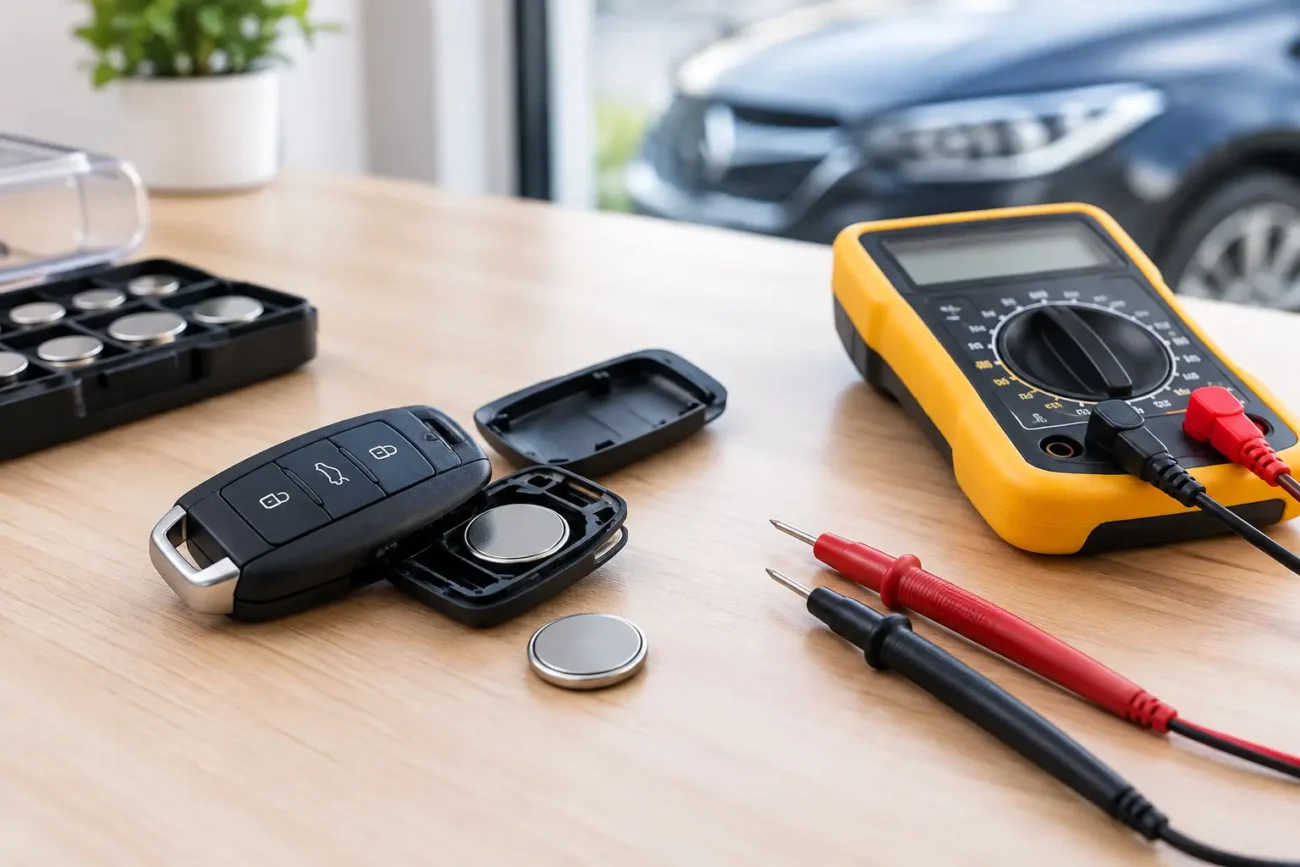
Battery condition also matters more than many people expect. Programming and diagnostic procedures should be carried out with stable vehicle voltage. Low voltage can interrupt communication with control modules and complicate a job that might otherwise be routine. Good workshop practice includes using appropriate battery support where required and allowing adequate time to complete the process without rushing.
Build a dependable key programming workflow
The most reliable results come from a repeatable process. First, confirm the vehicle identity and inspect the original key or available records. Next, check the exact replacement key specification, then verify that the selected Autel equipment and any required accessories support the intended vehicle function.
Before connecting any equipment, ensure the vehicle battery is in suitable condition and that the working environment is secure. Keep the customer’s authorisation and ownership checks in order, especially for immobiliser and key-related work. Key programming should only be undertaken for legitimate, authorised vehicle access and repair.
Once the procedure is complete, test every relevant function. This may include locking, unlocking, boot release, keyless entry where fitted, emergency blade operation and vehicle starting. Testing is not an optional final flourish. It is how you identify whether the remote function, transponder function and mechanical key function are all performing as expected.
For garages, recording the completed work alongside the key specification and vehicle details can make future support much easier. For locksmiths and key professionals, this discipline also helps when ordering repeat stock and identifying the right solution for similar vehicles later.
When updates and support matter most
Vehicle technology changes quickly, particularly in keyless systems and newer immobiliser architectures. A tool that was suitable for a particular job last year may require updates, additional accessories or a different process for a newer model year. Always check current supported functions before committing to a customer job.
This is particularly relevant for businesses expanding their offering. If your current work is mainly replacement remote shells and blade cutting, a diagnostic platform may be enough for now. If you are moving into smart keys, transponder work and regular programming jobs, investing in a more suitable key-focused setup can be the more efficient route.
Avoid treating any scan tool as a universal answer. The correct equipment is the one that matches your normal vehicle mix, your authorised scope of work and the level of technical support you can provide. Pair it with accurately specified replacement keys, careful fitment checks and a tested process, and it becomes a practical asset rather than another piece of equipment on the shelf.
The best next step is simple: look at the last ten key or diagnostic jobs you completed, identify the makes and functions that recur, and choose equipment around that real workload.
Add a review
Your email address will not be published. Required fields are marked *