
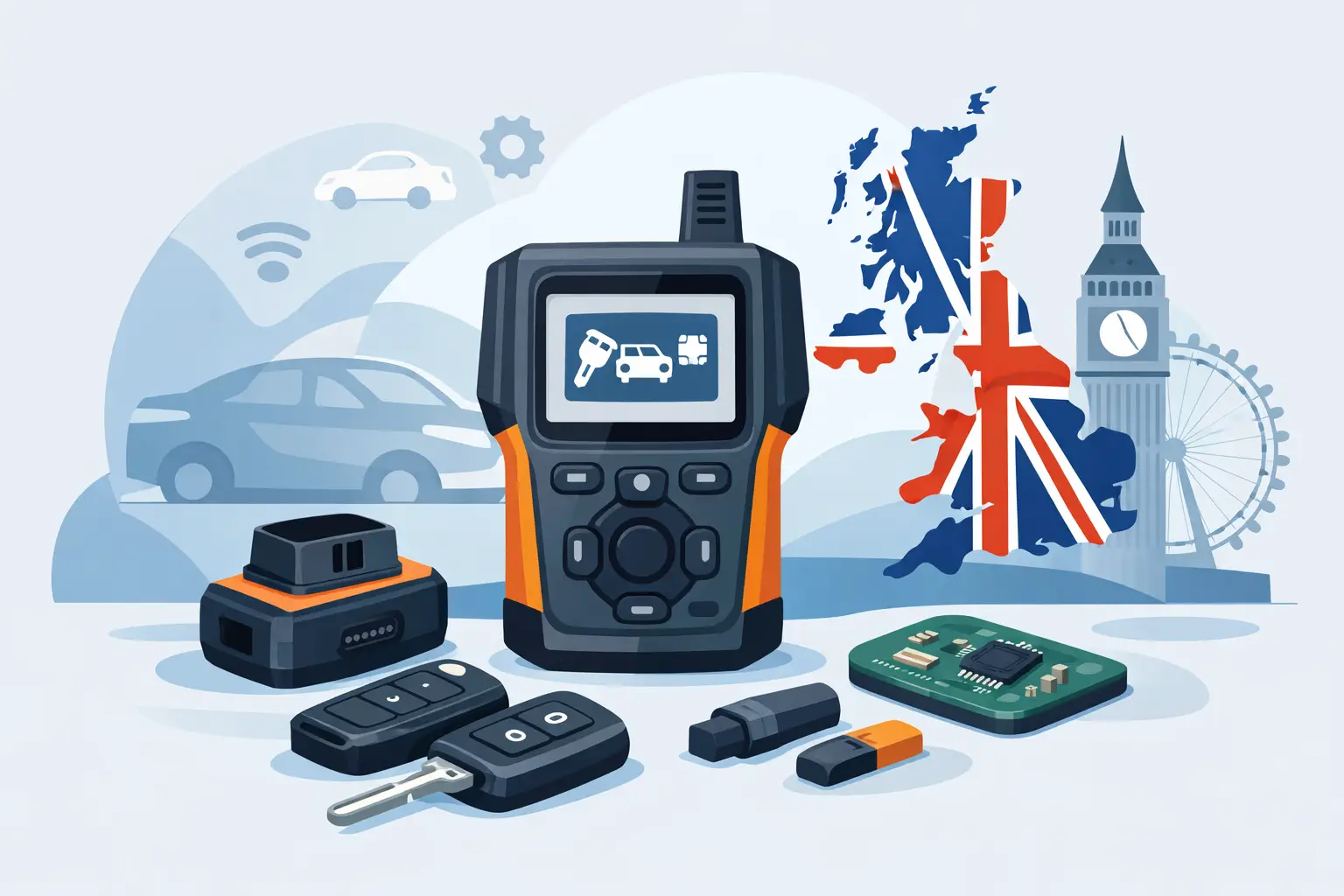
Xhorse Key Programmer UK Buying Guide
A key programming job can go from straightforward to expensive very quickly when the tool in your hand is the wrong one. That is why buyers searching for an Xhorse key programmer UK option usually are not just comparing prices – they are trying to avoid wasted stock, missed bookings and compatibility surprises on the bench.
Xhorse has become a serious name in automotive key work because it covers a broad mix of everyday replacement jobs and more advanced programming tasks without pushing every buyer towards the highest-priced setup. For UK locksmiths, garages and auto electricians, that matters. For private owners, it matters too, although the right purchase often looks very different depending on whether you are cutting one spare key or handling multiple customer vehicles every week.
What to expect from an Xhorse key programmer UK range
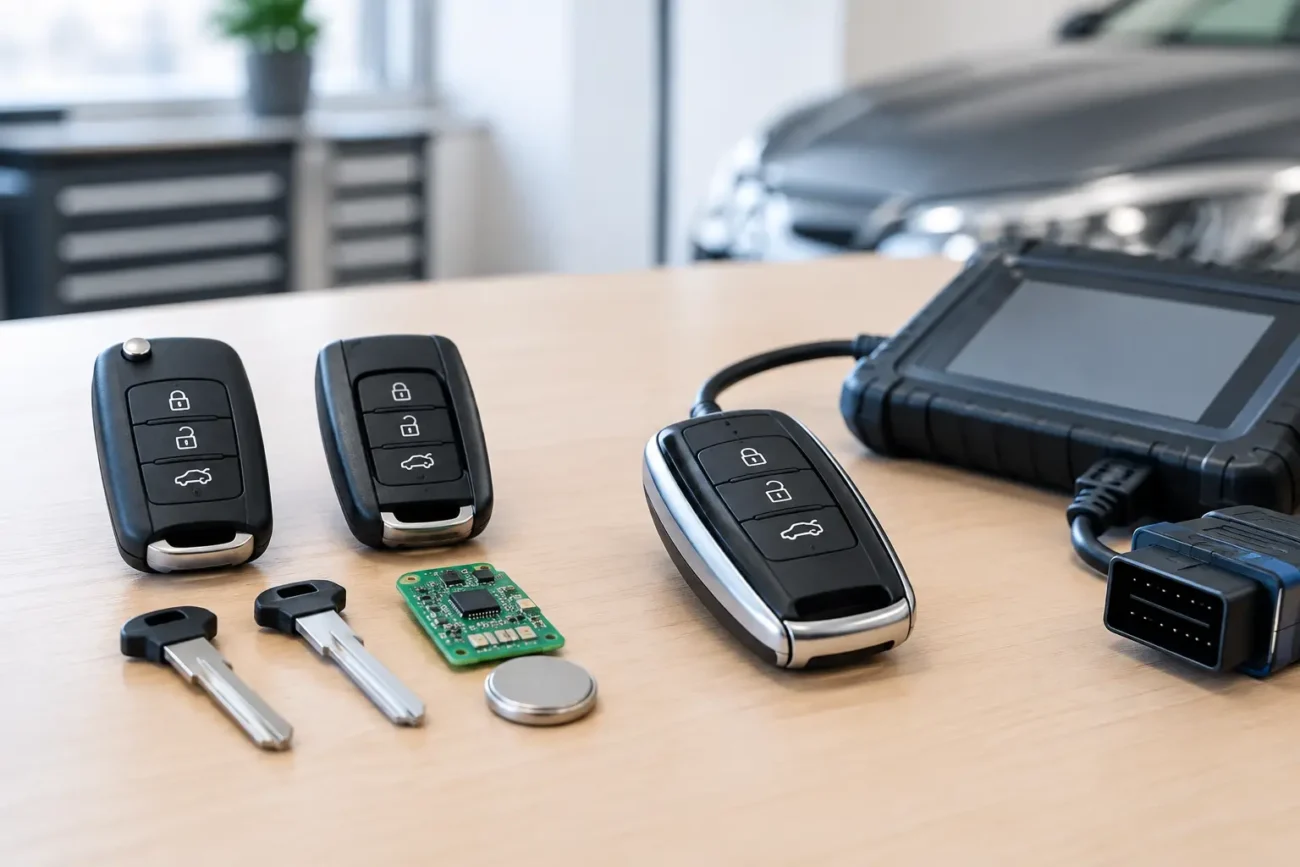
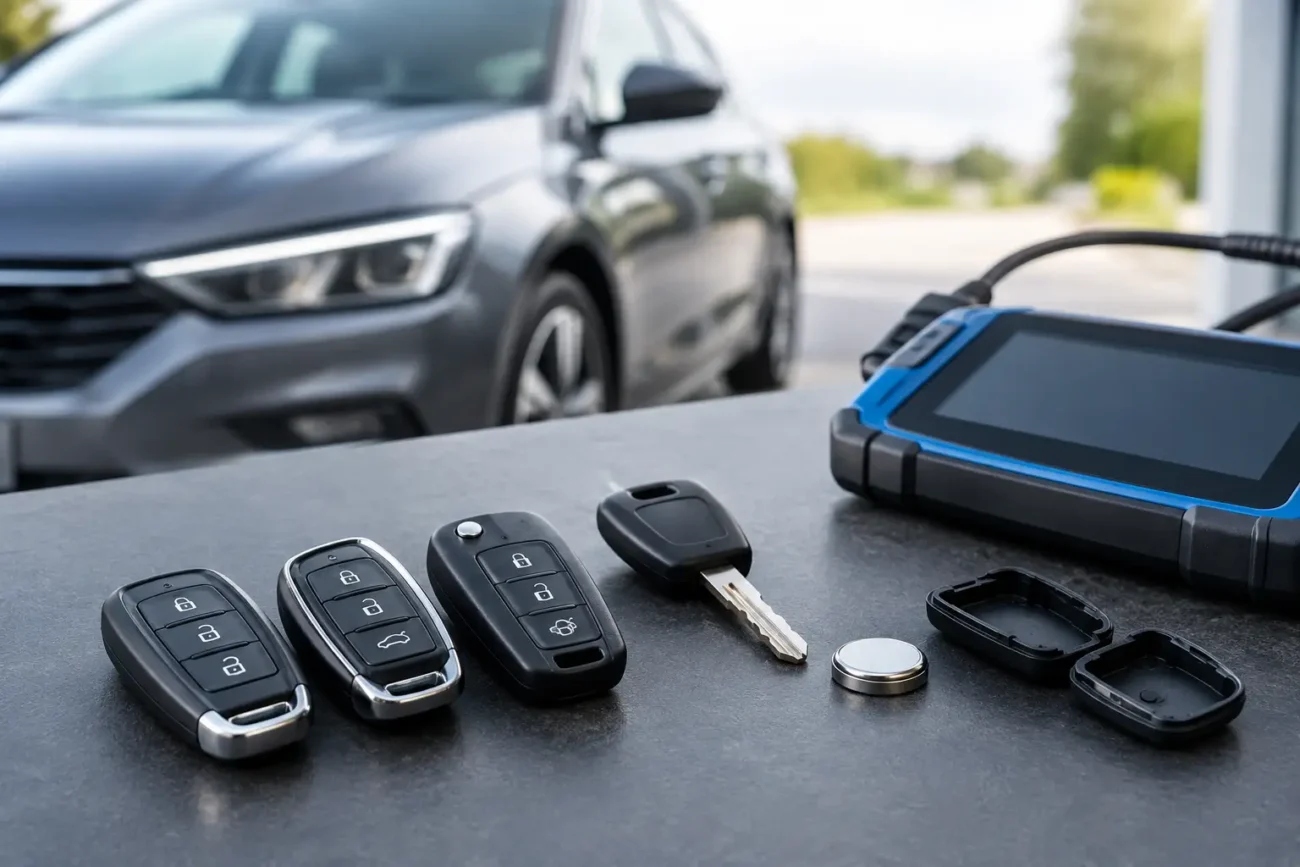
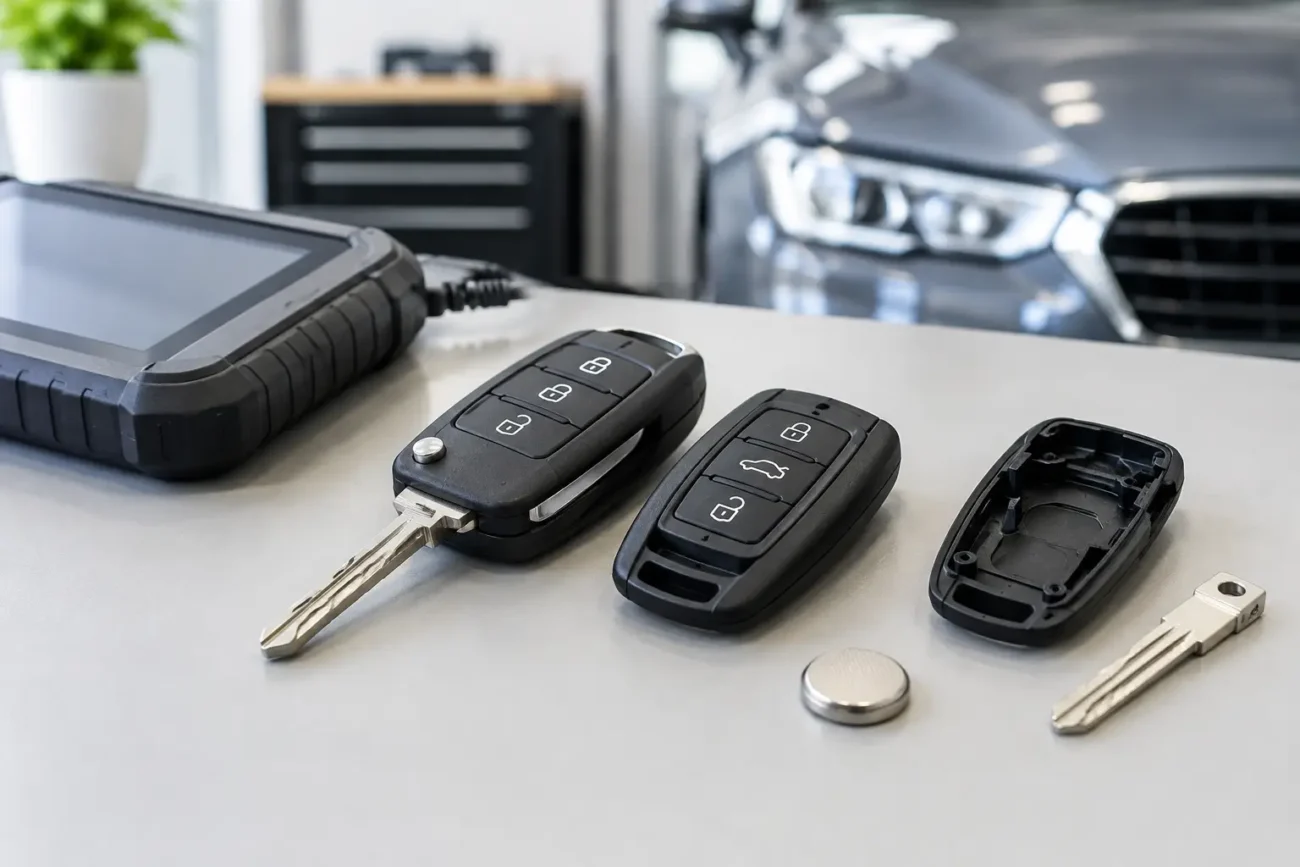
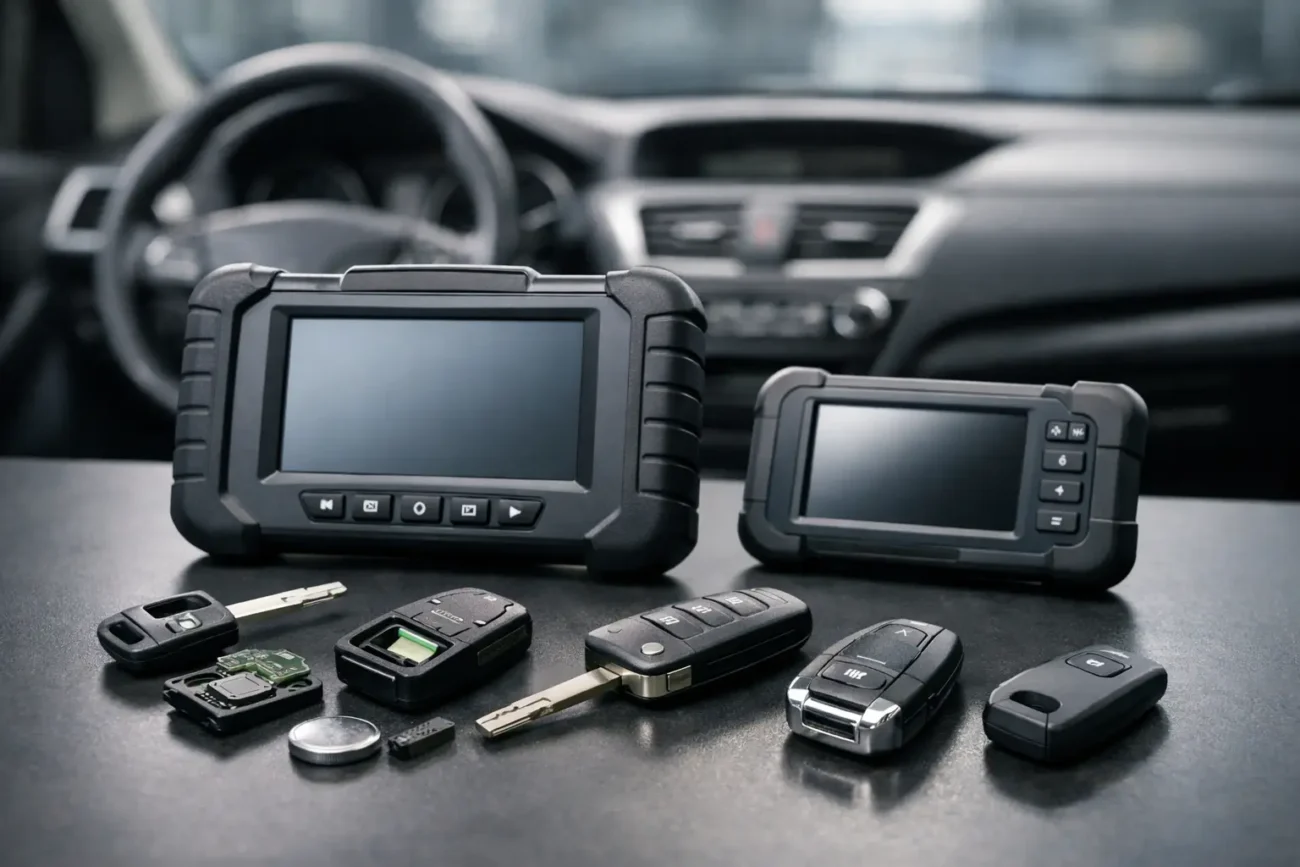
The strength of the Xhorse ecosystem is not just one machine. It is the way several tools, remotes and accessories work together across common key replacement and programming jobs. Depending on the model, you may be looking at remote generation, transponder programming, EEPROM and MCU functions, key renew, immobiliser work, or support for garage and bench tasks.
That flexibility is useful, but it also means buyers need to be specific. If your day-to-day work is cloning remotes and preparing universal keys, a compact tool may do the job well. If you are dealing with lost keys, module reading and a wider spread of immobiliser systems, you will need more than a basic handheld device.
In the UK market, the appeal is clear. Xhorse gives trade users access to a practical route between entry-level tools and very high-cost specialist platforms. It also suits businesses that want stock they can turn quickly, with replacement remotes, blades and smart keys available in a format they already know how to use.
Who should buy an Xhorse key programmer in the UK?
For professional users, the answer comes down to job volume and job type. A mobile locksmith covering Ford, Vauxhall, Peugeot, Hyundai and Kia all week has very different needs from a prestige specialist who sees BMW, Mercedes and Land Rover bookings with more advanced security systems. Xhorse can fit both environments, but not always with the same device.
Garages often sit somewhere in the middle. They may not need the full spread of specialist locksmith functions, yet they still benefit from a programmer that can prepare spare keys, support common immobiliser tasks and reduce dealership dependence. For these buyers, ease of use and quick turnaround usually matter more than chasing every niche feature.
Private vehicle owners should be more cautious. Buying a programmer for a one-off spare key can make sense if you already understand compatibility and procedure. If not, it is usually better to source the correct key and have programming handled by a technician. The tool itself is only part of the job. Chip type, frequency, key profile, vehicle generation and programming method all have to line up.
The real buying factors beyond price
Price is always part of the conversation, but it should not be the first filter. A cheaper tool that misses common UK jobs is not a saving. It is dead stock.
Vehicle coverage comes first. Check the makes and years you work on most often, then look at what functions are actually supported. There is a big difference between reading key data, generating a remote, programming a transponder and completing full immobiliser programming. Listings can sound similar, but the workflow is not.
The next factor is update value. Some buyers want the latest coverage because they work on newer vehicles every month. Others mainly need dependable support for older and mid-age cars where spare and replacement key demand is consistent. If your business is built on high-volume everyday jobs, broad practical coverage may be worth more than headline functions you rarely use.
Accessory compatibility matters as well. Xhorse tools often sit within a wider setup that includes universal remotes, super chips, key cutting equipment and adaptors. If you are already using part of that system, adding another Xhorse device can make workflow simpler. If you are starting from scratch, it is worth thinking ahead so you are not buying into a setup that needs expensive add-ons immediately.
Common Xhorse use cases in day-to-day work
A lot of demand centres on ordinary replacement work rather than dramatic all-keys-lost situations. That is where Xhorse often earns its place. Preparing a spare remote for a family hatchback, cloning or generating supported transponders, and dealing with standard button remote replacements are all jobs where speed and compatibility count more than novelty.
Then there is workshop efficiency. If a garage can supply and prepare a compatible key in-house rather than sending the customer elsewhere, it keeps the job under one roof. That improves turnaround and margin. For mobile locksmiths, a tool that handles a broad range of common calls with minimal setup can make the difference between three jobs a day and six.
At the higher end, some Xhorse equipment supports more advanced immobiliser and EEPROM-related tasks. This is where buyers need to be honest about their technical level. Advanced capability is useful only when the operator understands the risks, the vehicle systems involved and the recovery options if something fails.
Where buyers get caught out
The most common mistake is assuming that a key programmer does everything on every car. It does not. Coverage varies by make, model, year and system. Even within one manufacturer, support can differ between prox systems, blade remotes and smart keys.
The second mistake is ignoring the key itself. The programmer may support the vehicle, but the remote frequency could be wrong, the chip may not match, or the blade profile may be unsuitable. In practical terms, successful key work depends on the whole chain being correct, not just the machine.
Another issue is buying too much or too little tool. A new trade buyer may overspend on functions they will not use for months. An established technician may try to save money with an entry-level device that cannot support the jobs they are already turning away. The right fit depends on workload, not marketing claims.
How to choose the right Xhorse key programmer UK buyers can rely on
Start with the cars you actually see. Not the occasional edge case – the weekly bread-and-butter jobs. If your bookings are full of Ford, Vauxhall, Volkswagen Group, Toyota and Renault work, your tool choice should reflect that reality.
Next, decide whether you need remote generation, transponder work, programming, bench functions or a mix. This sounds obvious, but many returns and frustrations come from buyers who only realise afterwards that they needed one extra capability to complete the job.
Then look at stock availability and support from a UK supplier. Fast fulfilment matters when a working day depends on the post arriving on time. It also helps when you need matching remotes, key shells, blades or other accessories without piecing together parts from multiple sources. For many trade users, buying from a specialist supplier such as Global Keys Direct Ltd makes more sense than chasing the lowest number from a generic marketplace because compatibility-led stock and quick UK delivery reduce delays.
Finally, be realistic about training and setup time. Even a good tool can feel poor if the user is learning on a live customer job. Build time for familiarisation, software updates and test procedures before promising difficult bookings.
Is Xhorse the right choice for every UK buyer?
Not always, and that is worth saying plainly. If you only need one spare key for a single vehicle, buying a programmer may be unnecessary. If your workshop handles highly specialised late-model security systems every day, you may need a broader multi-platform setup alongside Xhorse rather than relying on one brand.
But for many UK buyers, Xhorse sits in a very practical position. It covers a large share of real-world replacement and programming tasks, works well within an established aftermarket workflow, and offers a sensible route from entry-level jobs to more advanced capability. That balance is exactly why it remains popular with locksmiths, garages and technicians who need tools that earn their place.
FAQ on Xhorse key programmer UK buying
Can a beginner use an Xhorse programmer?
Some models are beginner-friendly, especially for basic remote and transponder work. More advanced immobiliser and EEPROM functions are not beginner territory and should be approached with proper training.
Does Xhorse support all UK vehicles?
No. Support depends on the exact make, model, year and system. Always check compatibility before ordering both the programmer and the key.
Is it suitable for trade use?
Yes, particularly for locksmiths, garages and auto electricians handling regular key replacement and programming work. The right model depends on your workload and the vehicles you see most often.
The best Xhorse purchase is usually the one that fits your actual jobs, not the one with the longest feature list. When the tool, key and vehicle match properly, the work moves faster, the customer leaves happy and your stock starts paying for itself.

Add a review
Your email address will not be published. Required fields are marked *