
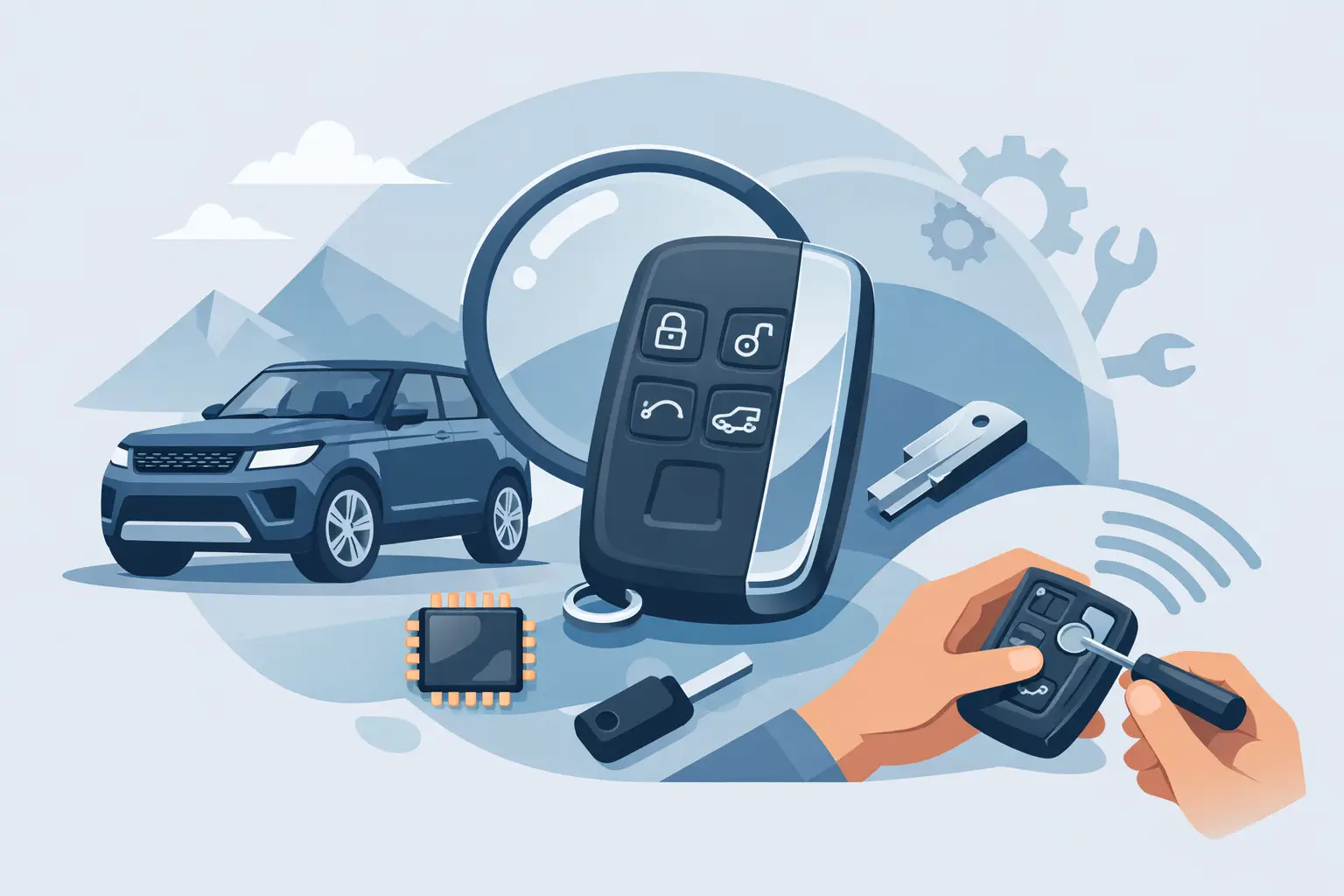
Land Rover Smart Key Replacement Guide
A failed proximity key usually becomes a problem at the worst possible moment – when the school run is waiting, the vehicle is loaded, or the customer is due to collect. Land Rover smart key replacement is rarely just about buying something that looks the same. The correct result depends on model compatibility, board type, frequency, blade profile and, in many cases, programming capability.
That matters whether you are a vehicle owner trying to avoid main dealer pricing or a locksmith sourcing stock for the next job. Land Rover systems vary more than many buyers expect, and choosing the wrong part can waste both time and money.
What a Land Rover smart key replacement actually involves
When people say they need a replacement key, they do not always mean the same thing. In Land Rover terms, the job could be as simple as swapping a damaged outer case, or it could mean supplying a complete proximity smart key with electronics and then programming it to the vehicle.
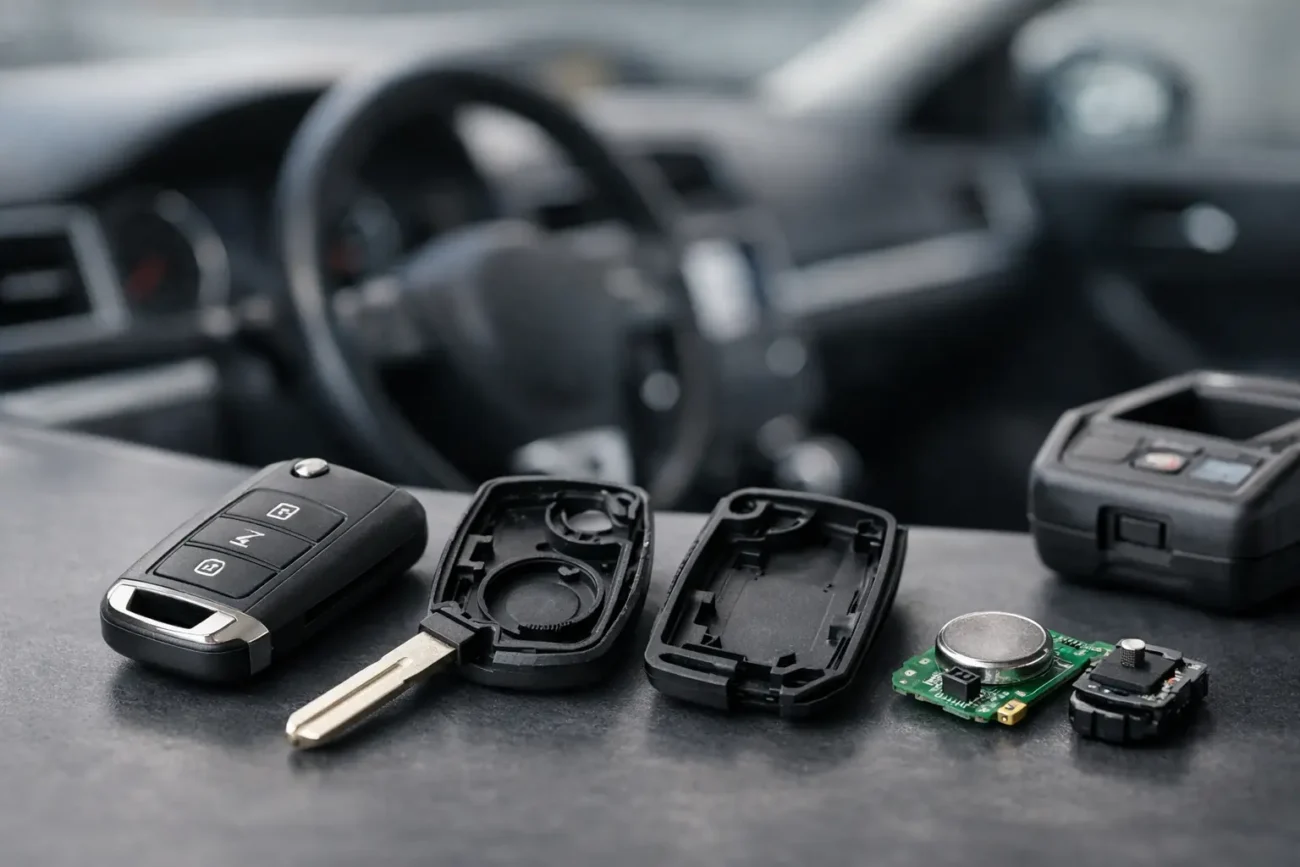
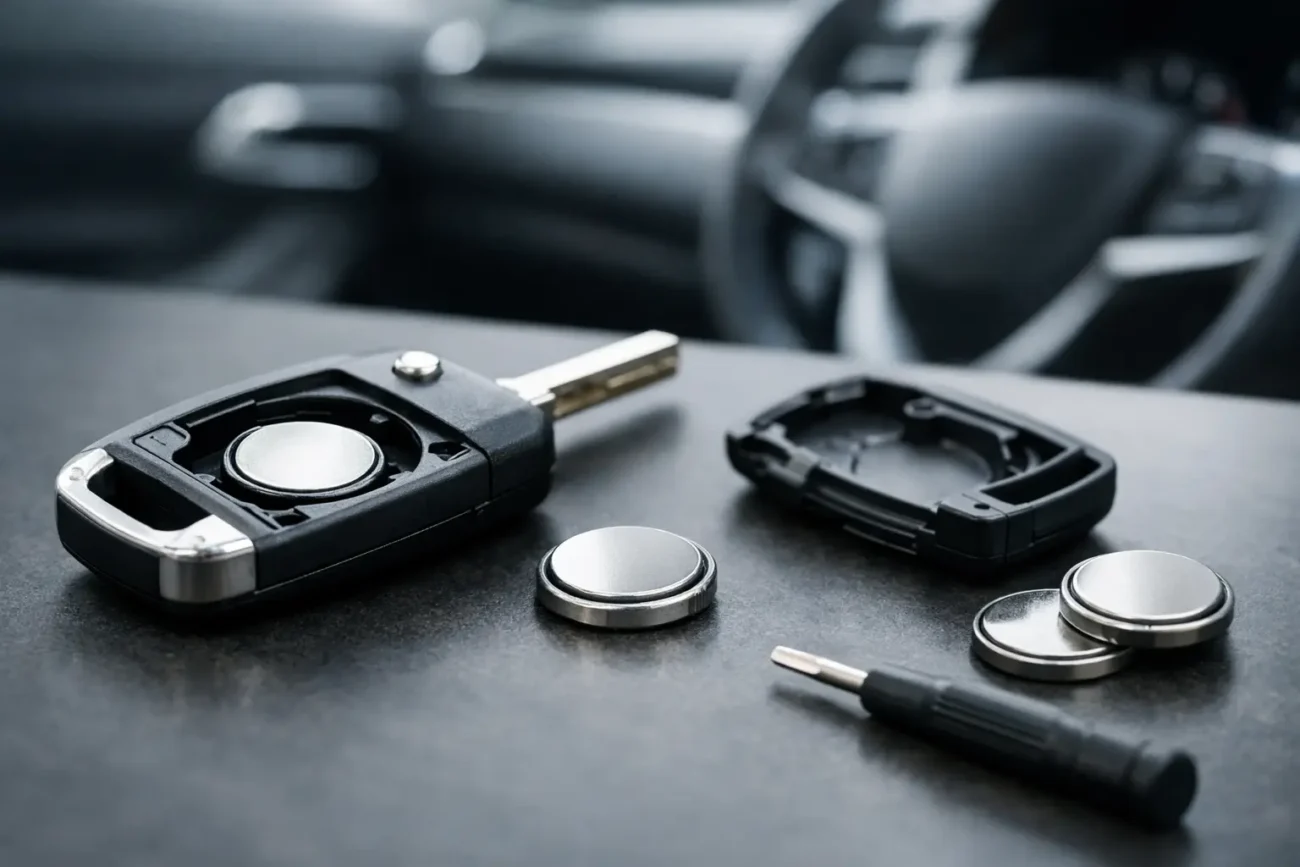
If the original key still starts the car but the casing is cracked, the buttons have worn through, or the blade hinge has failed, a replacement shell may be enough. This is the lower-cost route and often the quickest fix. If the key no longer transmits, has suffered water damage, has a dead board, or has been lost entirely, you are usually looking at a complete remote or smart key.
For trade buyers, this distinction is basic but critical. For retail buyers, it is often where confusion starts. A shell, a remote board and a fully programmed smart key are not interchangeable products.
Which Land Rover models use smart keys?
Many modern Land Rover vehicles use proximity smart key systems, especially later Discovery, Range Rover, Range Rover Sport, Evoque and Velar platforms. Earlier models may use remote flip keys or more conventional remote fobs combined with a separate immobiliser system.
Even within the same model line, key specification can differ by year. A 2013 vehicle and a 2017 vehicle may both be sold as a Range Rover Sport, but the key system, frequency or transponder arrangement may not match. That is why part matching should be based on exact vehicle details and, where possible, the original key’s identifiers rather than appearance alone.
For professional key work, the original board number, frequency and PCB layout are often the fastest route to accuracy. For owners, the best starting point is the make, model, registration year and whether the vehicle uses keyless entry and push-button start.
How to identify the right Land Rover smart key replacement
The safest approach is to treat Land Rover key compatibility as a technical match, not a visual one. Two keys can share the same case shape and button layout while using different internals.
Start with the existing key
If you still have the original key, inspect it closely. The button count, emergency blade style, board number and frequency can all help narrow the correct replacement. In some cases, the shell may state the frequency. In others, the board has to be checked.
A three-button smart key and a five-button smart key may look broadly similar, but the functionality is not the same. Tailgate release, panic function and market-specific features all affect fitment.
Check frequency and chip details
Frequency matters because the vehicle receiver is built to communicate on a specific band. If you buy the wrong frequency, the key may never operate correctly even if it physically matches. Chip and board specification matter for programming and immobiliser recognition.
This is especially important for trade customers using programming tools. A key can be cut correctly and still fail because the transponder or proximity board is not the right type for that vehicle generation.
Know whether you need a shell, remote or complete key
If the electronics are working, a shell replacement is usually the most economical option. If the board is damaged but the blade and casing are reusable, a replacement remote can make sense. If the key is missing, heavily damaged or beyond repair, a complete smart key is the practical route.
For many retail buyers, the most expensive mistake is buying a complete key when only the shell has failed. The second most expensive is buying a shell when the electronics are already faulty.
Programming: the part many buyers underestimate
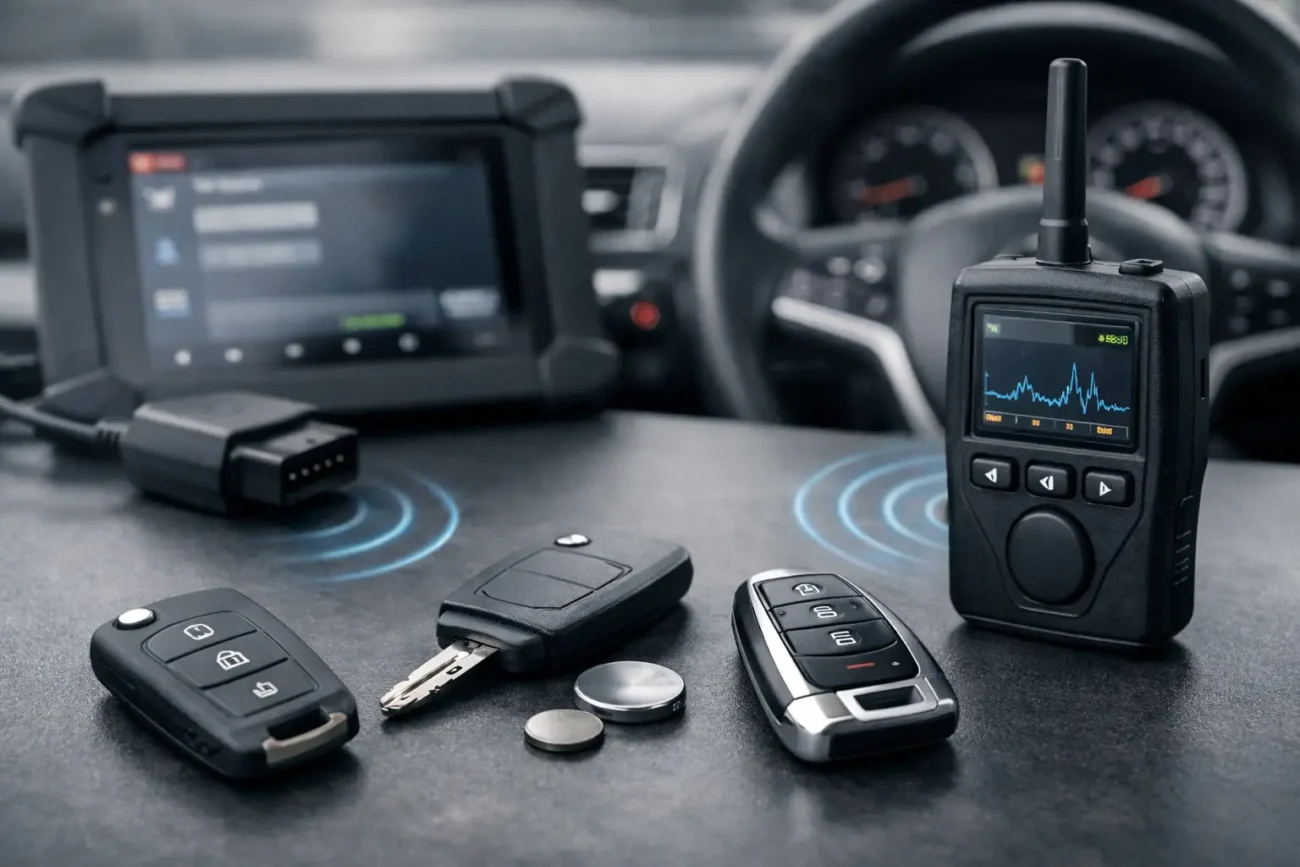
A Land Rover smart key replacement often needs programming before it will function with the vehicle. This is where expectations need to be realistic. Buying a compatible key is only one part of the job.
If you are replacing a shell and transferring the original electronics, programming is usually not required. If you are supplying a brand-new smart key, programming is commonly necessary for remote locking, proximity functions and immobiliser pairing.
For vehicle owners, that normally means using a qualified auto locksmith or suitably equipped garage. For trade professionals, it means confirming in advance whether the key is aftermarket, refurbished OEM-board or another format, and then matching that to available programming equipment.
Land Rover systems are not all equal in difficulty. Some jobs are straightforward with the right toolset. Others depend on vehicle year, system status, number of working keys and security conditions. If all keys are lost, the process is often more involved and more expensive.
Dealer key or aftermarket replacement?
This is one of the most common questions, and the honest answer is that it depends on the job.
A dealer-supplied key may suit owners who want a main dealer route from start to finish and are happy to pay the premium. The downside is usually cost, and sometimes lead time. For older vehicles especially, that pricing can feel hard to justify.
A quality aftermarket or brand-compatible replacement is often the better-value option, particularly when sourced from a specialist supplier that provides clear compatibility data. For many locksmiths and garages, aftermarket stock is the practical standard because it supports faster turnaround and more competitive pricing for the end customer.
The key point is quality control. Cheap, poorly specified remotes can create needless callbacks. A dependable replacement should be matched properly, built to a consistent standard and supplied with enough technical detail to support confident fitting and programming.
Common reasons Land Rover smart keys fail
Not every failed key is truly dead. Sometimes the issue is wear, not electronics.
Buttons can collapse with age. Rubber pads split. Emergency blades loosen. Battery contacts corrode. Water ingress can damage the PCB, and repeated drops can crack solder joints or break internal components. In some cases, the key battery is simply flat, but a battery change will not solve board damage or transponder faults.
This is where a careful diagnosis saves money. If the problem is cosmetic or mechanical, a shell replacement may return the key to full use. If proximity operation has stopped altogether, the board is often the issue. For workshops, checking that early avoids fitting the wrong part and having to revisit the vehicle.
Cost expectations for a Land Rover smart key replacement
Land Rover key costs vary widely because the job itself varies widely. A replacement shell is at the lower end. A complete smart key with programming is a different level entirely.
The final figure usually depends on five things: the exact model, whether the key is lost or damaged, whether an original key is available for reference, the type of replacement being supplied and who is carrying out the programming. All-keys-lost jobs generally cost more than adding a spare key to a working vehicle.
For owners, the best-value route is often buying the correct compatible part from a specialist supplier and then arranging programming locally if needed. For trade buyers, stock quality and fitment accuracy matter more than shaving off the last few pounds on unit cost. One failed job quickly cancels out any saving.
Buying with confidence
The best purchase decisions are made on data, not guesswork. Before ordering, confirm the vehicle details, compare the original key if available, and check whether the product is a shell only, a remote with electronics, or a full smart key. If programming is required, make sure that part of the plan is in place before the key arrives.
For professionals, that means checking board format, transponder support and tool compatibility. For retail customers, it means choosing a specialist supplier rather than a generic marketplace listing with vague fitment claims. This is exactly where a focused stock range and clear compatibility support make a real difference, which is why many buyers use specialists such as Global Keys Direct when speed and accuracy matter.
A Land Rover smart key replacement should solve the problem once, not create a second one. If you match the part properly and understand whether programming is needed, the process is usually far more straightforward than the badge suggests. The smart move is not just replacing the key quickly – it is replacing it correctly.
Add a review
Your email address will not be published. Required fields are marked *